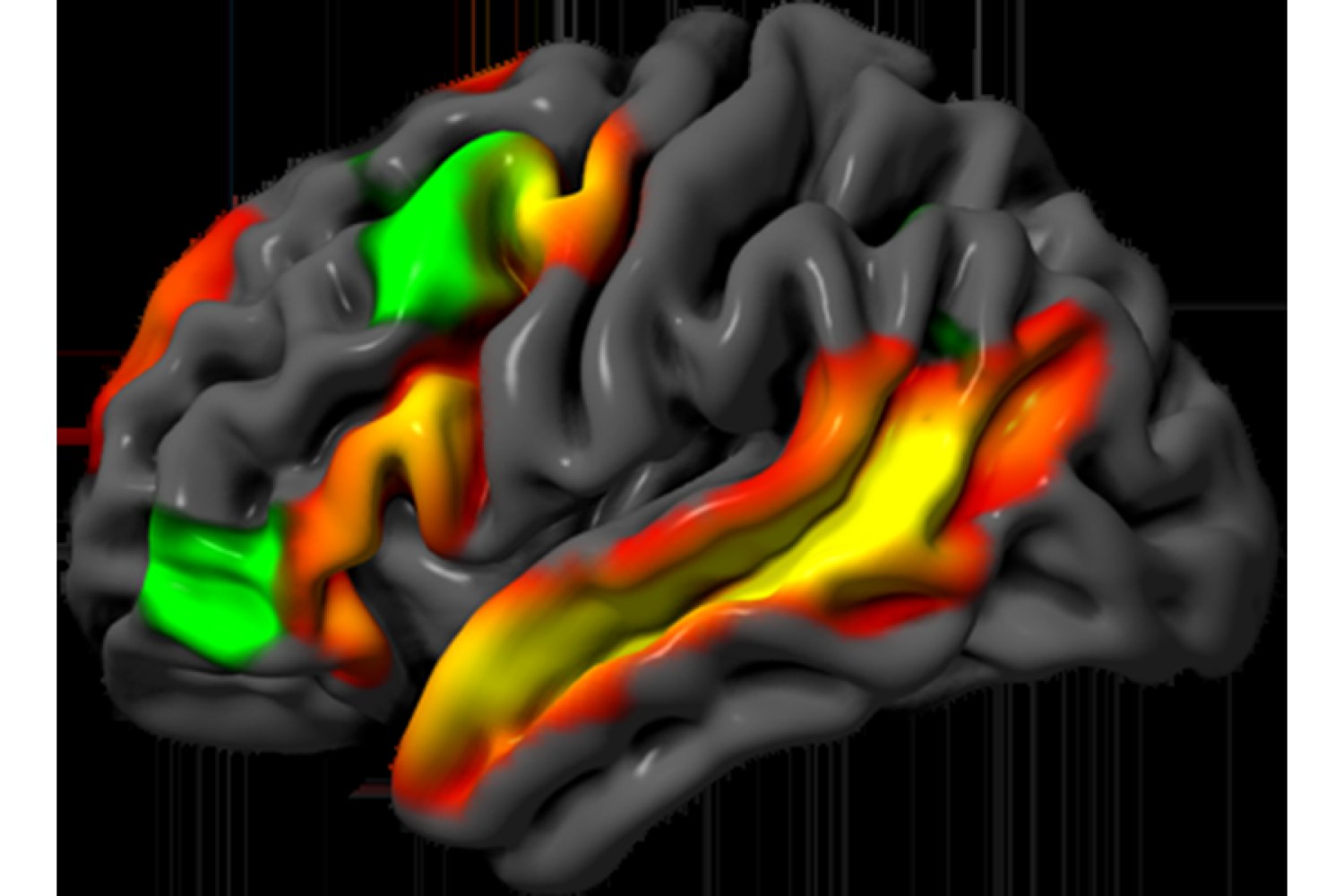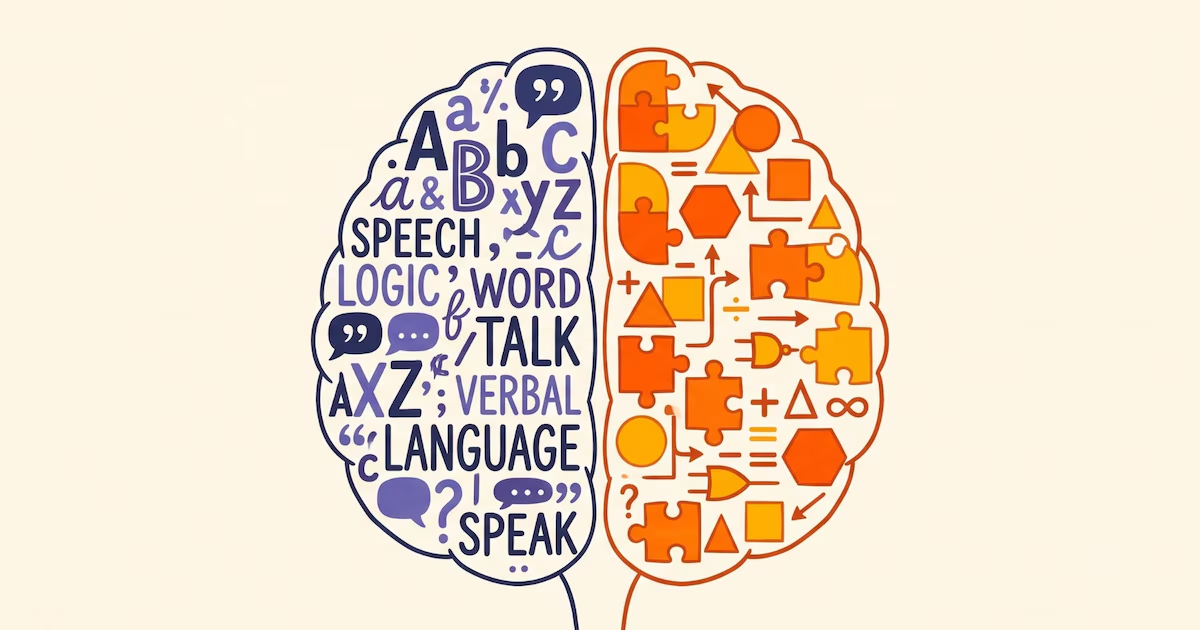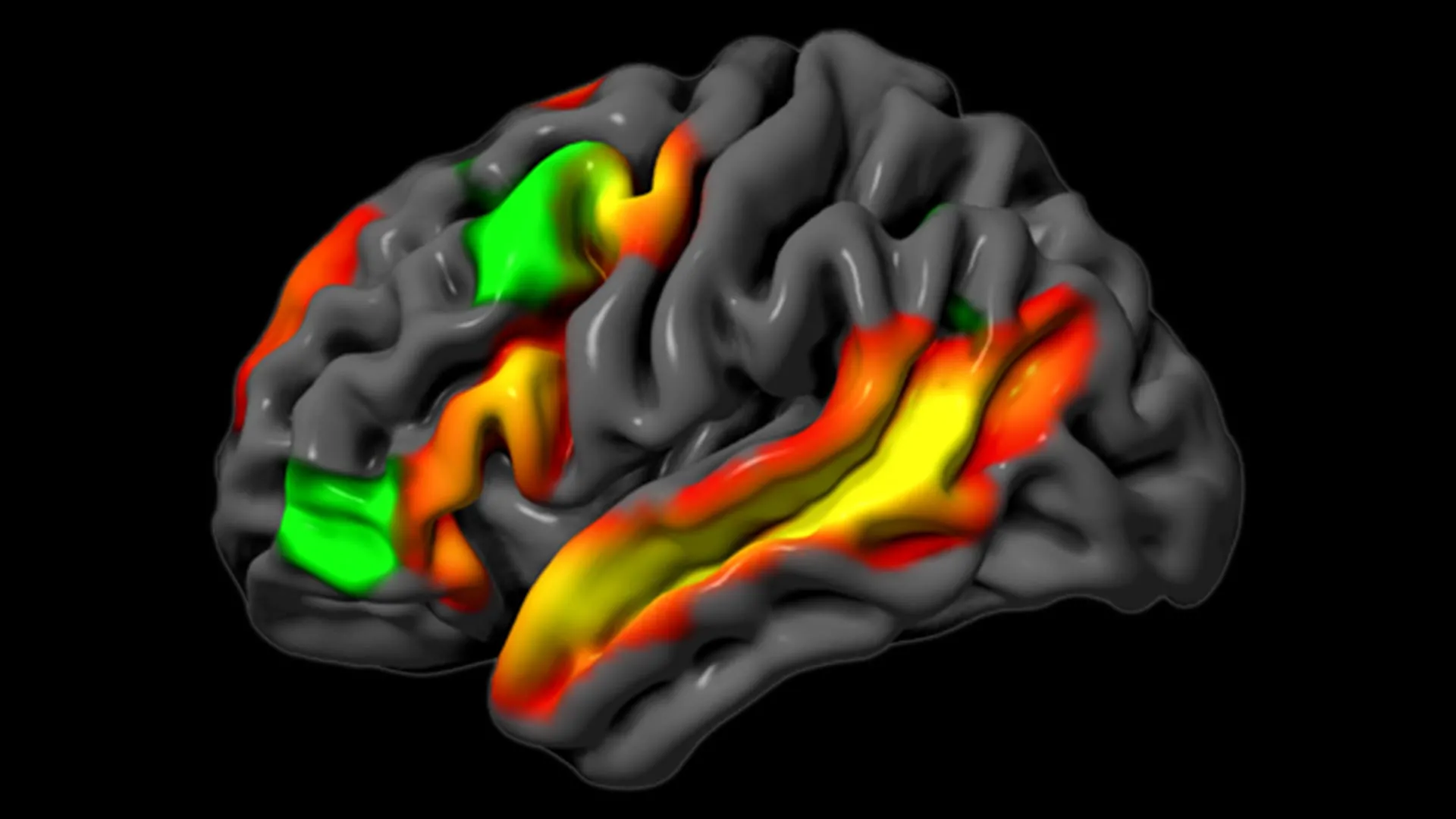
Talking through a difficult problem can help some people organize their thoughts. But according to cognitive neuroscientists at MIT's McGovern Institute for Brain Research, language itself is not required for logical reasoning.
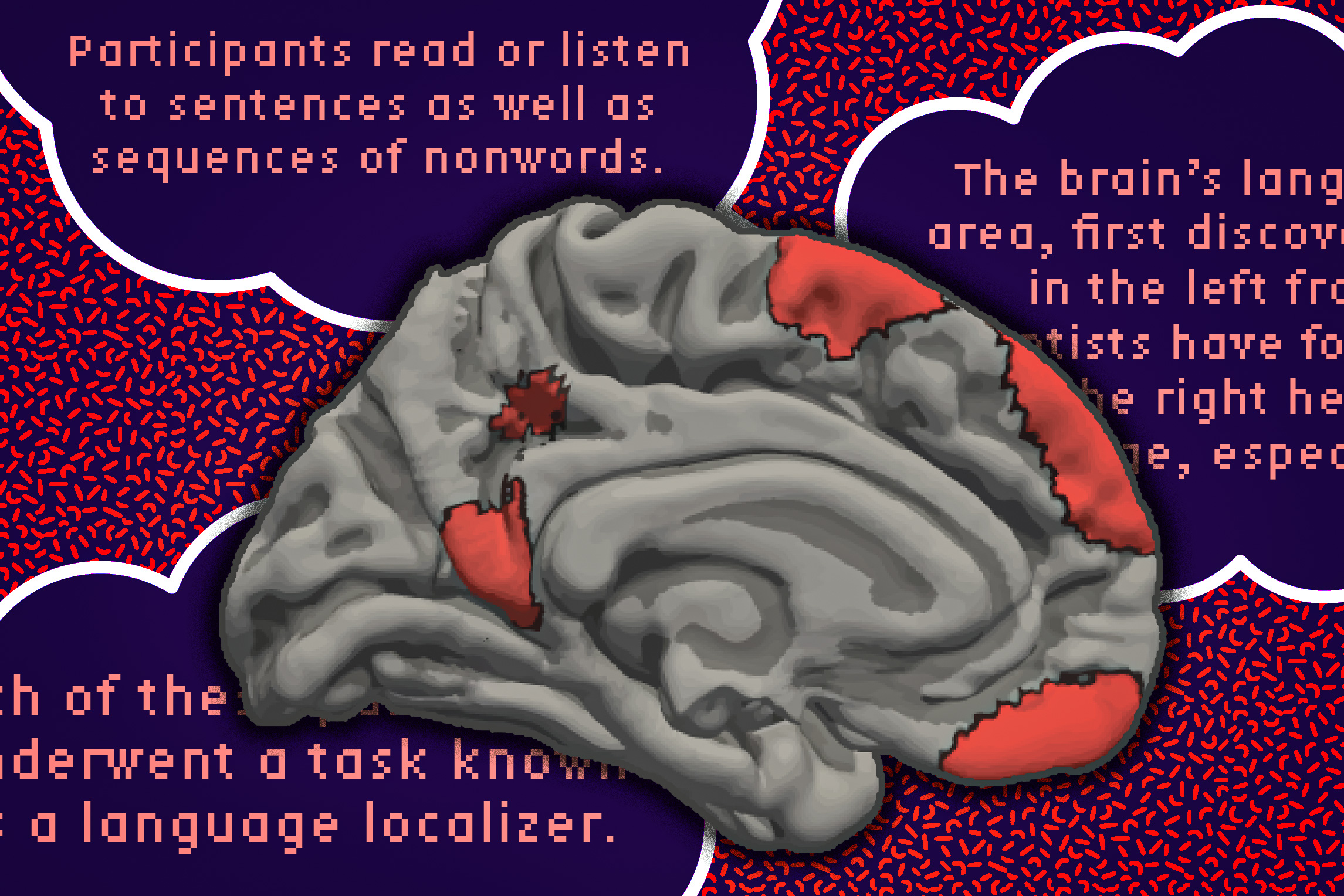
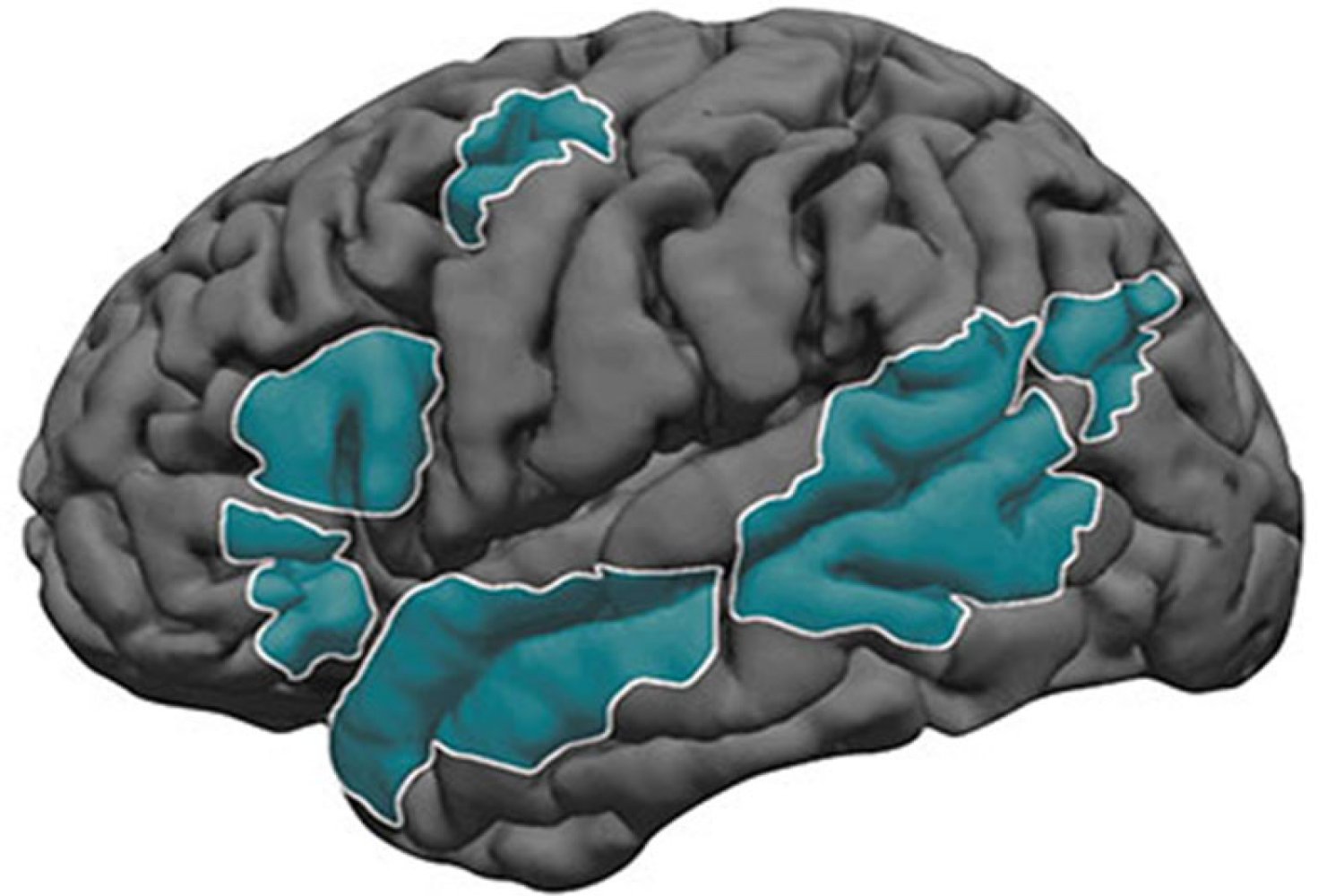
In research published recently in the journal PNAS, a team led by MIT associate professor of brain and cognitive sciences Evelina Fedorenko found that people can successfully solve problems requiring logical reasoning even when their language abilities are severely impaired. Brain imaging also indicated that regions responsible for processing language are not recruited for logical reasoning.
Are Language and Thought Really Connected?
For thousands of years, philosophers, linguists, and cognitive scientists have debated whether language is essential for thought. Many have argued that people rely on language as a tool for thinking.
Hope Kean, a postdoc and former K. Lisa Yang Integrative Computational Neuroscience (ICoN) Center graduate fellow in Fedorenko's lab, says there are understandable reasons to think language and logic might be closely connected.