America treats biodefense too much like a public health backstop and not enough like military force protection. That must change.
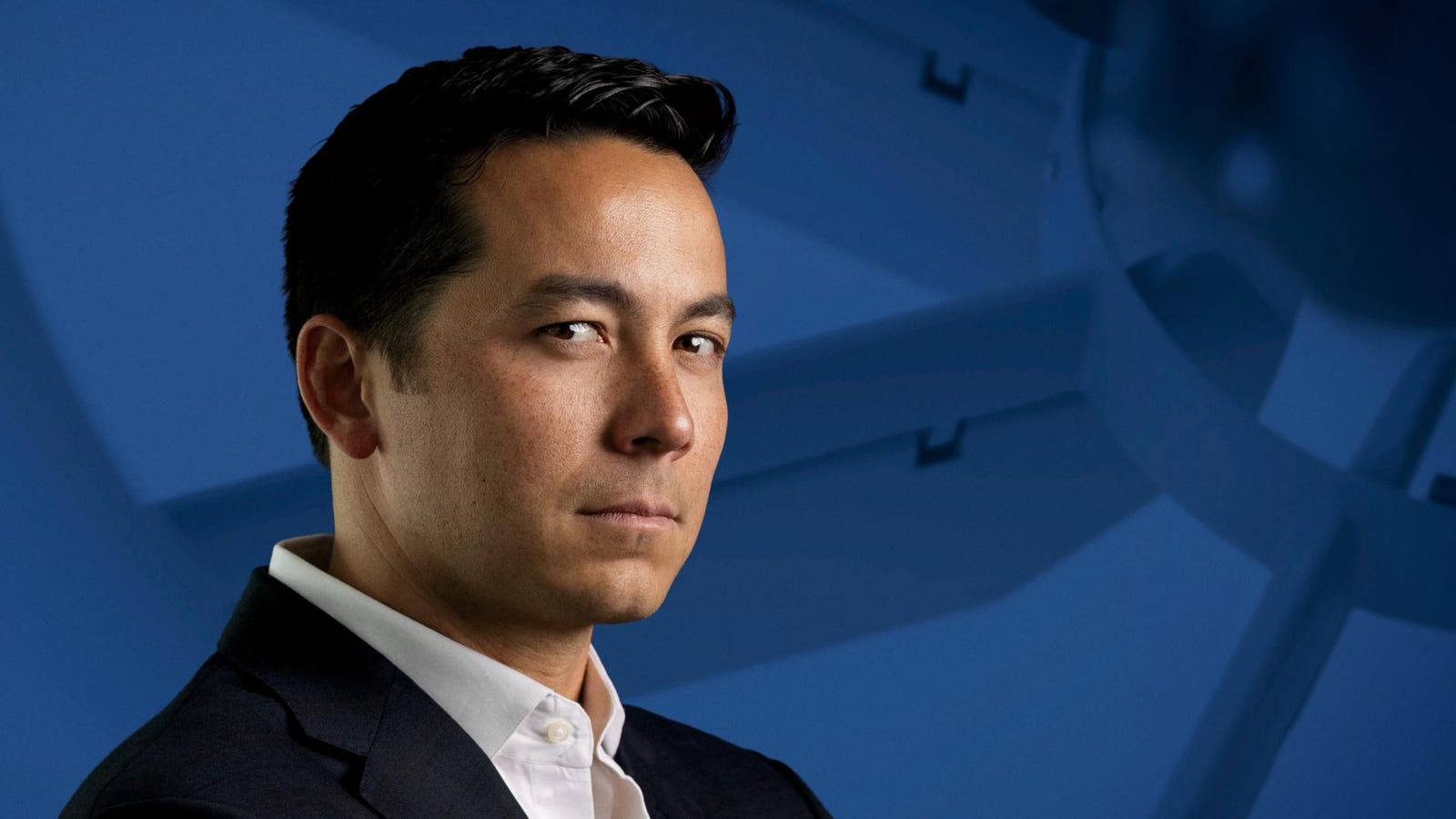
Thomas K. Equels, CEO of AIM ImmunoTech.
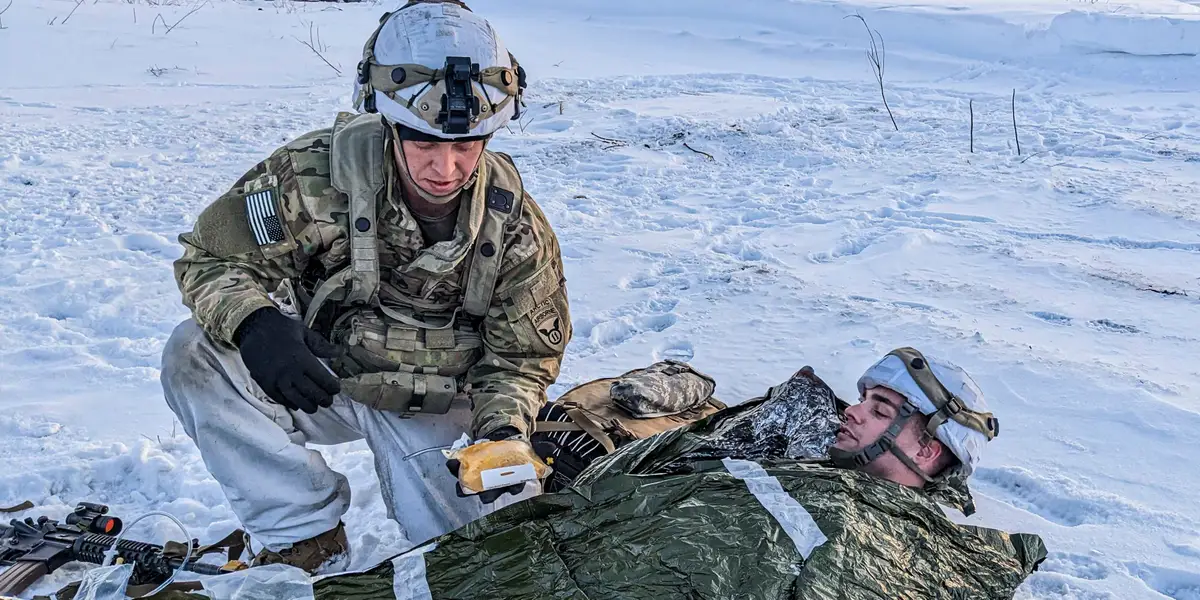
As a former Army helicopter gunship pilot who flew more than 300 combat missions, an instructor pilot and a TRADOC project officer, I learned that readiness is built before the threat appears. The people we send into danger need training, equipment, intelligence, planning and support before they are asked to take the risk. As CEO of AIM ImmunoTech, I know biological threats require the same mindset.
The history of warfare teaches us that a biological event does not have to begin as an attack to create serious military consequences. A natural outbreak, accidental release or deliberate biological incident can affect deployments, base operations, shipboard readiness, homeland defense and the ability to operate in contested environments. When it is a new viral threat, the force can be exposed before commanders have enough options to respond.
This is a multi-faceted problem. AIM ImmunoTech’s Scientific Advisory Board Chairman, COL. W. Neal Burnette, Ph.D., M.S., U.S. Army (Ret.), described the challenge in Military Medicine in 2008, writing: “Identifying which pathogens pose the greatest threats to the military and developing an appropriate research and development portfolio of countermeasures are serious scientific, health care, and fiscal challenges.”