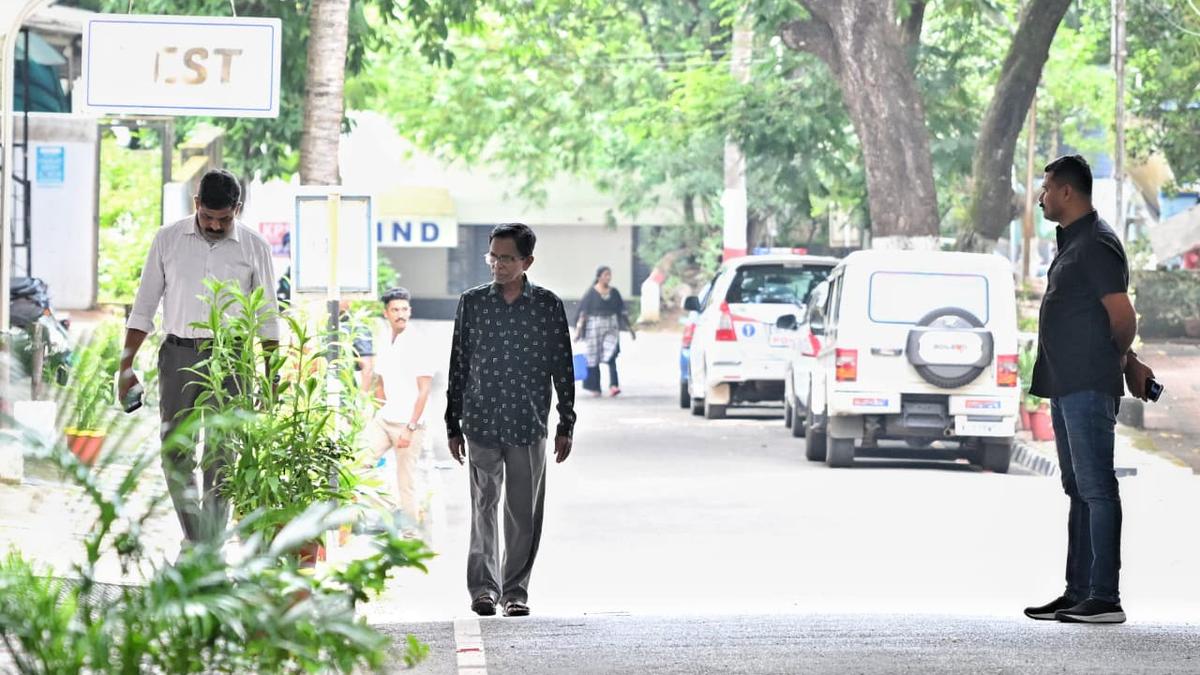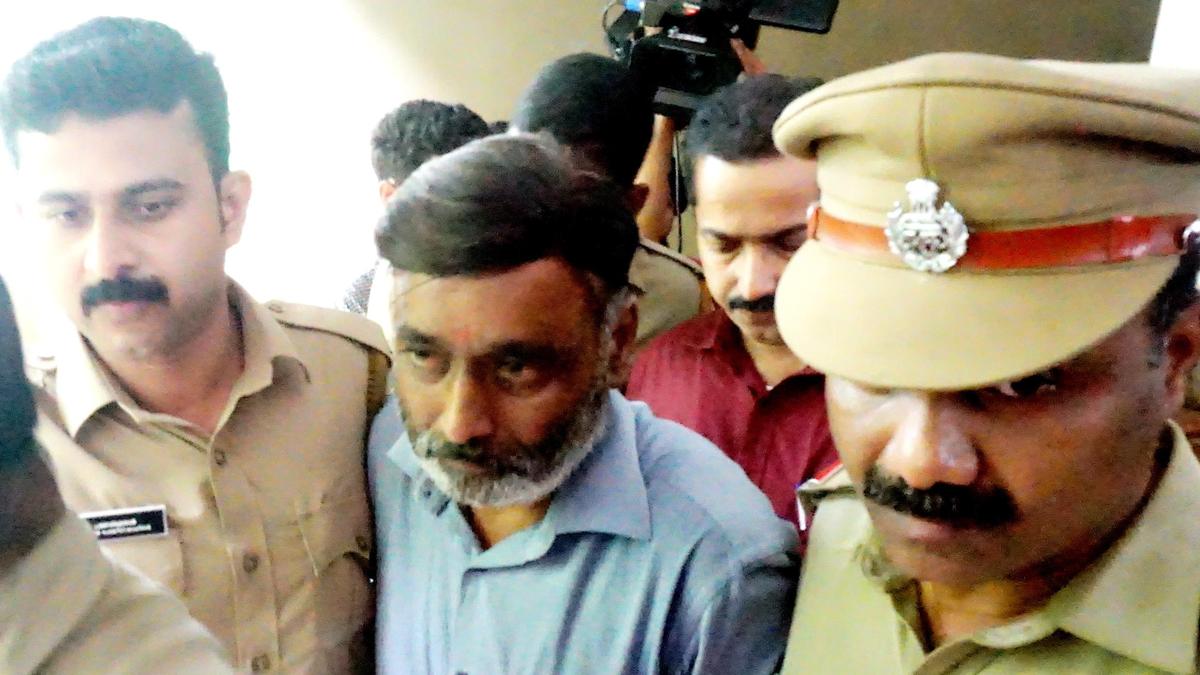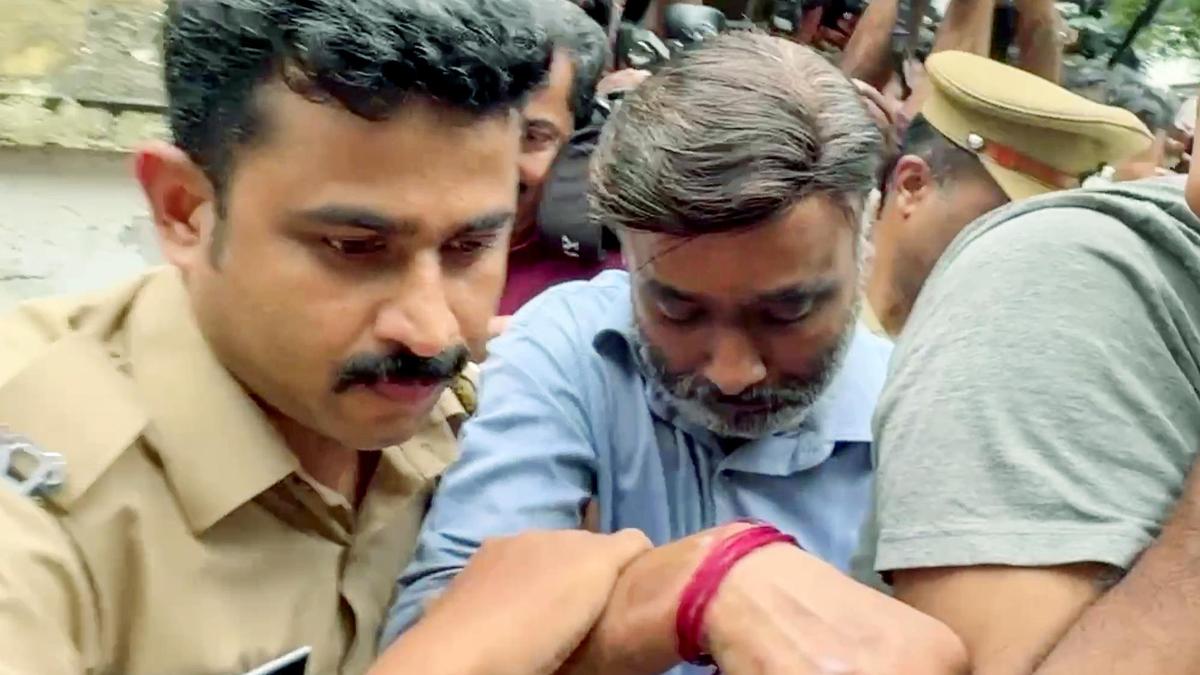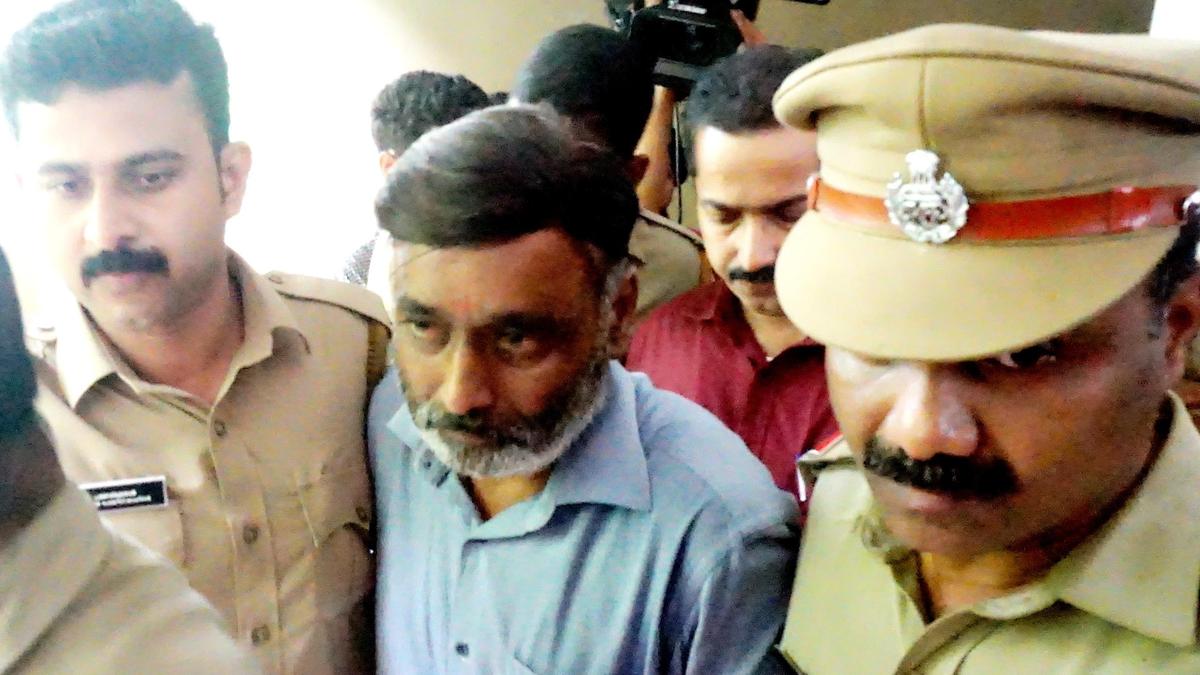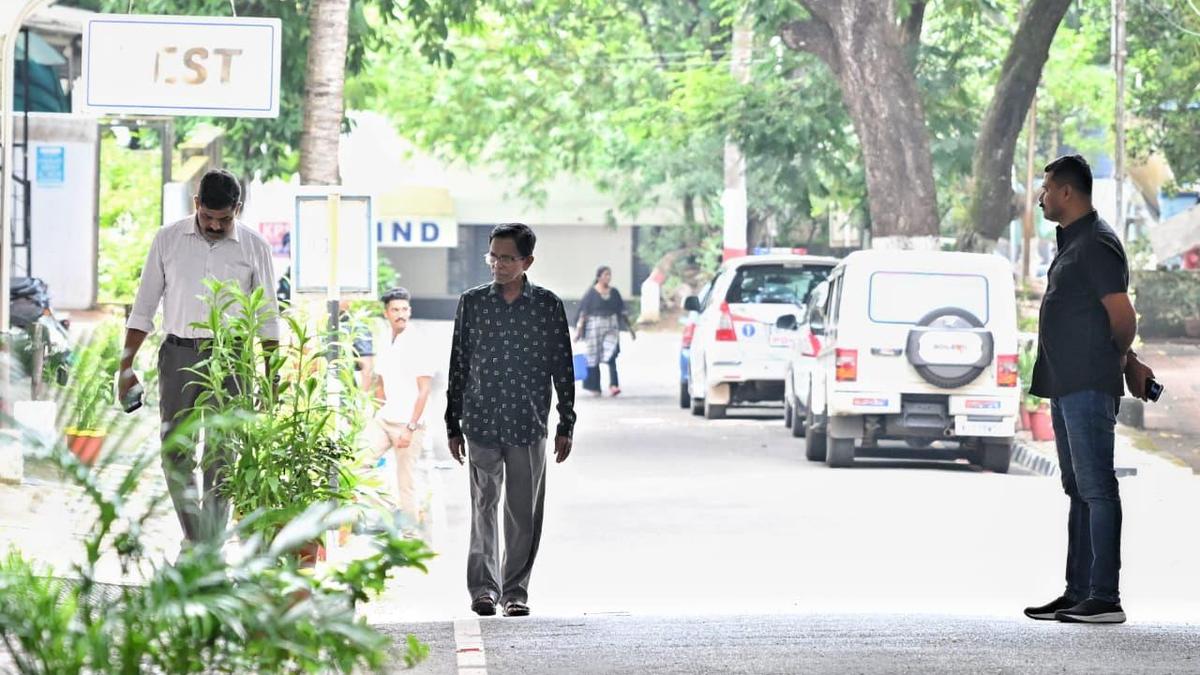
The Kerala Police have come under scathing criticism for violating the mandatory legal provisions to be followed during arrests and thus allegedly aiding the release of the accused in two high-profile cases.The latest in the series is the case of Hindutva ideologue T.G. Mohandas, who was arrested for allegedly making deragatory statements against the student protesters at Jantar Mantar and women activists.Earlier, M.K. Ram, the prime accused in the alleged suicide of R.L. Nithin Raj, a dental student of a private dental college in Kannur, was enlarged on bail after the Thalassery Principal Sessions Court found that the police did not follow the guidelines while arresting him.Mithun Gopi G.S., Additional Chief Judicial Magistrate, Thiruvananthapuram, released Mr. Mohandas on bail on Monday (August 10, 2026) after finding that the police failed to issue him a notice under the Section 35(3) of the Bharatiya Nagarik Suraksha Sanhita by stating the reasons for the arrest.The court rejected the argument of the police that Mr. Mohandas was not issued the notice due to the apprehension that he might abscond, destroy digital evidence or influence the complainant in the case.However, the materials placed before the court did not disclose any specific circumstance indicating that the accused was attempting to evade the investigation or was likely to abscond, the court held. The fact that the investigating agency was able to locate the accused at his known residential address and conduct a search there was inconsistent with such apprehension, the court pointed out.Mr. Mohandas was accused of uploading videos on his YouTube channel with the intention and preparation to breach public peace and tranquility and to incite riots among the public.He also intended to create fear and anxiety among the activists who participated in the protest at Jantar Mantar, New Delhi, thereby disrupting public peace and tranquility, the police said. He was also accused of propagating offensive content that insulted womanhood and violated the dignity of women by making statements through the YouTube channel.Conditions laid down by Supreme CourtThe Supreme Court, according to a senior judicial officer, has clearly recognised two distinct obligations on the part of the police that the arrested person should be informed of the grounds/reasons for arrest; and a relative/friend or a person nominated by the arrested person should be informed of the fact of arrest, so that they can initiate steps to secure legal assistance and the release of the arrested. The police shall also ensure that the reasons for the arrest shall be communicated in writing and in a language and manner comprehensible to the arrested person. The police shall also secure evidence for satisfying the two conditions laid down by the Supreme Court, he said.Any failure to comply with the twin provisions will lead to a situation where a person accused of any crime, including heinous offences or even picked up in Narcotic Drugs and Psychotropic Substances Act cases, securing a bail. The deliberate or otherwise failure of the police in complying with the provisions is one serious issue faced by the trial courts, he said.While Section 47 BNSS mandates ”person arrested to be informed of grounds of arrest and right to bail,” Section 48 BNSS deals with the obligation regarding information of arrest to relative/friend etc.The Supreme Court had also held that an arrested person, if he so requests, is entitled to have a friend, relative or other person interested in his welfare be informed, as soon as practicable, that he has been arrested and where he is being detained. The police officer should inform the arrested person of this right, and the Magistrate should satisfy himself that the requirement has been complied with, he pointed out.The court reiterated that the grounds of arrest should be communicated to the arrested person, and that merely informing a relative about the arrest does not discharge the constitutional obligation towards the arrested person, he said.M. Manoj, the Principal Sessions Judge, Thalassery, had released Dr. Ram in the alleged suicide case with an instruction that the police may rearrest him by following the guidelines.High Court flays Dy.SPThe Kerala High Court had come down heavily on the Deputy Superintendent of Police (Dy.SP) who had arrested Dr. Ram without following the guidelines. The court had also sought information on the legal and departmental actions initiated against the erring police officer.The controversial statements, the arrest and the subsequent release of Mr. Mohandas have also evolved into a political issue in the State with the BJP activists protesting against the manner in which he was arrested. A section of the political leaders of the State government was also critical of the manner in which the police handled the case.
Kerala Police face flak for violating Supreme Court orders and law to be followed while arresting Dr. Ram, T.G. Mohandas
Kerala Police criticized for breaching Supreme Court arrest guidelines in high-profile cases involving Dr. Ram and T.G. Mohandas.
772 words~4 min read