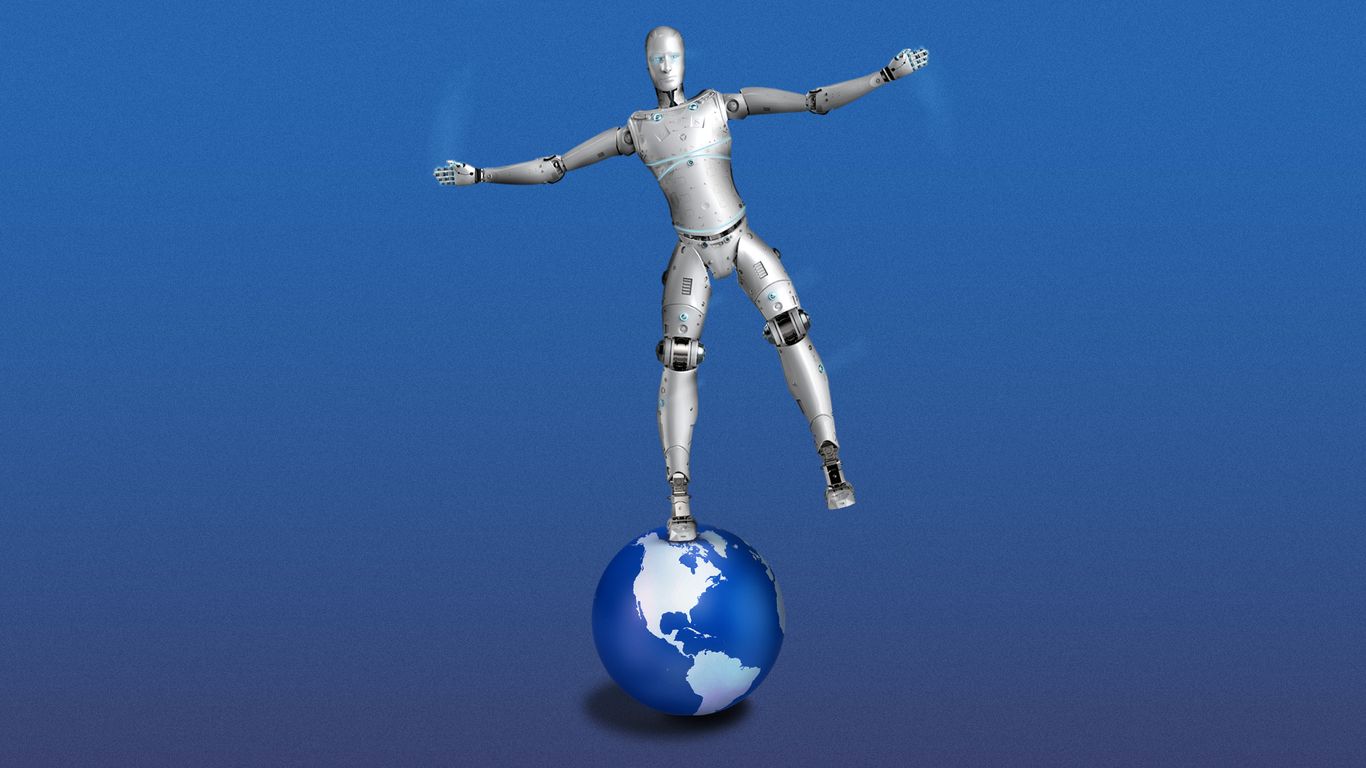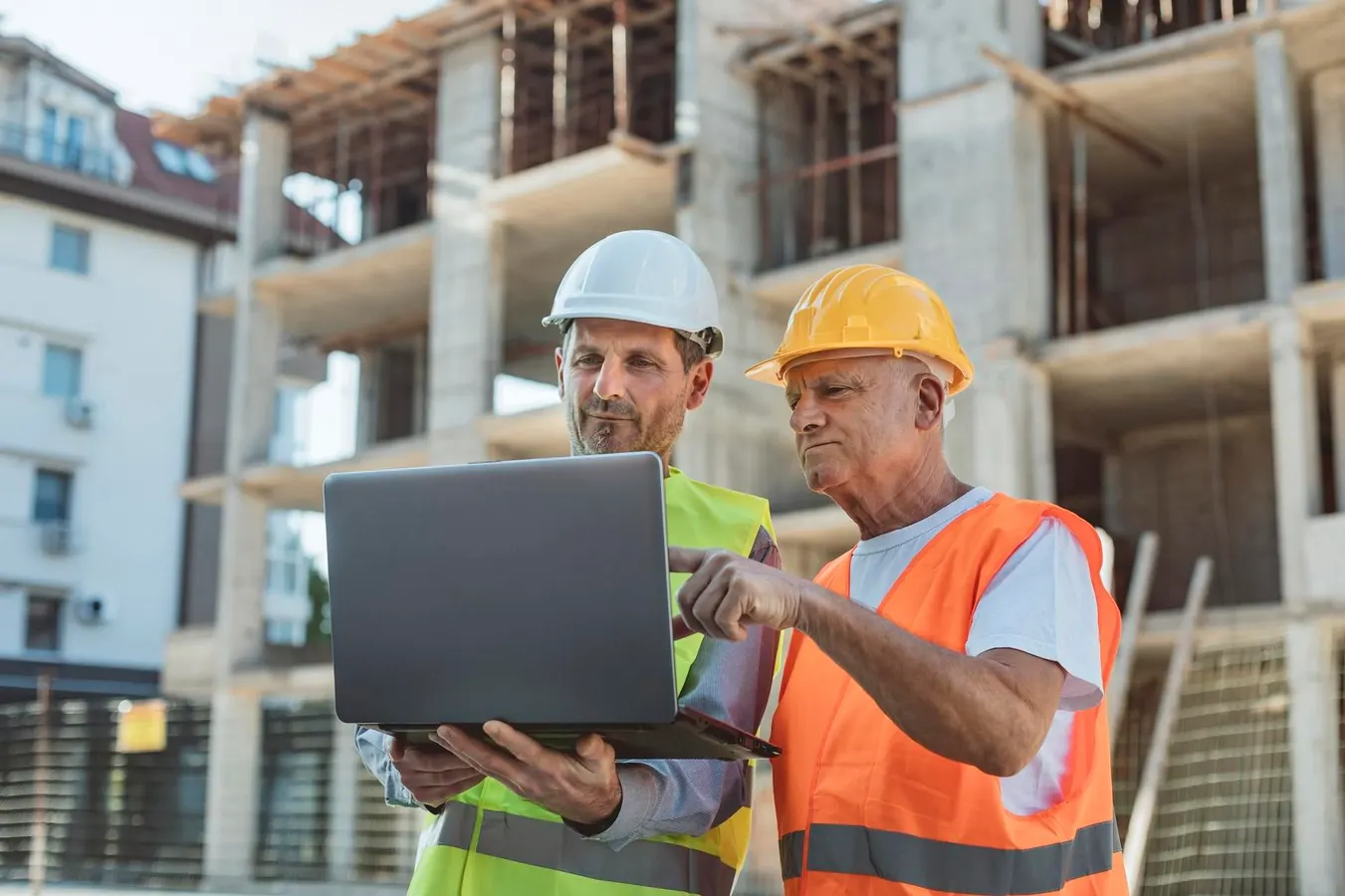
Jeevan Kalanithi is co-founder and CEO of OpenSpace, a Visual Intelligence Platform helping builders turn site reality into action.gettyMuch of today's AI conversation revolves around language. Large language models have fundamentally changed how we search for information, write software and interact with computers. It's been an extraordinary leap forward.But I don't think that's where AI’s biggest opportunity lies.We've spent decades digitizing plans, schedules and documents. Now we're beginning to digitize reality itself. For years, we've built digital representations of what we intended to do. We're now building digital representations of what actually exists.That may sound like a subtle distinction, but I believe it's one of the biggest shifts happening in AI today.Most of the world's economic activity doesn't happen inside documents or chat windows. It happens in the physical world—in factories, warehouses, ports, hospitals, construction sites and transportation networks. If AI is going to create value across those industries, it has to understand more than language. It has to understand the current state of the physical world.That starts with reality data: a continuously updated digital record of the physical world in real time. Unlike documents, which describe what should happen, reality data captures what is happening. It can come from 360-degree cameras, drones, mobile devices, robots and other sensors that document changing environments over time. Combined with advances in computer vision and spatial AI, those observations become structured, measurable information that AI can reason about.The difference is easier to understand with a simple example.Imagine asking AI whether a construction project is on schedule. A language model can summarize the project schedule, meeting notes and progress reports. But what if those reports are out of date? Or optimistic? Or incomplete?Reality-based AI approaches the question differently. It compares what has been built against what was planned. It measures physical progress, identifies discrepancies and gives teams an objective understanding of what's happening on-site.That's a fundamentally different capability.I think we're beginning to enter the era of what many people call physical AI: AI systems that don't just understand information, but can perceive and reason about the physical world.To understand where this is headed, it's worth looking at manufacturing. Manufacturing dramatically improved productivity when it closed the loop between planning and execution. Every product moving down an assembly line could be measured, inspected and compared against quality standards. That feedback didn't just improve visibility—it created a continuous learning system where every observation helped improve future performance.Construction has historically operated very differently. We've always had sophisticated plans, BIM models and schedules describing what was supposed to happen. But understanding what actually happened depended on people walking the site, taking notes, comparing drawings, documenting progress and manually reconciling countless sources of information.In many ways, construction has been an open-loop industry. But that's beginning to change.As reality data becomes easier to capture and AI becomes better at interpreting it, we are finally creating the feedback loop the industry has been missing. Instead of relying solely on manual reporting, teams can continuously compare plans with reality, quantify progress, verify completed work and identify issues earlier.Closing that loop changes far more than documentation. It creates the trusted, measurable feedback AI needs to understand the true state of a project, not just what was planned. Once AI can reliably understand the physical state of a project, the questions become much more interesting and about improving real-world performance: • Where is work beginning to fall behind?• Which construction methods consistently outperform others?• What early patterns lead to costly rework?• What decisions today are most likely to improve tomorrow's outcome?Those aren't questions about generating content. They're questions about improving real-world performance.Construction is only one example. Every industry that depends on understanding changing physical environments stands to benefit from the same shift.Manufacturing, logistics, energy, infrastructure, agriculture and healthcare all depend on understanding physical environments that change continuously. As AI becomes capable of interpreting those environments, we'll move beyond systems that simply organize information to systems that help us understand and improve the world around us.The first wave of AI taught machines to understand language. The next wave is already teaching them to understand reality. Because ultimately, the future of AI isn't just about generating better answers. It's about helping us make better decisions in the real world.Forbes Technology Council is an invitation-only community for world-class CIOs, CTOs and technology executives. Do I qualify?
AI Has Learned Language. Now It's Learning Reality
Once AI can reliably understand the physical state of a project, the questions become much more interesting and about improving real-world performance.
719 words~3 min read