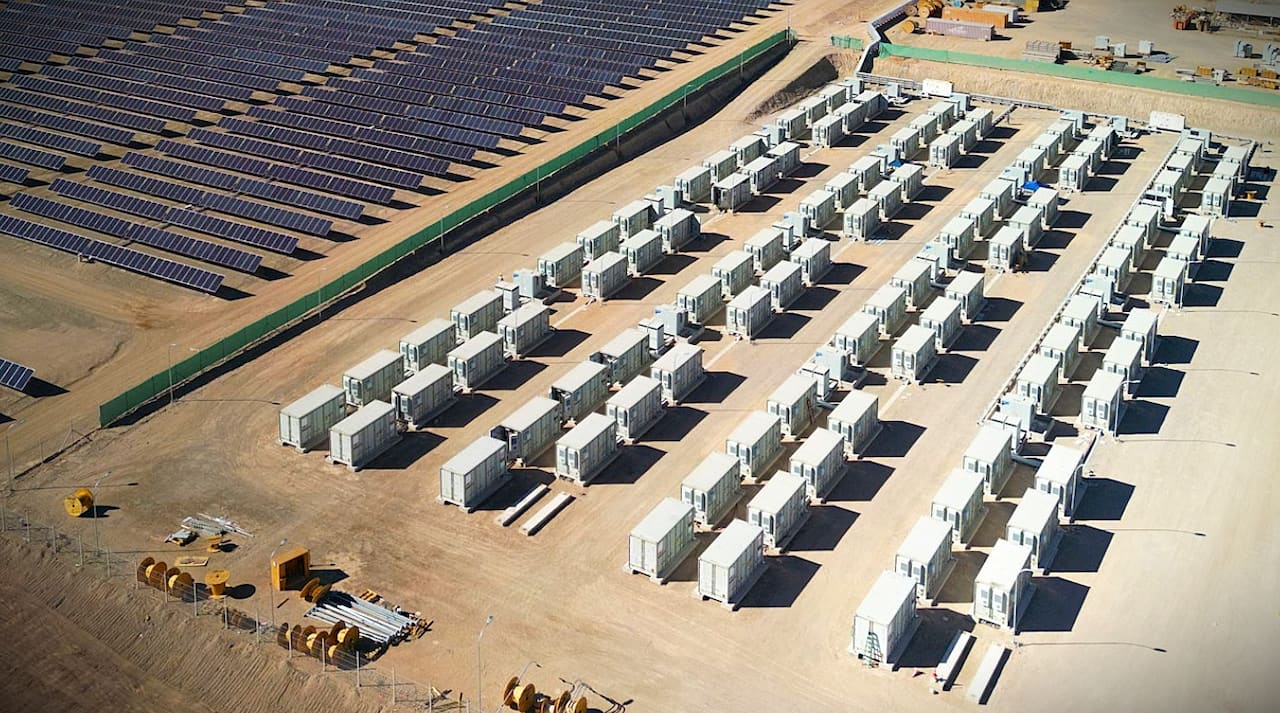
Europe’s energy storage market is becoming increasingly segmented, with residential, C&I, and utility-scale growth following distinct country-level policy, economic, and market dynamics. For manufacturers, success increasingly depends on combining market intelligence, downstream partnerships, brand trust, and technological innovation to identify priorities and capture growth through 2027–2028.
The recent approval by the German Federal Cabinet to abolish feed-in tariffs for newly installed photovoltaic systems up to 25 kW from 1 January 2027 marks another significant shift in Europe’s distributed energy landscape. The reform follows the already confirmed phase-out of net metering in the Netherlands from the same date, further strengthening the economic case for behind-the-meter energy storage. Combined with expanding opportunities from dynamic electricity tariffs and revenue stacking strategies, these policy developments are increasingly encouraging consumers and businesses to maximize on-site energy utilization rather than export excess generation to the grid (for further insights on revenue stacking opportunities, see our previous analysis here). At the same time, these developments add to the renewed focus on energy resilience and security across Europe following recent geopolitical tensions (read our previous analysis here). Together, these structural market shifts are accelerating storage adoption across residential, commercial & industrial (C&I), and utility-scale segments, creating a market that is becoming increasingly dynamic, segmented, and strategically important for manufacturers.