"Journalists remain defenseless even on the battlefields." This statement by Judiciary Chief Gholamhossein Mohseni-Ejei, issued two days after National Reporter's Day, appeared across state news agencies just as reports reached IranWire regarding new summonses issued to journalists who publicly opposed execution sentences and used the hashtag #NoToExecution on social media. How did Reporter's Day unfold in Iran this year?
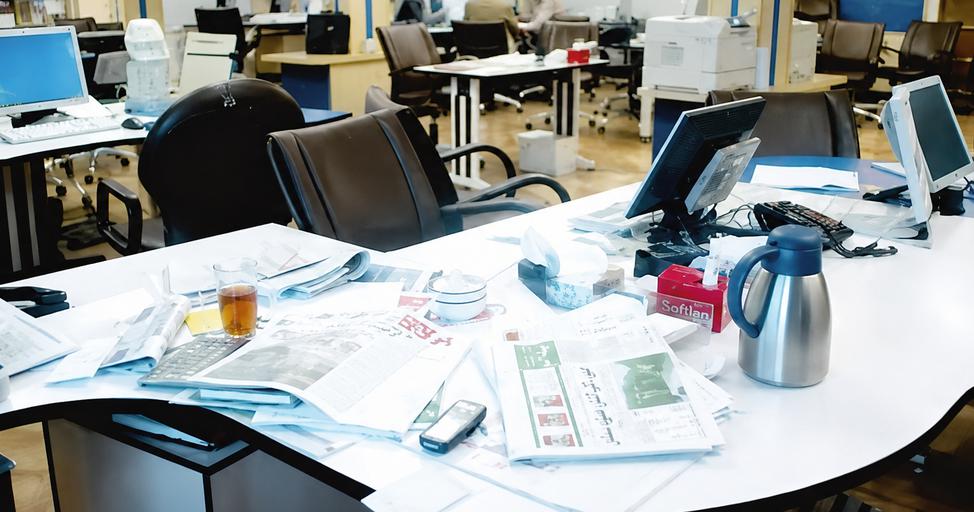
Much like the previous year, Reporter's Day was overshadowed by the dust of conflict, yet the state's functional view of journalists remained unchanged - praising them as "fighters on the narrative front." Various officials, including executives from state banks and insurance firms, offered routine tributes even as journalists nationwide grappled with unemployment, censorship, arrests, interrogations, and severe economic distress. On August 8 (17 Mordad), a date many journalists refuse to acknowledge as their own, senior authorities designated reporters as "weapons in the war of narratives," precisely as the Tehran Journalists Guild Association reported the firing of over 100 journalists over the past year.
Alongside uniform statements from officials framing journalism as an instrument of "national cohesion," faint admissions emerged from within state circles regarding a "crisis of representation" and an "audience exodus." However, these muted critiques failed to alter the regime's core framework. When the head of the judiciary equates reporting to military operations, it effectively shuts down room for criticism. In an environment where the state demands pen-wielding soldiers, Iranian journalists offered little collective commentary beyond publishing modest statistics regarding their deteriorating conditions. Amid this silence, photojournalist Yalda Moaiery was handed a 15-year prison sentence - a stark reminder of the costs associated with independent reporting.