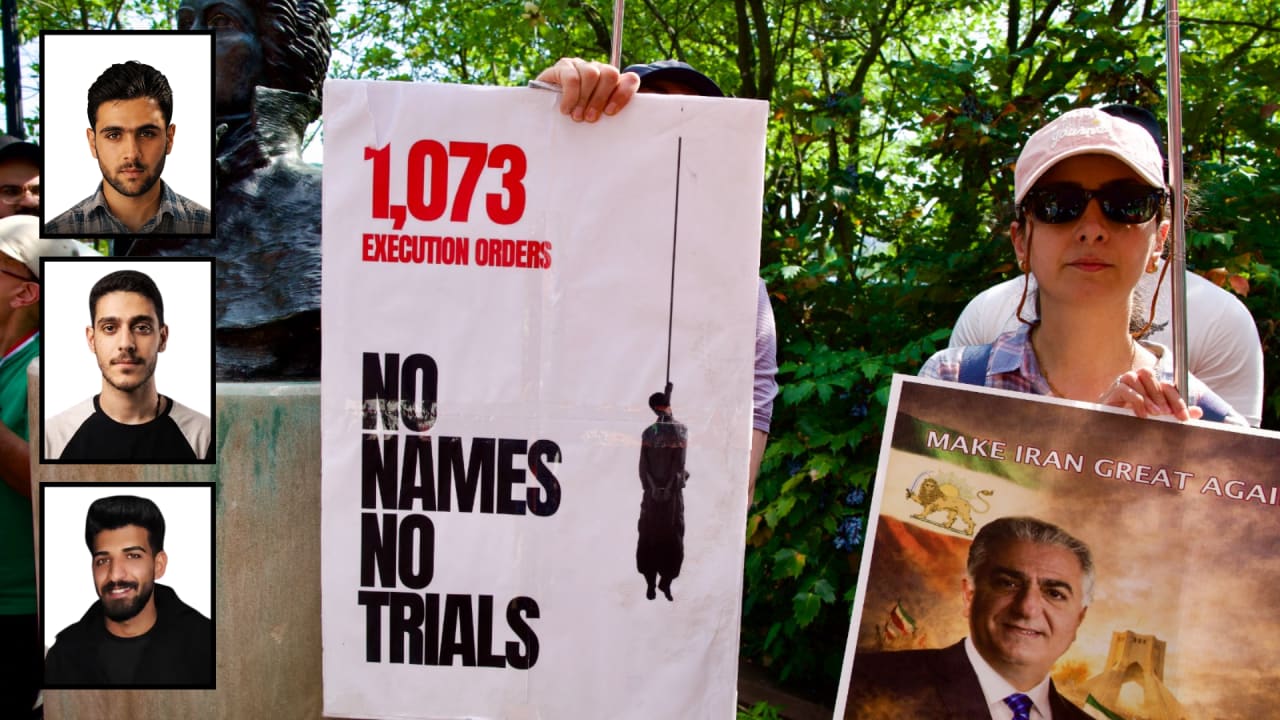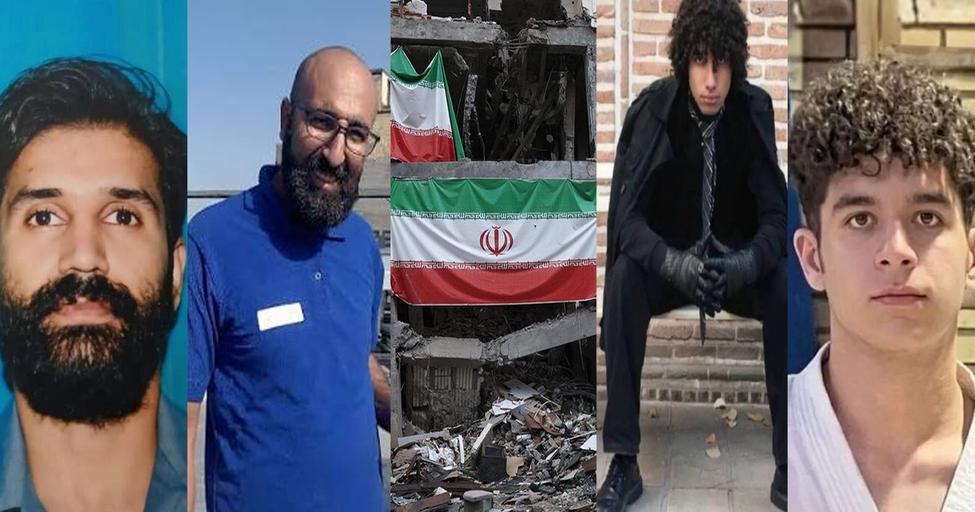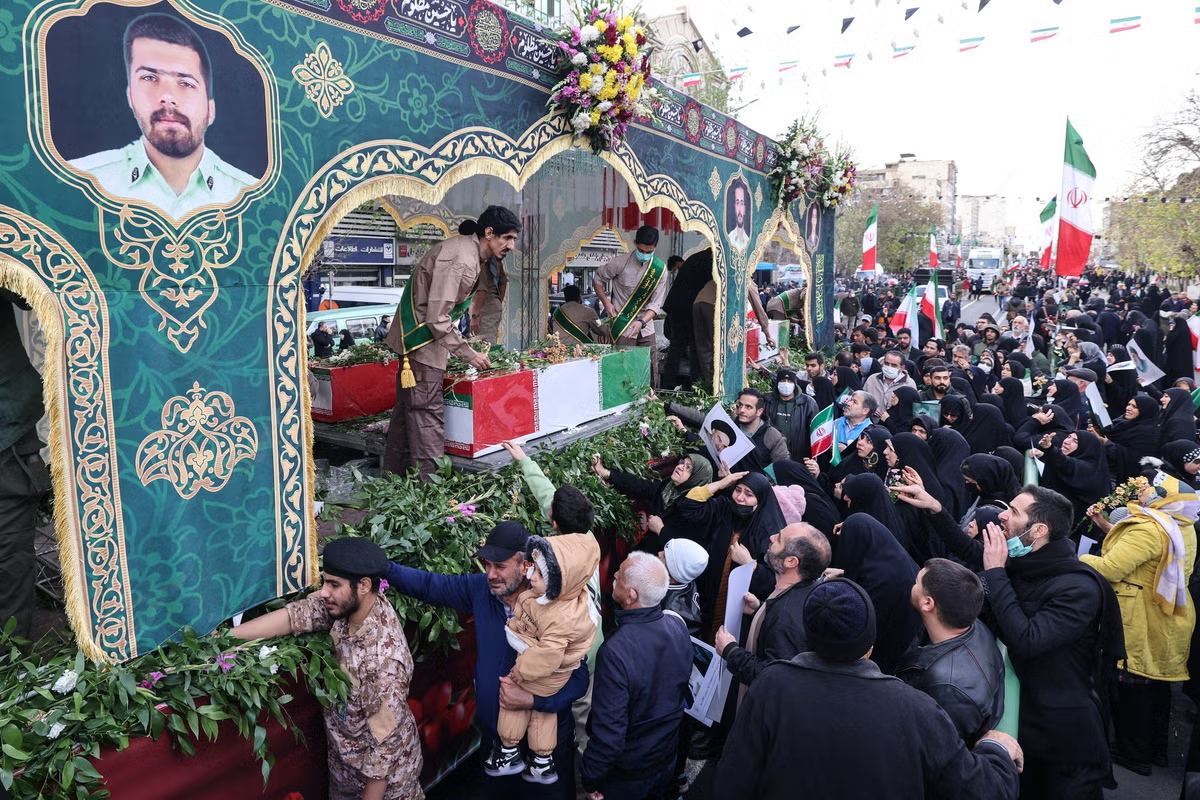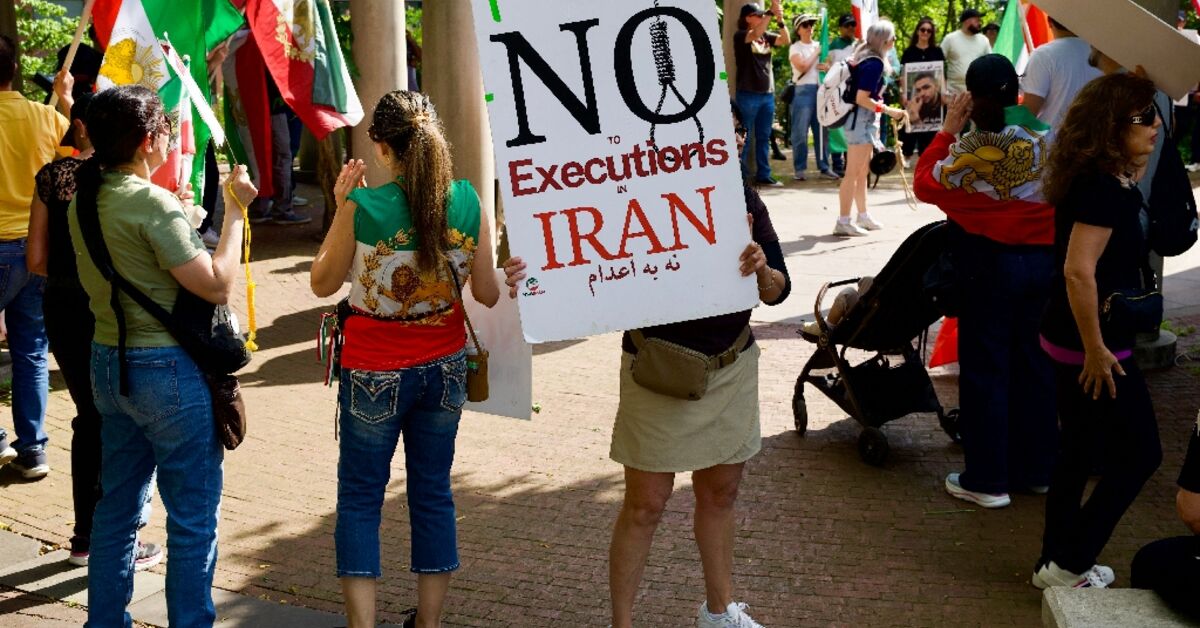
From February 28 to the time of this report, at least 12 people on espionage charges, 26 detainees from the January 2026 protests, two protesters from the "Woman, Life, Freedom" movement, and 13 political prisoners affiliated with opposition groups have been executed in Iran. The most recent cases were Omid Behzad and Pourya Safvat, two protesters accused of "espionage and intelligence cooperation with the Zionist regime," whose sentences were carried out at an undisclosed location.
Following the executions of these two little-known young men, the judiciary released a video of their forced confessions.
In an interview with IranWire, Maryam Mirza, a journalist and women's rights activist whose work focuses on documenting the stories of political prisoners executed following the January protests, examines the process behind issuing and carrying out these death sentences.
As a journalist, Mirza strives to tell the stories of those whose lives were cut short - individuals whom the judiciary, through the intimidation of their families, has sought to reduce to mere "names" and "numbers." She highlights their hopes, their struggles, and the brief court sessions that led to their executions.
Writing about the fate of the forcibly disappeared, about individuals whose names were never heard until after their executions, about state-sanctioned killings where bodies are withheld from families, and about young people tortured into "confessing" so those very statements can be used to justify their death sentences, is a daunting task.