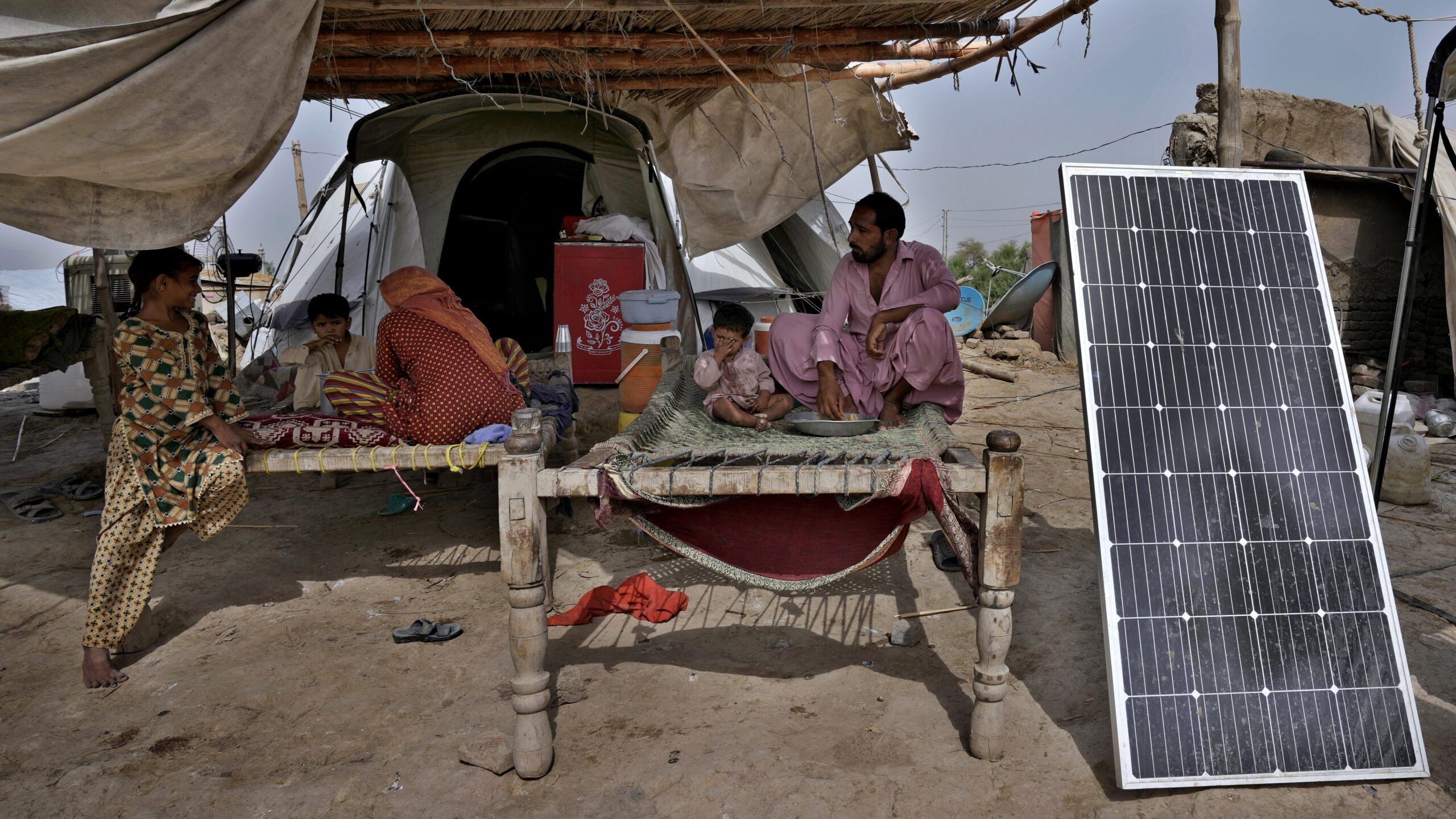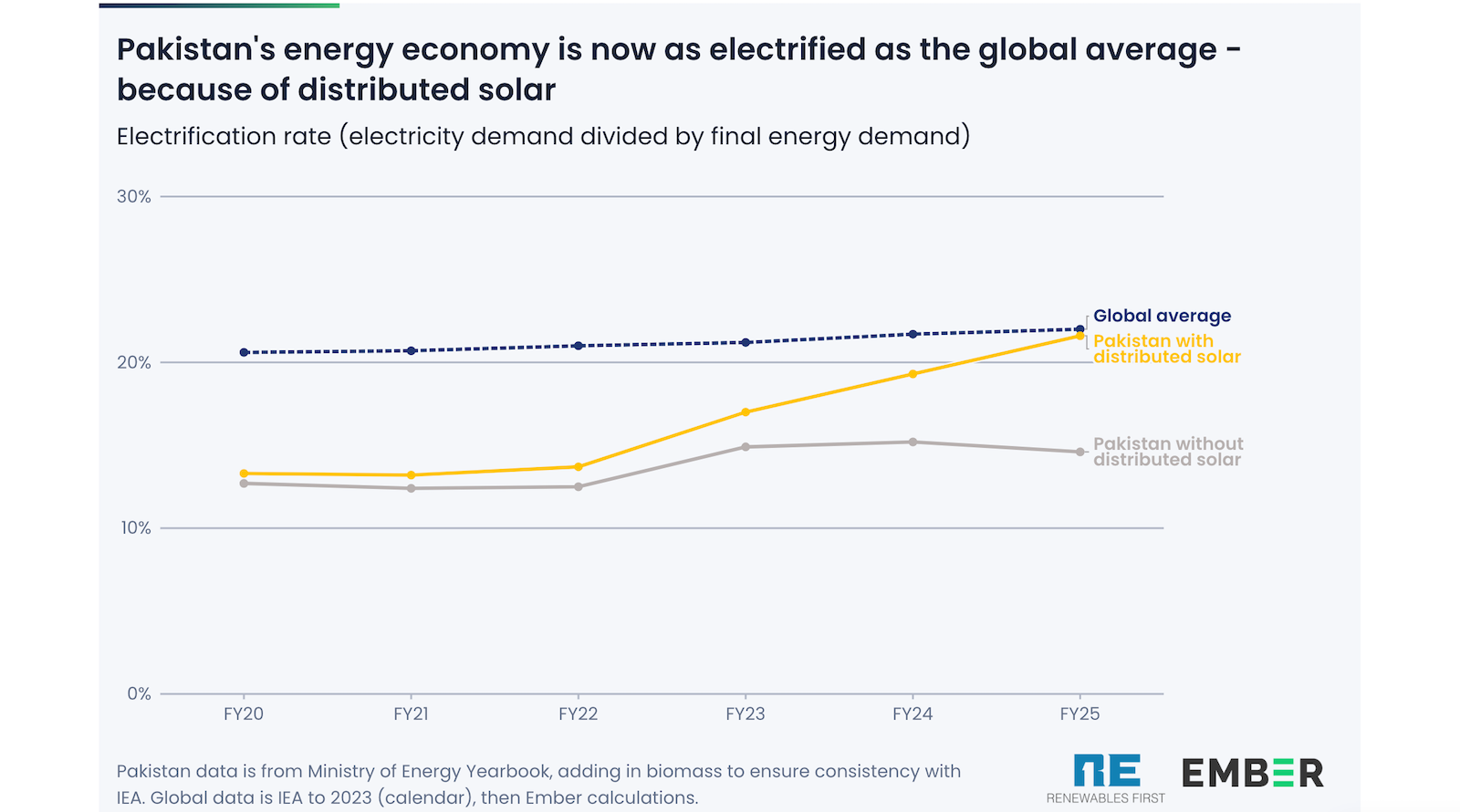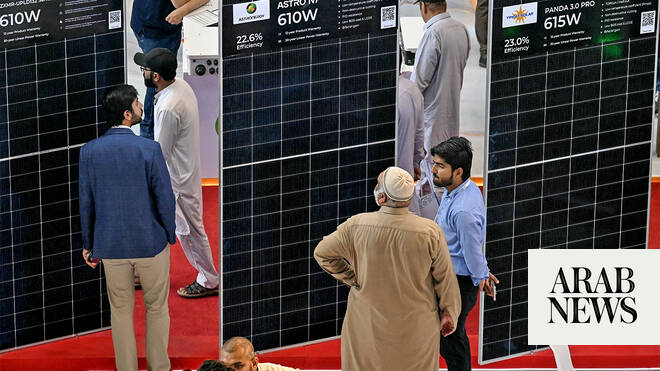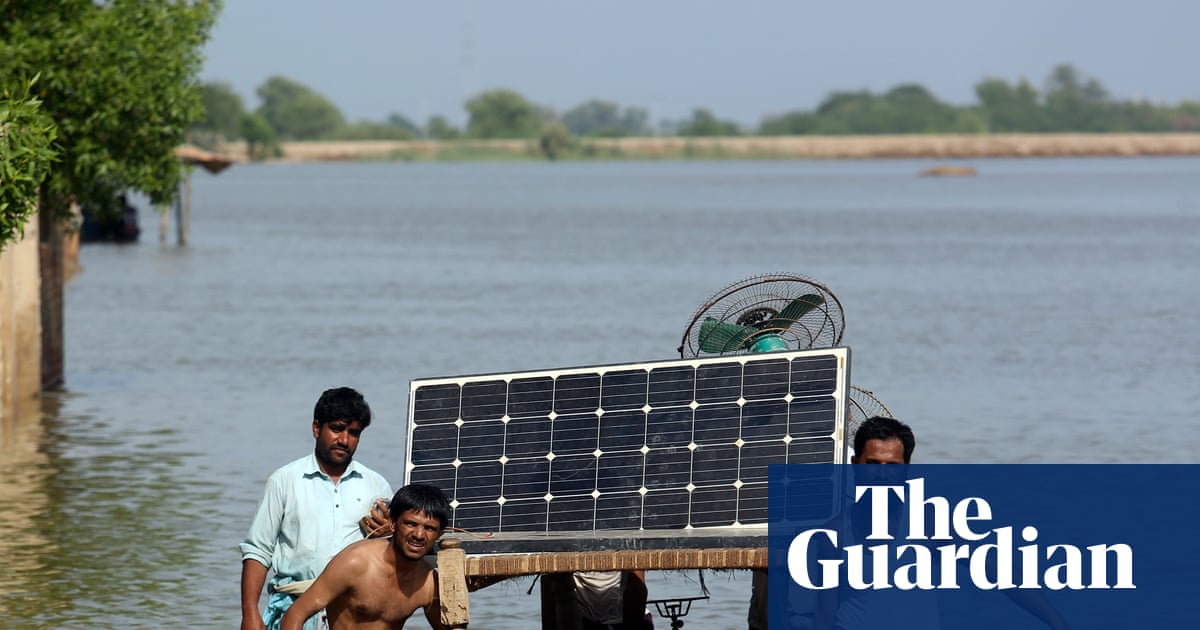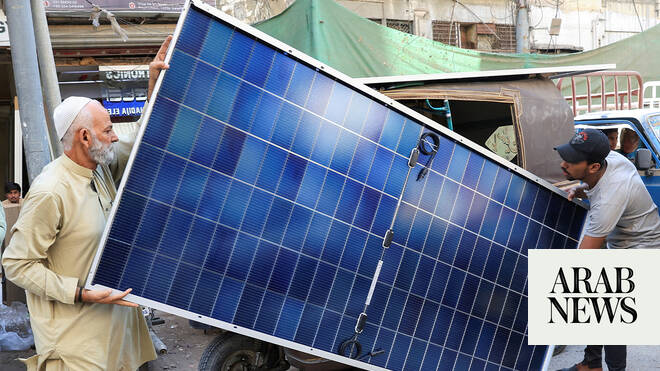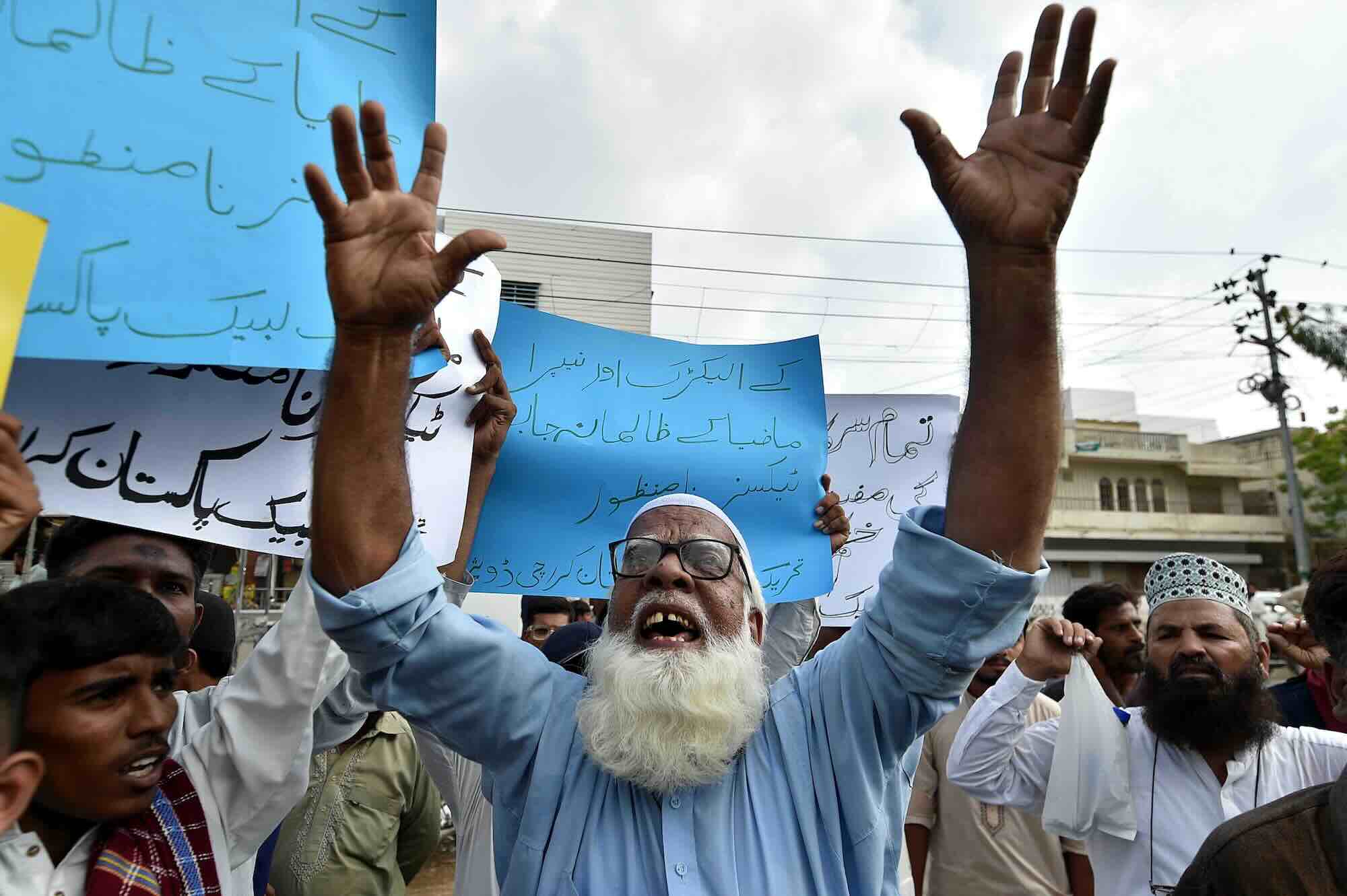
You might have listened to a podcast or read an article about Pakistan’s solar rush. Seeing it on the ground and on rooftops and being able to speak with experts in Pakistan gave me a fuller picture of how a country with 250 million people and a GDP per capita of about $A2,300 a year is embracing solar.
The first thing that energy adviser Syed Faizan Ali Shah wanted to make clear was that the solar boom did not come out of nowhere.
In Punjab, where load-shedding was rampant and schools could become too hot to operate safely, the government rolled out solar across thousands of public schools.
This was associated with mass training of solar installers and the creation of a trade that didn’t exist previously. It meant kids could go to school and the fans, lights and other essential equipment could keep running even when the grid supply failed. (See here for ADB’s account of the Punjab Ujala (enlightening) solarisation project).
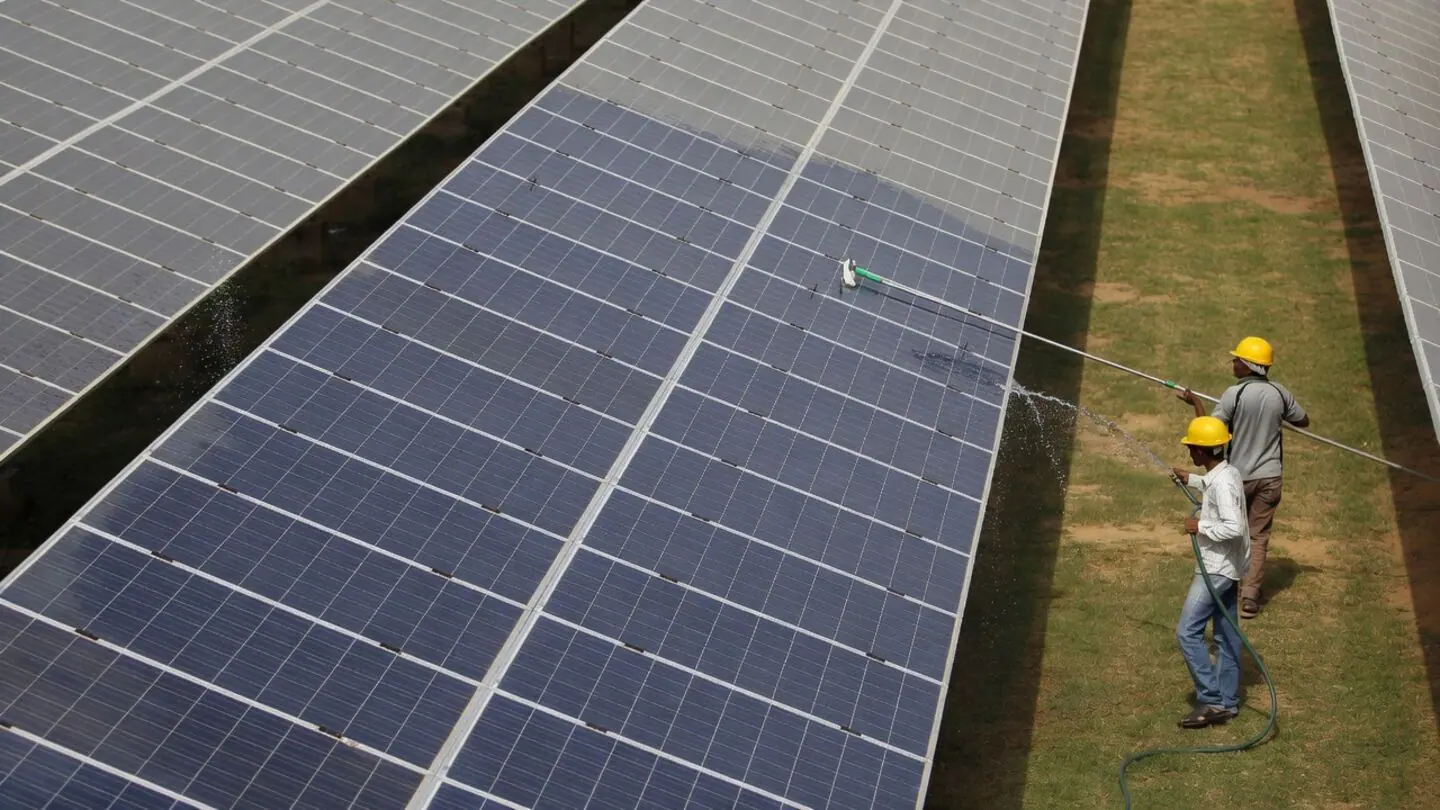
Prior to this, in 2015–16, the Quaid-e-Azam Solar Park in Bahawalpur brought online four 100 megawatt (MW) utility-scale solar projects in Punjab. It was developed under the provincial government led by then chief minister Shehbaz Sharif, now Pakistan’s Prime Minister.