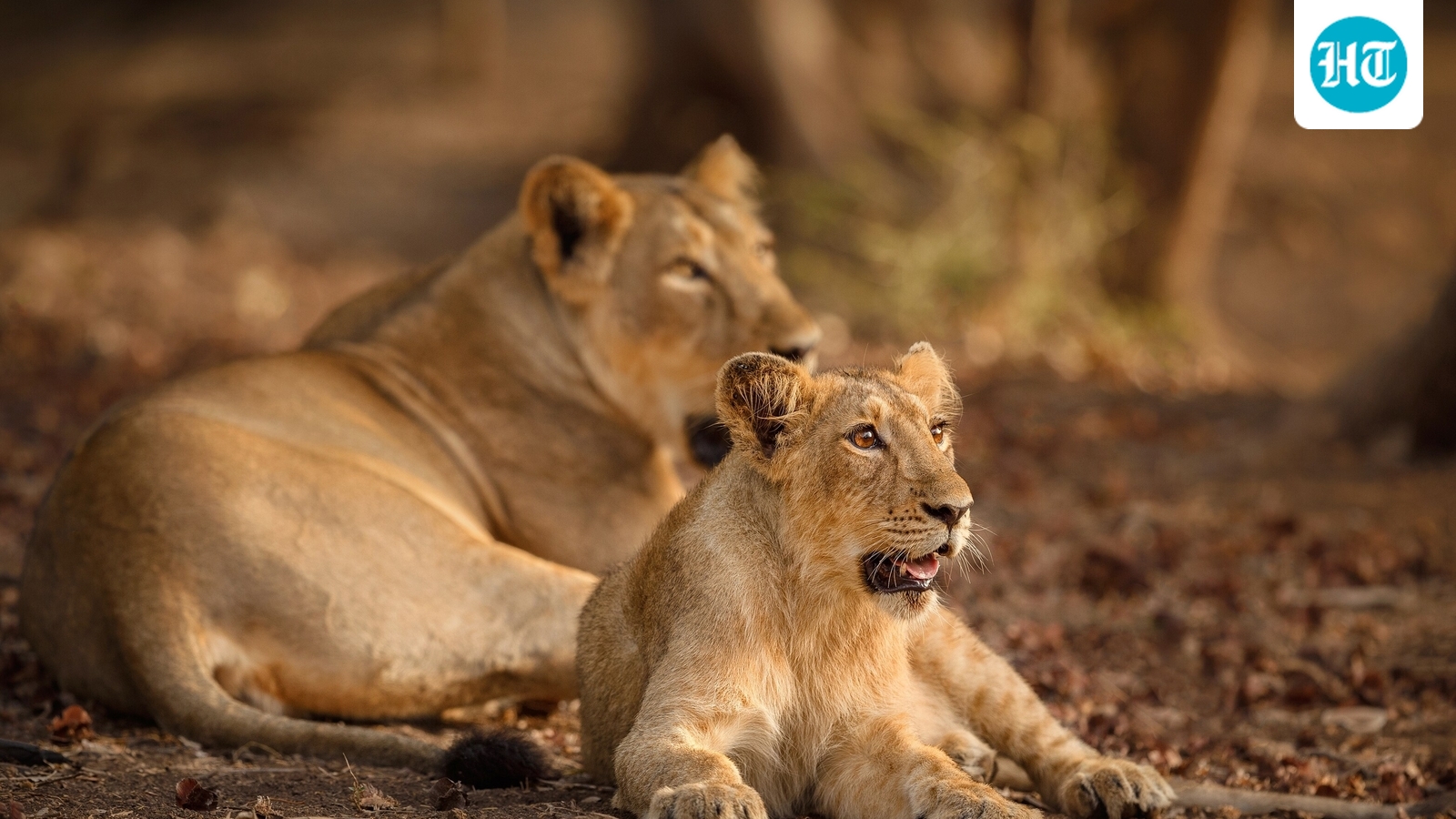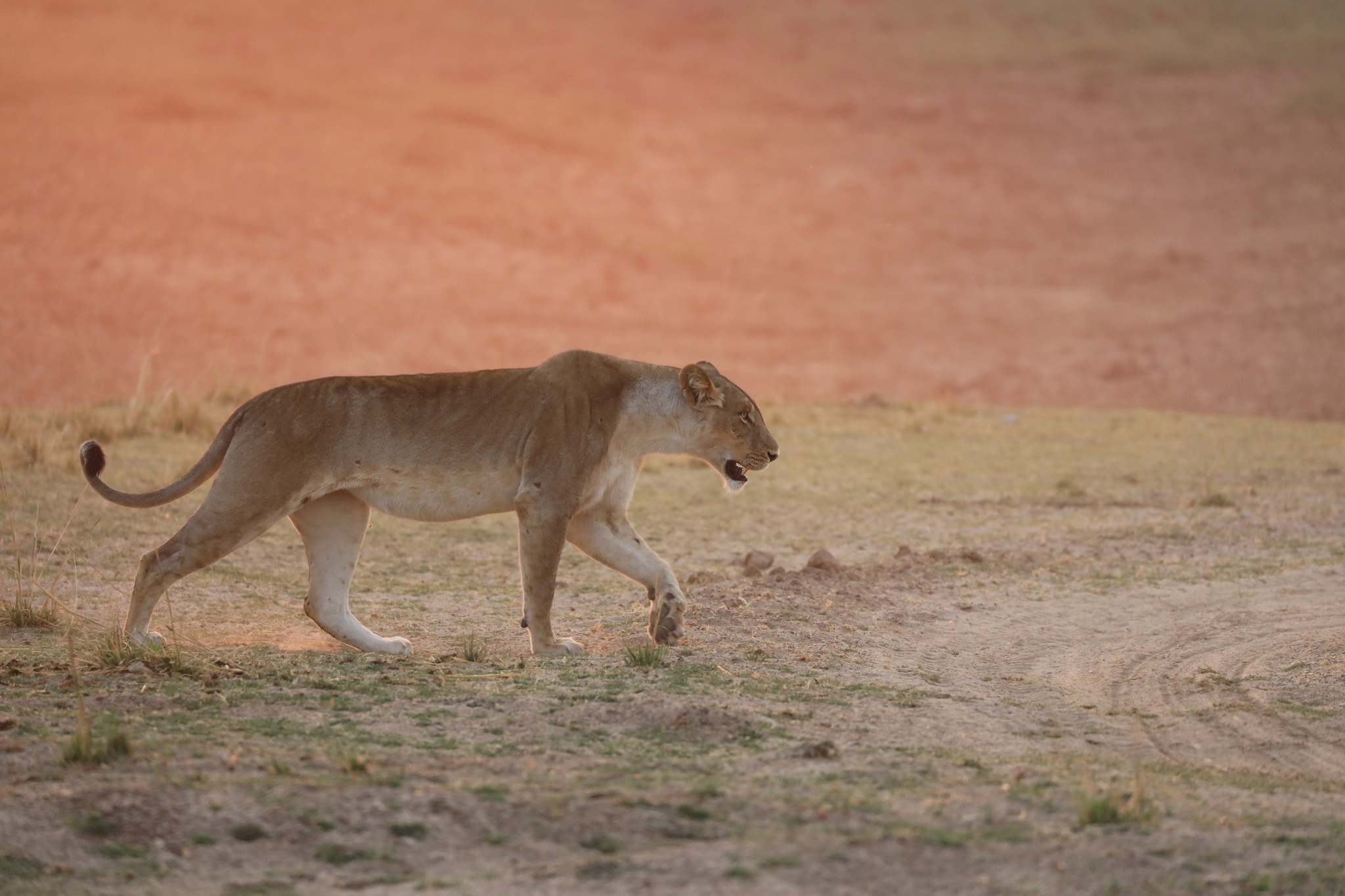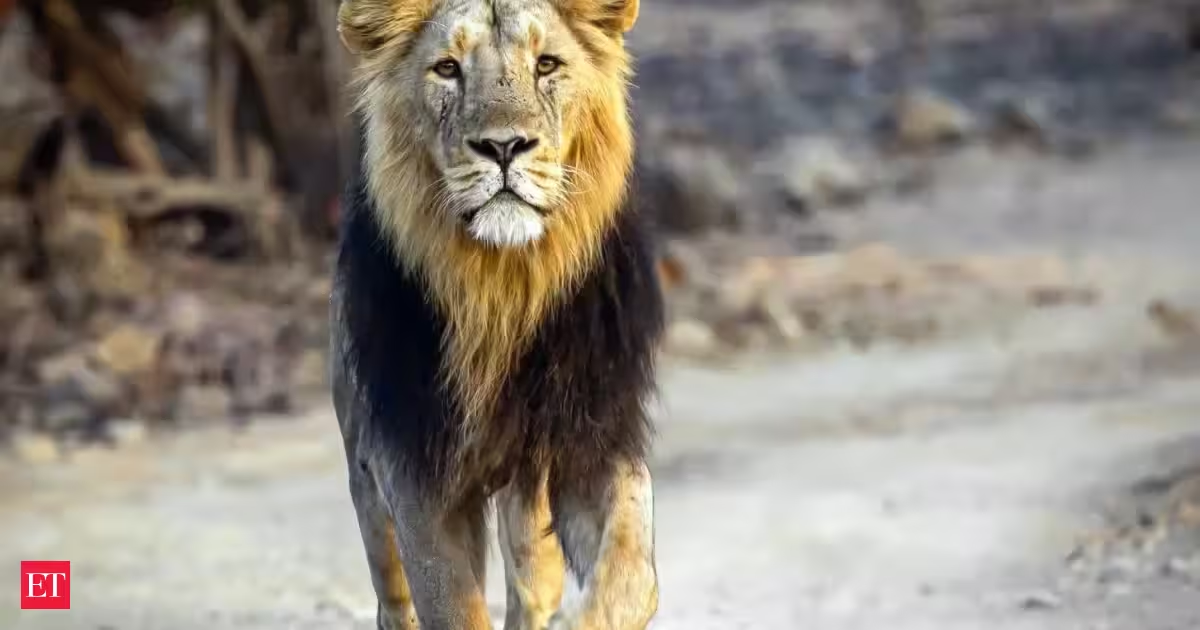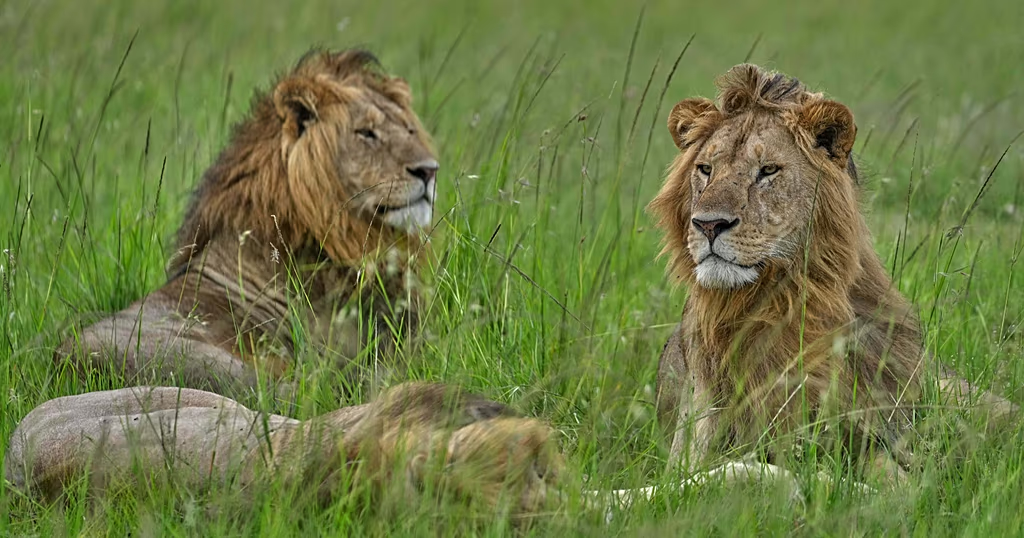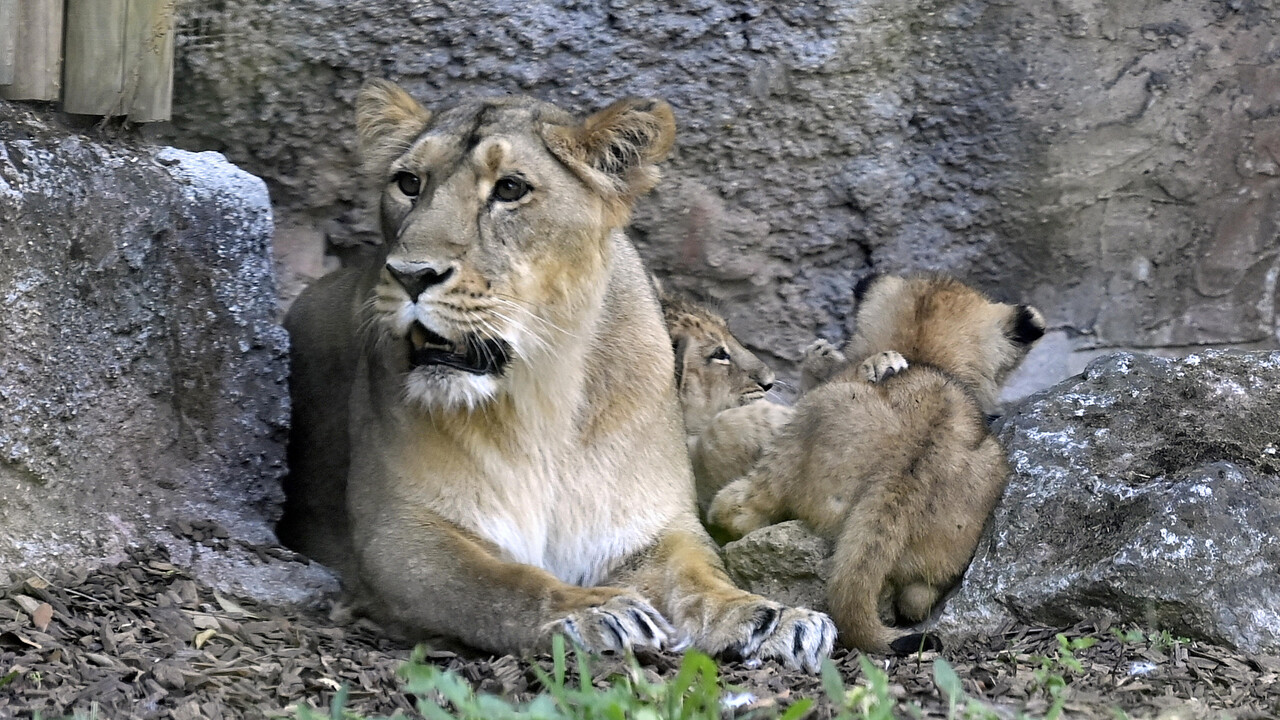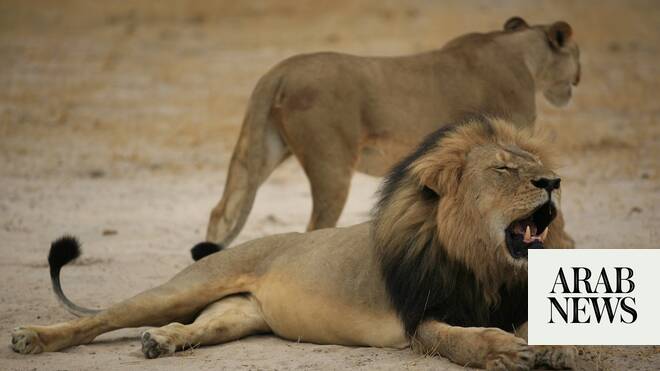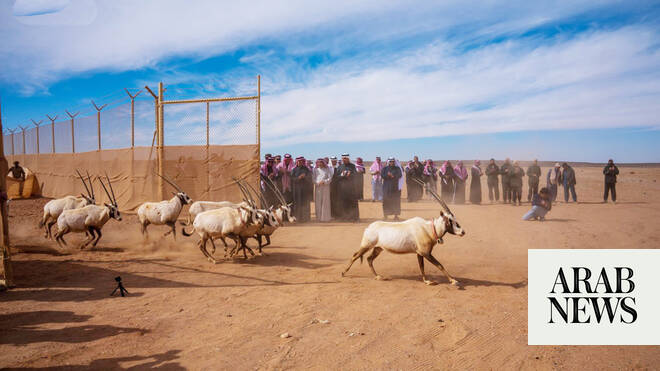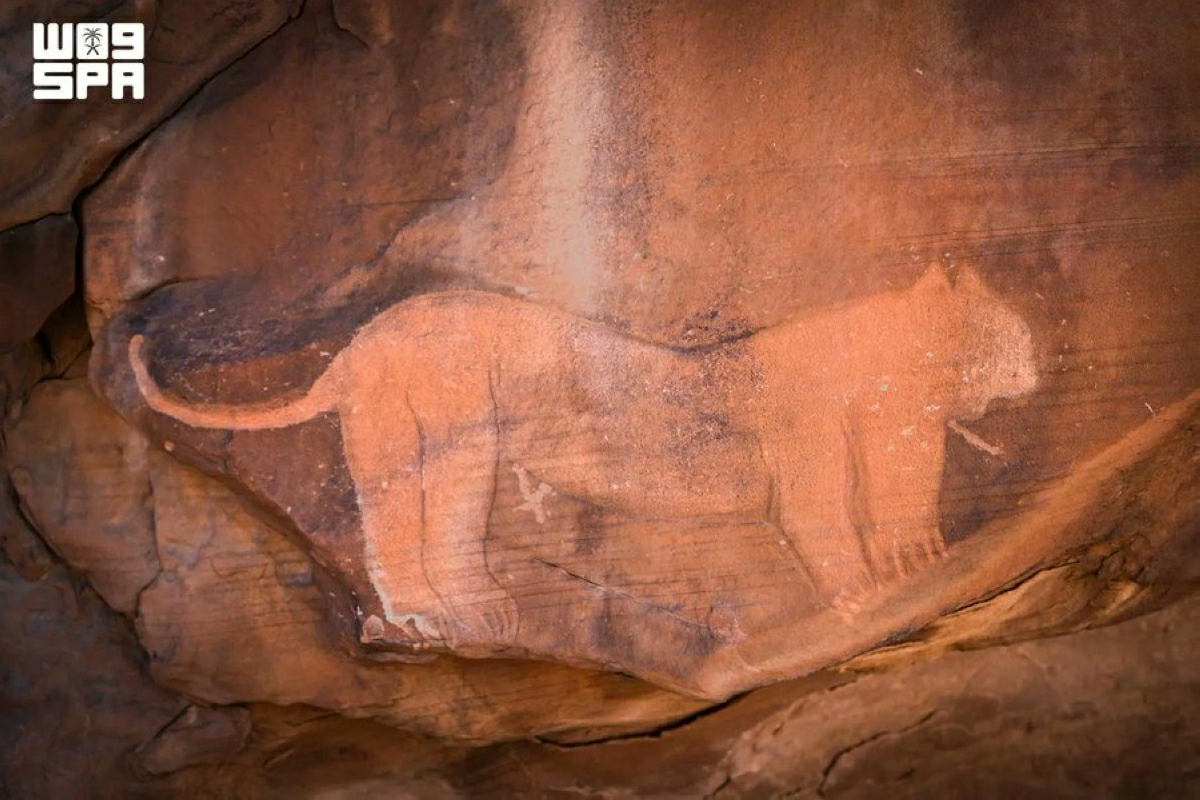
TABUK — Coinciding with World Lion Day on August 10, the Prince Mohammed bin Salman Royal Reserve reaffirmed its commitment to reintroducing the endangered Asiatic lion (Panthera leo leo), one of 23 species historically confirmed to have inhabited the reserve.Across its 24,500-square-kilometer area, the reserve is restoring ecosystems and building a sustainable food web capable of supporting the eventual return of the apex predator to its historic habitat.Around 12,000 years ago, during the “Green Arabia” period, a fertile habitat corridor stretched from Africa across the Arabian Peninsula, supporting large populations of herbivores and predators, including lions.
By the late 19th century, however, overhunting and the spread of modern firearms had contributed to the disappearance of the last lion populations from the Arabian Peninsula.The Asiatic lion is classified as endangered by the International Union for Conservation of Nature (IUCN), with an estimated 1,100–1,300 remaining in the wild globally.Reserve CEO Andrew Zaloumis said the lion was “once part of the ancient landscape of the Prince Mohammed bin Salman Royal Reserve.”He explained that restoring an apex predator “of this scale is a generational journey, not an event tied to a specific date.”“Today, we are building the ecological foundations needed to make its return to its historic habitat possible in the future,” Zaloumis said.