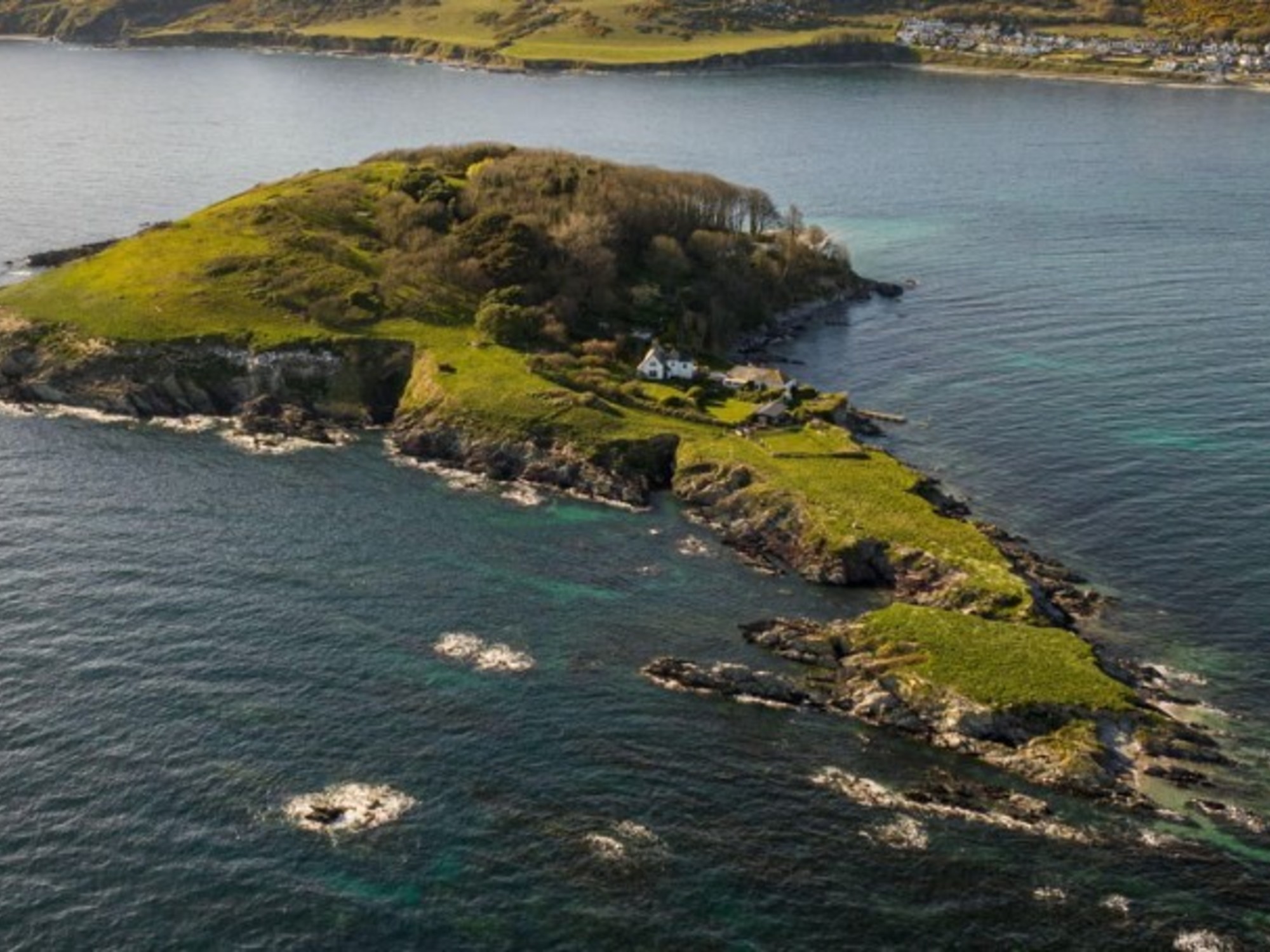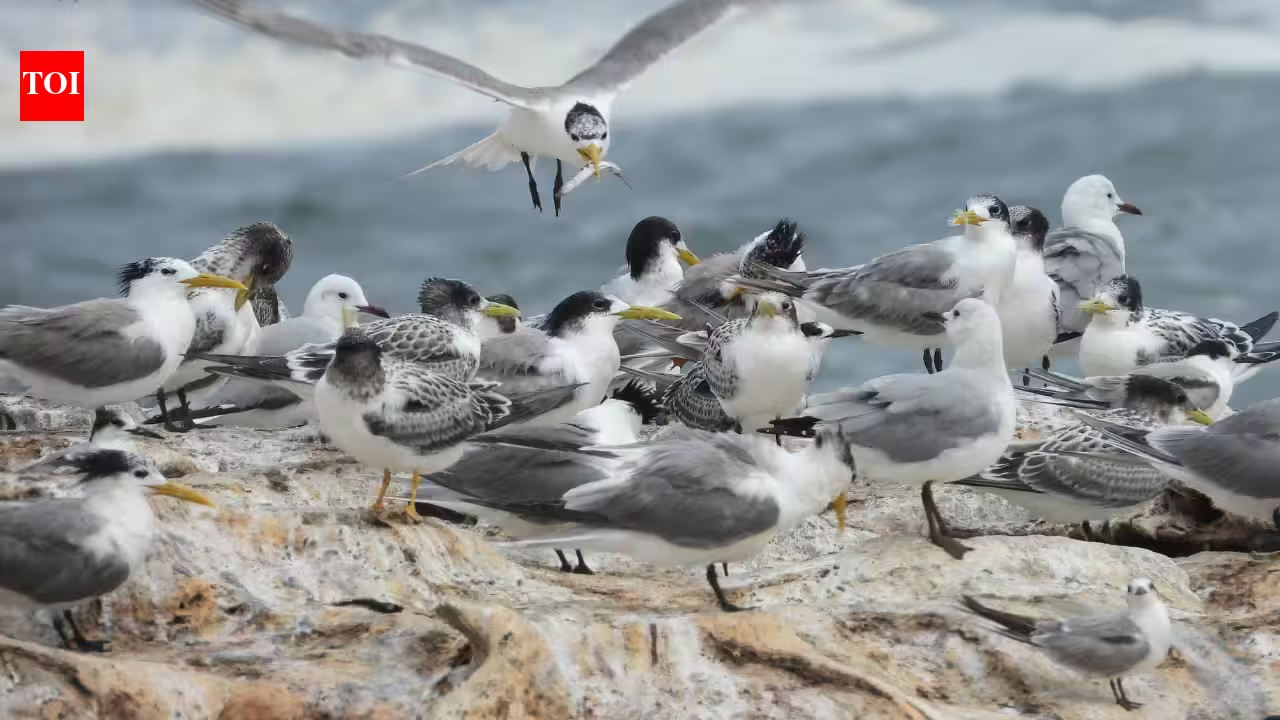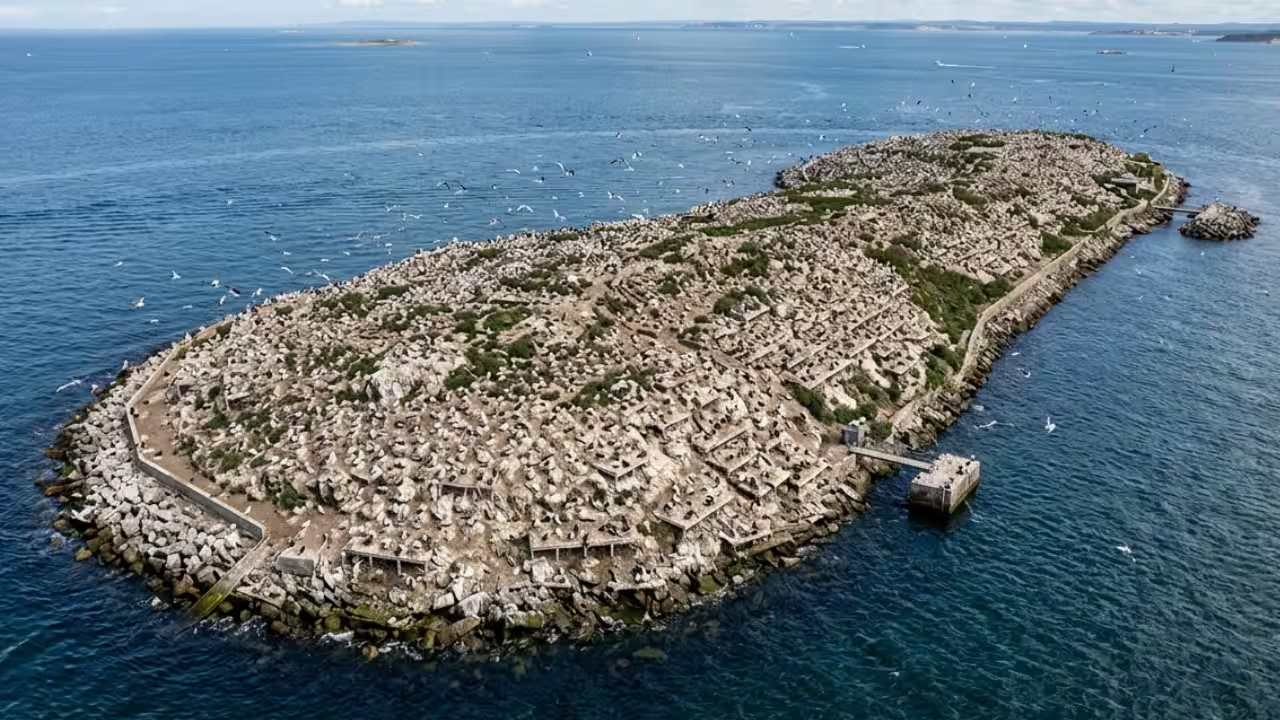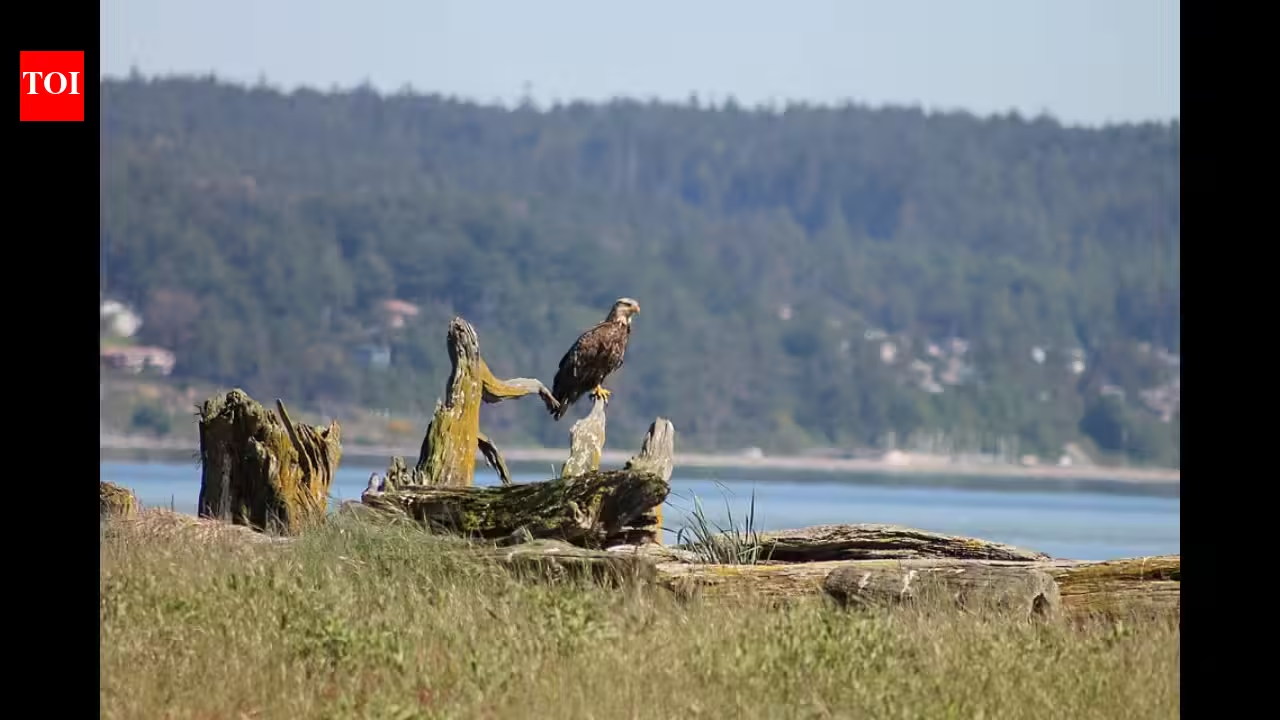
An immature bald eagle perches on driftwood on Protection Island National Wildlife Refuge. Image Credits: Wikimedia Commons.In the late 1960s, Protection Island in Washington's Strait of Juan de Fuca was on the path to becoming a vacation-home community. The development plans brought roads, surveyed lots and the prospect of greater human activity to an island that was already an important refuge for nesting seabirds. As plans progressed, concerns grew among people familiar with the island's wildlife. By the early 1970s, wildlife biologist and artist Zella Schultz and conservationist Eleanor Stopps had begun campaigning against the development, helping shift attention towards protecting the island as wildlife habitat.An island marked for developmentAccording to theU.S. Fish and Wildlife Service, Protection Island's sandy bluffs, grasslands, forest and shoreline provide habitat for numerous birds and marine mammals. The island is particularly important for rhinoceros auklets, tufted puffins, pigeon guillemots, pelagic cormorants and glaucous-winged gulls, while harbour seals use its shores to rest, moult, give birth and care for their pups. These ecological values made the proposed residential development a growing concern for conservationists, who feared that construction and human disturbance could damage important nesting habitat.Schultz had studied the island's large gull colony, while Stopps, who was involved with the Audubon Society, became concerned about the impact of development on nesting birds. The two women shifted their efforts towards protecting the island itself. In the 1970s, Stopps purchased some of the threatened lots and helped build wider support for conservation. Schultz continued advocating for the island's seabirds until she died in 1974. That year, 48 acres on the western end were acquired for conservation and became the Zella M. Schultz Seabird Sanctuary.From private lots to a wildlife refugeProtecting the first 48 acres was only the beginning. Conservationists continued working to secure the rest of Protection Island, and in 1982 the federal government established the Protection Island National Wildlife Refuge. The designation brought most of the island under federal protection and placed its seabird colonies and other wildlife within a dedicated refuge.According to a study published in Northwest Science, Protection Island underwent several major changes between the 1860s and 1999, shifting from agricultural use to intensive subdivision for development before eventually becoming a wildlife refuge. The researchers found that, after the refuge was established, the island remained relatively free from human disturbance, allowing much of the landscape to return to a semi-natural state.Today, the 364-acre refuge remains closed to the public to minimise disturbance to nesting birds. Its sandy slopes provide burrowing habitat for rhinoceros auklets, while the island also supports tufted puffins, pigeon guillemots, cormorants and glaucous-winged gulls. The refuge's protection did not erase the traces of the development that came before, but it changed what those roads and abandoned structures now represent: remnants of a residential project that never transformed the island.Protection Island has over 5,000 nesting gulls and provides valuable seabird habitat. Image Credits: Wikimedia Commons.A different future for the islandAccording to the Washington State Department of Natural Resources, Protection Island is surrounded by the Protection Island Aquatic Reserve, designated in 2010 and covering 23,778 acres of state-owned aquatic land. The agency describes the waters around the island as the single most important nesting area for seabirds in the Salish Sea. The reserve extends protection beyond the island itself, safeguarding the surrounding marine habitat that supports its wildlife.The change is striking given the scale of the development once proposed for the island, with plans for several hundred vacation homes. The campaign to protect Protection Island grew beyond the efforts of Schultz and Stopps, drawing support from conservation organisations, local citizens and government agencies. Their combined efforts eventually helped secure the land for conservation rather than residential development.
In the 1970s, two Washington women bought lots on an island planned for vacation homes; their campaign helped protect all 364 acres for seabirds
In the late 1960s, Protection Island in Washington's Strait of Juan de Fuca was on the path to becoming a vacation-home community. The development plans brought roads, surveyed lots and the prospect of greater human activity to an island that was already an important refuge for nesting seabirds.
613 words~3 min read