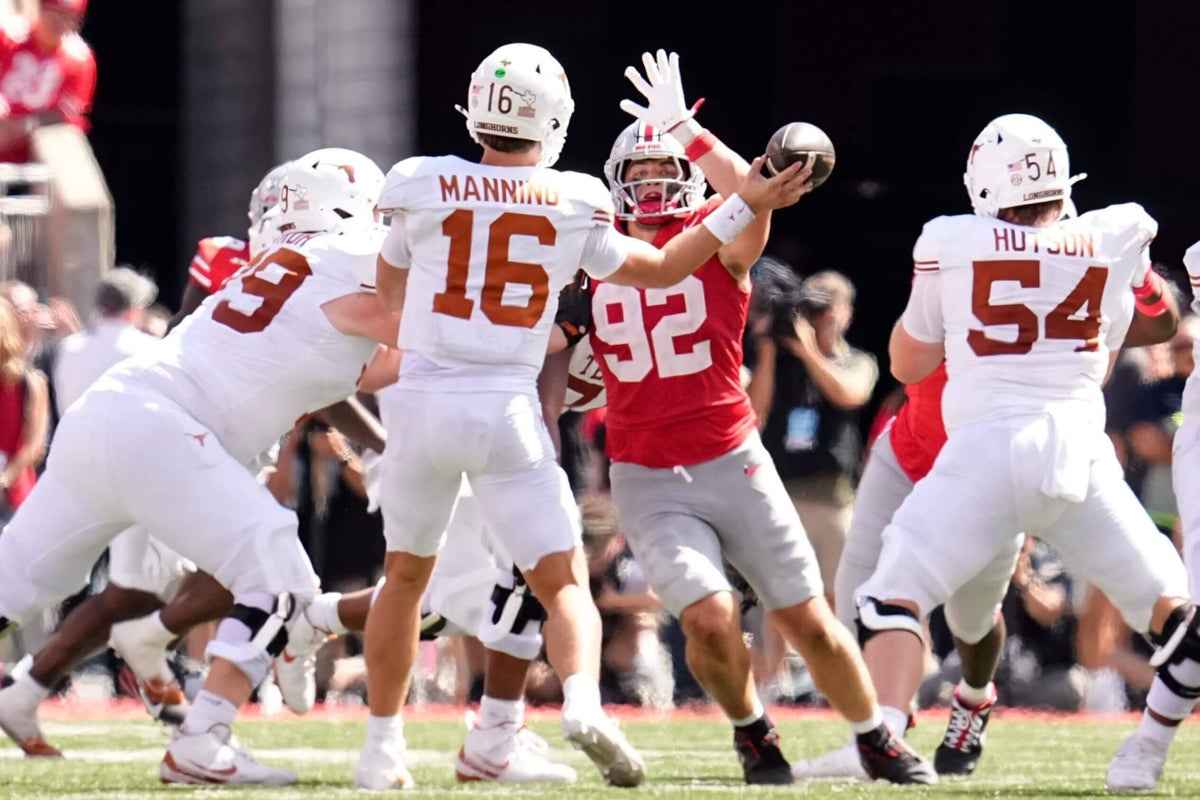
By the time they get to revisiting the Protect College Sports Act in Washington, we will have found out whether Bill Belichick’s North Carolina program can be just as embarrassing on a different continent, seen Ohio State play at Texas, been surprised by several outcomes — and if these lawmakers drag their feet a bit more, we will have experienced the euphoric rancor of Lane Kiffin returning to Ole Miss.This has all been a gas, but it’s time for all those who wear business attire on a daily basis to fade away. If college football is a metaphor for life, we’re weeks away from the things in life you look forward to — things that get you through daily monotony. Vacations. Reunions. Graduations. Concerts. College football tailgates.The college athletics industry’s prayerful solicitation of help from Washington to fix its ills, over several years, has felt more like the other side of daily monotony. Painful medical procedures. A day at the DMV. Meals with sprouts as a primary ingredient. Financial aid applications.Some of those things provide benefits, and some elements of the Protect College Sports Act would inject instant relief and common sense into areas of college athletics that need them. But it doesn’t look good for the bill. If that ends up being an accurate forecast, the product this fall should be no less enjoyable.Who will win the Heisman Trophy this year?Ralph D. Russo, Sam Khan Jr. and moreAnd if I’m wrong — if the U.S. Senate gets right to it after returning Sept. 14, passes it, watches it pass the House of Representatives, ratifies inevitable amendments that will come from the House and celebrates as President Trump signs it into law in an assuredly awkward ESPN “College GameDay” segment — the product will be no more enjoyable. Also, the surrounding machinations won’t be completely fixed.Two reckonings would continue to lurk. One, athletes are at some point going to need to actually participate in the limiting of their earnings and movement. The bill at least leaves the door open on that, unlike its doomed predecessor, the SCORE Act. The general attitude from athletic directors on the legislation can be described as “Please, please let this pass,” while the general AD attitude on collective bargaining seems more favorable than it was a year ago.Two, will there be one final, fatal tectonic shift? The super league or whatever you want to call it, consolidating the top programs and shedding many others, ensuring the transformation to NFL Lite and (in my belief) a long-term decline in the popularity of college sports?
College football fans, Capitol Hill deserves no more of your time or attention
If you think Greg Sankey is smug, Tony Petitti is greedy and Brett Yormark is way too performative, watch C-SPAN for a week.
950 words~4 min read