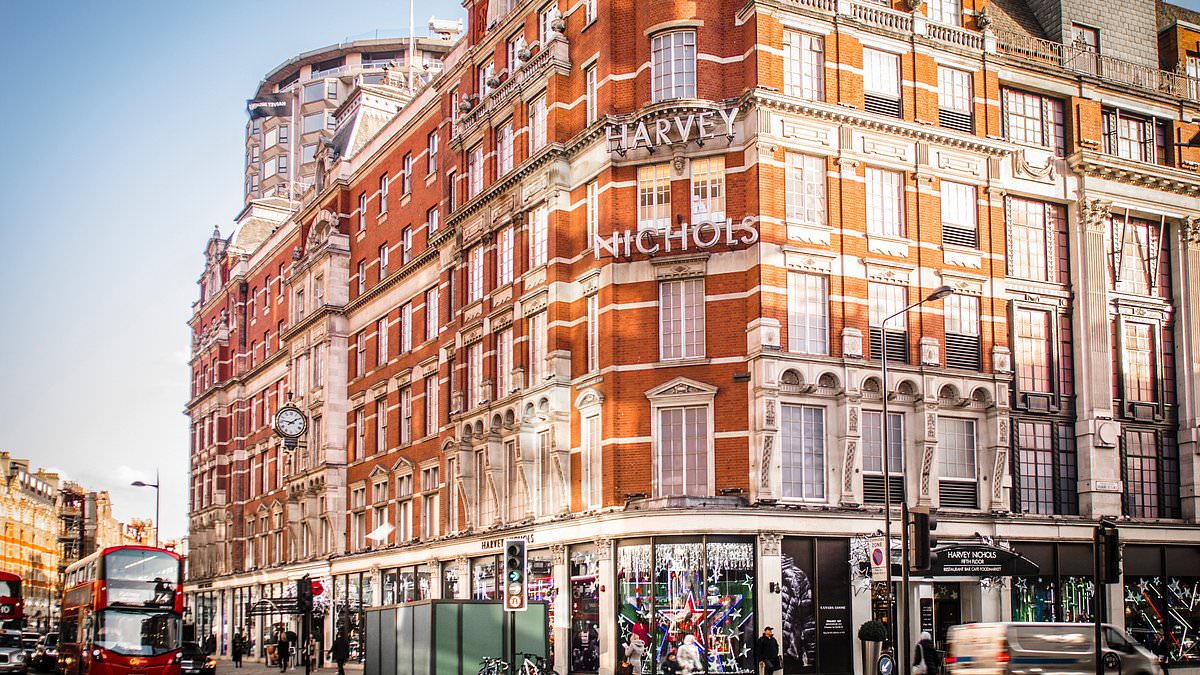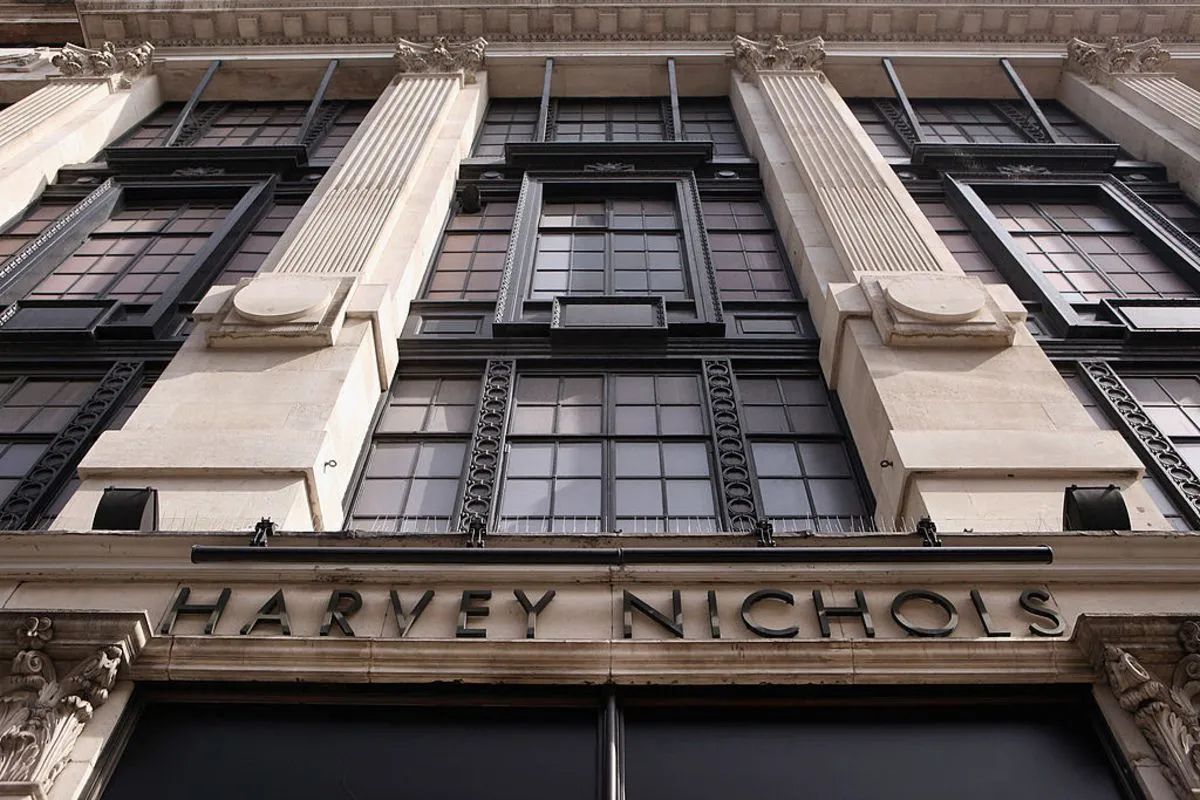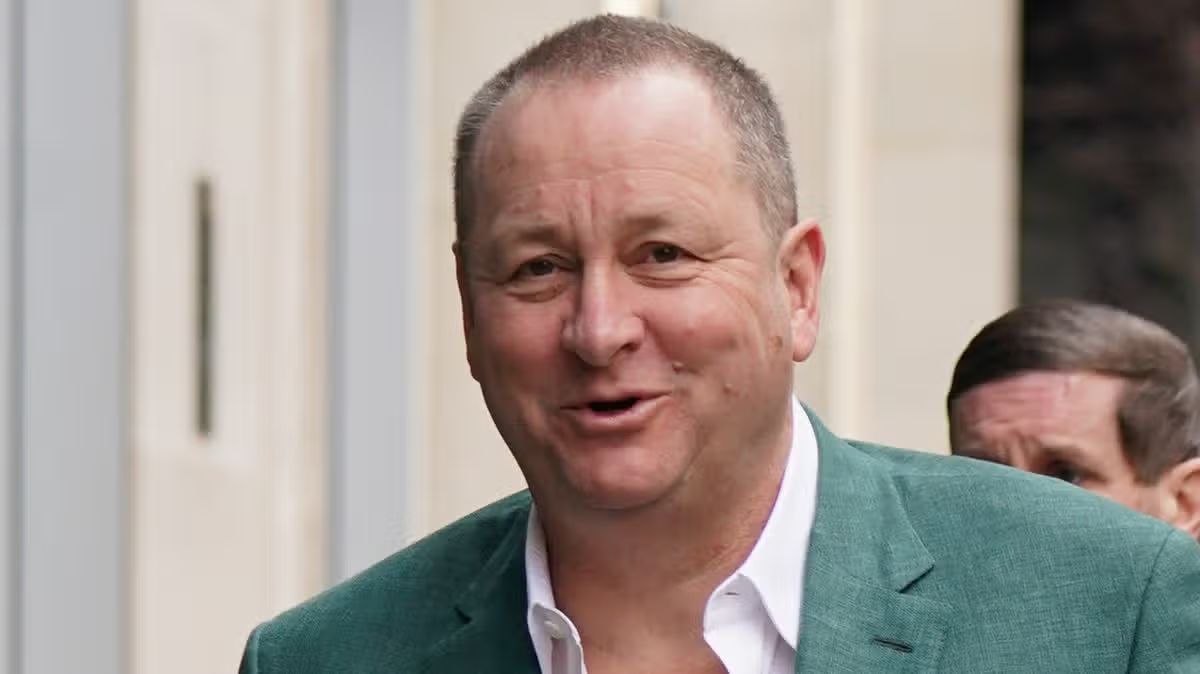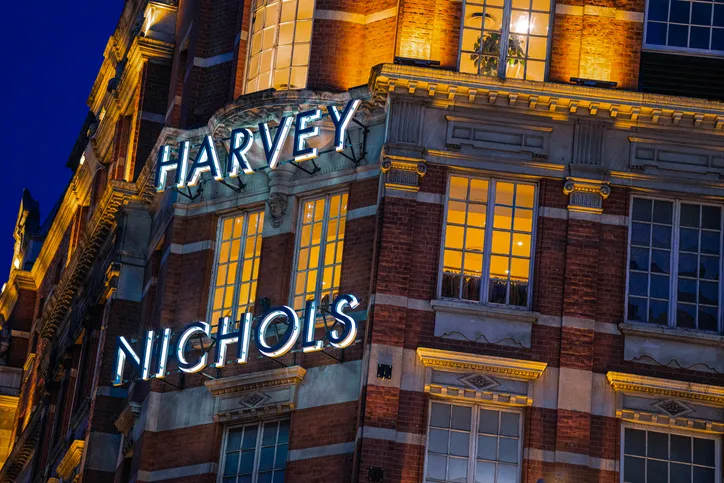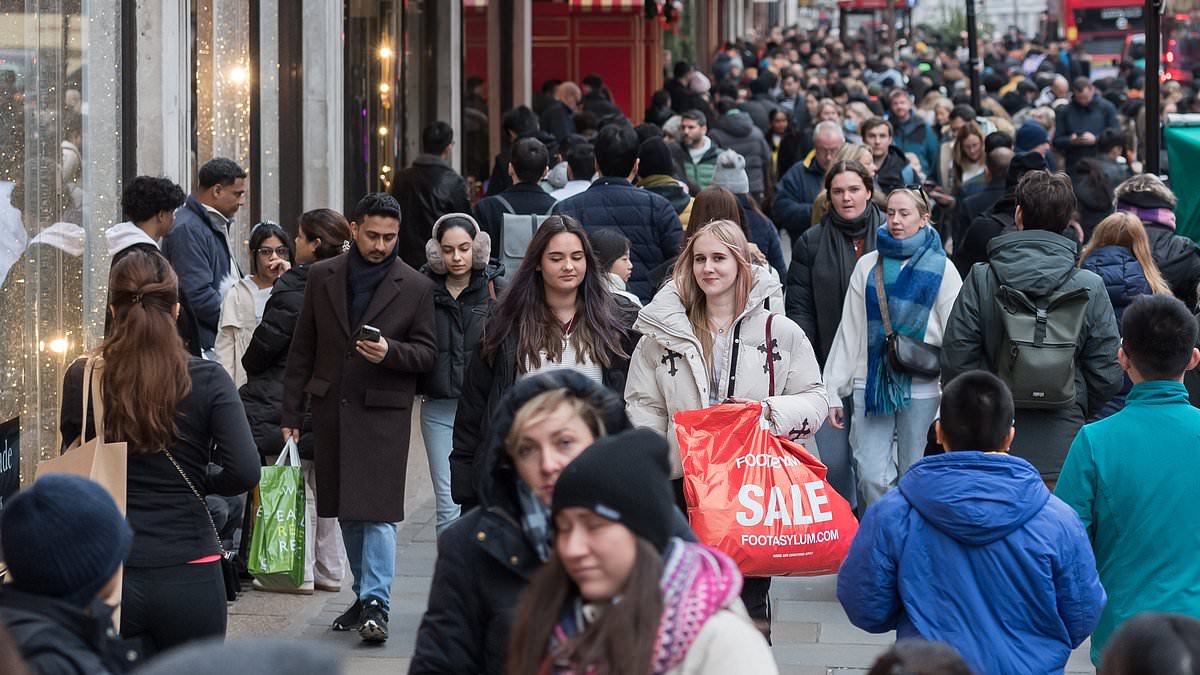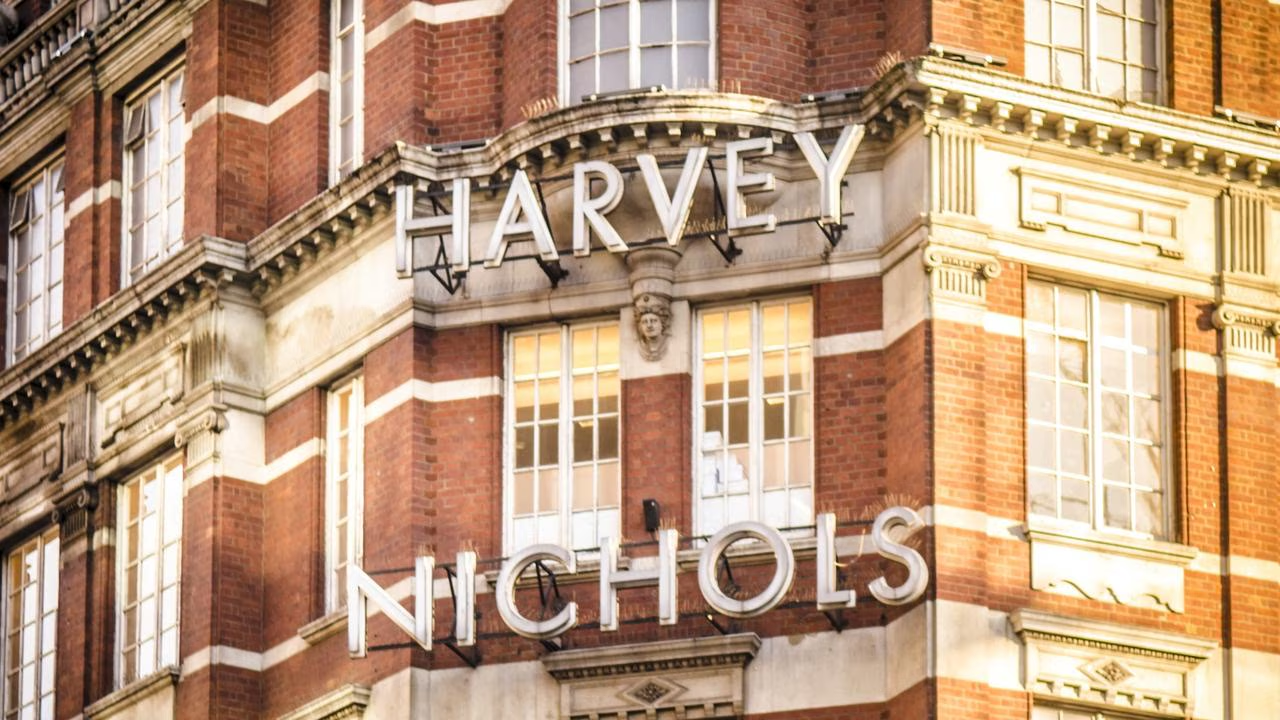
One of the world’s most iconic luxury department store chains – once a favourite of the royal family – is in a “death spiral” and may not have enough money to keep going.Harvey Nichols, which has stores in the UK, Ireland, the Middle East, Hong Kong and Indonesia, has said that without millions of dollars of investment it could “cease trading” within 12 months.It could mean yet another famous global department store name shuttering.Known colloquially as “Harvey Nicks”, the ritzy retailer could yet be saved by the former owner of a UK football club who got rich by selling cut-price sneakers and has now swerved into luxury clothes.Harvey Nichols was founded by Benjamin Harvey in 1831 and in 1850 was turned into the store known today by James Nichols. Famous for its luxury labels as well as posh own-brand foods and in-store bars and restaurants, it has occupied a prized position in London’s Knightsbridge district since the late 19th century.Its grand edifice sits just a block away from another luxury department store: Harrods. The late Princess Diana and the Queen Mother were both customers of Harvey Nichols; the latter bestowed upon it a royal warrant signifying that it supplied the royal household. In the 1990s, Harvey Nichols became arguably the UK’s most influential luxury store, being distinctly less fusty, more modern and on trend than its competitors. Its fame was certainly helped by BBC hit sitcom Absolutely Fabulous. It was the favourite shopping spot for outrageous overspending hedonists Eddy and Patsy. Played by Jennifer Saunders and Joanna Lumley, the characters would wobble out of Harvey Nicks laden down with shopping bags and tipsy from indulging at the fifth-floor bar. Losses go from bad to direThe company expanded from the mid-1990s outside of London and now has stores in major UK and Irish cities as well as franchised stores further afield.But its bread and butter has always been well-heeled Brits and tourists to London mooching their way through the store as they shopped for luxury names in Knightsbridge, Chelsea, Kensington and Sloane Square. However, Harvey Nichols hasn’t made a profit for several years – since the UK axed duty-free shopping for clothes and the Covid pandemic. Revenue at the chain fell 11 per cent in the year to March 2025 to £69.46 million ($A133m). Its losses after tax went from a bad £13m ($A24.8m) the year before to a dire £177.6m ($A341m) last year. Harvey Nichols put a substantial part of those losses down to the “impairment of intercompany loans” of £169m.It added that trade was affected by “weak consumer demand as a result of the lingering cost of living crisis” and the “loss of tax-free shopping in the UK”. It’s also thought its regional branches – in locations such as Bristol, Manchester and Dublin – have not performed as well as hoped. The UK luxury department store sector has a number of retailers competing with Harvey Nichols for tightening wallets, including Selfridges, Harrods, Liberty and Fortnum and Mason. Many of those brands learned from Harvey Nichols and upped their game with swankier stores and better online presences.The store has been owned by Sir Dickson Poon, a Hong Kong luxury goods business owner, since 1991. Mr Poon has now put Harvey Nichols up for sale. It’s thought that as much as £60m ($A115m) needs to be pumped into the stores. ‘Cease trading’In its most recent financial results, the company said that if “a sale is not completed and no additional funding is proved, the Group would cease trading” by mid-2027.The vultures have been circling the once-famed on-trend epicentre of modern London luxury. A number of retailers were reportedly in the running for Harvey Nichols, but the only one that appears to be left is Frasers Group, majority owned by British retail entrepreneur Mike Ashley. Mr Ashley has built Frasers partly by buying brands when they were at their most vulnerable – and therefore cheap – particularly if they had gone through an administration process. The former owner of Newcastle United Football Club made his initial retail fortune with the Sports Direct chain of discount UK sneaker stores. It’s now expanded to Australia with branches in suburban shopping centres in Sydney and Melbourne in competition with Rebel and JD. As well as now owning a slew of sports brands, Frasers has made a move into luxury retail. Its stable of brands includes men’s suits retailer Gieves and Hawkes and UK designer clothes store chain Flannels. This year it tried to buy German luxury brand Hugo Boss.‘Death spiral’Speaking to UK newspaperThe Financial Times on Friday, UK time, Mr Ashley said he would be willing to pay around £40m ($A77m) for the iconic retailer which, he claimed, was more than the store was worth. “We are more likely to overpay … It’s more of a natural fit so we can pay more”.But, he added, he “wouldn’t be crying a river” if Frasers lost its bid. “I don’t think I’ll be writing a huge cheque, because you’ve got to think about the future losses. If it was a little bit tough before (for Harvey Nichols), it is in a death spiral now”.The Times has reported that “a number” of suppliers to Harvey Nichols have raised “serious concerns” about getting paid under the ownership of Frasers, which previously bought and then put into administration luxury retail website Matches. That retailer then closed down.Nonetheless, the majority of the struggling brands Frasers has bought continue to trade today. If Mr Ashley’s firm does buy Harvey Nichols, the chain will see major changes. In the British Isles, only the London and Edinburgh branches were likely to survive under the Harvey Nichols name, Mr Ashley said. The regional stores would be rebranded under other brands such as Flannels or Frasers.AbFab’s Eddy and Patsy would be aghast at the hard times that have befallen the store they thought was so fabulous and they arguably helped to make so influential.Read related topics:Queen Elizabeth II
Global retail icon could ‘cease trading’
One of the world’s most iconic luxury department store chains – once a favourite of the royal family – is in a “death spiral” and may not have enough money to keep going.
992 words~5 min read