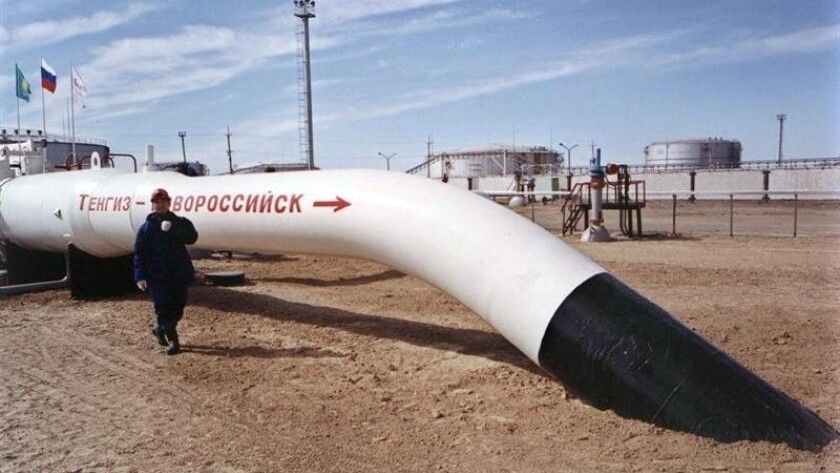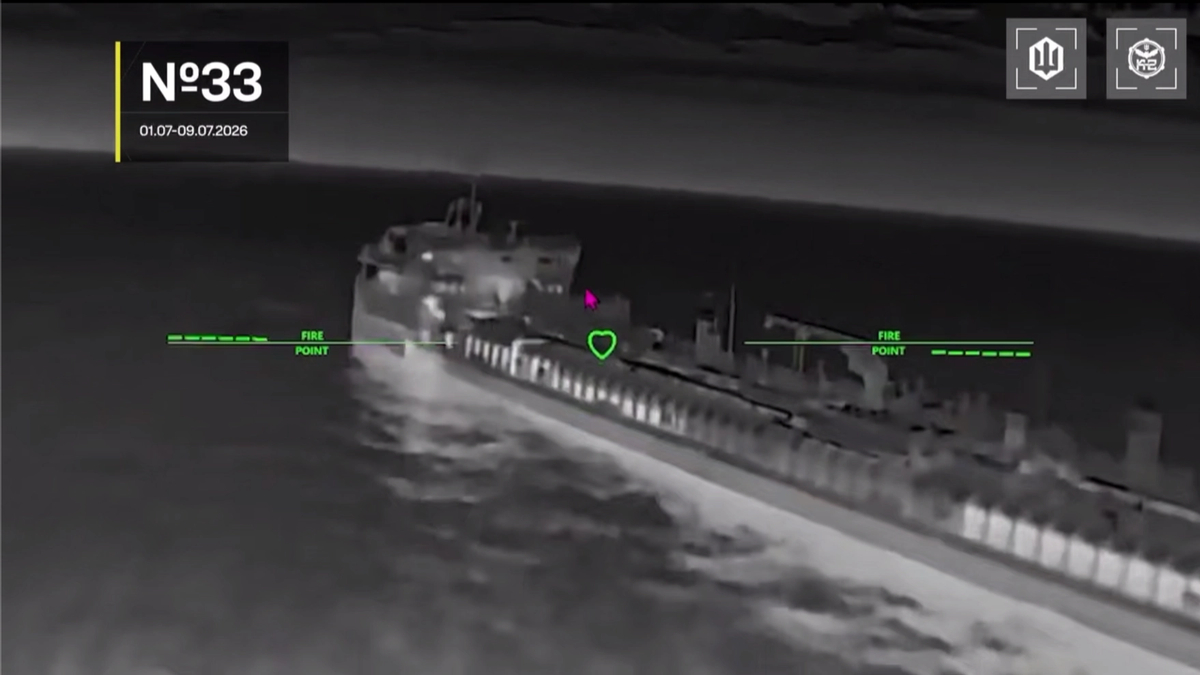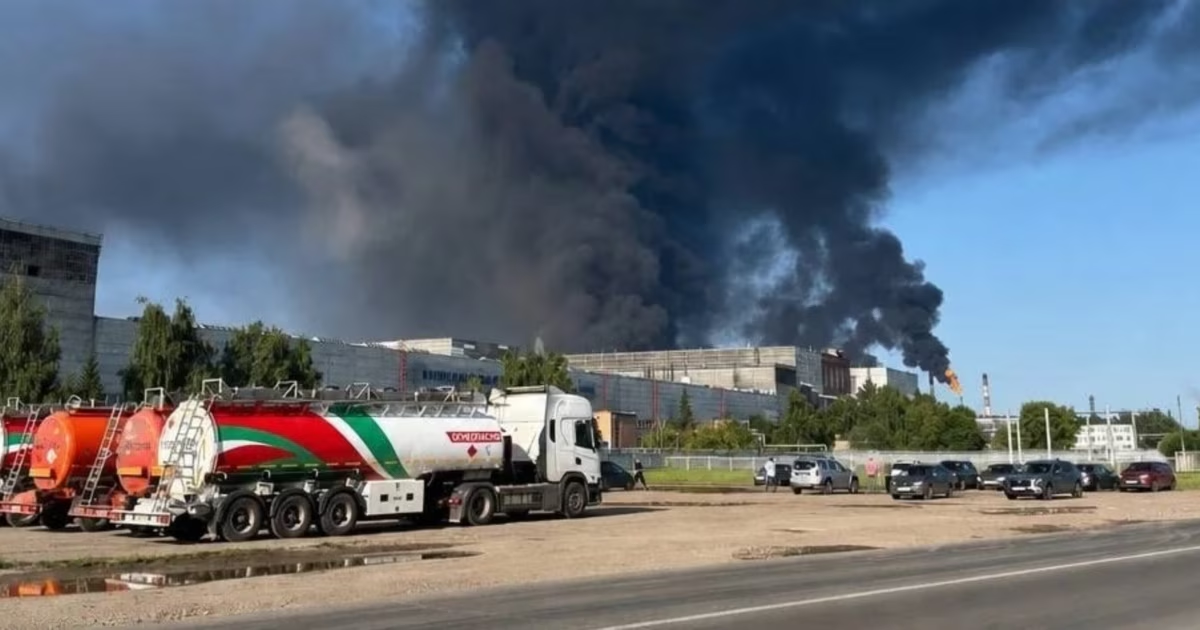
As the only Central Asian country with a land border to Russia, Kazakhstan has often been viewed as an economic sibling for Moscow. Now, big brother is looking for help.Months of Ukrainian attacks on targets ranging from energy infrastructure to online retailers deep inside Russia have prompted moves to seek relief by relocating some Russian facilities inside Kazakhstan, which has tried to balance its ties to Moscow with a desire to remain neutral when if comes to Europe’s deadliest and longest war in decades.Amid the crisis, which has sparked fuel shortages in many parts of Russia, Moscow has launched negotiations with Astana to refine Russian crude at Kazakh facilities.Meanwhile, Wildberries, Russia’s largest online retailer, has sought warehouse space in Kazakhstan after more than a dozen of its warehouses across the country have been hit, forcing it to seek space elsewhere.Kazakh Trade and Integration Minister Arman Shakkaliyev recently confirmed that 260,000 square meters of warehouse capacity for the company will be built inside Kazakhstan as a part of a long-term expansion project.“Since the start of Russia's full-scale invasion of Ukraine, Astana has consistently tried to keep a balance between close economic and political ties with Russia, and avoiding steps that could draw it directly into Russia's confrontation with the West or undermine its sovereignty,” Temur Umarov, a fellow at the Carnegie Russia Eurasia Center, told RFE/RL.He said that while the relocation of Russian companies in Kazakhstan would add another layer of complexity, “Astana is aware of the risks associated with becoming a platform for activities that help Russia mitigate the effects of the war or Western restrictions.”“I expect the Kazakh government to continue its current approach: It is unlikely to reject Russian business altogether, but it will try to manage such cooperation carefully, on a case-by-case basis, while signaling that Kazakhstan remains committed to its multivectoral foreign policy and independent decision-making.”Western Focus On Central AsiaSince 2023, Western countries have turned toward Central Asia as they've looked to take advantage of the economic and political window opened by Russia's full-scale invasion of Ukraine in February 2022.While Central Asian governments have maintained strong ties with Moscow, they've also accelerated their efforts to diversify their relations with other countries.Russia -- and Russian firms -- are looking at relocating facilities in several countries in the region, but Kazakhstan, which shares the longest continuous international land border in the world, spanning approximately 7,644 kilometers, has become the main target.
Kazakhs Weigh Hosting Russian Retailers Against Ukraine Neutrality
Months of Ukrainian attacks on targets ranging from energy infrastructure to online retailers deep inside Russia have prompted moves to seek relief by relocating some facilities to Kazakhstan, which has tried to balance its ties to Moscow with a desire to remain neutral on the Ukraine war.
626 words~3 min read