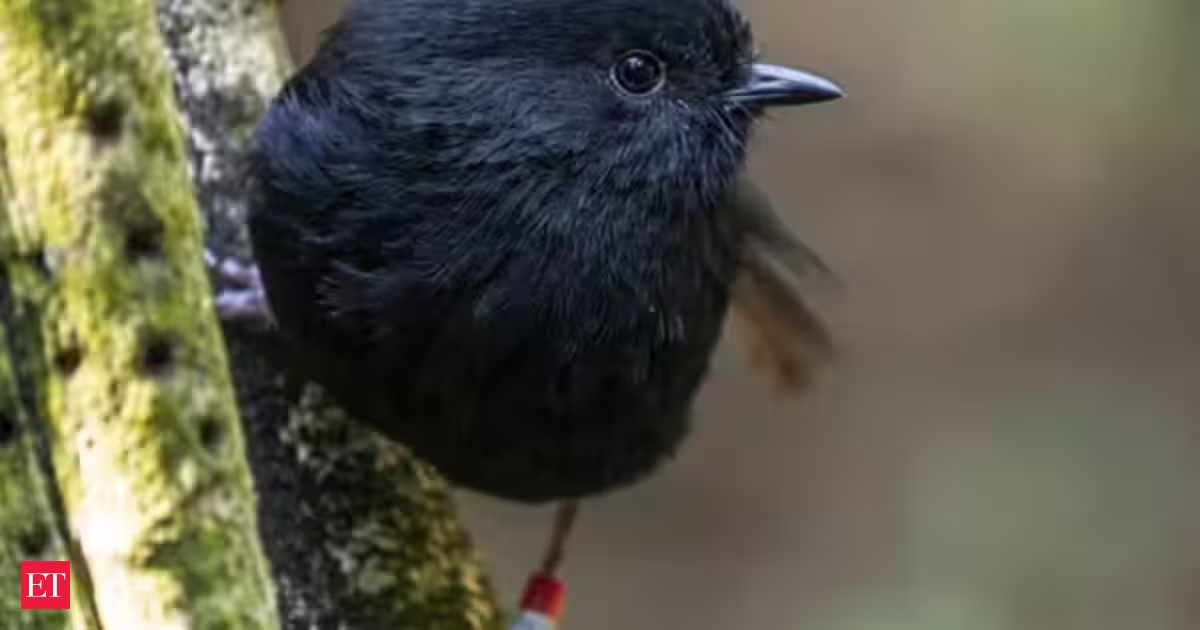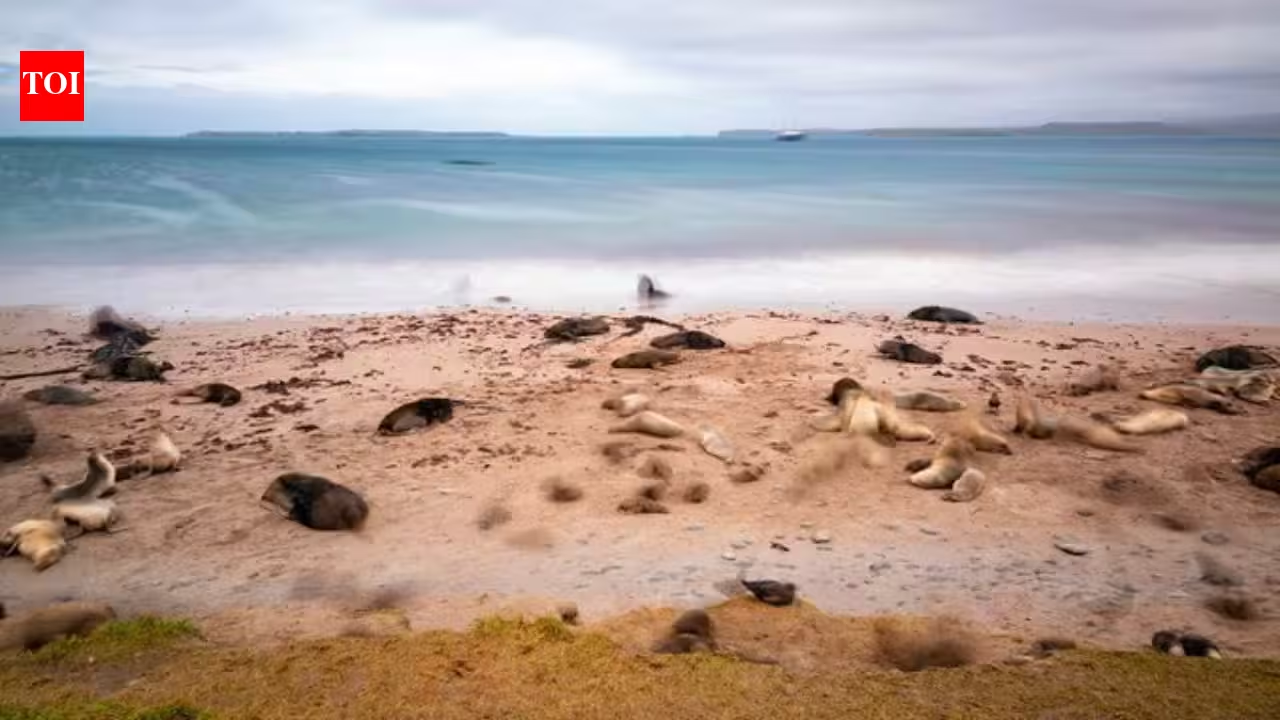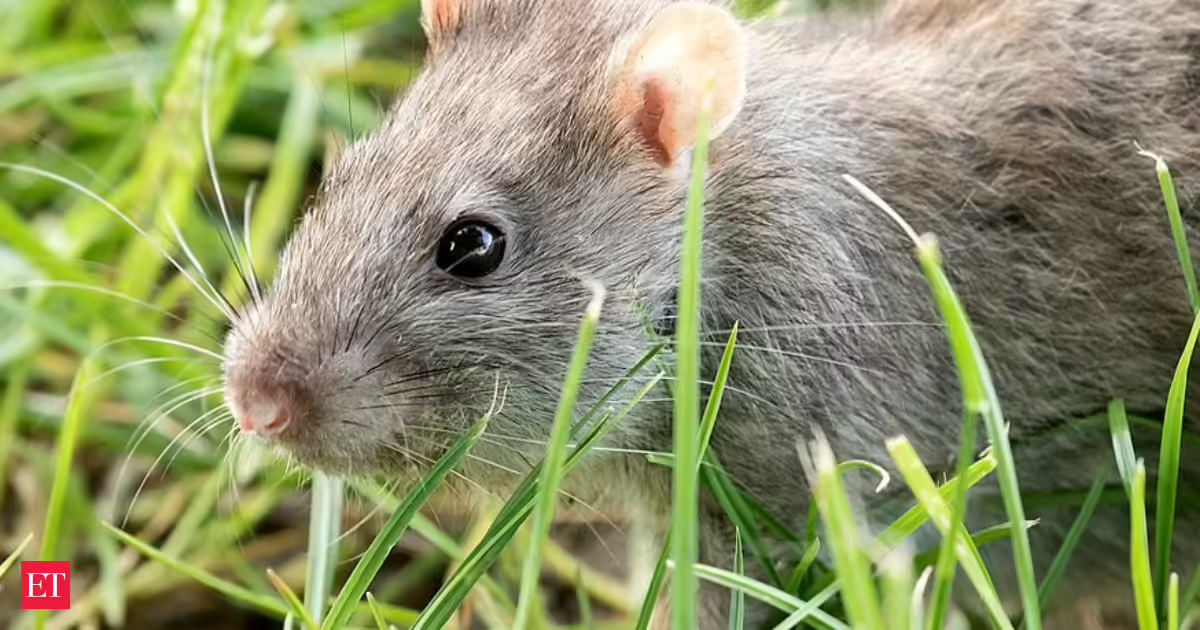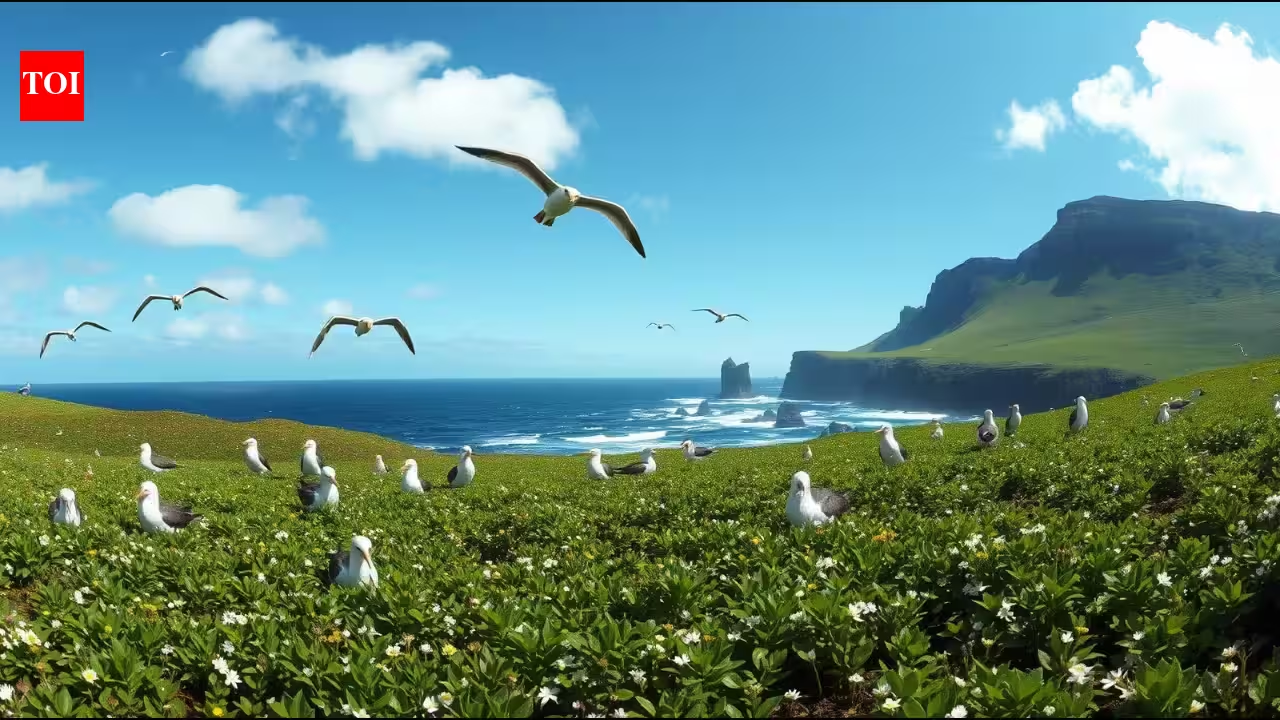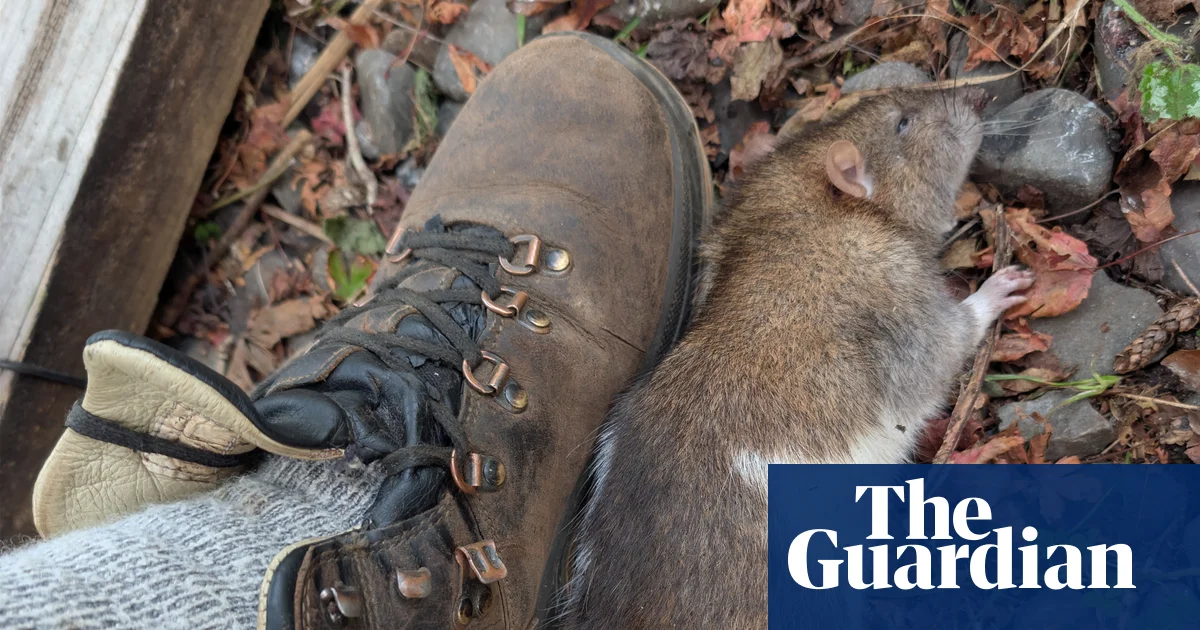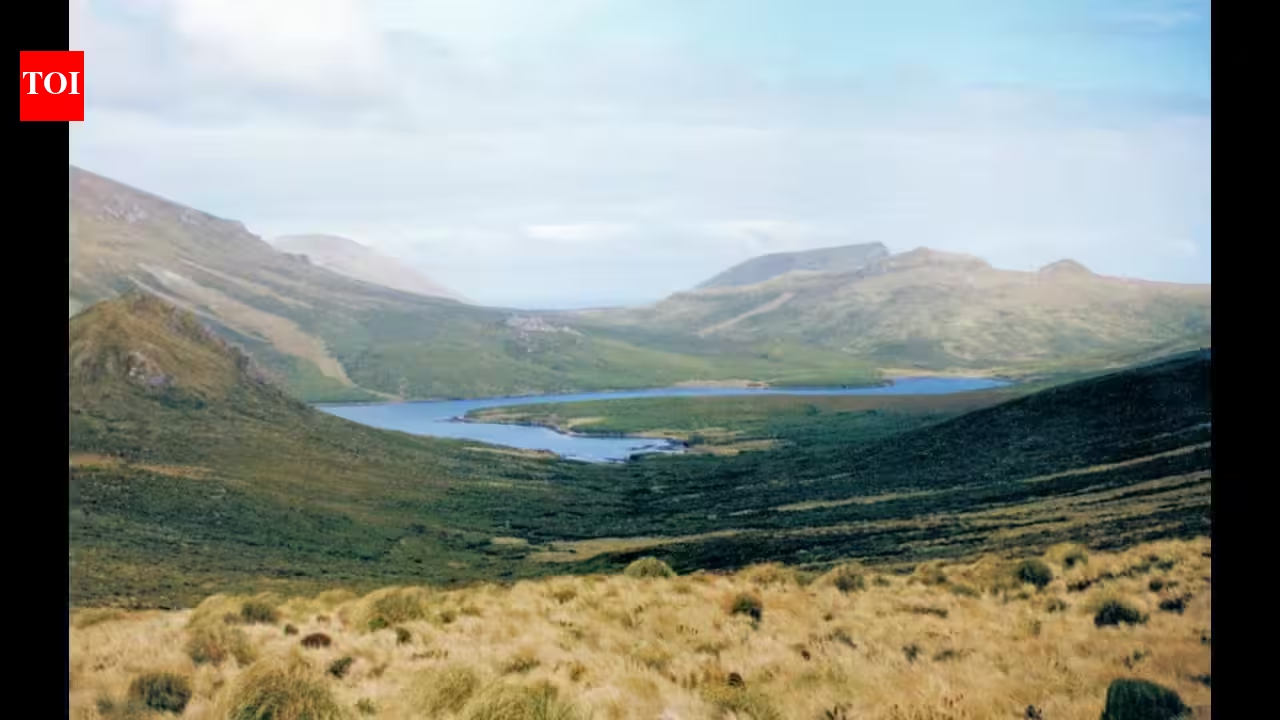
From rat-infested wilderness to a thriving haven for native birds. Image Credits: Wikimedia Commons.The island on the reverse of New Zealand's $5 note appears remote and pristine, with subantarctic vegetation and wildlife set against the Southern Ocean. But Campbell Island, also known as Motu Ihupuku, has a history of intensive human use and introduced predators. Norway rats arrived in the 19th century and eventually became a major threat to native birds that had evolved without mammalian predators.According to the New Zealand Department of Conservation, Campbell Island covers about 11,300 hectares and once supported an estimated 200,000 Norway rats. In 2001, a 19-person conservation team undertook an island-wide eradication campaign, using helicopters and GPS technology to distribute about 120 tonnes of poisoned bait across the island. The operation succeeded, and Campbell Island was declared rat-free in 2003. The removal of rats subsequently created conditions for native species to return, including the reintroduction of Campbell teal and the natural return of Campbell Island snipe.A remote island overrun by ratsThe Department of Conservation also notes that Campbell Island lies about 700 kilometres south of New Zealand's South Island in the Southern Ocean. Its climate is notoriously harsh, with rain on an average of 325 days a year, frequent strong winds and temperatures that rarely rise much above 12°C. Reaching and working across the island's rugged terrain was a major logistical challenge. Norway rats arrived in the early 19th century, probably after coming ashore from sealing and whaling vessels. With abundant food and few effective controls, they spread across the island. Their impact was particularly severe because Campbell Island's native birds had evolved in an environment without mammalian predators.Rats fed on eggs and chicks of seabirds nesting on cliffs and in vegetation. They also preyed on smaller birds and consumed seeds, insects and other invertebrates. Species such as Campbell Island snipe and Campbell Island teal were pushed away from the main island. The teal survived only on nearby Dent Island and in captivity, while snipe eventually survived on another small rat-free island. By the early 2000s, the rat population was estimated at 200,000. Yet the island's isolation, size and weather made conventional trapping or poisoning methods impractical on their own.A winter operation on a remote islandNew Zealand's Department of Conservation spent years preparing for the eradication, which was carried out during the winter of 2001. A 19-person team used helicopters and GPS-guided aerial baiting to distribute about 120 tonnes of poison across Campbell Island's 11,300 hectares. The operation had to cover the island extensively because any surviving rats could have reproduced and undermined the effort. Winter was chosen partly because many seabirds were away from the island, although strong winds and poor weather made the work difficult.Campbell Shag Leucocarbo campbelli on Campbell Island, New Zealand. Image Credits: Wikimedia Commons.Birds began reclaiming the islandThe ecological recovery became visible within a few years. Campbell Island snipe, which had survived on nearby Jacquemart Island, returned to the main island after the rats were eradicated. According to a study published in Notornis, researchers surveying Campbell Island in 2006 recorded at least 22 adult snipe, five dependent chicks and a nest, confirming that the species had successfully recolonised the island and was breeding there. The return was significant because the snipe had previously been restricted to the much smaller predator-free refuge.Campbell Island has not returned to its pre-human condition overnight. Decades of agricultural activity, grazing and the introduction of other species have left lasting effects on the landscape. However, removing rats eliminated a major predator and allowed species such as the Campbell Island snipe to return and breed on the main island. The recovery offers a glimpse into how the subantarctic landscape depicted on New Zealand's $5 note can change when an introduced threat is removed.
The island on New Zealand’s $5 note once held 200,000 rats; a 19-person team cleared them all, and native birds returned
The island on the reverse of New Zealand's $5 note appears remote and pristine, with subantarctic vegetation and wildlife set against the Southern Ocean. But Campbell Island, also known as Motu Ihupuku, has a history of intensive human use and introduced predators.
627 words~3 min read