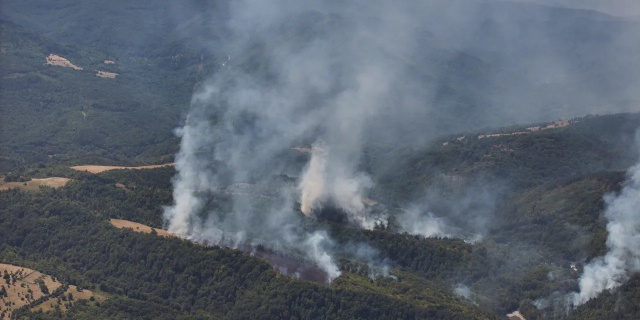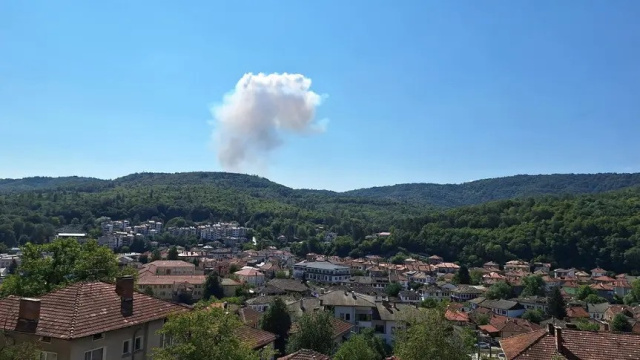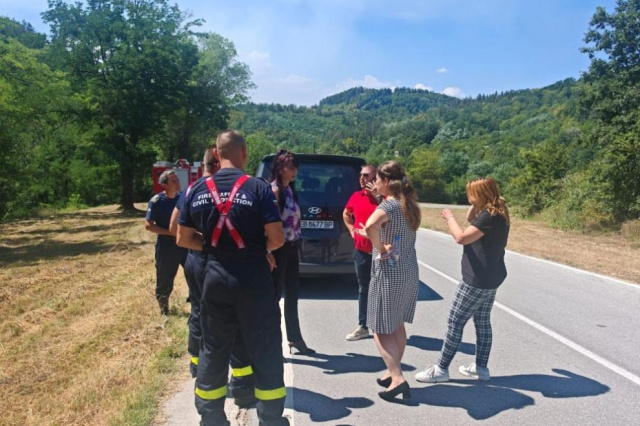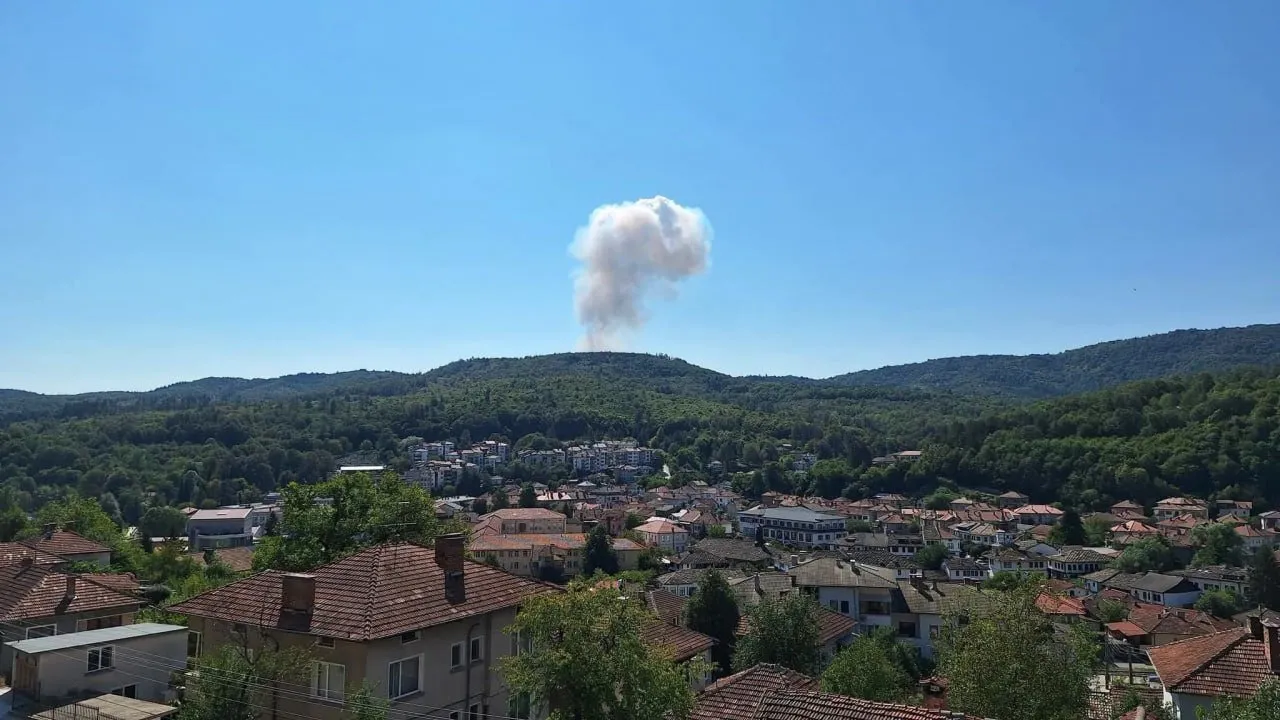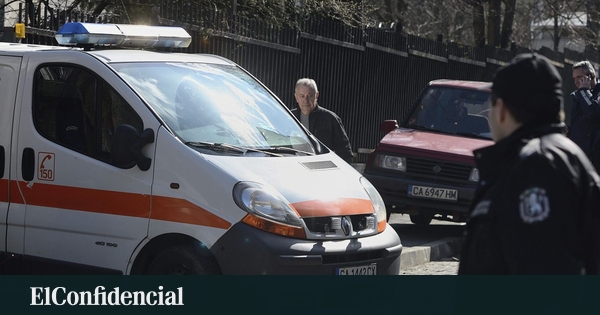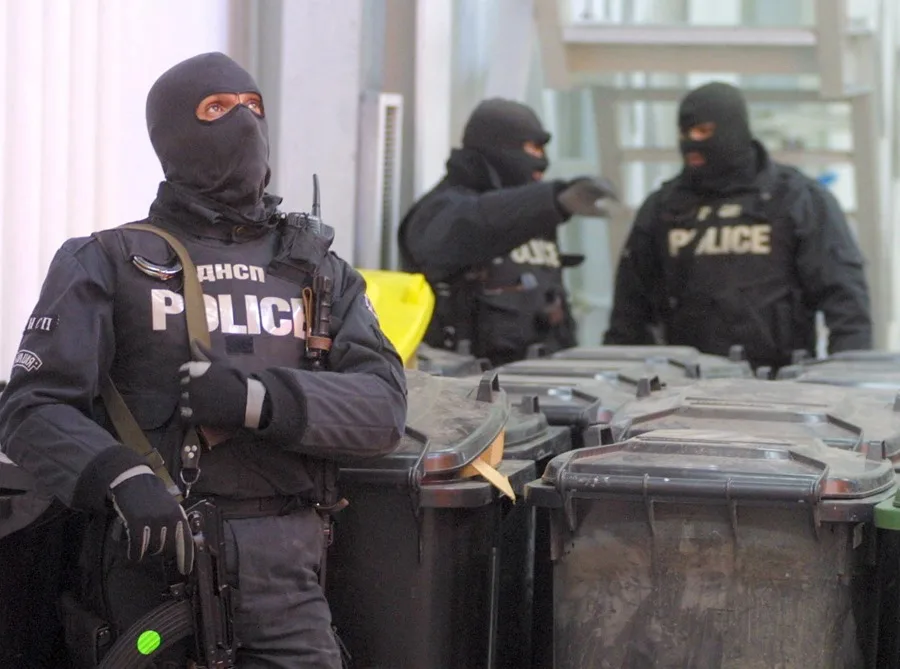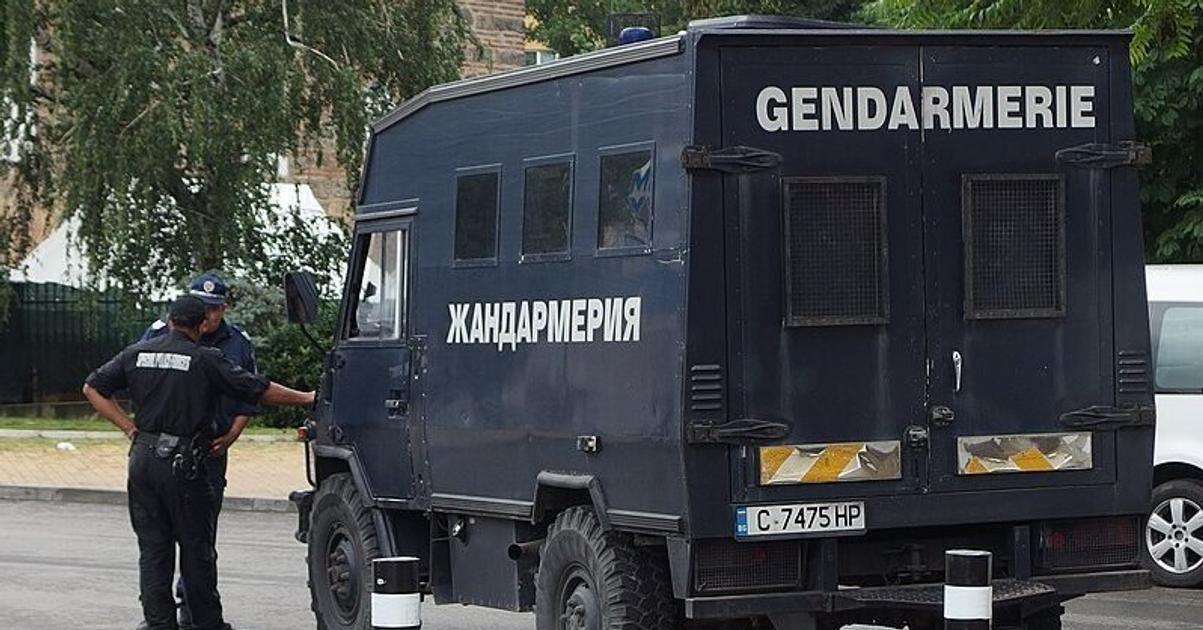
On the morning of Aug. 10, a fire followed by explosions broke out at an ammunition production and storage facility near the central Bulgarian village of Belitsa. Around 300 employees were evacuated. There were no deaths or injuries, according to a report by the Bulgarian Telegraph Agency.The facility belongs to EMCO, a defense company owned by Bulgarian businessman Emilian Gebrev — a repeated target of operations suspected to have been carried out by the GRU, Russia’s military intelligence agency. The Insider, together with Bellingcat and Der Spiegel, investigated an attempt by GRU officers to poison Gebrev in 2015, as well as explosions at ammunition depots that held munitions intended in part for Ukraine.Dencho Minev, the mayor of nearby Tryavna, said the fire inside the warehouse compound had been extinguished. All workers were evacuated on EMCO buses. The area was cordoned off, and an operational headquarters was set up at the scene with emergency and law enforcement services present.The fire spread to forested areas near the facility. Because of the heavy smoke, authorities urged residents of nearby settlements to close windows, use protective masks, and avoid going outside unless necessary. Officials planned to install a mobile air-quality monitoring station in the town of Plachkovtsi. The BG-ALERT emergency warning system was activated in the Gabrovo region. A road near the turnoff to the village of Armyankovtsi was closed. Residents of settlements near the plant were evacuated as a precaution.The cause of the fire remains under investigation. Bulgarian authorities’ preliminary assessment is that the incident was accidental, not sabotage. Interior Minister Ivan Demerdzhiev said the causes were “most likely internal.”The incident came two days after another explosion in Bulgaria. On Aug. 8, the country’s prime minister said a drone that had flown in from Romania exploded in Bulgaria approximately one kilometer from a compressor station on the Trans-Balkan gas pipeline.Bulgaria’s Defense Ministry said it was most likely a Ukrainian Maya decoy drone. Ukraine’s Foreign Ministry said that if the device did belong to Ukraine, it had reached Bulgarian territory unintentionally. Kyiv said it was ready to cooperate with Sofia to establish the circumstances of the incident.Explosions have hit Gebrev’s warehouses beforeThe latest fire is far from the first such incident at facilities linked to Gebrev.In 2014, explosions rang out at warehouses in the Czech village of Vrbetice that contained EMCO ammunition. Two people were killed. Czech authorities later accused officers from GRU Unit 29155 of organizing the act of sabotage. The Insider and Bellingcat investigated the operation in detail and established that the officers who were likely involved subsequently participated in subsequent Russian military intelligence operations in Europe.In August 2022, a fire broke out at an EMCO arms warehouse near the Bulgarian city of Karnobat. Gebrev said at the time that he considered it to be the result of deliberate arson, ruling out “human error.”In June 2023, explosions again occurred at the same complex near Karnobat. Local residents reported several powerful blasts at about 1 a.m. No one was injured. The site was closed for an investigation.The Insider noted at the time that the incidents were taking place against the backdrop of a yearslong series of GRU operations against Gebrev and his business. According to investigations by The Insider and Bellingcat, officers from the GRU’s Unit 29155 tracked the businessman during a period when his company was linked to ammunition supplies to Ukraine. The 2014 explosions at warehouses in Vrbetice were followed by the attempt to poison Gebrev himself in Bulgaria in 2015.How GRU officers tried to poison GebrevIn April 2015, Gebrev suddenly lost consciousness during a reception in Sofia, and his son and one of EMCO’s senior executives developed symptoms of severe poisoning. All three had been at the company’s office that morning.The University of Helsinki laboratory later detected traces of two organophosphates in Gebrev’s body, indicating poisoning with a nerve agent from the Novichok family.The Insider, Bellingcat, and Der Spiegel established that at least seven GRU officers from Unit 29155 likely took part in the operation against Gebrev. CCTV footage near Gebrev’s office identified GRU officer Denis Sergeev, who used documents in the name of Sergei Fedotov. In 2018, he was also in Britain at the time of the poisoning of Sergei and Yulia Skripal.Investigators established that a group of GRU officers traveled to Bulgaria at least three times. The first group arrived in February 2015, two months before the poisoning. The second was in the country at the time of the attack — Sergeev and two other suspected GRU officers arrived April 24 and left Bulgaria on April 28, the day Gebrev was poisoned. In May, Sergeev again traveled to the country, after which Gebrev’s condition sharply worsened again, leading to his hospitalization.The precise motive for the attack has never been definitively established. EMCO exported weapons, supplying arms to Georgia during the 2008 war. In later investigations, The Insider linked the GRU’s interest in Gebrev to ammunition supplies to Ukraine after Russia began its aggression there in 2014.
Explosions hit Bulgarian arms plant owned by Emilian Gebrev, who was targeted in a GRU poisoning plot in 2015
On the morning of Aug. 10, a fire followed by explosions broke out at an ammunition production and storage facility near the central Bulgarian village of…
828 words~4 min read