In Venice, Italy, the fabled Bridge of Sighs spans a narrow canal, its small stone-barred windows once offering prisoners a final glimpse of freedom as they were escorted to their cells. The name reflects their resignation, the quiet exhale of those who knew what awaited them.
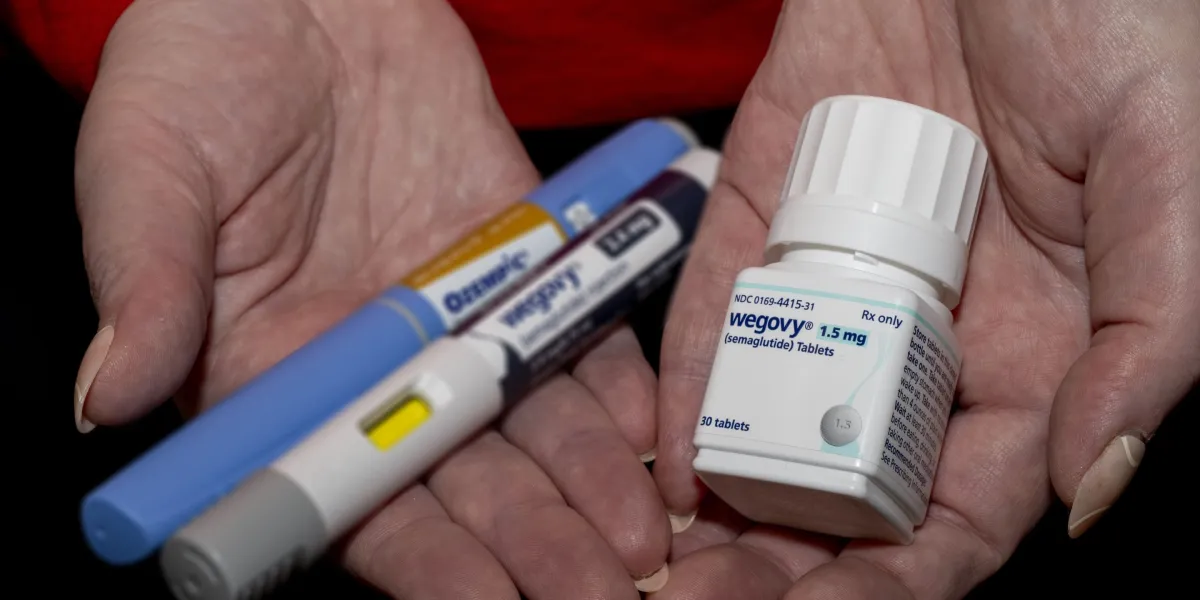
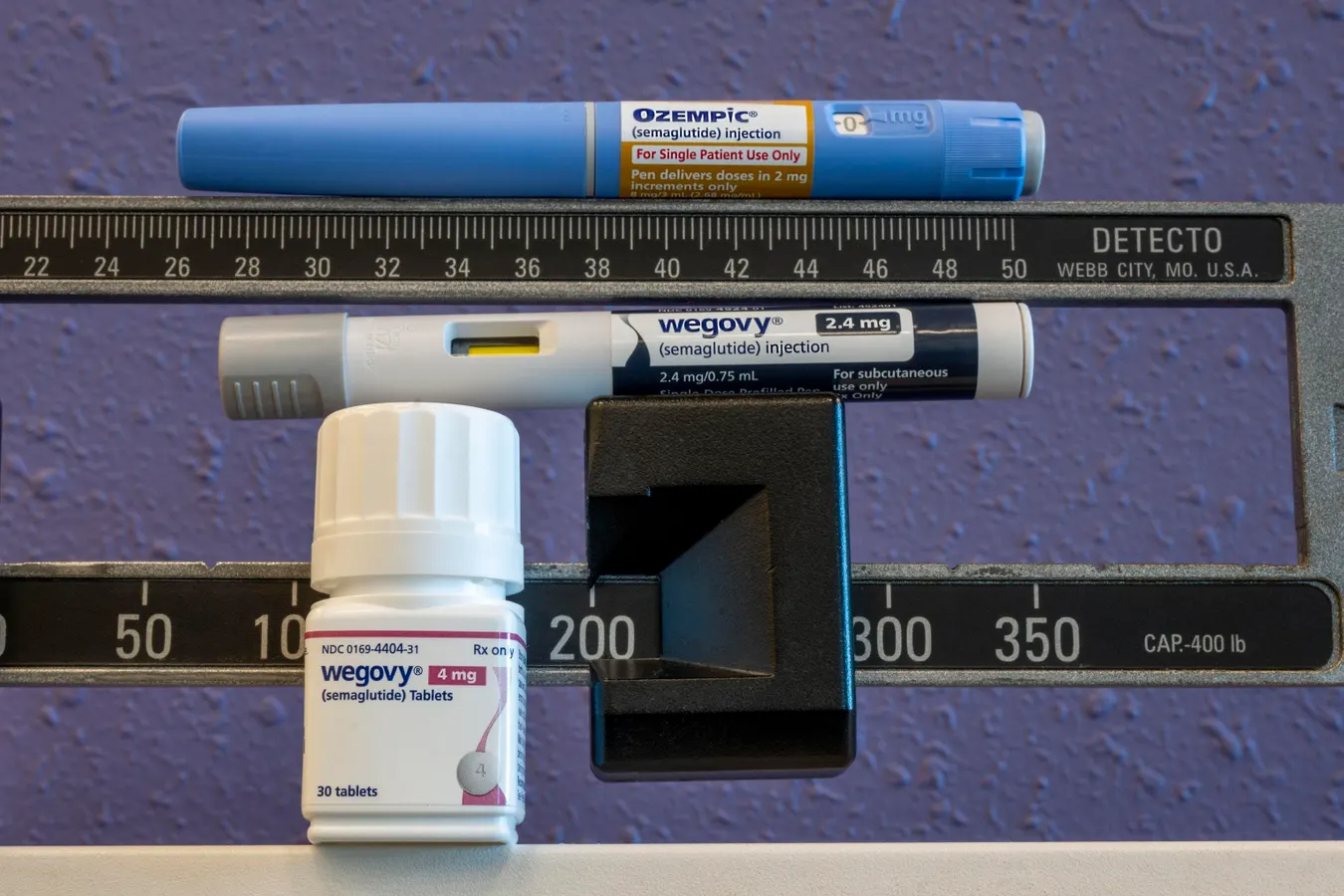
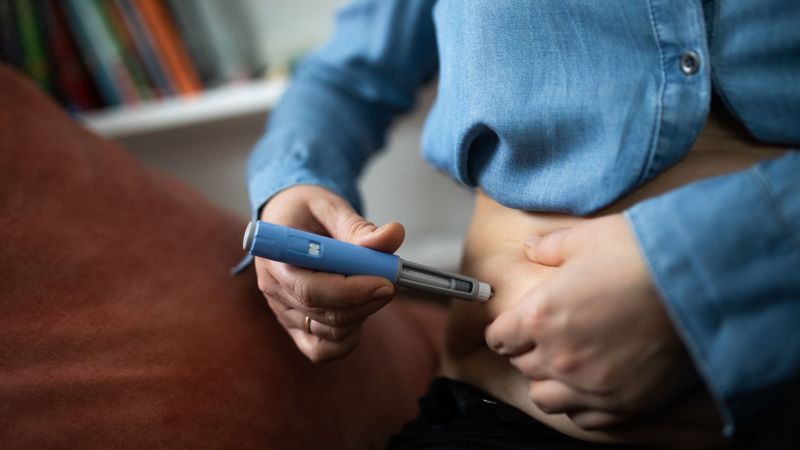
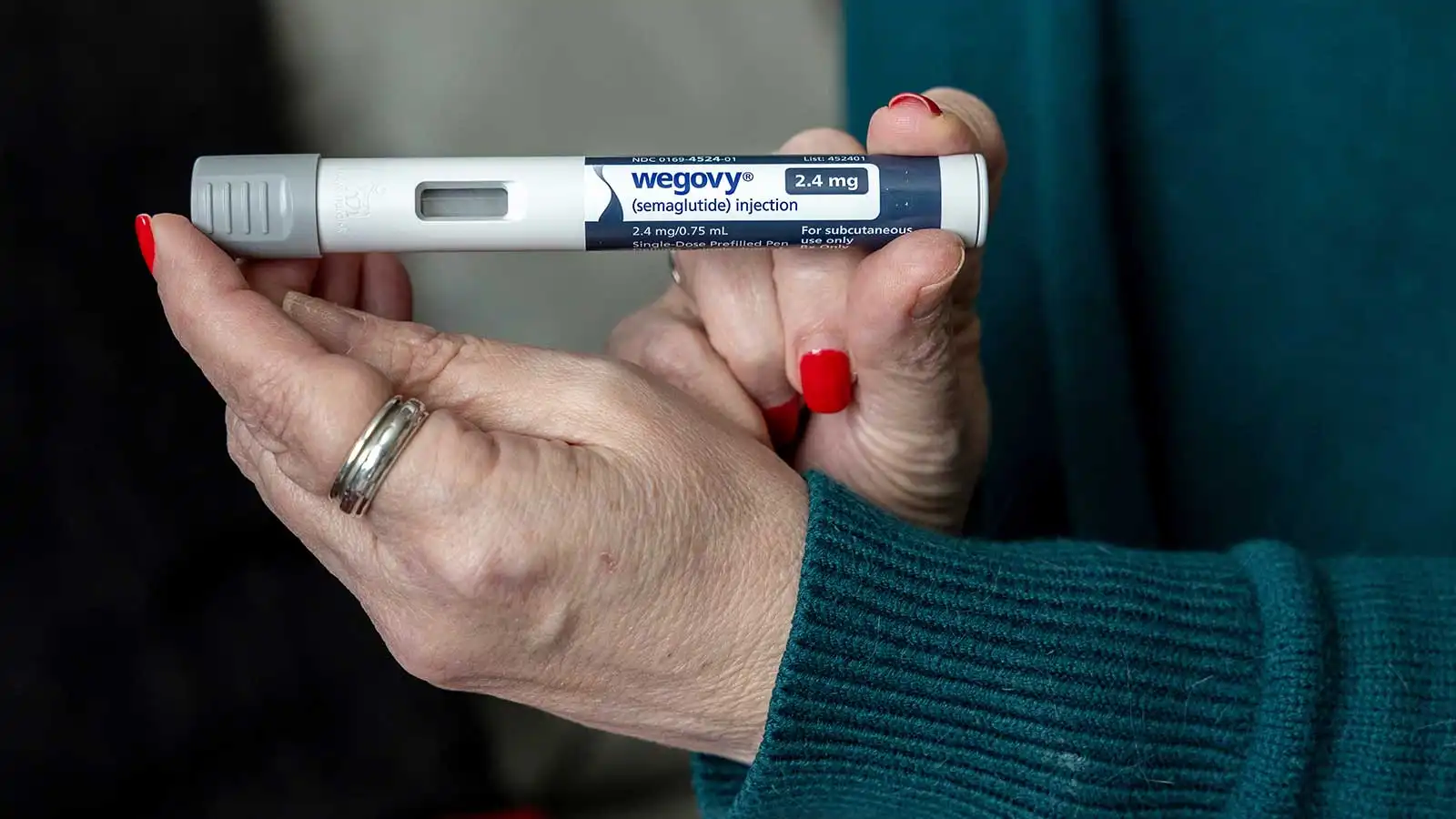
For many primary care physicians, a similar sigh now accompanies the start of Medicare’s “Bridge” program, which promises discounted access to the GLP‑1 weight loss medications Wegovy, Zepbound, and Foundayo. Despite its admirable goal — making highly effective treatments more affordable — the program risks doing the opposite by creating a complex, burdensome process that could limit access in practice.
As of July 1, eligible Medicare beneficiaries may obtain these medications for a sharply discounted out-of-pocket cost of $50 per month. That is the headline many patients will hear and remember.
What follows, however, is far more complicated. Eligibility depends on a detailed checklist of body mass index thresholds, specific combinations of chronic conditions, and prior treatment histories. Many patients will not absorb these details, and many clinics will need time and effort to interpret them.
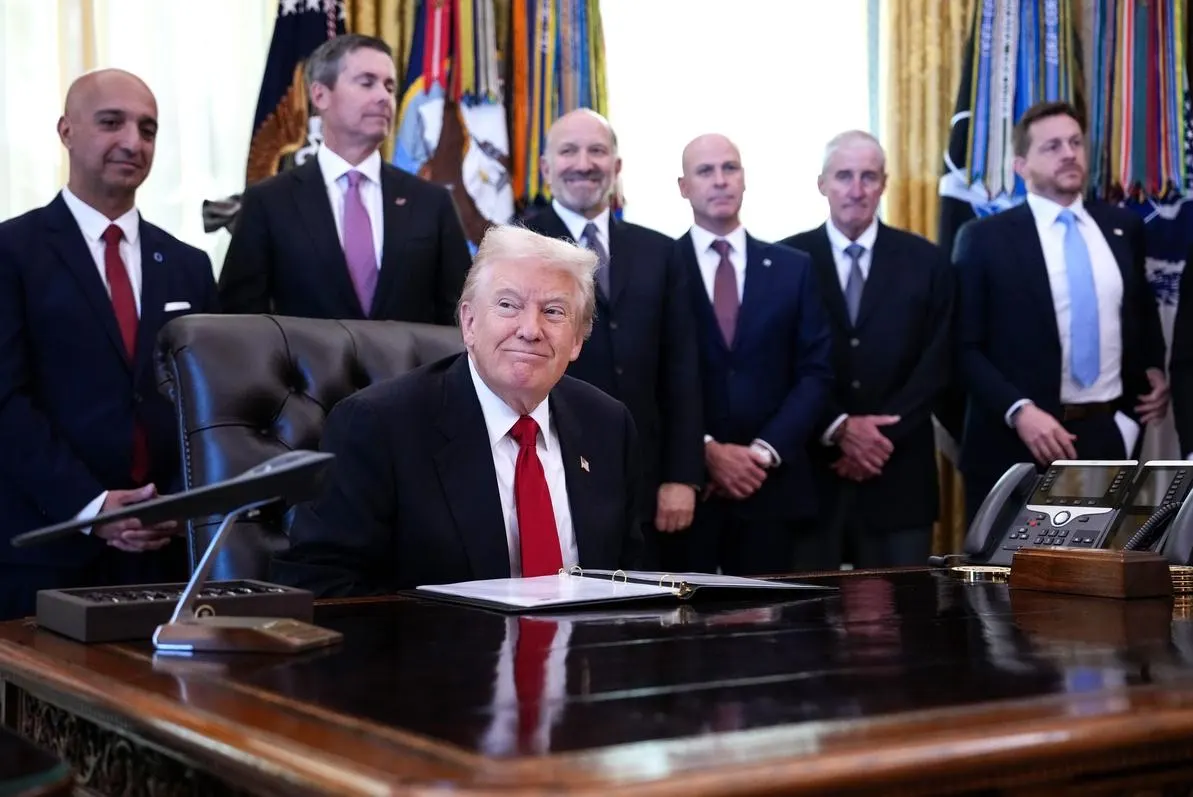
The Bridge program was intended to lead to Balance — a future in which GLP‑1 therapies are fully integrated into Medicare Part D coverage and accessible to the millions of beneficiaries who could benefit from them. But the Trump administration canceled Balance and has extended Bridge through the end of 2027.