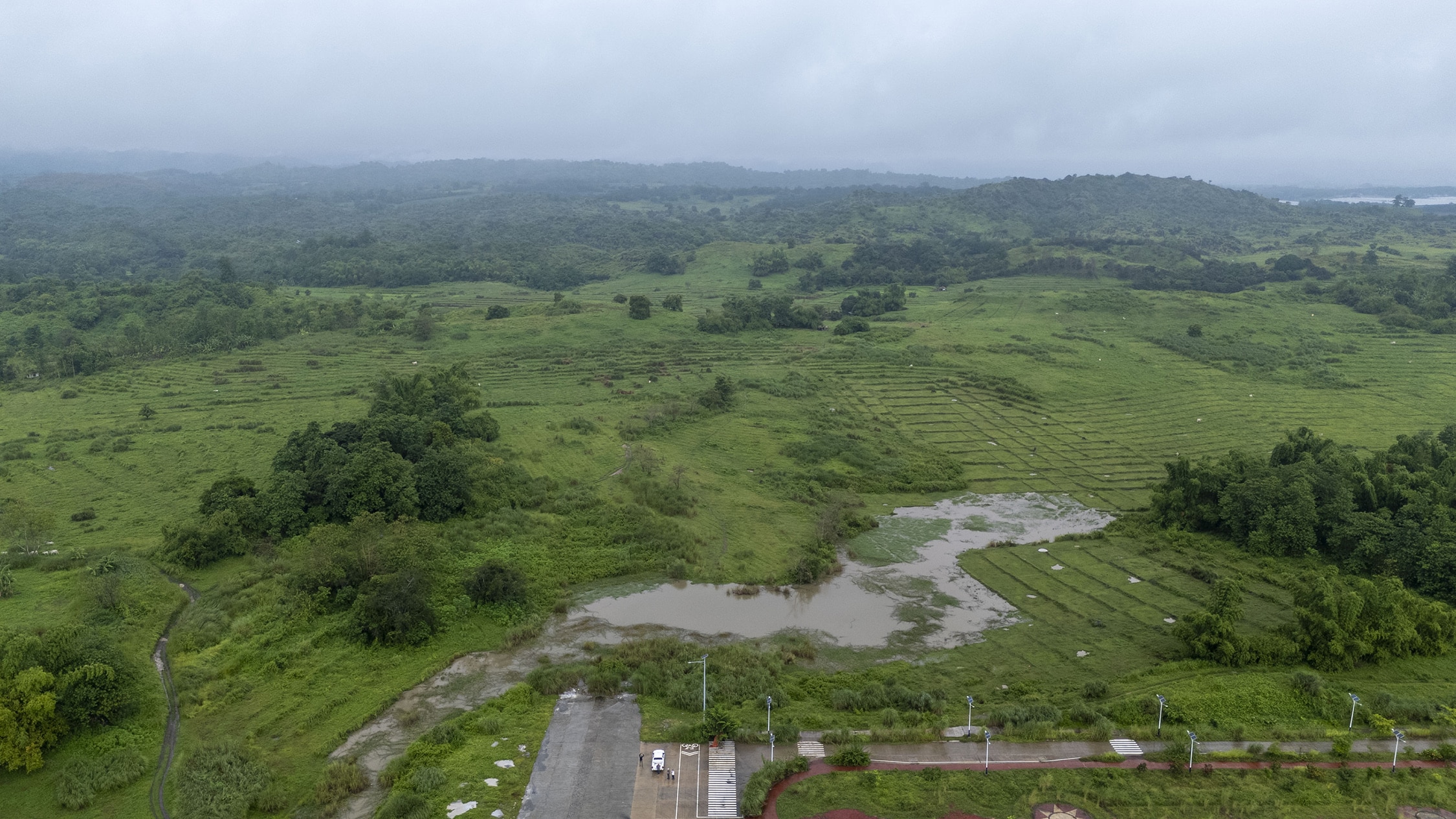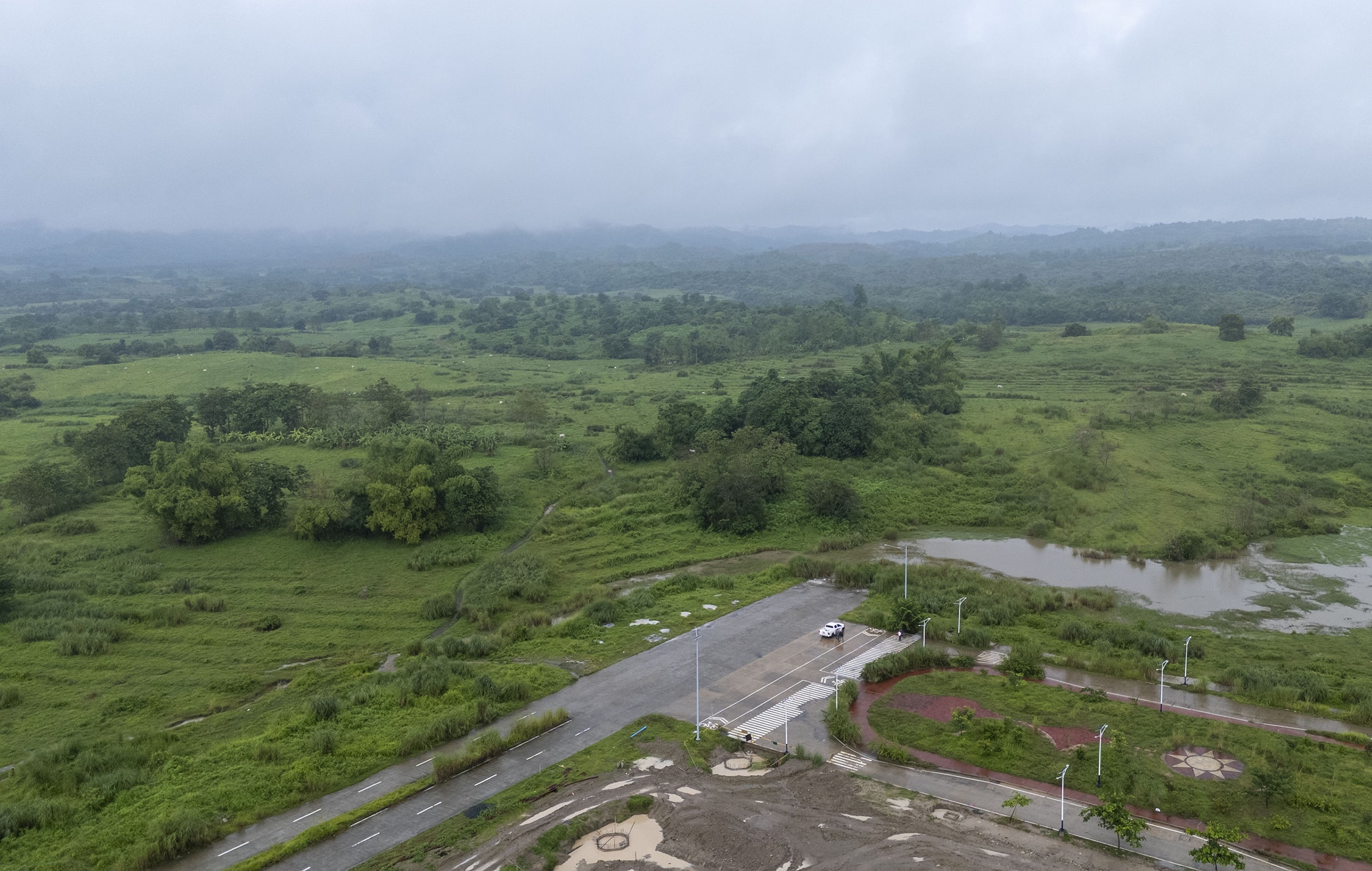
Pax Silica, envisioned as a semiconductor and artificial intelligence hub in New Clark City, would require 3 gigawatts of power and 39 billion liters of water annually. Current plans rely on a mix of solar power and liquefied natural gas (LNG) for energy and reservoirs combined with advanced zero liquid discharge (ZLD) recycling systems for water.
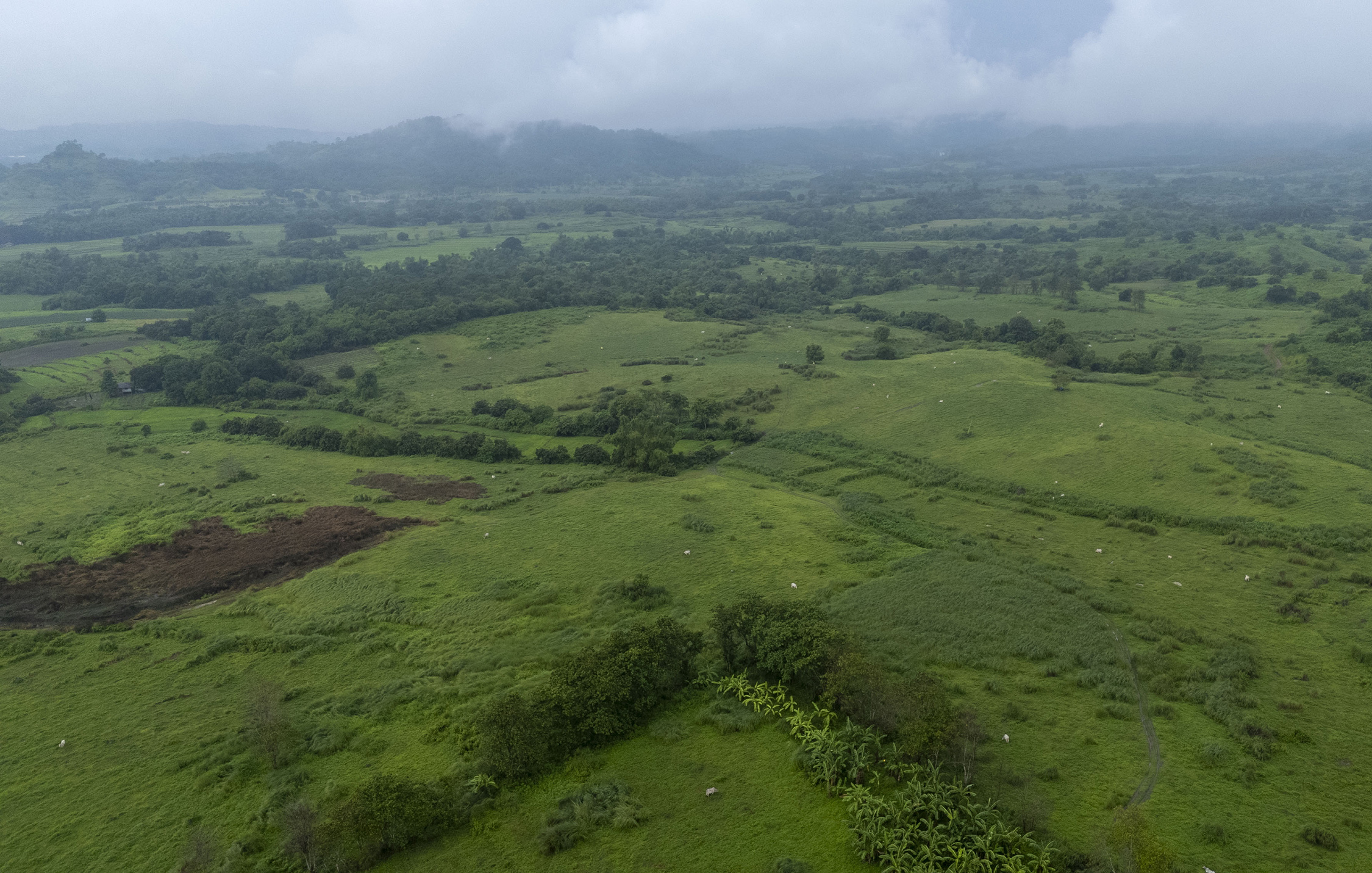
Updated calculations, including land acquisition costs, put upfront investments at ₱301 billion to ₱424 billion ($4.9 billion to $6.8 billion), rising to ₱325 billion to ₱484 billion ($5.2 billion to $7.8 billion) over 50 years. Land requirements exceed 20,000 hectares for solar farms and 390 to 780 hectares for reservoirs, far beyond Pax Silica’s current 1,600-hectare lease and potentially displacing agricultural and community land.
The diversion of this land would have significant food security implications. If planted with rice, corn or sweet potato, the affected land could otherwise feed an estimated 250,000 to 600,000 Filipinos annually — equivalent to 20% to 25% of Tarlac’s population or 10% to 15% of Pampanga’s population. The trade-off between industrial expansion and food production could increase dependence on imports and vulnerability to global price shocks (FAO, 2011; Ofreneo, 2014).