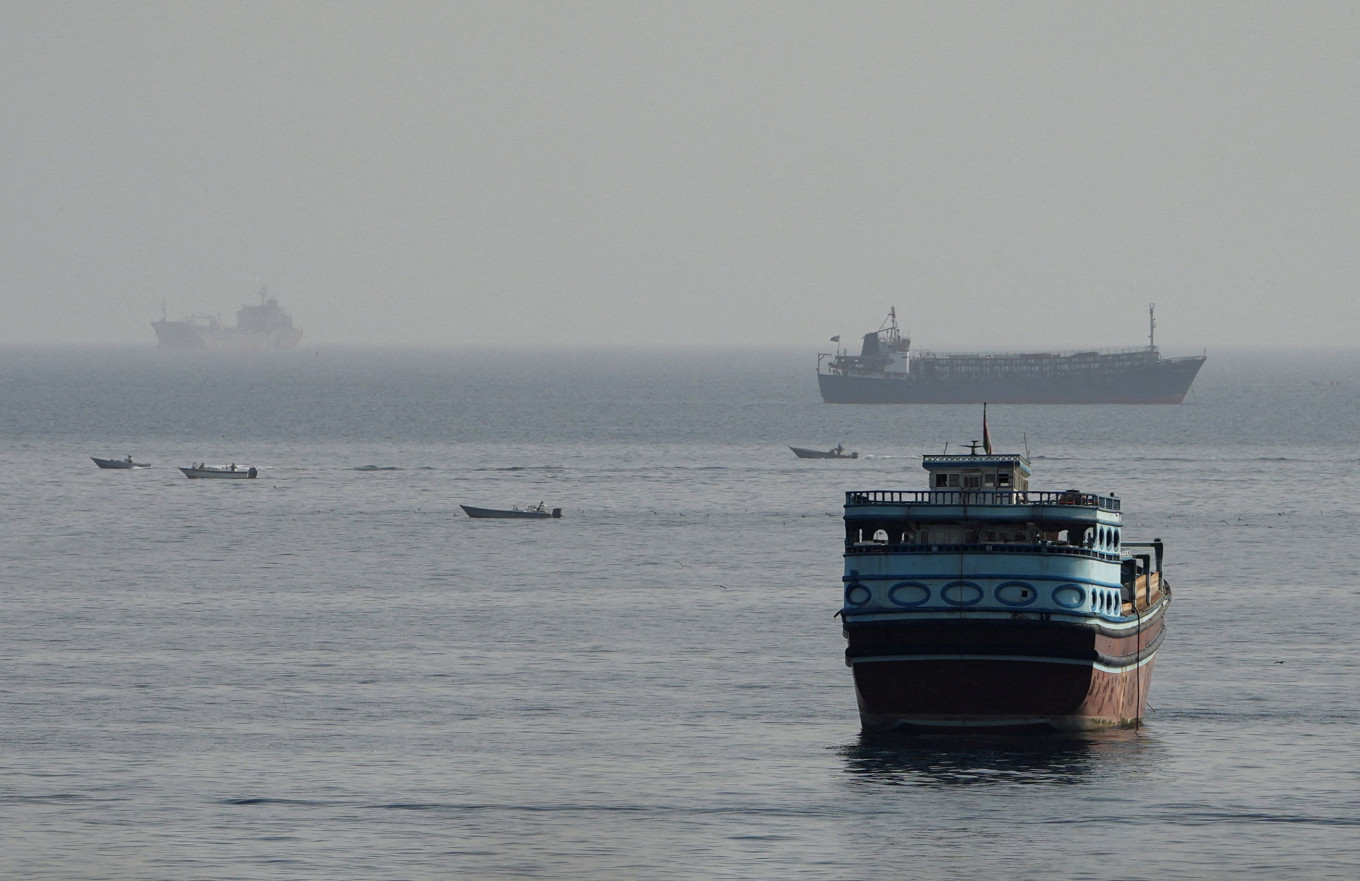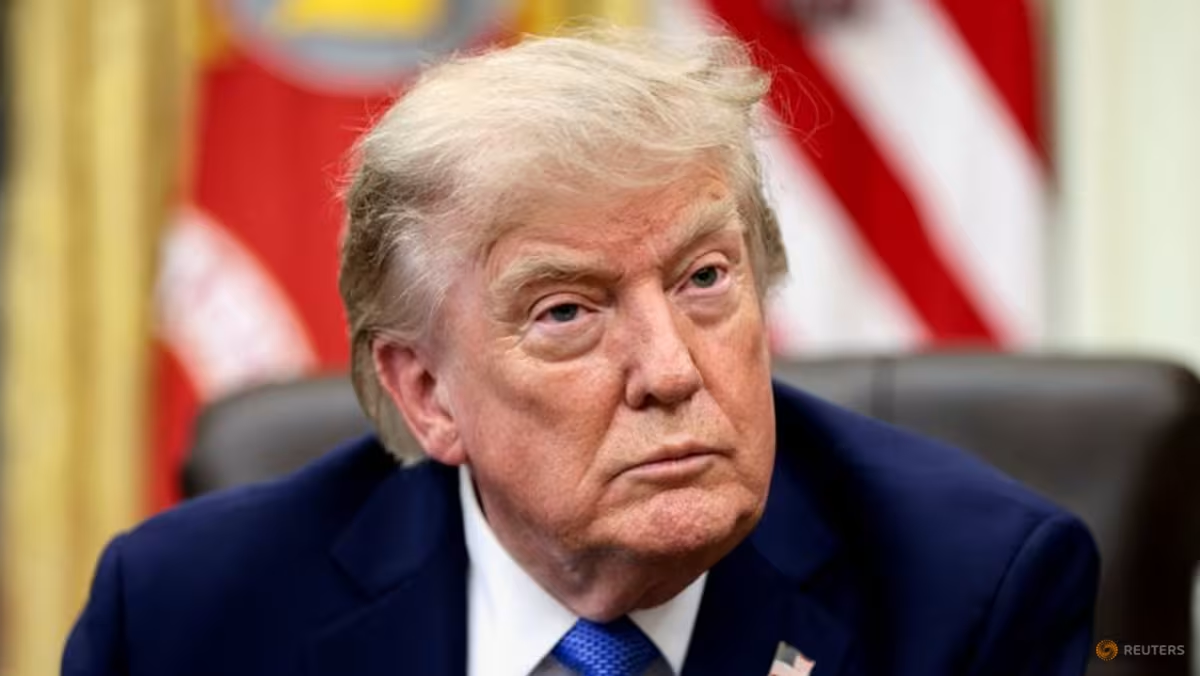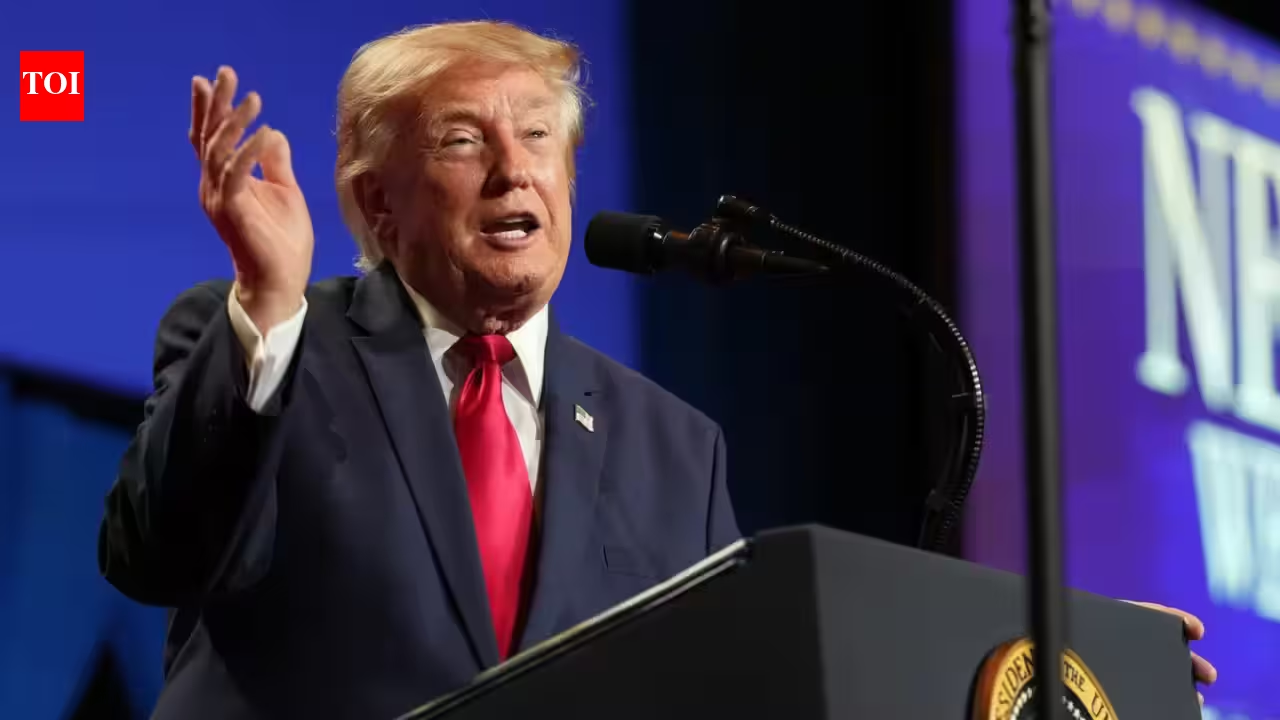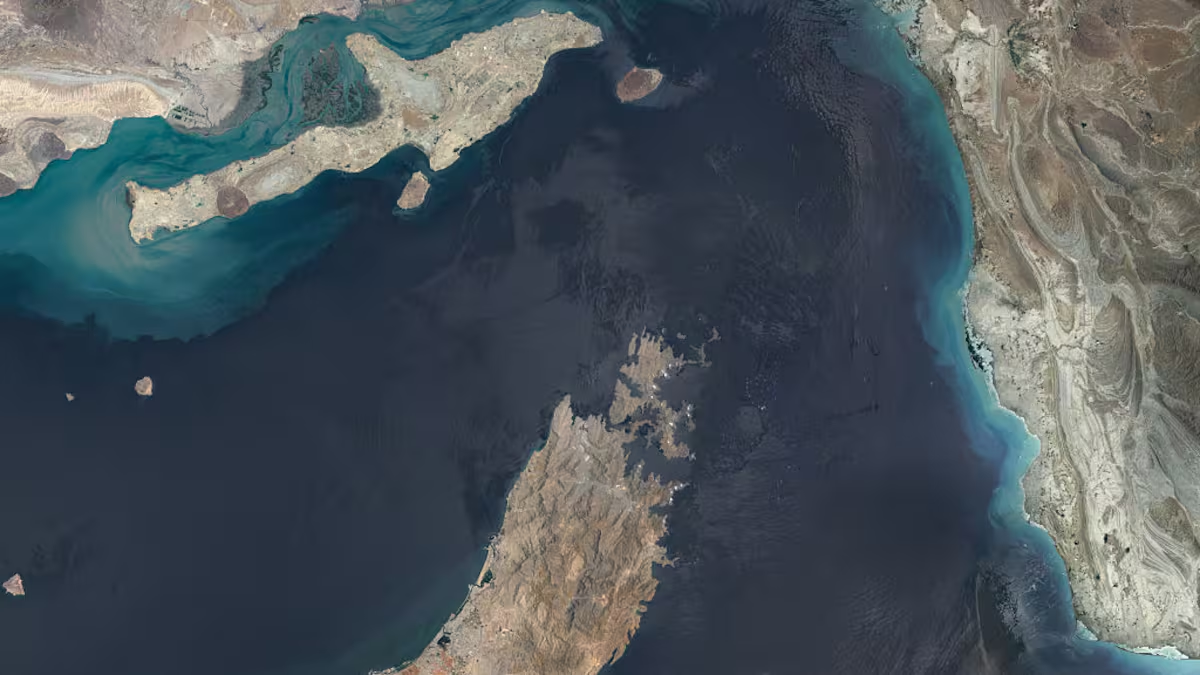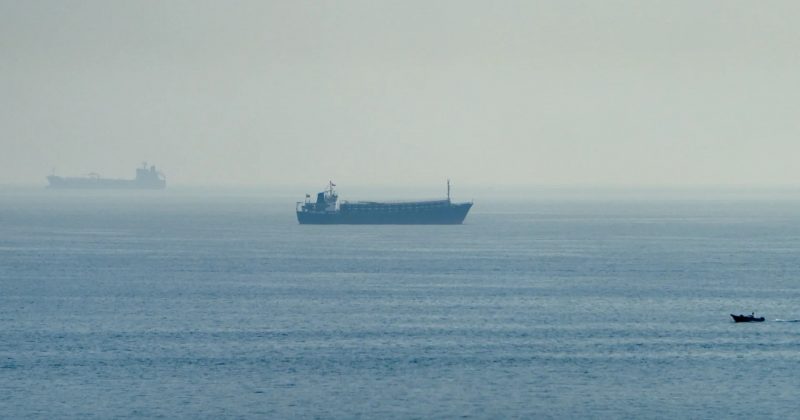
U.S. President Donald Trump has intensified his rhetoric toward Iran, declaring that the Islamic Republic must pay reparations for past attacks. This stance comes as negotiations over the reopening of the Strait of Hormuz continue, with the strategic waterway remaining a point of contention between the U.S., Iran, and Oman. The demand for reparations adds a complex financial layer to the ongoing diplomatic and security discussions, indicating a potential escalation in the crisis. The Strait, a vital global energy chokepoint, remains closed to commercial shipping, with talks still unresolved.
The market pricing on the potential for Iran to impose fees on transit through the Strait of Hormuz reflects heightened uncertainty. The odds for Iran charging such fees by October 31, 2026, have risen to 44.5%, up from 42% just 24 hours ago, suggesting market participants are weighing the possibility of further escalation. Meanwhile, the chance of Iran implementing fees by the end of August remains low, holding steady at 8%. This suggests participants foresee limited immediate changes but acknowledge a longer-term risk.
As tensions persist and negotiations continue, the situation remains fluid, with market behavior indicating a cautious view of potential developments. The Strait of Hormuz is central to global energy supply, and any disruption could have significant regional and international implications.