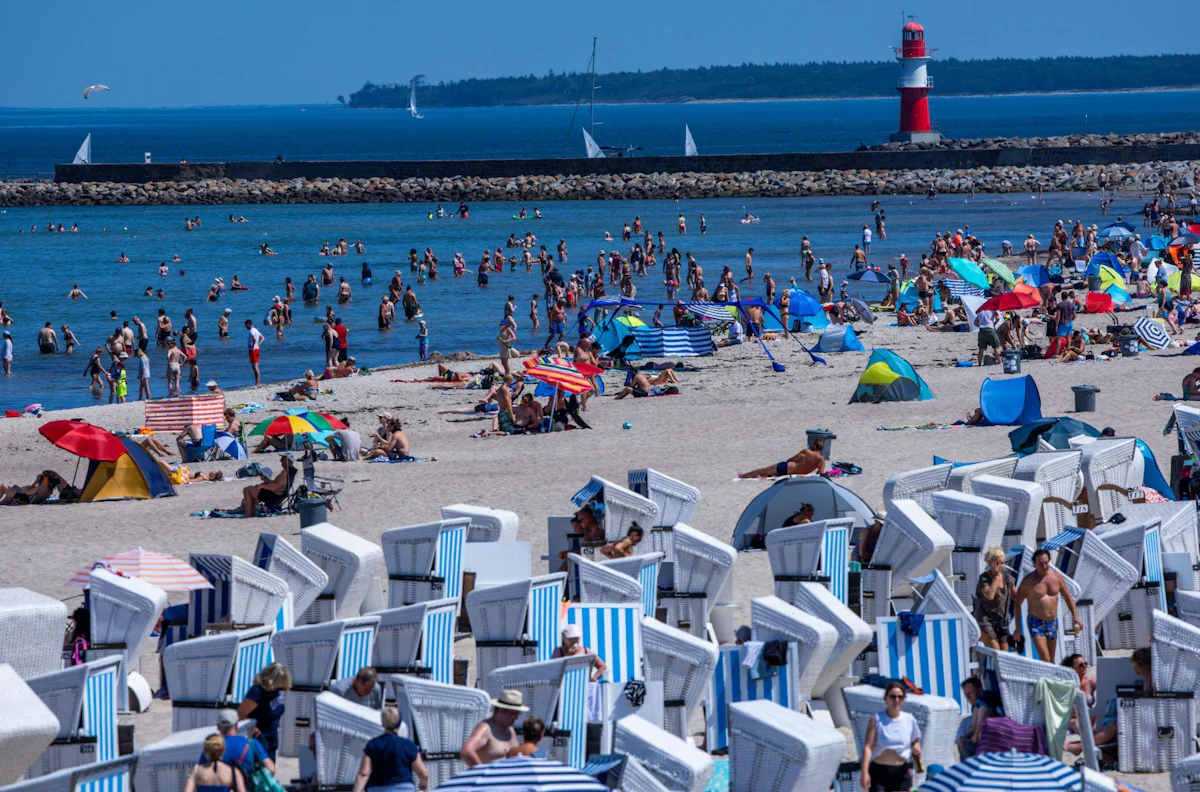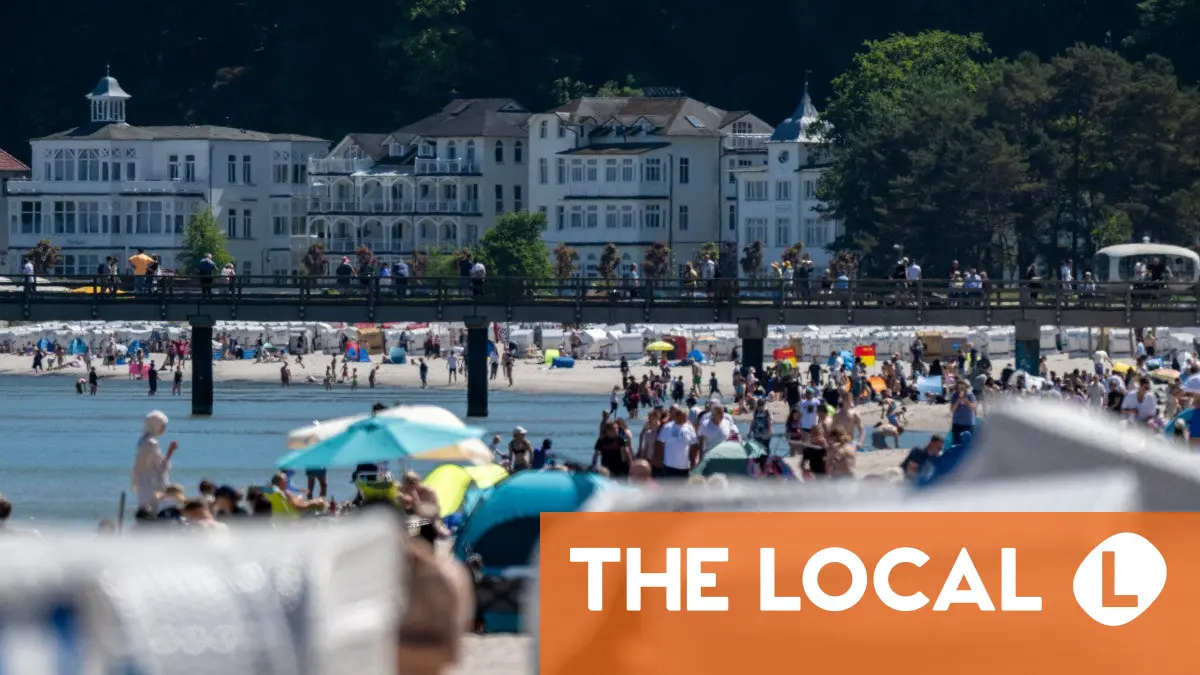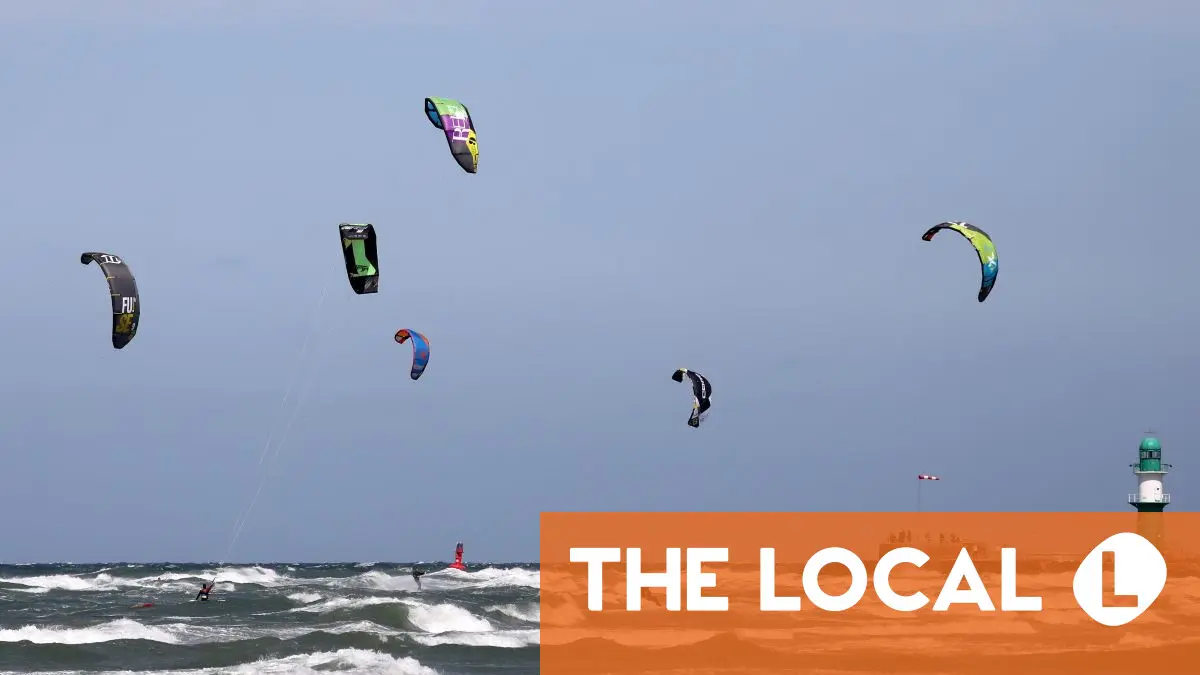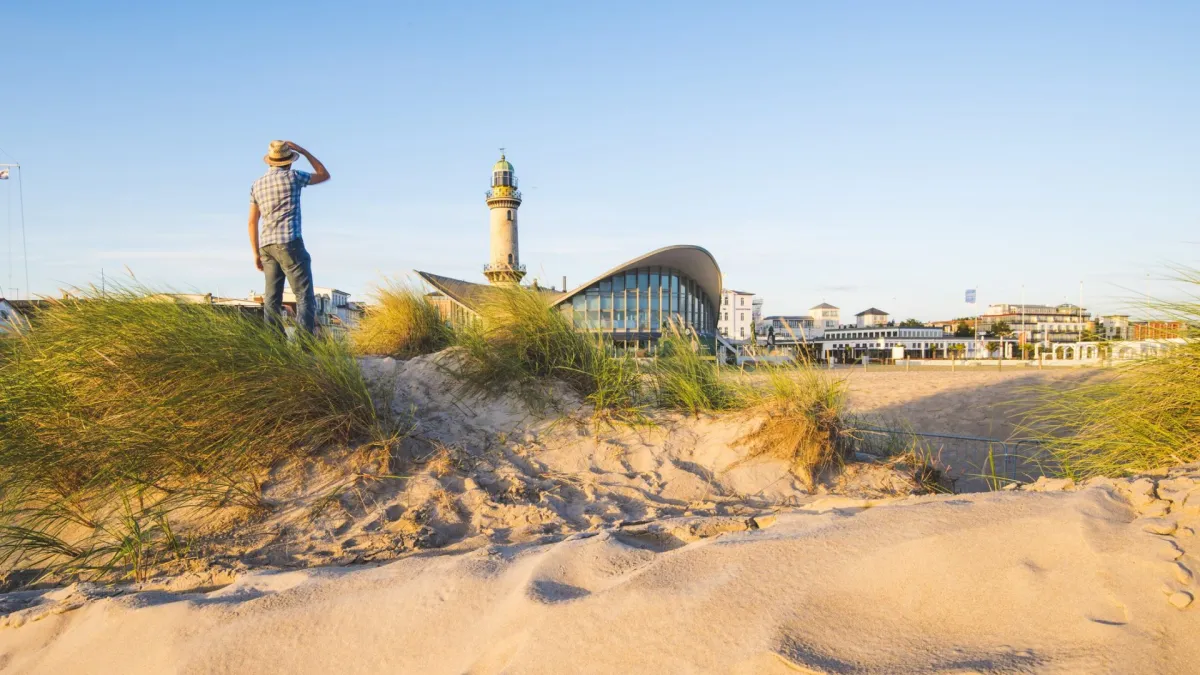
I stumbled upon “Berlin-on-Sea” almost by chance. I’d come to the city of Rostock, just over two hours by train north of Berlin, for solid historical reasons, having a personal interest in the huge medieval trading empire that was the Hanseatic League. And because it wasn’t strictly part of Rostock itself, I’d overlooked the fact that this riverport was also connected to a glorious stretch of Baltic sand, backed by hotels, villas and fishermen’s cottages. The closest seaside resort to Germany’s capital.
My initial impression of downtown Rostock was slightly disappointing. Apart from a good long stretch of city wall, it had few buildings left from its Hanseatic days. The depredations of World War II and a half century of living behind the Iron Curtain had seen to that. But it was a cheery place nonetheless: particularly along the main pedestrianised shopping street, Kröpeliner Strasse, dotted with those bits of brick Gothic, Baroque and more recent neo-Renaissance facades that the communist German Democratic Republic (GDR) thought worth keeping.
Rostock’s joyful fountain, Brunnen der Lebensfreude (Photo: Andrew Eames)
Different languages were being spoken in the cafes on Kröpeliner’s Universitätsplatz, which is not surprising given that modern Rostock has cruise ships and ferry services to Denmark, Sweden and Lithuania. Many of those visitors were stopping to take photos of Universitätsplatz’s so-called “porno fountain”. Statues from the GDR days are usually propaganda-led, but this square’s open fountain – officially called Brunnen der Lebensfreude – features a joyful collection of human and animal figures in various athletic poses, including a boar doing sit-ups. All are naked, hence “porno”, although the nickname seems a bit unfair, given that huge numbers of statues all around the world are also, as the Germans say, textilfrei (“textile-free”) as were many locals on the nearby beach – but more of that later.