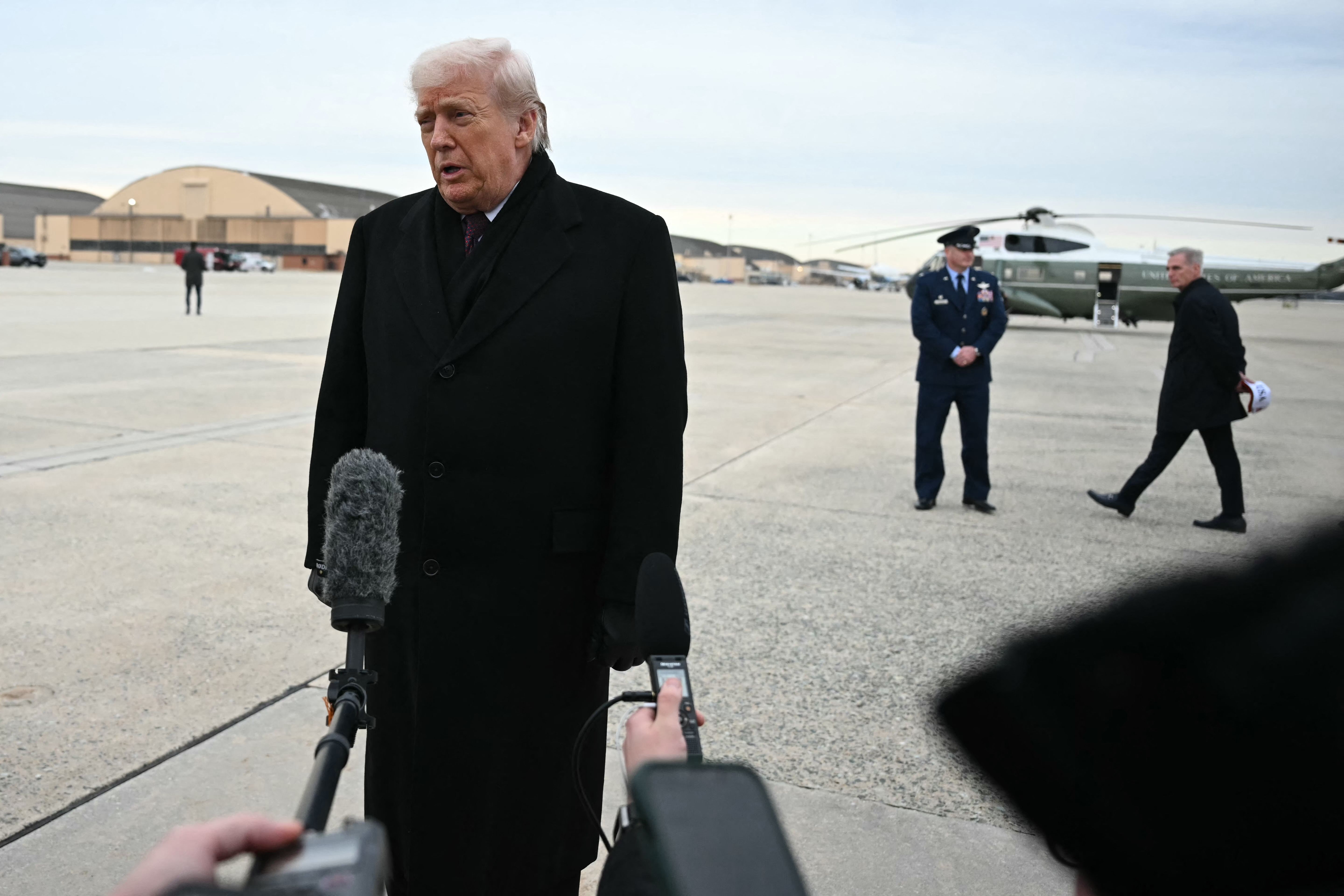
With barely 12 weeks until the US midterm elections, commentators are looking forward to the lame-duck phase of Donald Trump’s presidency. Power tends to ebb away from the White House during an administration’s final years, particularly if – as often happens – the president’s party does badly in November.
Ronald Reagan battled the growing Iran-Contra scandal (involving illicit arms sales to Iran used to fund militants in Nicaragua) and his own cognitive decline. Bill Clinton’s presidency imploded in the Monica Lewinsky affair and his subsequent impeachment. George W Bush meekly left office amidst the shambles of the Iraq War and the 2007-2008 financial crisis.
The protracted theatre of the presidential election cycle can make second-term presidents seem like yesterday’s news, even with two years of their administration remaining. Candidates from the president’s party frequently distance themselves from the incumbent. Only one vice president has succeeded their boss via an election across more than a century: George HW Bush in 1988, who was then kicked out by the voters after a single term.
Shorts
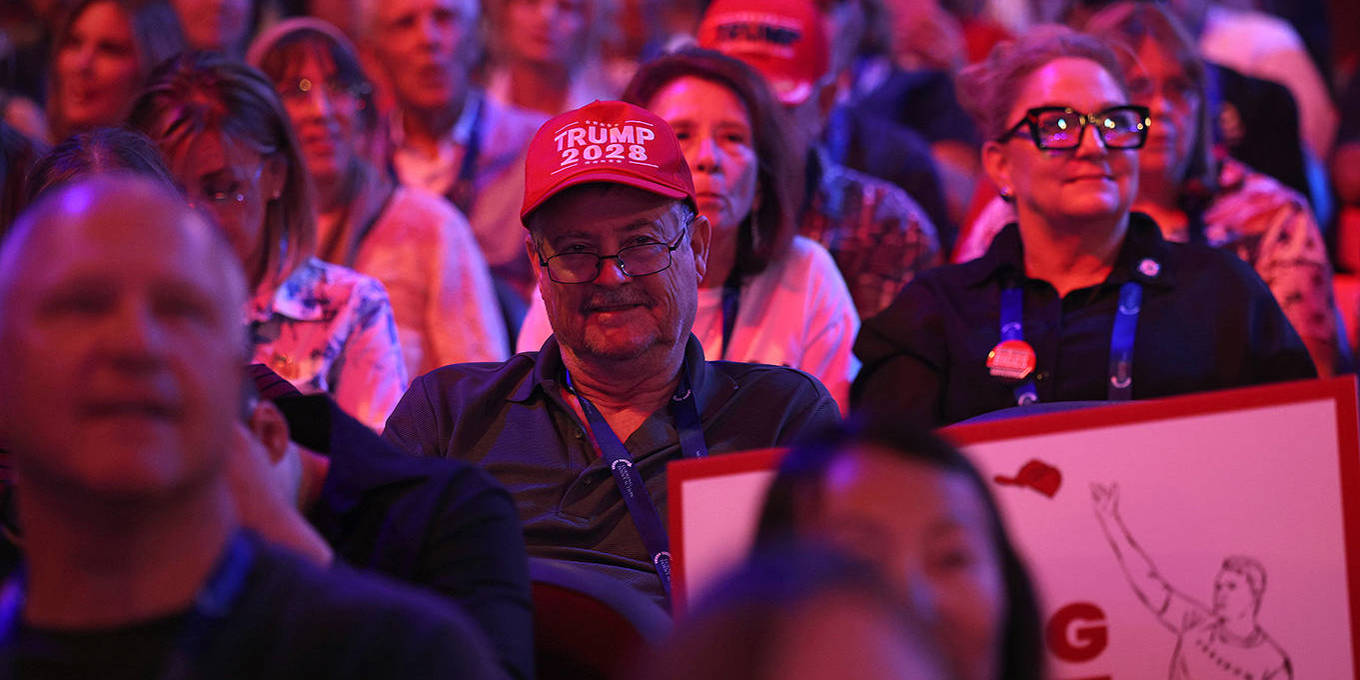
All of this suggests that the millions within and beyond the United States who are excitedly hoping for a post-Trump America may not have much longer to wait, and that the process of de-Trumpifying US politics might be natural. Despite Trump’s suggestions he could try to run in 2028, even the most powerful presidents are bound by the term limits of the Constitution, and virtually none have dictated the course of the president who succeeded them.