Audio By Vocalize
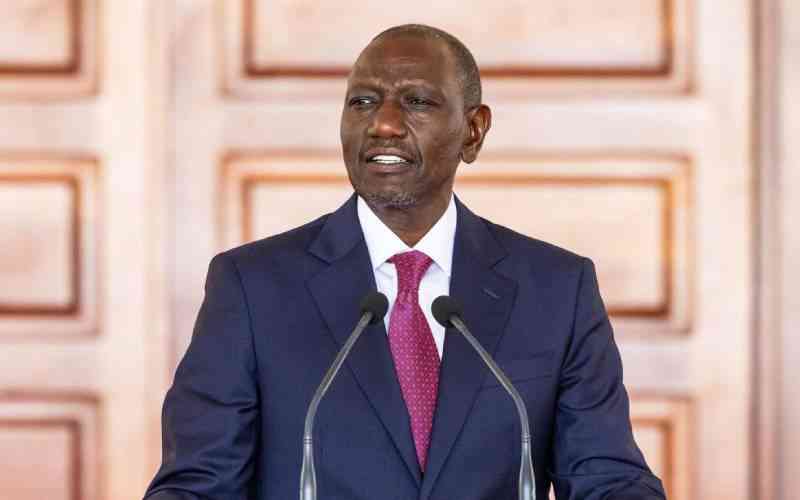
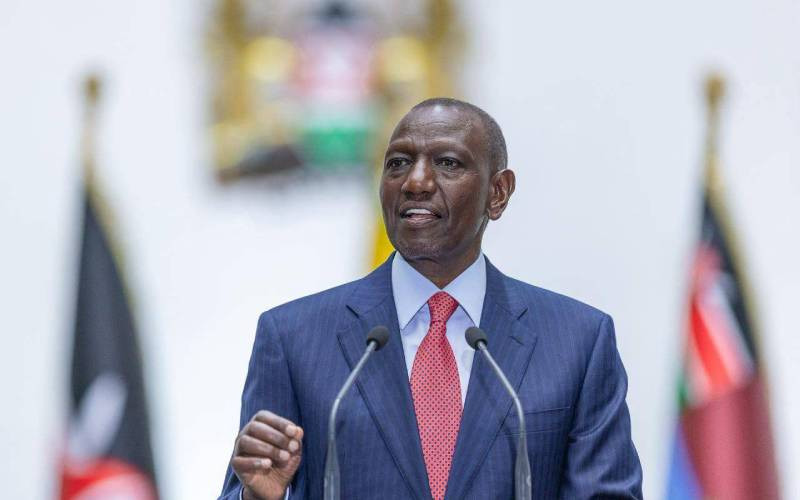
President William Ruto.[File, Standard]
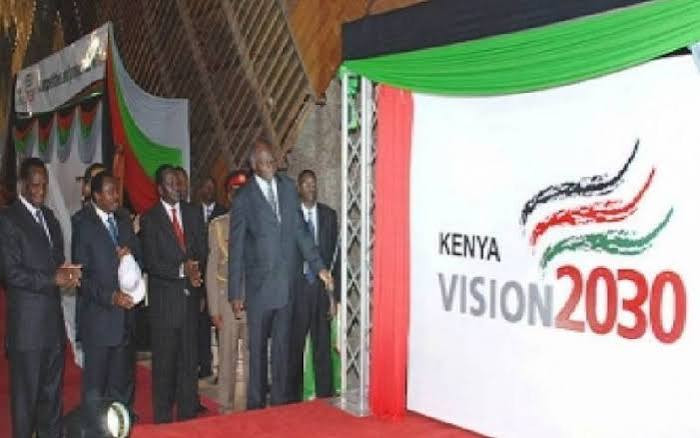
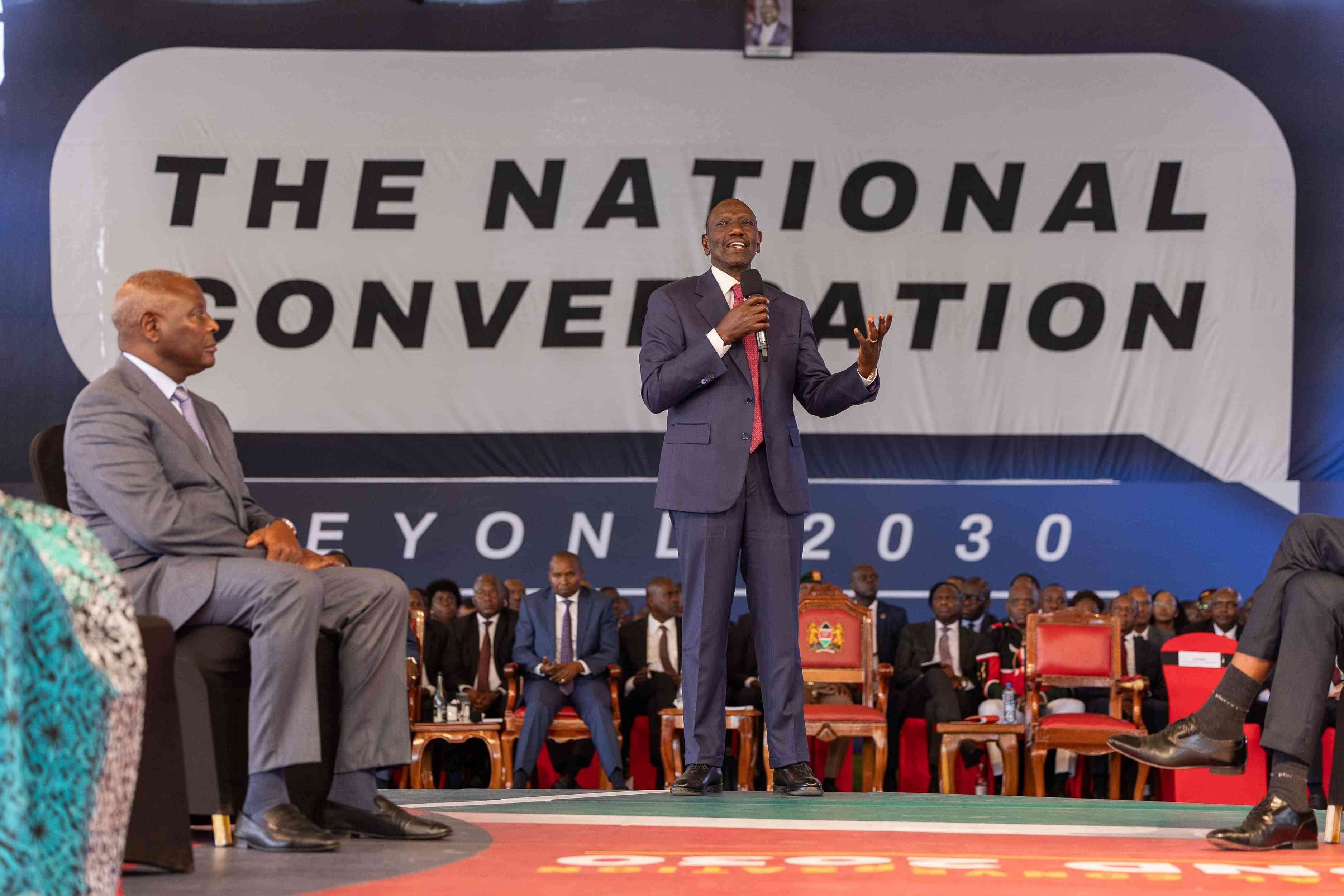
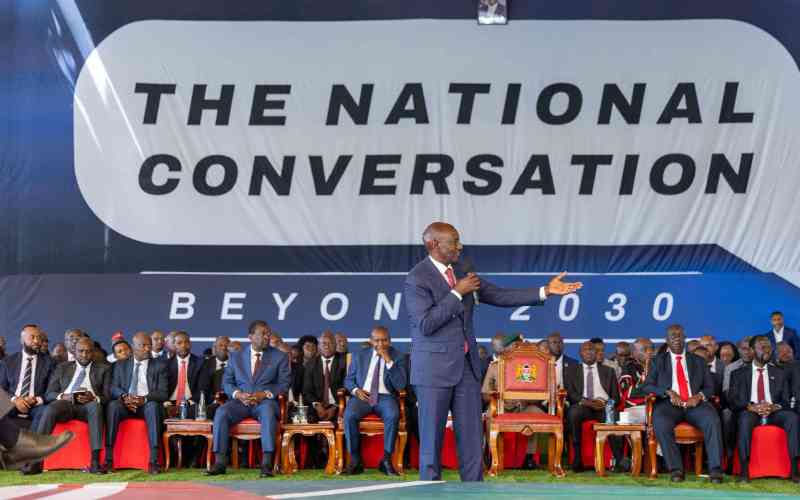
Kenya is once again being asked to imagine the future. As Vision 2030 approaches its end, President William Ruto has announced a new national conversation on what comes next, with consultations expected to begin across the country. Through the commencement of this conversation, it is clear the government understands that there is something seductive about the politics of futurity, particularly in a country where successive governments have built their legitimacy around promises of what Kenya will become. We are repeatedly offered visions of modern cities, a digital economy, industrialisation, infrastructure and global competitiveness. We are ever on the journey of becoming the next Singapore. However, the promise of our arrival is always pushed farther ahead, with little conversation about our various failures to launch.
Beyond imagining the future, there is the present to contend with. There is an uncomfortable contradiction in asking people to imagine Kenya in 2060 when so many are struggling to survive Kenya in 2026, and Vision 2030 remains a pipe dream. This does not mean that Kenya should abandon long-term planning. On the contrary, a country needs to imagine the society it wants to build and work towards achieving the vision. But national visions are far from being politically neutral, and this new envisioning project reflects that clearly by showing us this government’s particular understanding of what constitutes progress.