Audio By Vocalize
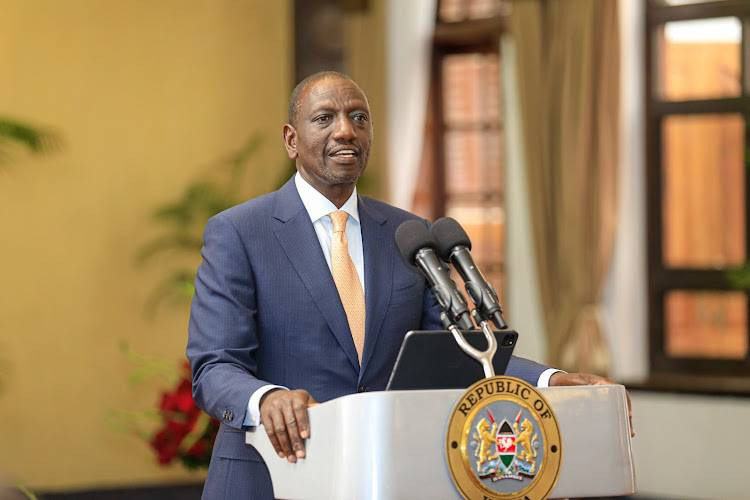
A group of Kenyan scholars and veteran policymakers recently presented President William Ruto with a document outlining the strategic guidelines for long-term national economic transformation. The document’s brilliance lies in its plain clarity.
It is clear about what we ought to achieve (becoming a socially-cohesive and materially prosperous country) and how to get there (reform the public sector, achieve agricultural transformation, boost manufacturing value addition, and invest in the knowledge economy of the future). The document then outlines eight enabling foundations that ought to enable the achievement of the goals set out within the three pillars.
The authors of the document rightly identify policy incoherence as a major stumbling block to economic transformation. To overcome this challenge, it suggests that we should focus on building consensus on national development priorities. To that I would also add the need to deliberately craft development coalitions that bring together policymakers, all major political parties, the private sector, and the wider society.
We need to cultivate a core national agenda that does not change when governments change, or that does not shift with the rhythms of electoral cycles. While the timing of the document’s release may have been inauspicious (right as electoral fever grips the country), it nonetheless challenges us to step back and think seriously about our collective social, political, and economic future.