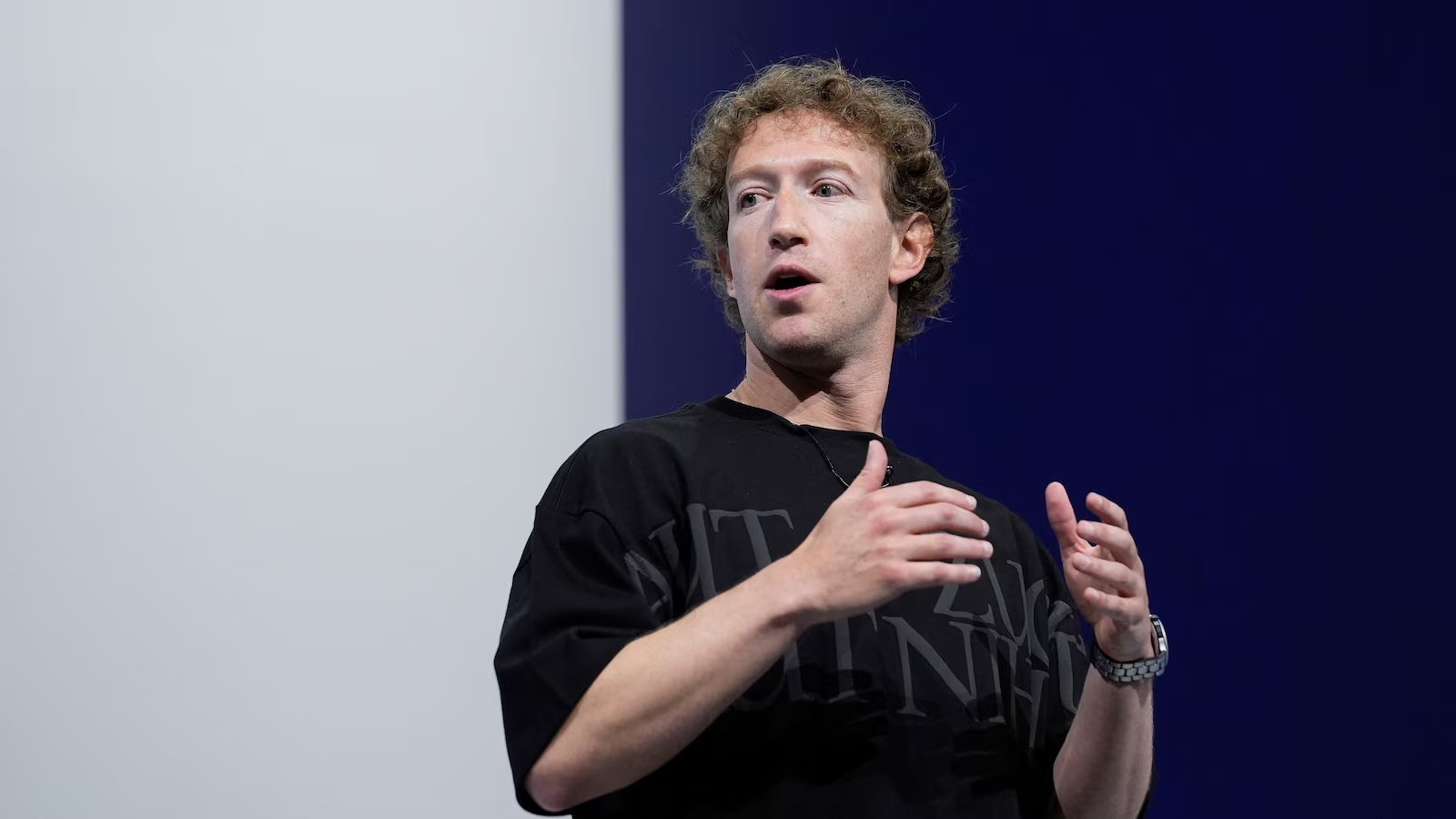
Meta, the company behind Facebook and Instagram, has released a free artificial intelligence tool. The release was accompanied by a 14-page essay from CEO Mark Zuckerberg championing his view of how AI could transform our world and what protections are required. William Brangham discussed more with Mike Isaac of The New York Times.Notice: Transcripts are machine and human generated and lightly edited for accuracy. They may contain errors.
Geoff Bennett:
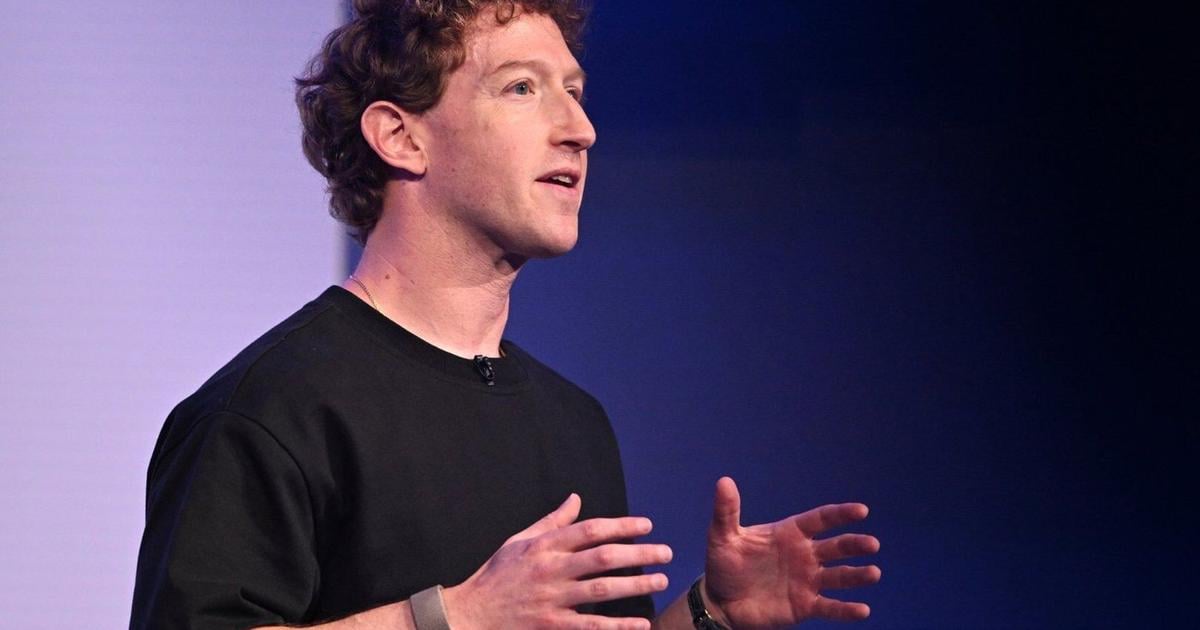
Meta, the company behind Facebook and Instagram, has released a new free artificial intelligence tool today. The release was accompanied by a 14-page essay from Meta CEO Mark Zuckerberg championing his view of how artificial intelligence could transform our world and what protections are required.Our William Brangham as more.
William Brangham:
That's right, Geoff.Meta's new program is called Muse Glimmer. And it's what's known as an open-source model, meaning that anyone can download it, modify it, and use it however they want.In his essay, Zuckerberg makes the case that A.I. tools should all be like this, widely available and open, rather than walled off and controlled by a handful of powerful individuals or companies. He argues that the way forward is through -- quote -- "openness and putting the power of tech into more people's hands, not fewer."This puts Meta at odds with rivals like OpenAI and Anthropic, who argue that these increasingly powerful A.I. tools need to be tightly controlled because of the potential risks.So, for more on this growing debate, we are joined again by Mike Isaac, who's The New York Times' Silicon Valley correspondent.Mike, thank you so much for being here.Help us understand a little bit more. What do we mean when we say something is open-source versus the opposite? What's the distinction here?