The uncertainty surrounding the interaction between constitutional impeachment powers and statutory bank secrecy is itself a weakness in the country's accountability framework
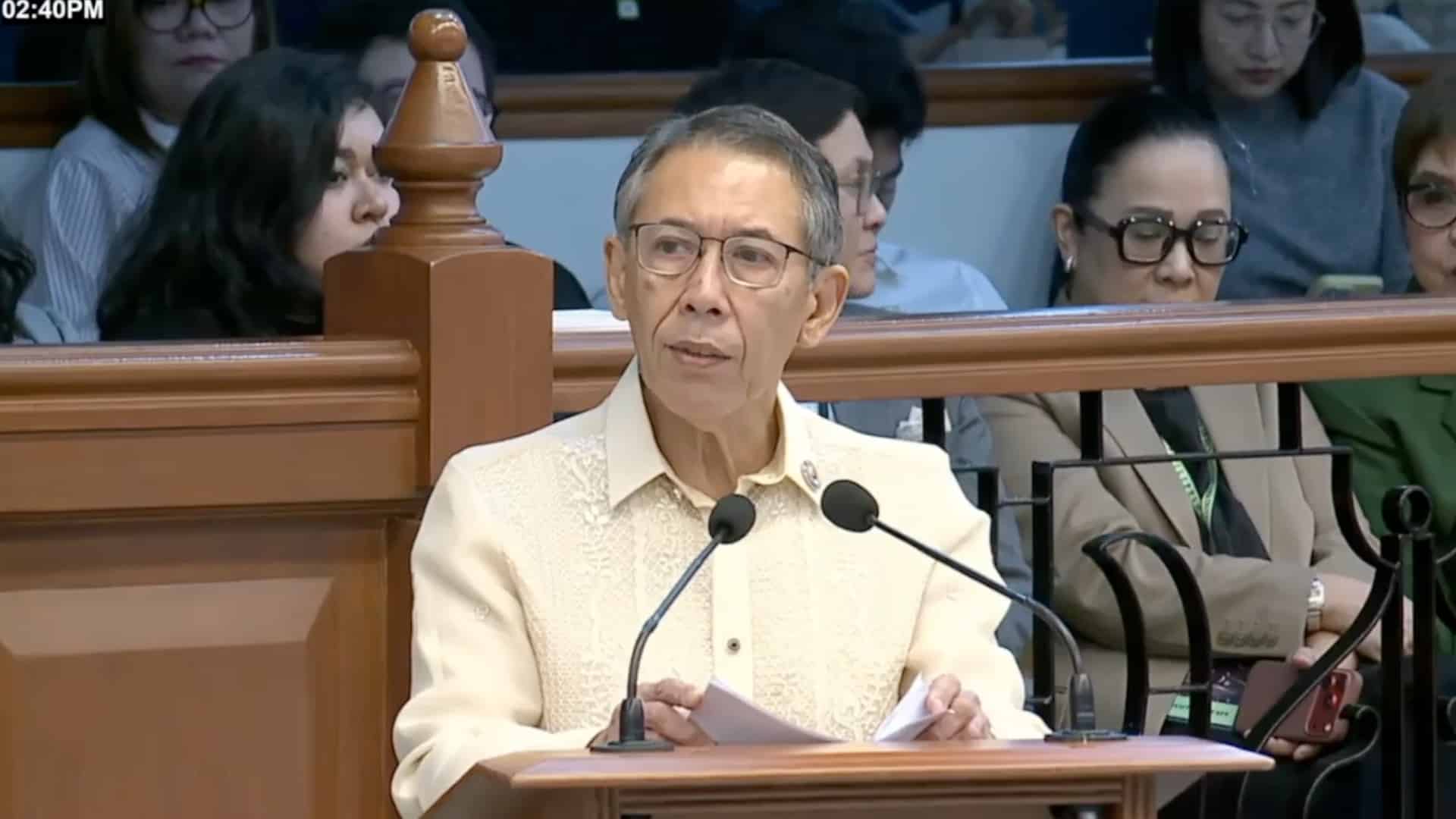
The Senate, sitting as an impeachment court pursuant to the 1987 Constitution, recently granted the prosecution’s request to subpoena a broad range of financial records relating to Vice President Sara Duterte. These include her peso-denominated bank accounts, records from the Anti-Money Laundering Council (AMLC), Bureau of Internal Revenue (BIR) documents, and other financial records involving her husband, lawyer Mans Carpio, and several identified companies and partnerships.
However, the Senate drew the line at the Vice President’s foreign currency deposit (FCDU) accounts. While it authorized access to other financial records, it declined to compel the disclosure of FCDU deposits, citing the strict confidentiality accorded by Republic Act No. 6426, otherwise known as the Foreign Currency Deposit Act.
The ruling highlights an important constitutional question that extends far beyond the present impeachment proceedings: Should statutory bank secrecy prevail when the Constitution requires public accountability from the country’s highest public officials?