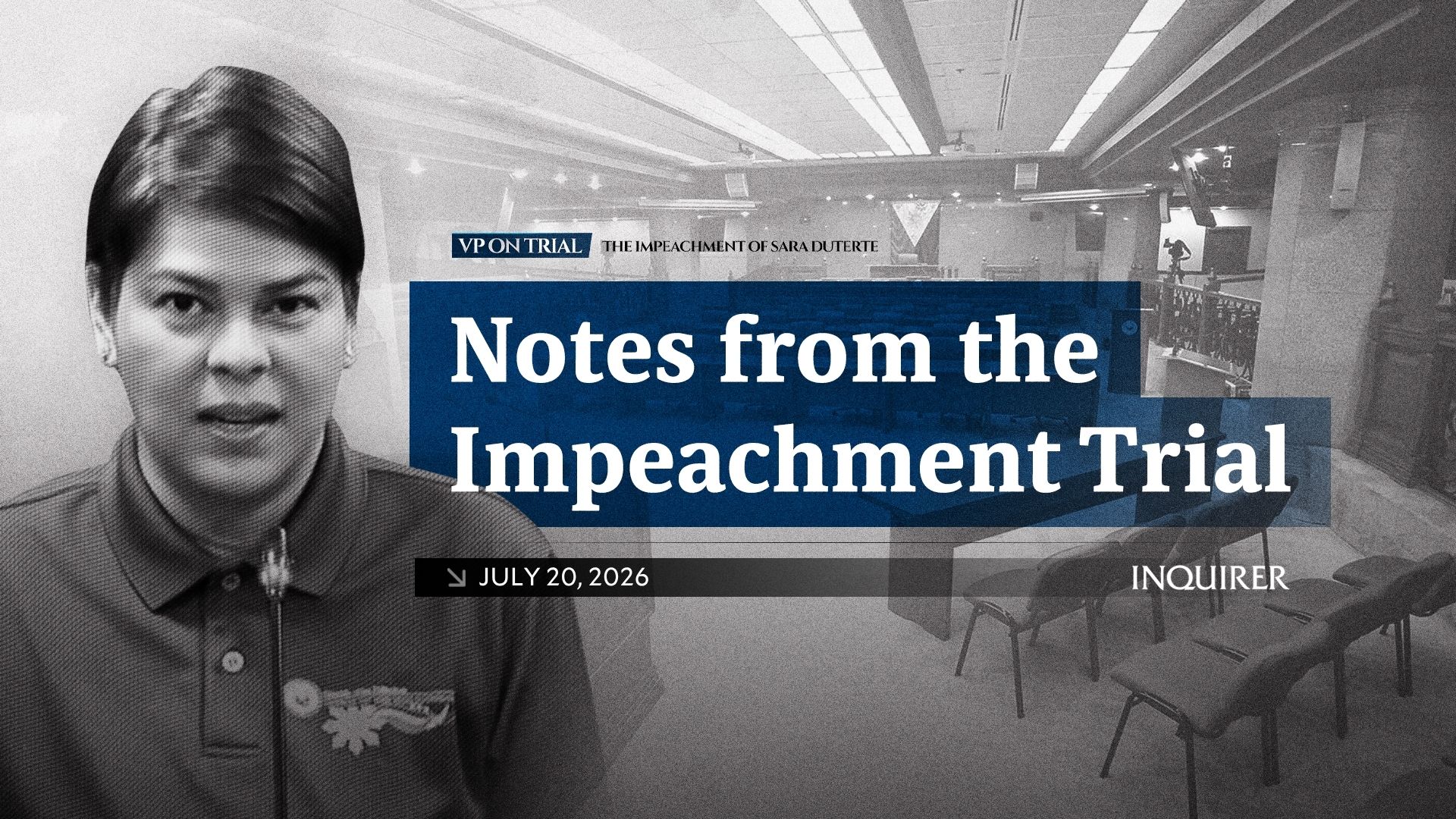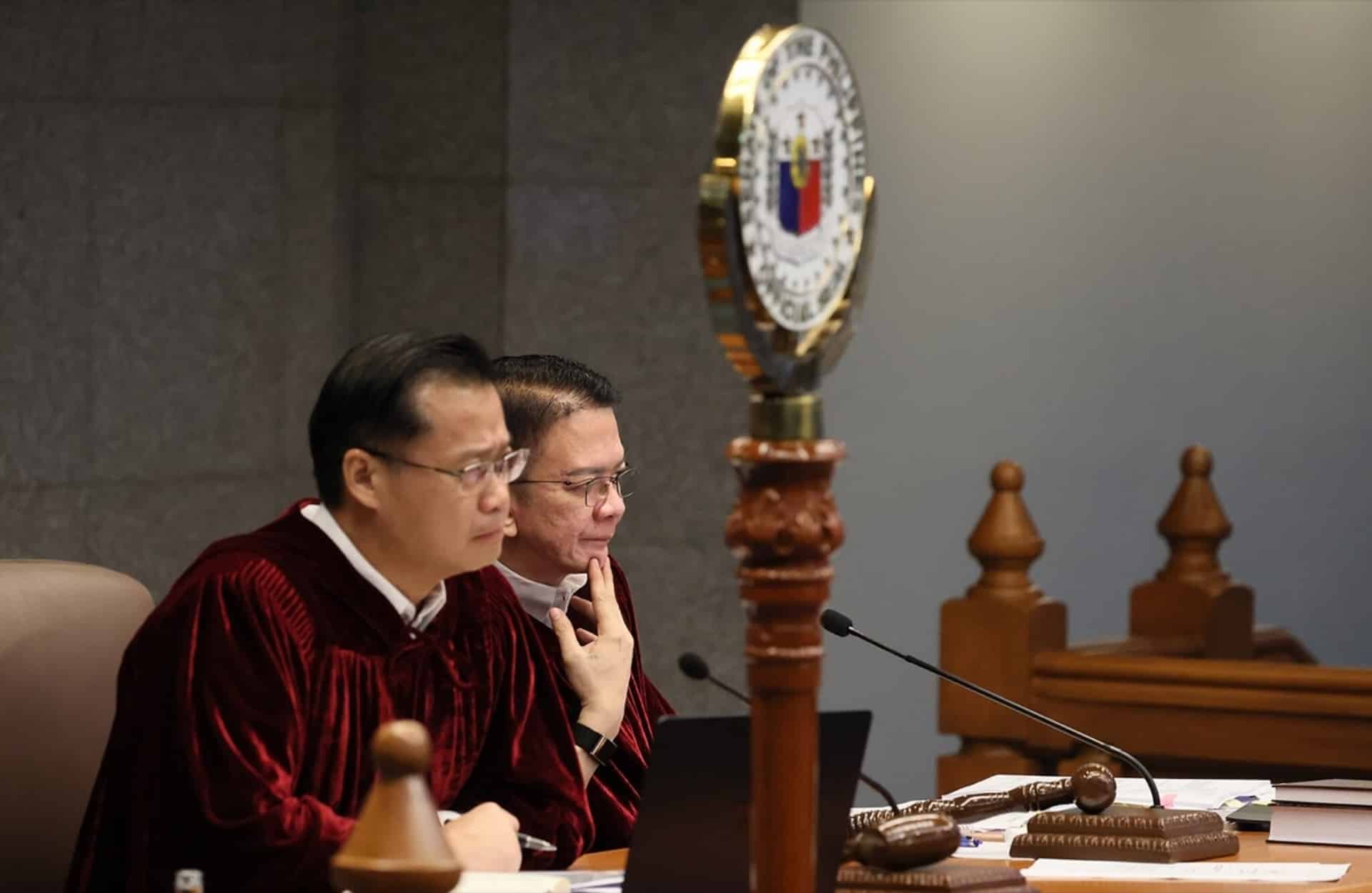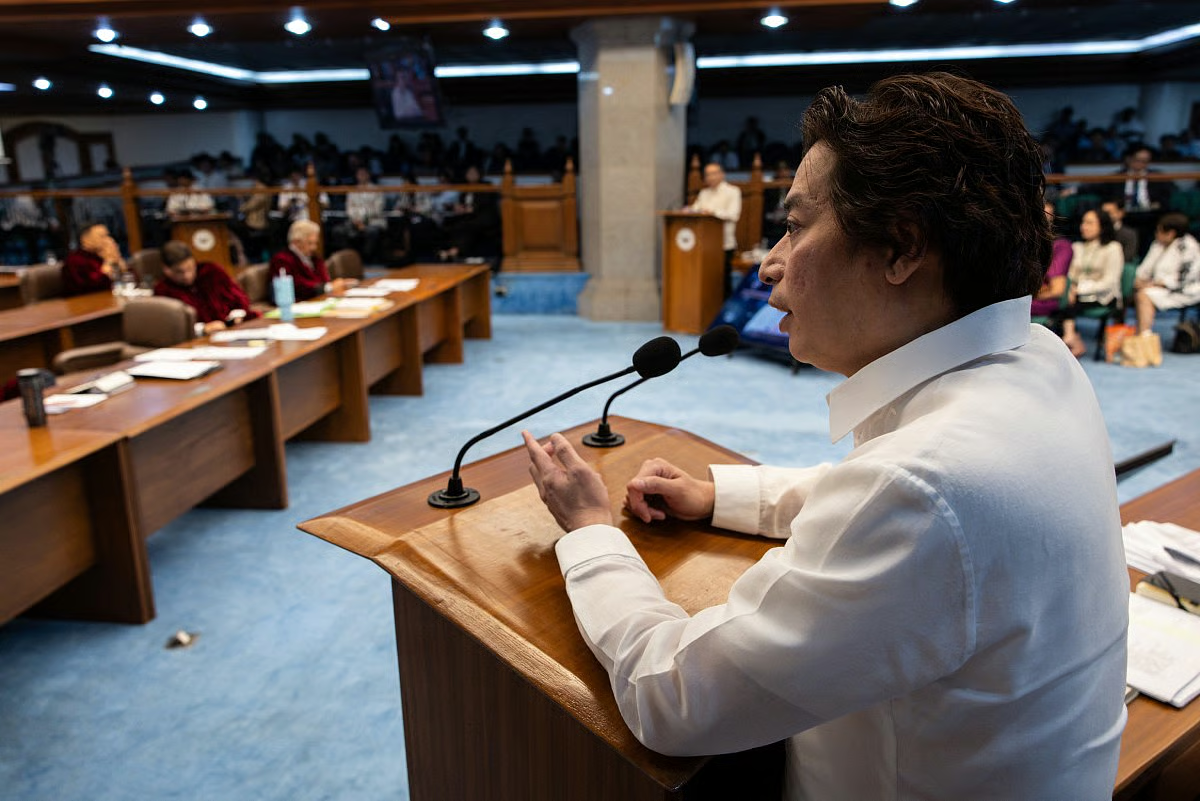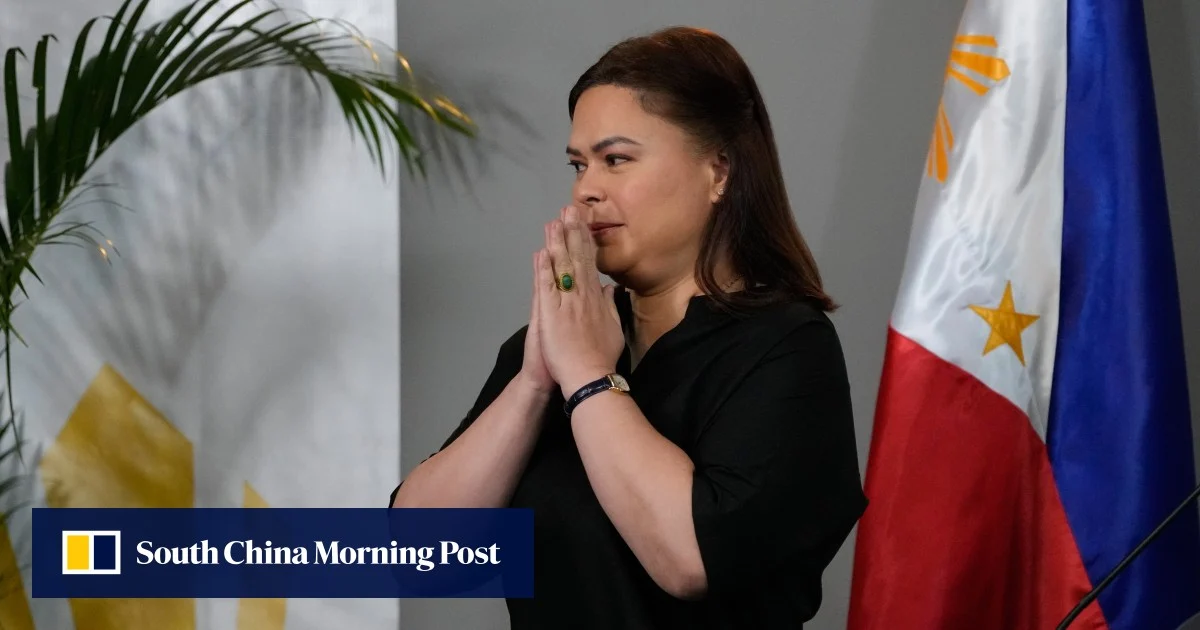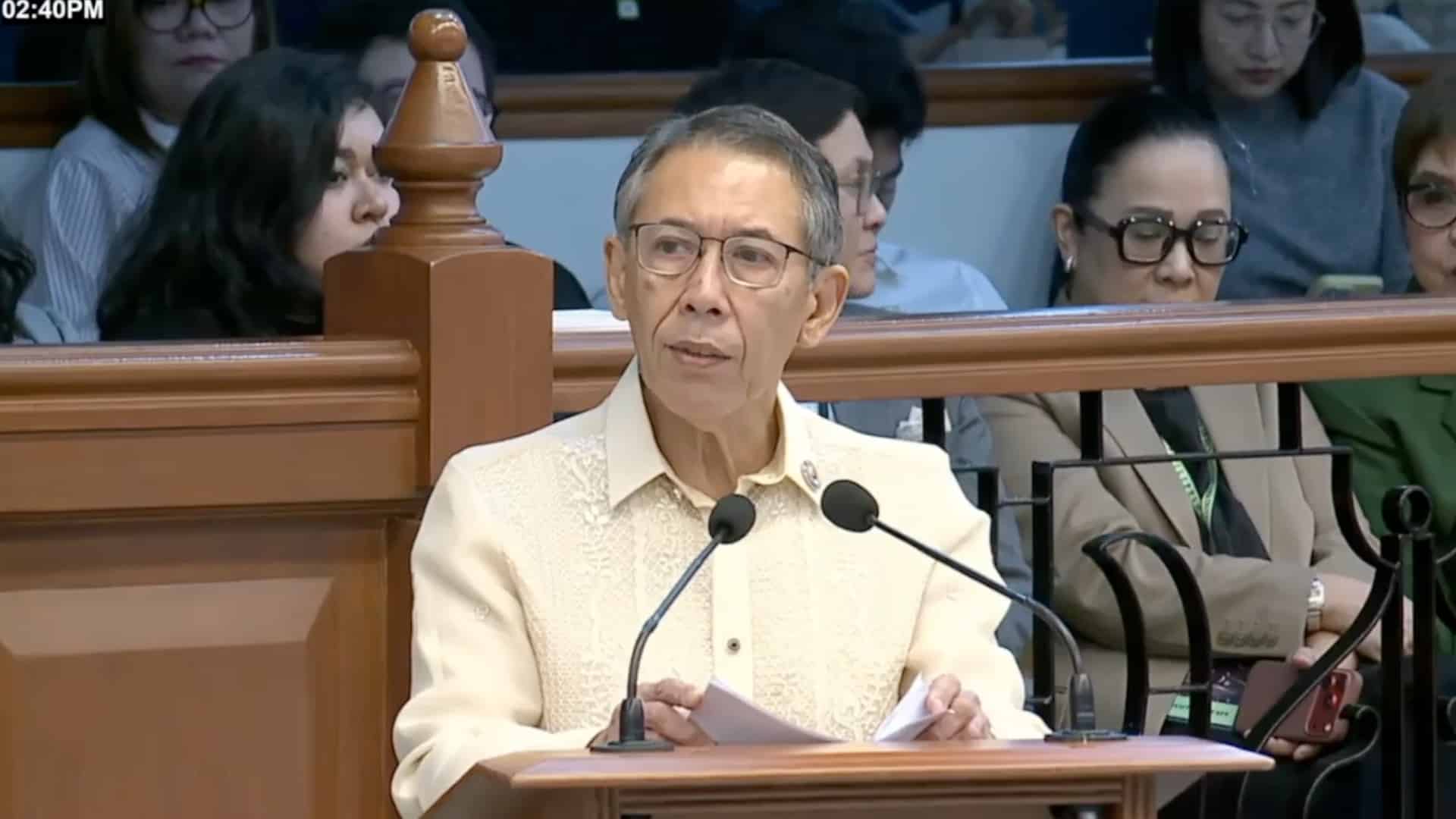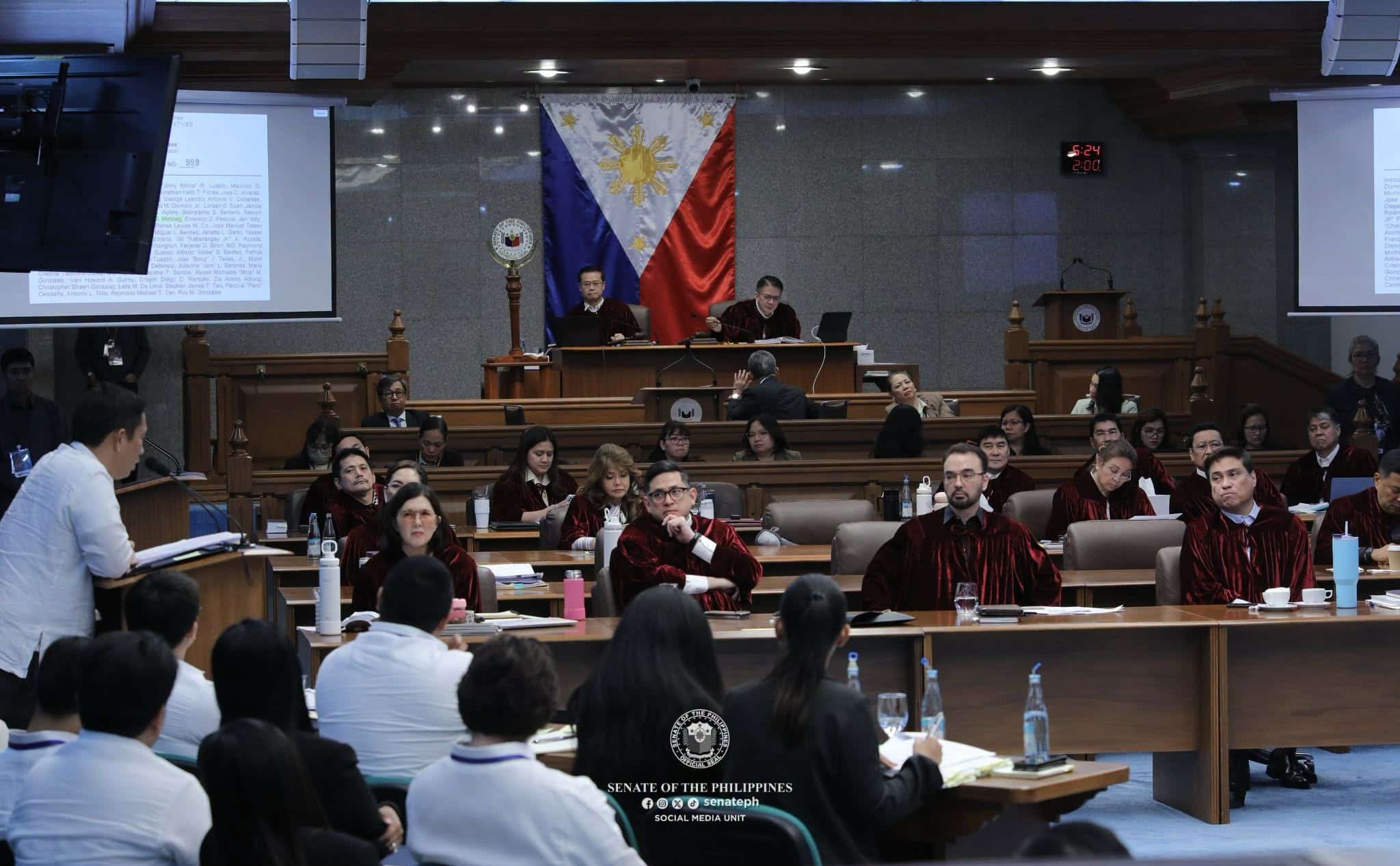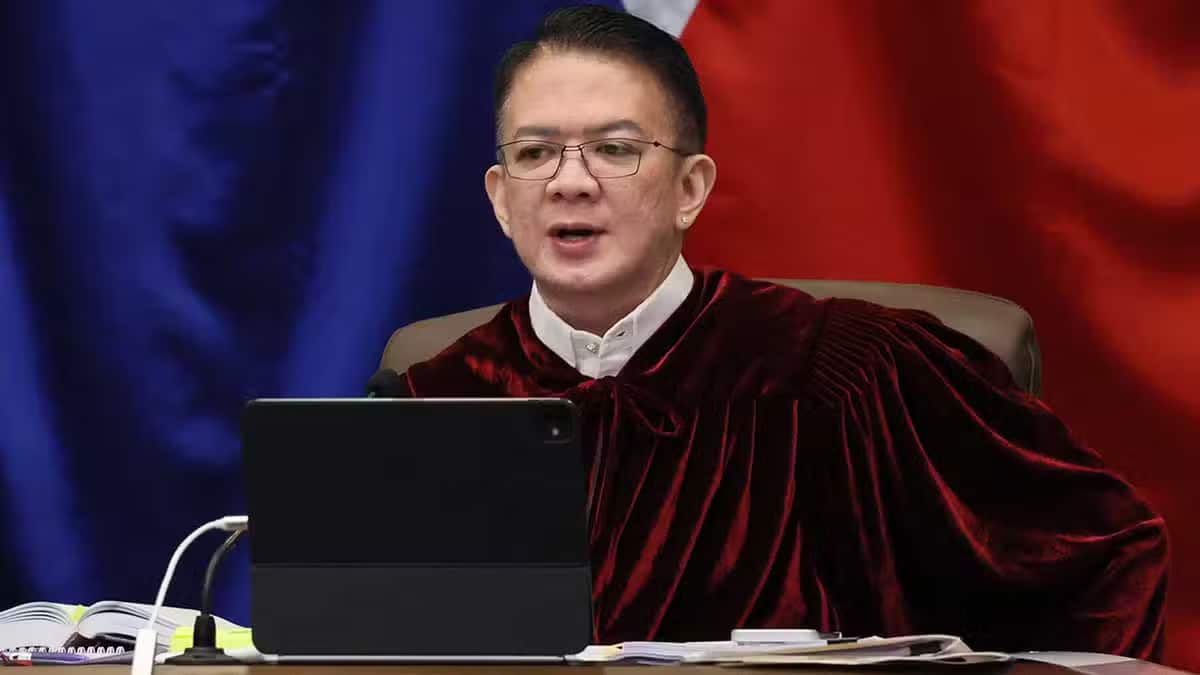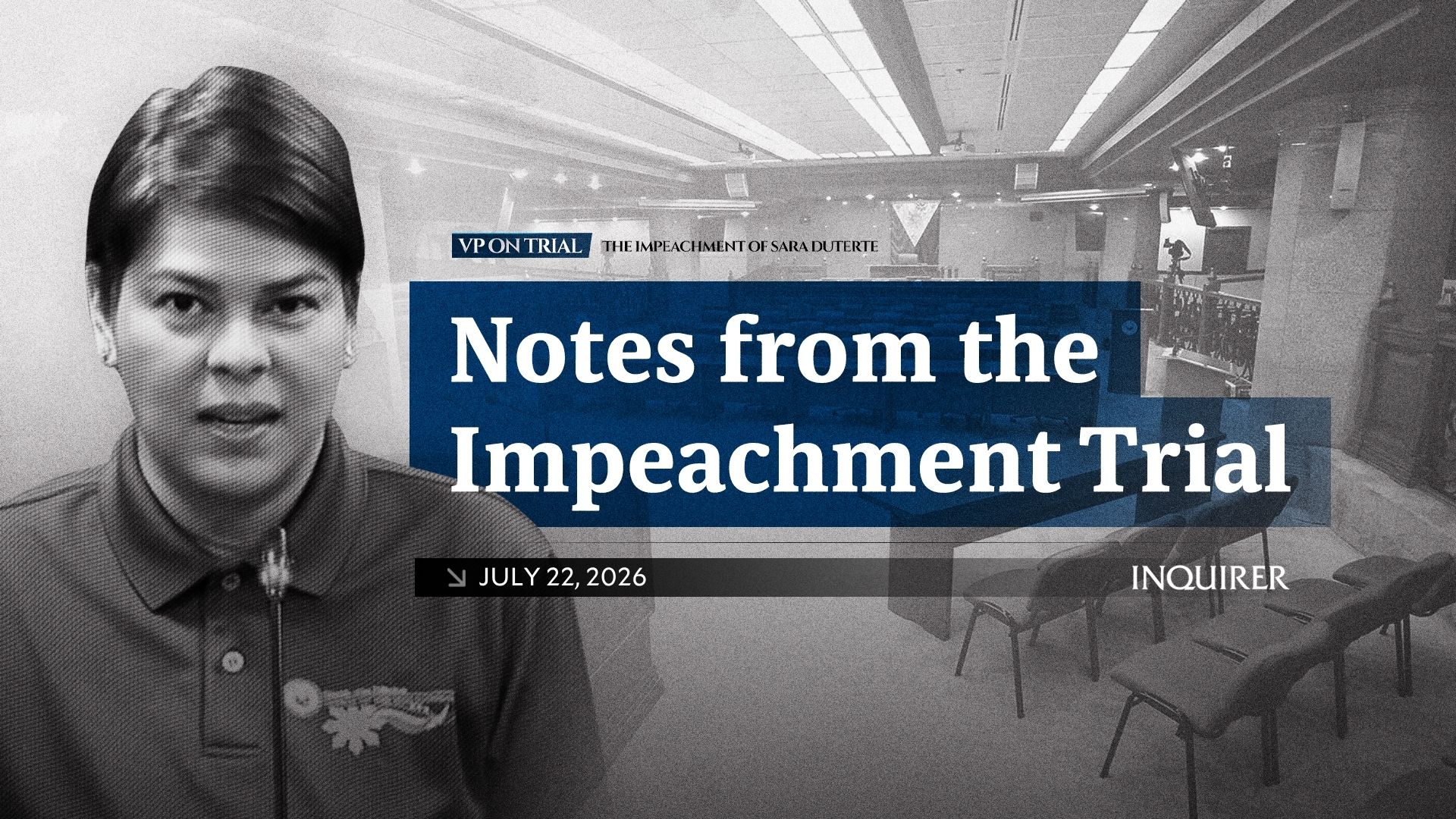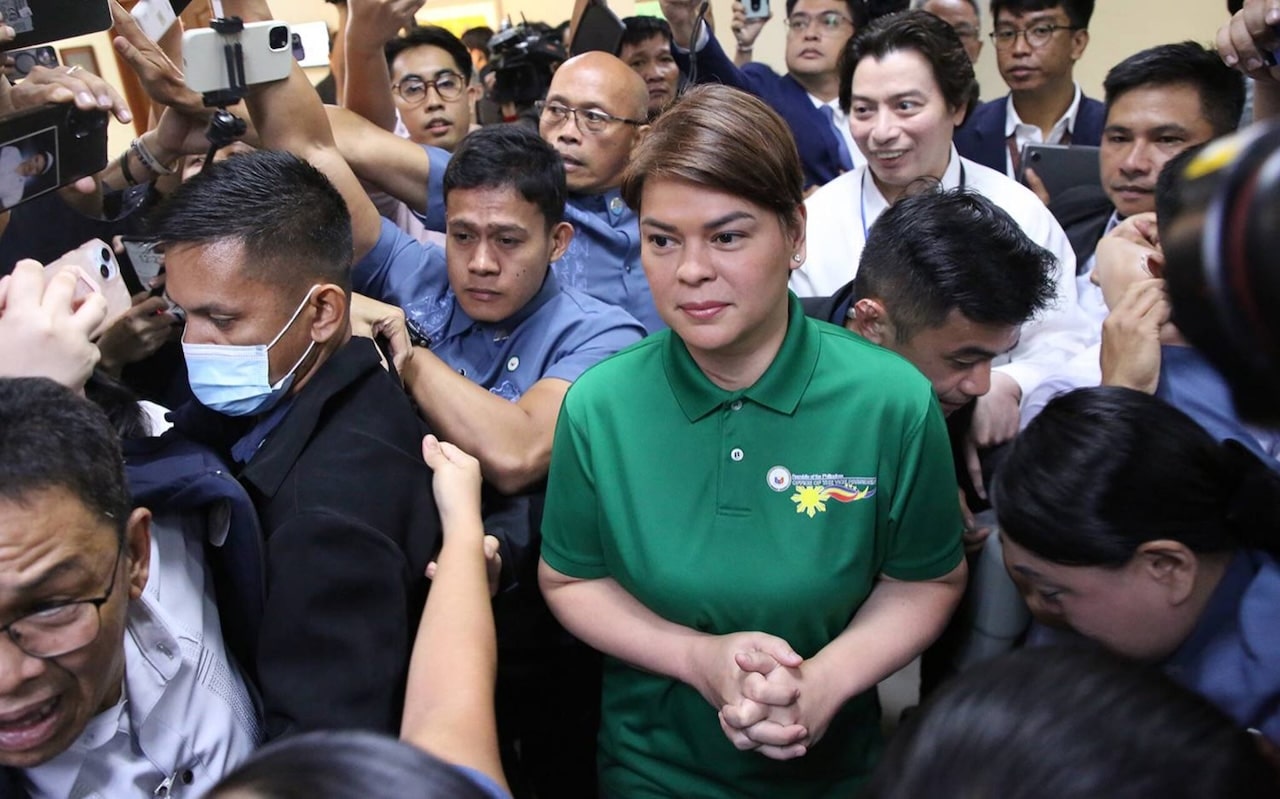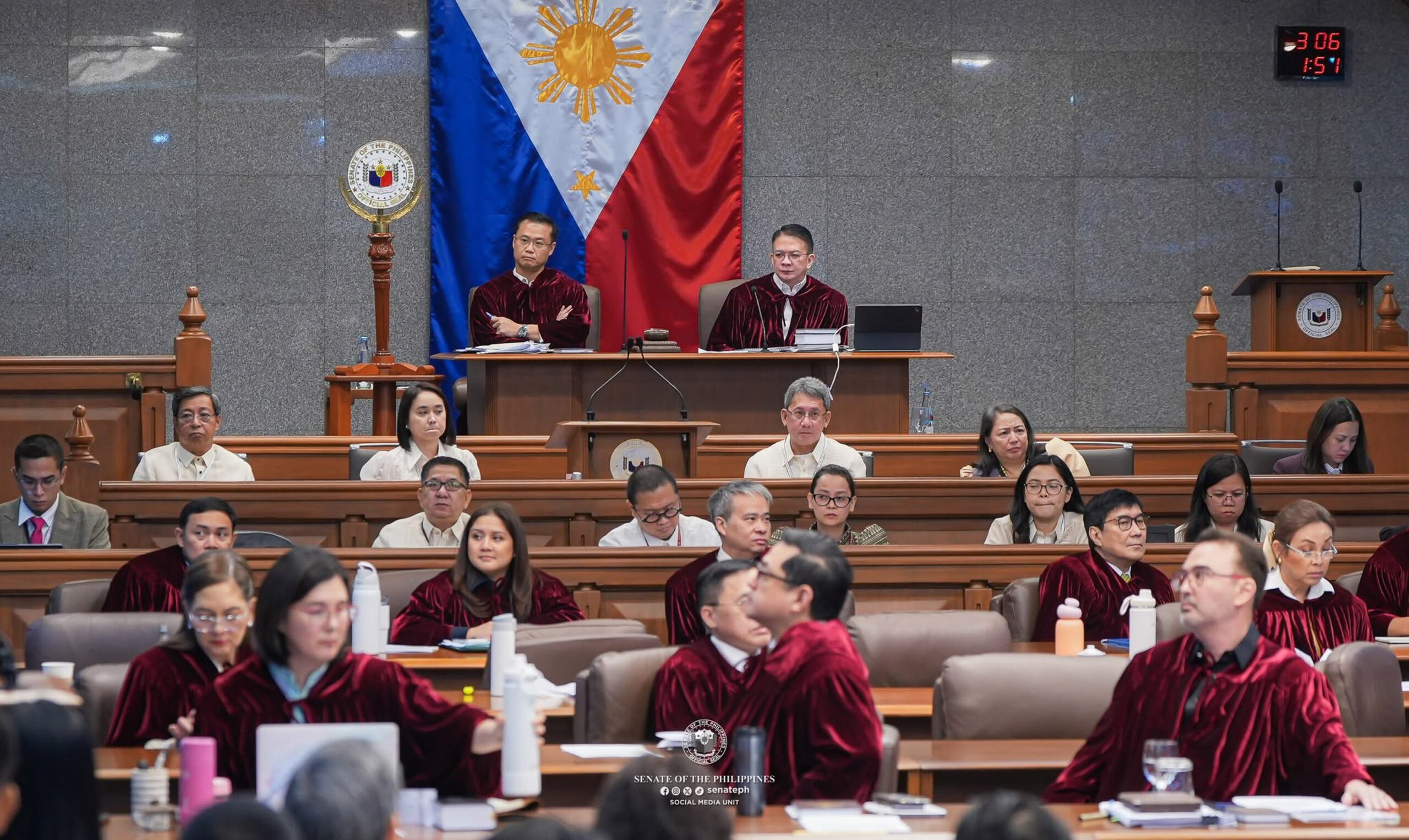
The Senate, sitting as an impeachment court, recently granted the House prosecution’s request to subpoena the bank and tax records of Vice President Sara Duterte and her husband, Manases Carpio, in connection with allegations of unexplained wealth under Article II of the impeachment complaint. In approving the request, Senate Impeachment Court Presiding Officer Francis Escudero ruled that the documents were “reasonably described, readily identifiable, and prima facie relevant and material” to the issues before the court.
The decision has generated predictable debate over financial privacy and bank secrecy. Yet the larger policy question is often overlooked. The subpoena is not simply a procedural ruling in a high-profile impeachment case. It is consistent with more than two decades of reforms undertaken by Congress and the Bangko Sentral ng Pilipinas (BSP) to strengthen the integrity of the Philippine financial system and ensure that it cannot be used to conceal corruption, money laundering, terrorist financing, tax evasion, or unexplained wealth.
The impeachment proceedings therefore raise a broader institutional question: should the country continue moving toward greater transparency and accountability, or should it retreat to an earlier era when bank secrecy could effectively shield public officials from meaningful financial scrutiny?