Donald Trump’s latest attempts to tighten student visa rules and post-study work rights in the US will hand the advantage to competitor countries and drive investment in transnational education (TNE) activity, according to experts.
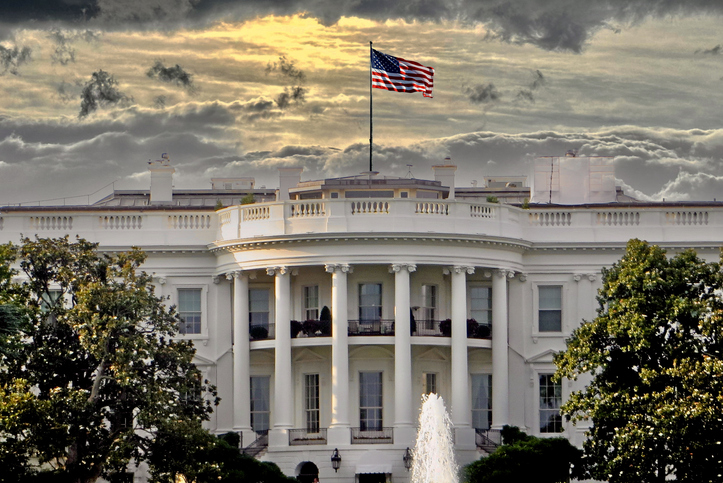
After a period of relative stability for the higher education sector, in the past month the US president has turned his attention back to universities, outlining plans to end what he called an exploitative “loophole” in the immigration system by capping the length of time students can stay in the country, as well as floating the idea of $100,000 (£75,000) fees to allow people so stay and work post-graduation.
The latest moves come after new figures showed a sharp decline in the number of student visas issued to people coming to the US from India and China in 2025. The Centre for Immigration studies compared the busy May-to-August period – when most student visas are issued – across the years 2017 to 2025 and found the numbers about 60 per cent lower for Indian students and 46 per cent for Chinese students on average.
International higher education consultant Vincenzo Raimo said the developments in the US would accelerate “a realignment in where students choose to study”.