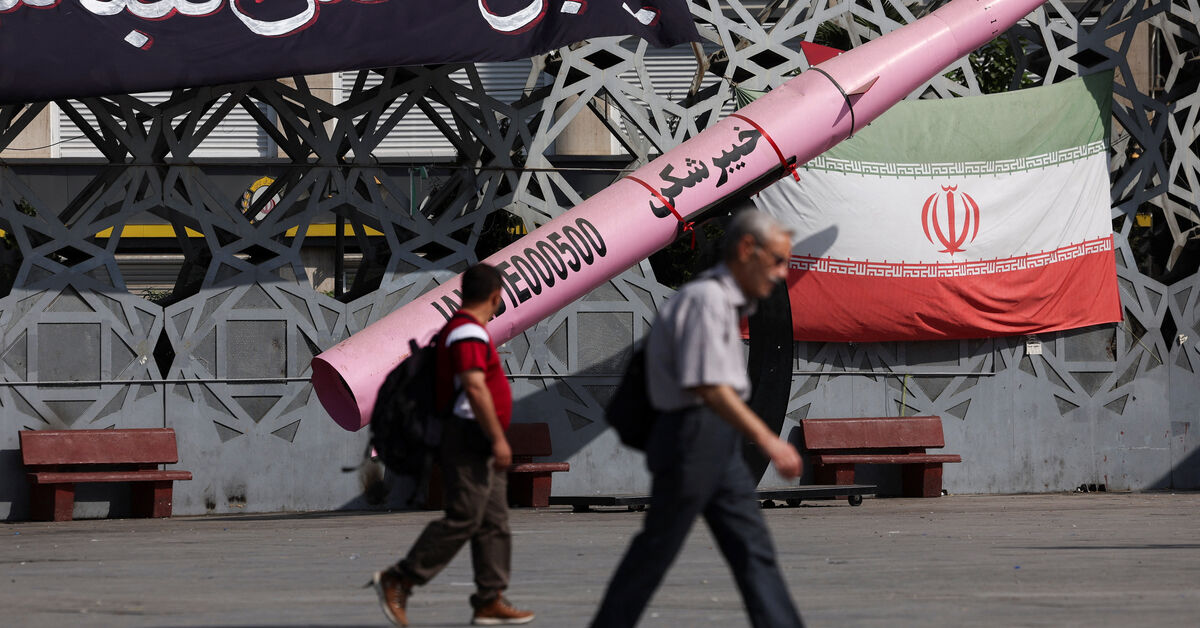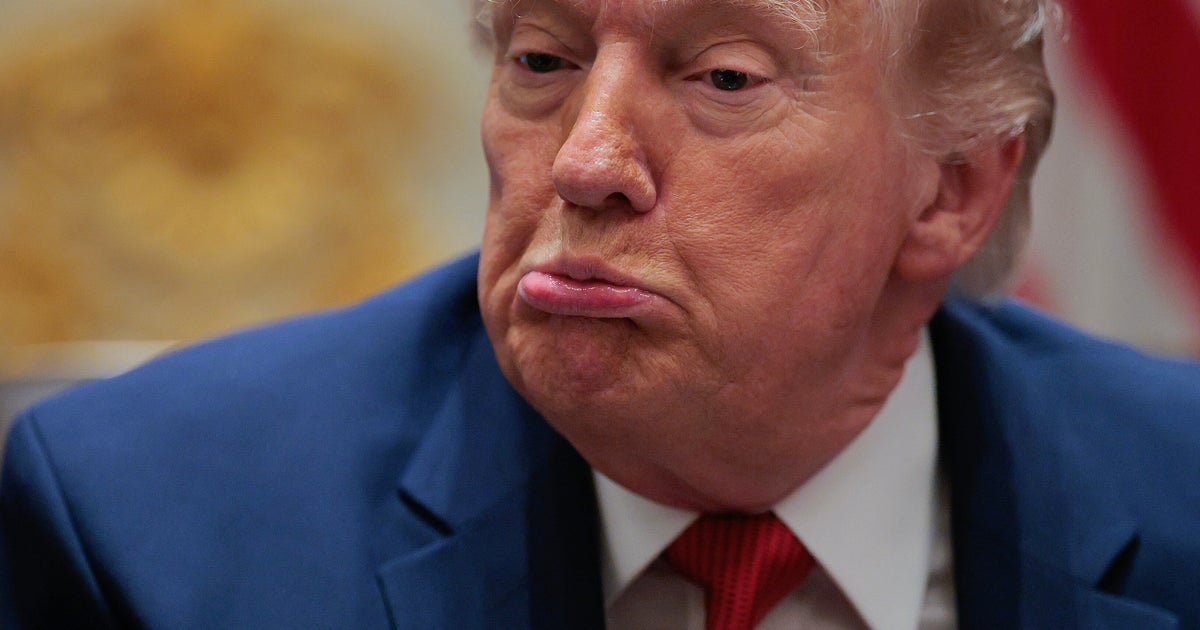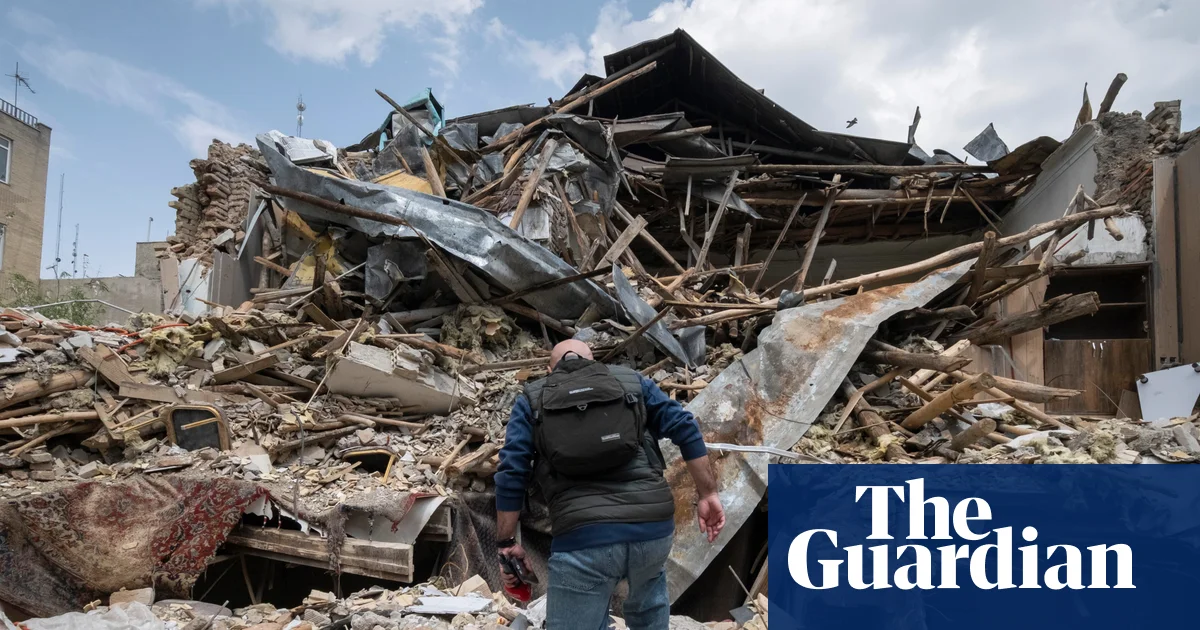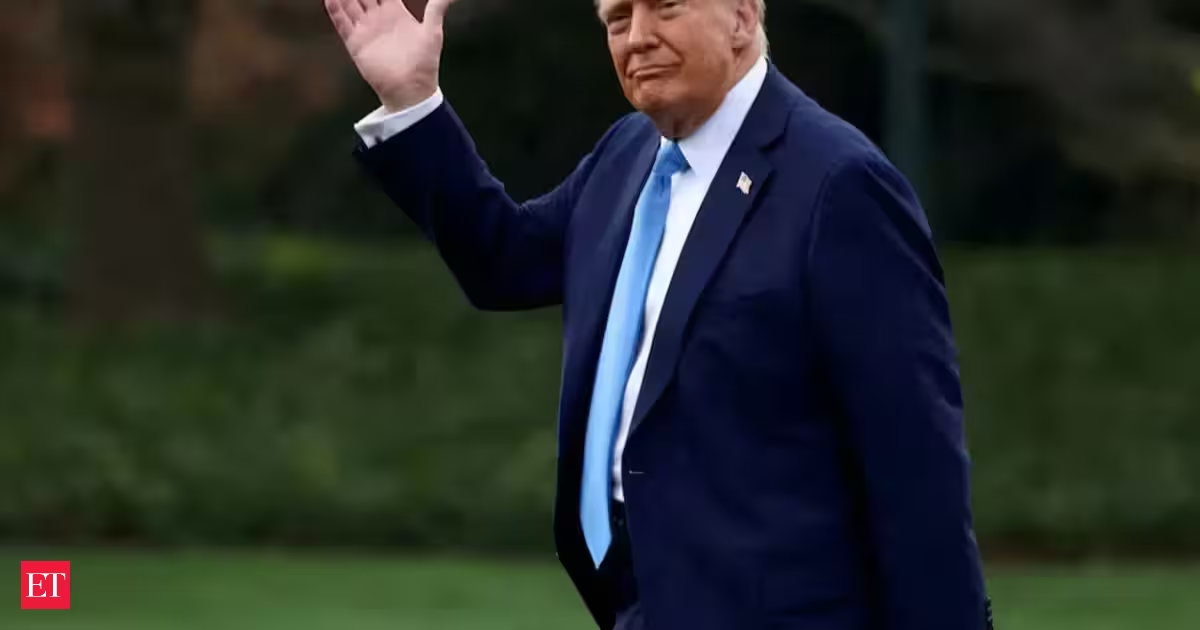
WASHINGTON ― As President Donald Trump’s “four to five week” war against Iran stretches toward the six-month mark, three American allies in the region ― including one armed with nuclear weapons ― announced a regional self-defense pact separate and apart from the United States, another apparent strategic loss for the nation.Having already killed 18 U.S. service members and wounded hundreds more, depleted the military’s stocks of precision weapons and anti-missile interceptors, jacked up gasoline and diesel prices for Americans, slowed economic growth, and left Iran effectively in charge of the critical Strait of Hormuz, Trump’s war of choice now has led to an “attack-on-one-is-an-attack-on-all” alliance among Saudi Arabia, Turkey and Pakistan.“The alliance is a manifestation of the fact that some countries in the region are, not without reason, starting to understand partnership with the United States is a liability rather than an asset,” said Ned Price, a former CIA analyst who served in former President Joe Biden’s State Department. The pact was announced on Saturday by the three countries. It is not immediately clear how and whether Pakistan, which has its own nuclear arsenal, would be expected to use it in defense of the other two nations.Saudi Arabia has been repeatedly attacked by Iran as well as one of its proxy groups, the Houthi rebels in Yemen, during Trump’s war. (Pakistan and Saudi had last year announced they would come to each other’s aid if attacked.) Also unclear is how the new pact would affect Turkey’s role as a member of NATO, which includes the United States, Canada and 29 European countries.Trump’s White House did not respond to HuffPost queries on the matter. A State Department official, speaking on condition of anonymity, referred questions to the three countries in the new accord and otherwise declined comment.“The Saudi alliance reflects fear of Trump’s unreliability, lack of resolve, and inability to think strategically,” said John Bolton, a first-term Trump national security adviser who, like other Trump critics, has been prosecuted by his Department of Justice. “Shrinking U.S. power internationally means greater anarchy.”The new alliance comes as Iranian leaders stated publicly that Iran would not allow unfettered navigational access to the Strait of Hormuz ― which existed prior to Trump starting his war and had seen a fifth of the world’s crude oil traffic ― until the U.S. has paid reparations for attacking it and likely would not bother with further negotiations with the U.S. until after Trump was out of office.Robert Kagan, a top State Department official in the Ronald Reagan administration, said Iran’s leaders are correctly assessing Trump’s negotiating position.“They realize now that they don’t even really need a deal. Trump is probably going to turn away from the problem. They will be in a position to get most of the sanctions lifted by virtue of their control of the strait. They can proceed with their nuclear program with fair confidence that Israel and the U.S. can’t hit them again. Money will start flowing from the ‘fees’ et cetera,” he said. “They’ve won. What do they need from us?”Trump on Monday responded with one of his typically nonsensical social media posts, insisting that Iran, not the United States, should be the country paying reparations.“I am likewise demanding compensation from Iran, for all of the people that they have killed and gravely wounded with their roadside bombs and many conflicts, for which they are famous,” he wrote.In it, he included an oft-repeated lie of his that Iran attacked the Navy destroyer U.S.S. Cole in 2000 in Aden, Yemen. In fact, the U.S. government concluded long ago that the attack had been carried out by al Qaeda, Osama bin Laden’s terrorist group, which the following year destroyed the World Trade Center towers and damaged the Pentagon on Sept. 11.The White House also did not respond to a HuffPost query about why Trump claims otherwise.In any case, Trump, in recent weeks, has spent far more energy complaining about the dropped prosecutions on the “vandalism” he falsely insists damaged his blue pool liner he installed in the Reflecting Pool, demanding that Congress pass a voter ID law, and accusing Democrats of being “communists” than he has explaining his strategy to end the Iran war, which has become ever-more unpopular with the American public.Asked what his next step on Iran will be at an Oval Office photo opportunity Monday, Trump said: “You’ll find out.”On Sunday, he told the news outlet Axios he was “low-keying it” with Iran now, although it remains uncertain what exactly he meant.Indeed, on Friday, he told participants at a mining industry “roundtable” at the State Department to keep their remarks brief because “we have a war to prosecute.”He did not, however, convene a meeting of his national security staff or otherwise engage in war prosecution after that event. Rather, he flew to his golf course in Bedminster, New Jersey, for the weekend, his 13th trip there since returning to office.RelatedDonald TrumpSaudi ArabiaTurkeyIran warPakistan
Trump’s Iran Debacle Chalks Up Yet Another Loss, With No End In Sight
Three allies, including one with nuclear weapons, have created a mutual defense pact, acknowledging they cannot rely on the U.S. for regional stability.
821 words~4 min read