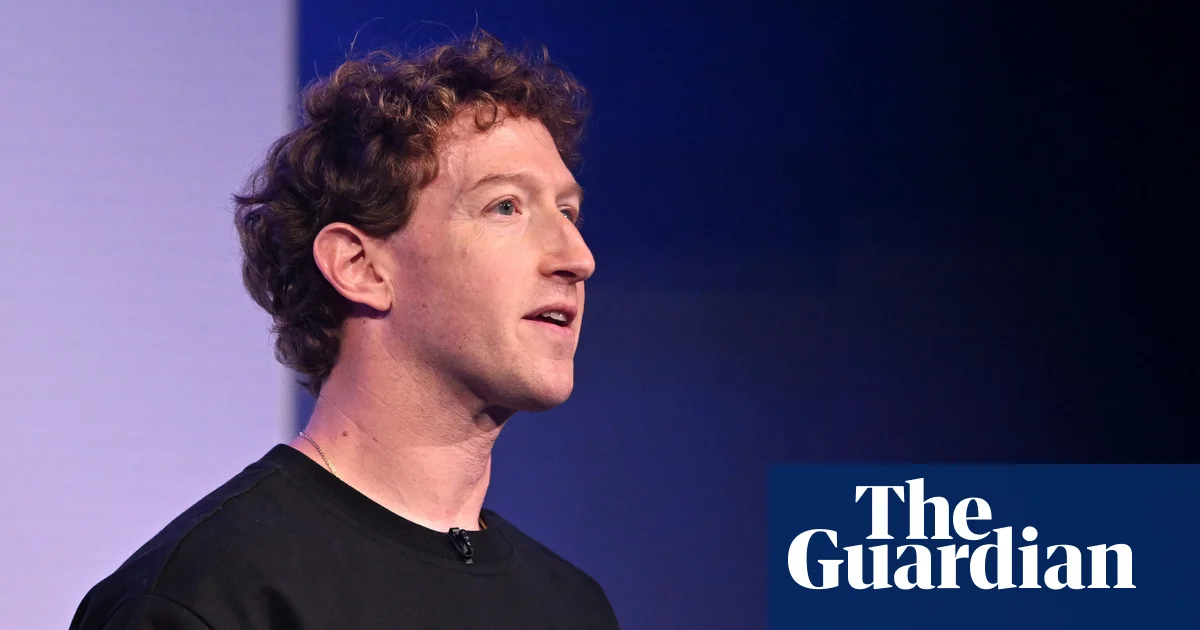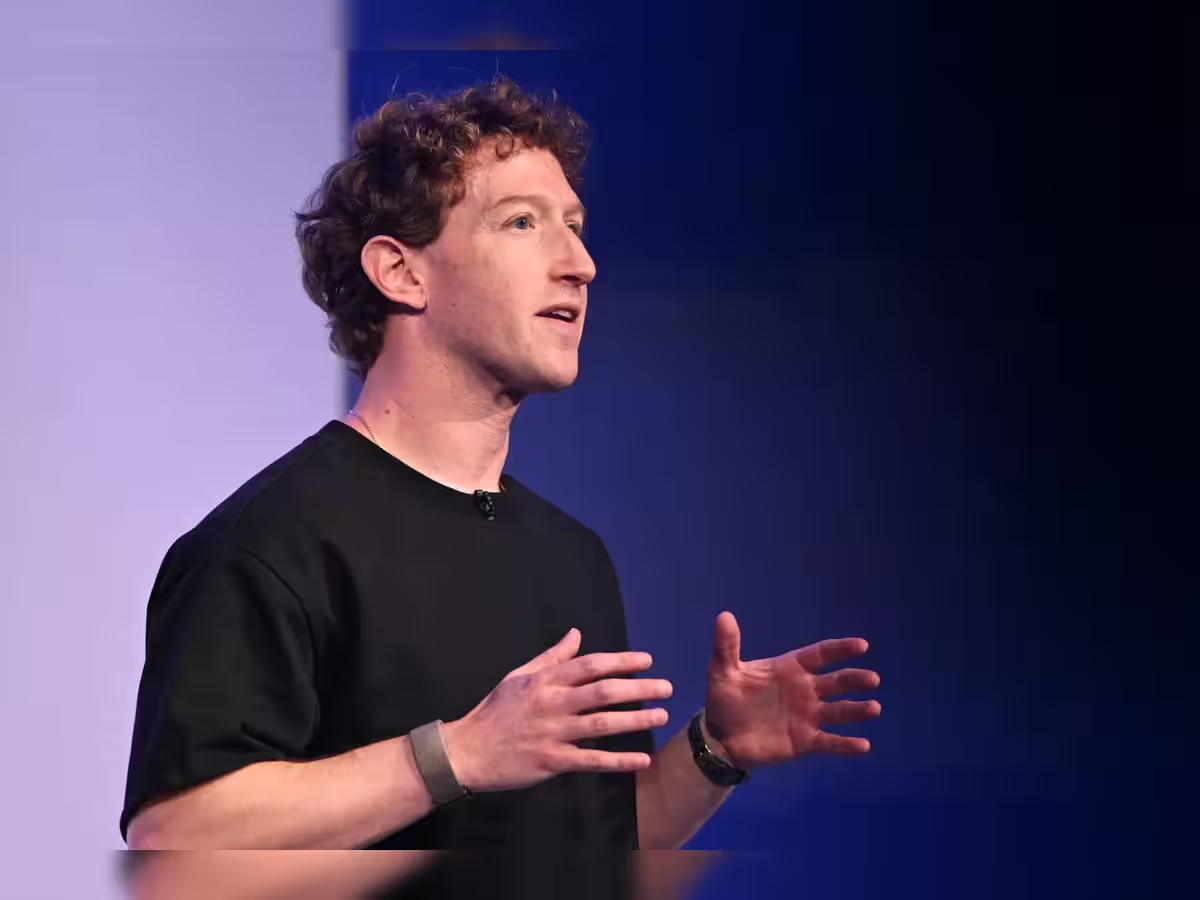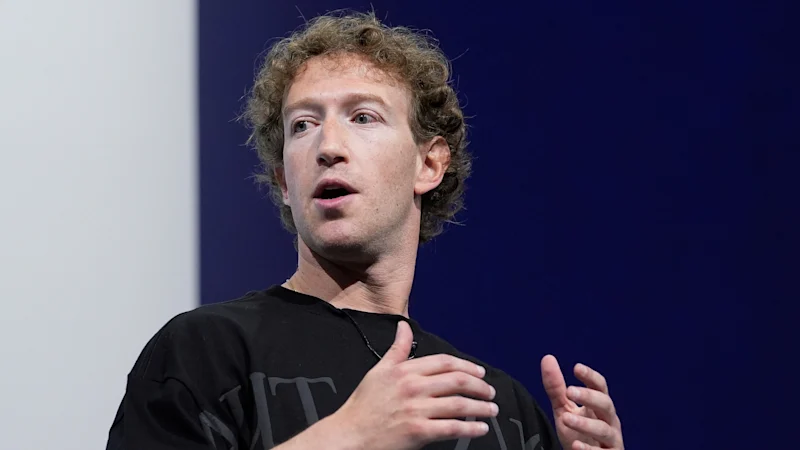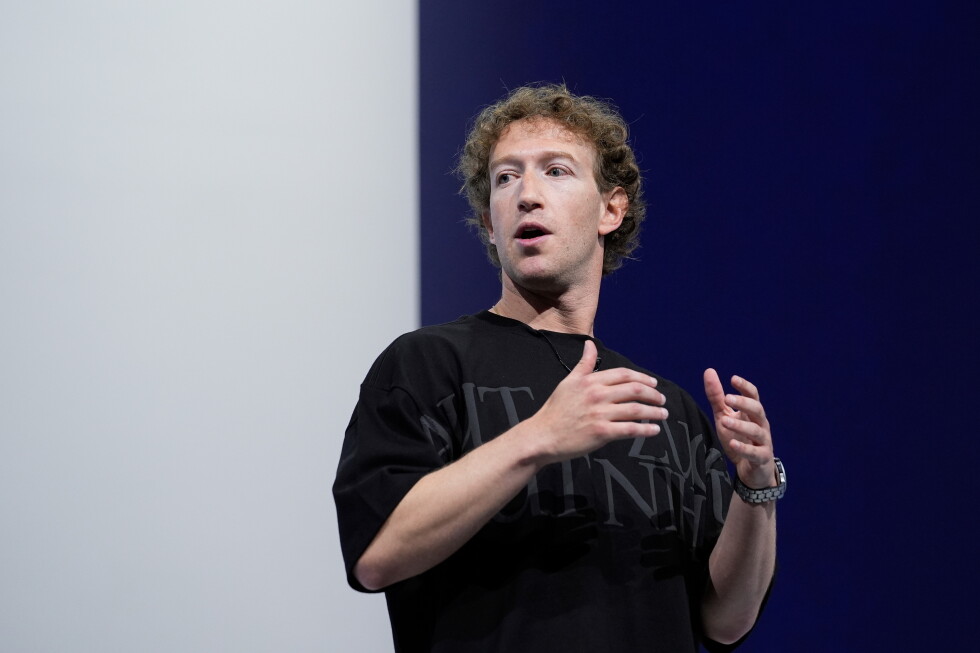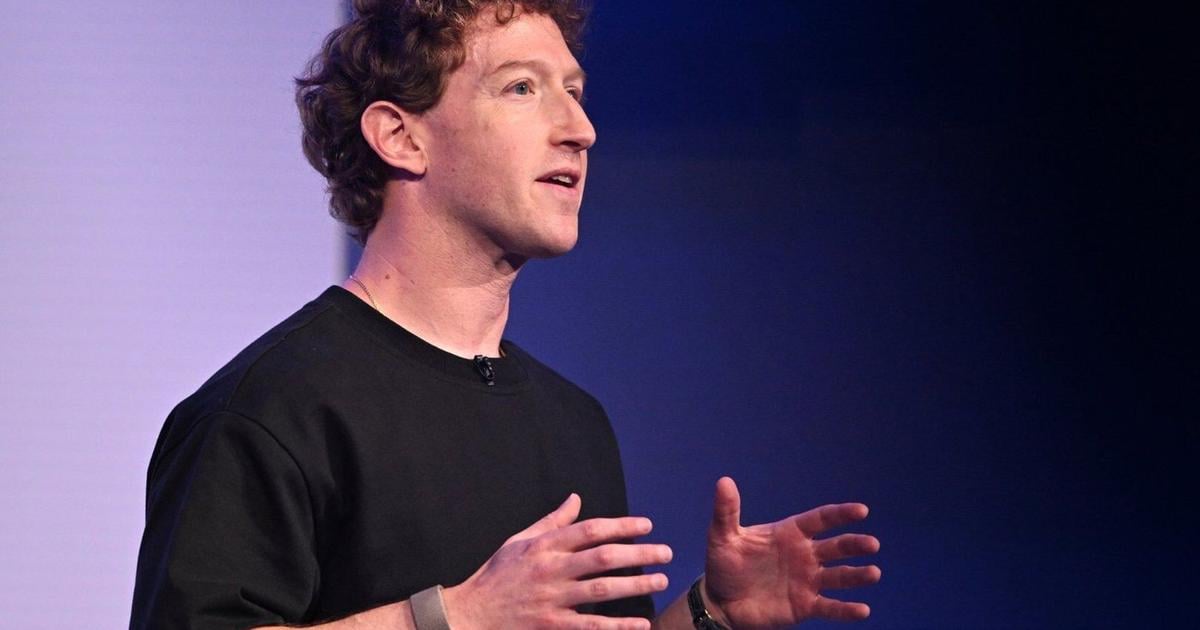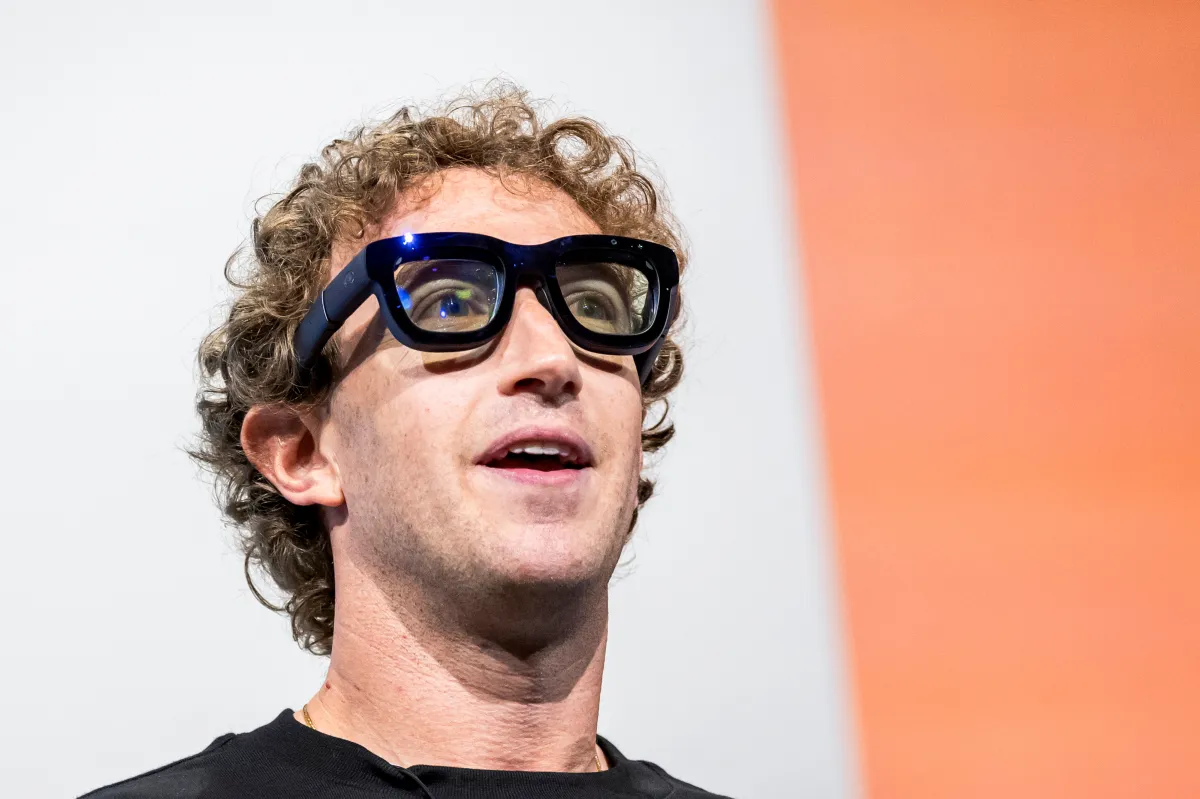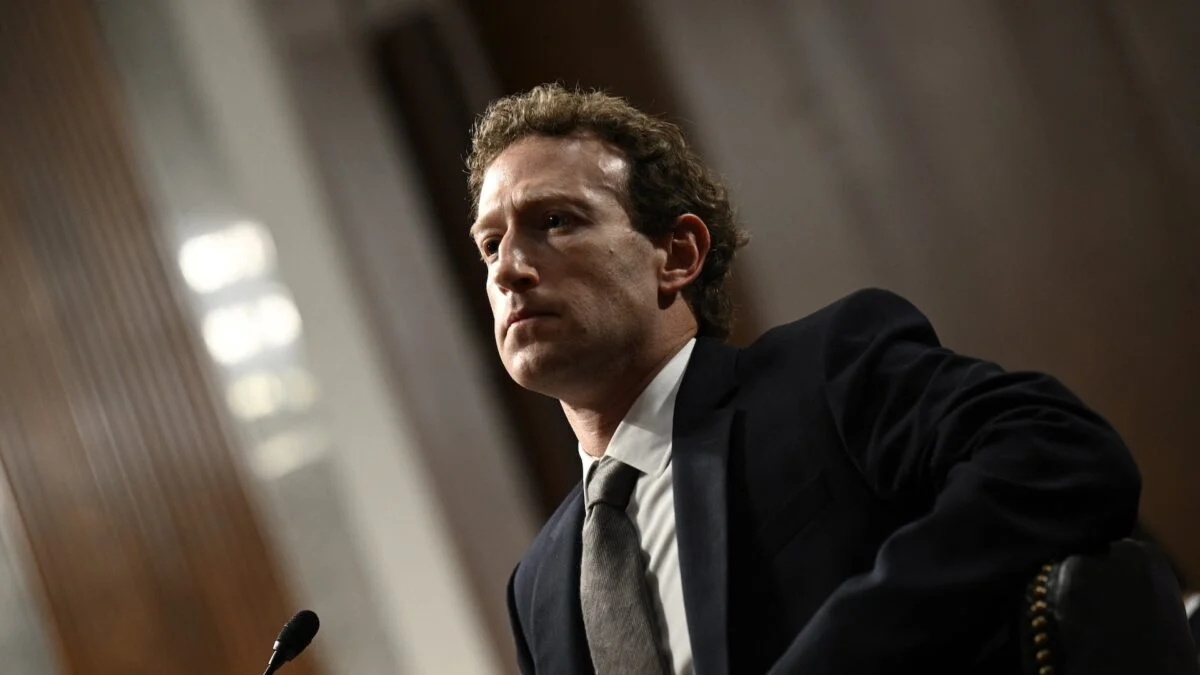
Meta is stepping up to lead us all into a bright and glorious future, where democracy reigns and everyone has access to a completely secure, constantly available AI assistant to help them invent pretty much whatever they want. That’s at least what Meta CEO Mark Zuckerberg has promised in a lengthy new essay, published this morning alongside the release of Meta’s latest AI model—Muse Glimmer—and less than a week after the company was fined $567 million by a New Mexico judge who blamed it for causing “a public nuissance” within the state. The essay, running to around 6,500 words and titled “The Future is for Everyone,” is a not-so-subtle dig at Meta’s primary competitors, OpenAI and Anthropic. While Zuckerberg never explicitly calls out those two companies by name, he argues that the proprietary AI systems like the ones they’re known for (ChatGPT and Claude, respectively) threaten to usher the world into an era in which a tiny handful of corporate giants control the rest of humanity’s access to “superintelligence”—his preferred term for future AI systems. The antidote to such a dystopian oligarchy scenario, he argues, is to make AI freely available to as many people as possible, specifically through the free proliferation of open source models. “Rather than centralizing superintelligence, we should distribute it widely and give every person the ability to direct it,” Zuckerberg wrote in his essay. “This has the potential to begin a new era of personal empowerment where individuals can use this powerful new capability to reach their full potential, pursue their interests, and improve their lives and the world more than ever before.”
Mark Zuckerberg's Answer to Growing AI Safety Concerns Is to Just Trust People to Do the Right Thing
“The arc of human civilization has bent towards putting more power in people’s hands to live and shape the world in the ways we believe are best.” Meta’s CEO wrote in a new essay, published alongside the release of a new open weight model called Muse Glimmer.
TL;DRAI
Meta's open-weight Muse Glimmer counters OpenAI/Anthropic, positioning distributed AI to prevent superintelligence monopolies. For CTOs, this trades guardrails for access; Zuckerberg's market-trust approach to safety, misuse, and displacement defers governance to voluntary compliance.
915 words~4 min read