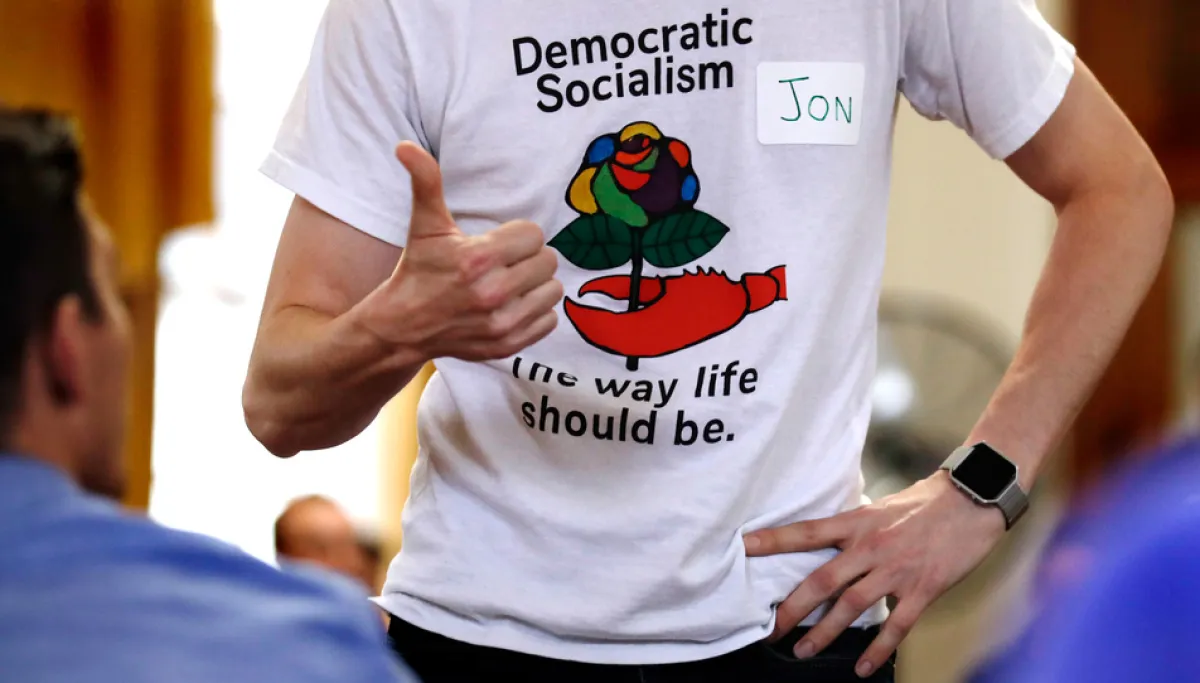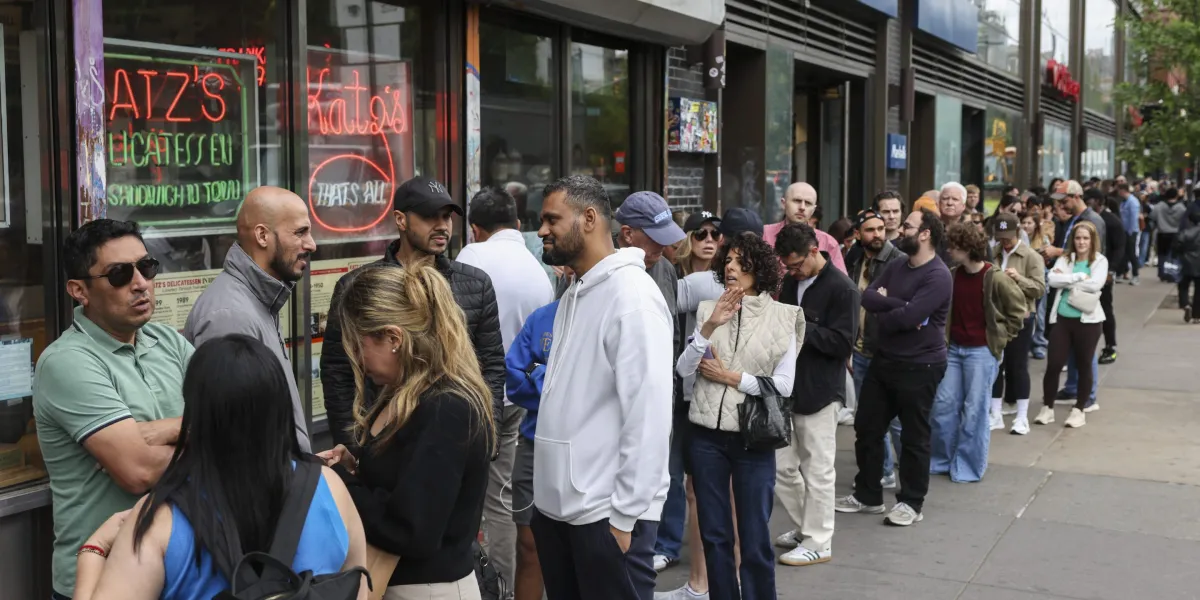
“A worker can oppose capitalism while still being forced to sell labor and buy necessities,” the reader wrote to me, “just as a prisoner can oppose incarceration while remaining confined.” Buying a secondhand jacket or a $5 treat—or waiting on a long line in a bout of “democratized snobbery” or “conspicuous waiting”—doesn’t abolish wages, rent, debt or the fact someone else owns the means of production. It just changes how a person survives inside a system they have no way to leave.
He’s right. Just because you spend money in capitalism doesn’t mean you love it as a way of organizing economic life. What’s interesting to me, though, is every generation since the original countercultural capitalists—the baby boomers—has expressed some version of this antipathy. What’s changing is what happens to that opposition afterward, as a generation grows up, gets a mortgage and a career, and joins the masses. Even if you think generational framing is like financial astrology, these dynamics reveal something genuine about the evolution of society—and business’ role in it.
Up until now, this tension has more or less resolved itself as generations grow up and grow less radical as the fruits of their labor are recognized. But economic data increasingly suggests this mechanism may be breaking down. And maybe, to paraphrase a cultural critic who still haunts these times, Gen Z is responding to a future that has slowly been getting canceled for a long time.