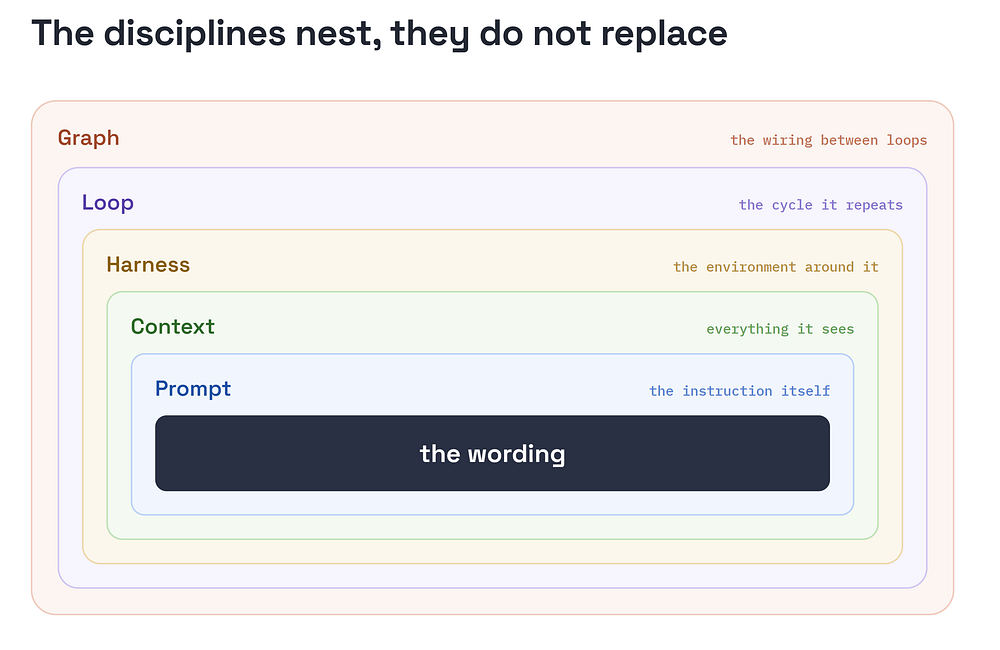
Part 1 of this series left one rung unclimbed. Rung 12, graph-based orchestration, was the frontier where I assumed the real engineers lived. Before I climb anything, I do my homework, so I set out to answer a prior question first: what does "graph" actually buy you? The term is everywhere right now (graph engineering, GraphRAG, knowledge graphs, graph databases), and it arrives wrapped in the specific tone vendors use when they want you to feel behind.
Somewhere in the second hour of reading, I stopped taking notes on what was new and started keeping a different list: what wasn't.
What the term means, with the noise filtered out
Strip the vendor language and graph engineering is this: you structure knowledge as entities and typed relationships instead of flat documents, so that a system (an AI, a search engine, a query) can traverse the connections rather than just keyword-match the text. A customer isn't a row; it's a node with edges to orders, tickets, and other customers. A function isn't a string in a file; it's a node with edges to everything that calls it. Once knowledge has that shape, you can ask questions that flat storage can't answer well: not "which documents mention X" but "what is two hops downstream of X, and what breaks if it goes away?"