A reader might be tempted to dismiss this article out of hand. Elections? In Russia? Come on now! Everyone knows that Russia is not a democracy and that the variegated parties fall in line on everything of importance, especially the war against Ukraine.
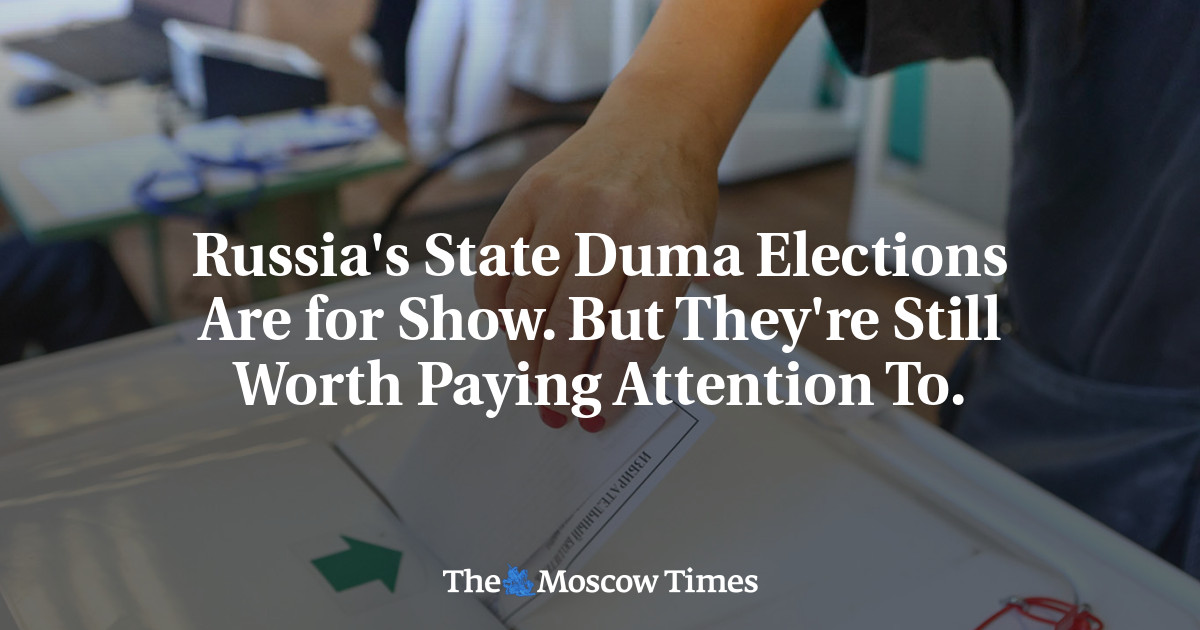
Nevertheless, Western observers should still pay attention to the upcoming parliamentary elections because they give us insights into Russian public opinion and the Kremlin’s vision for the country’s future.
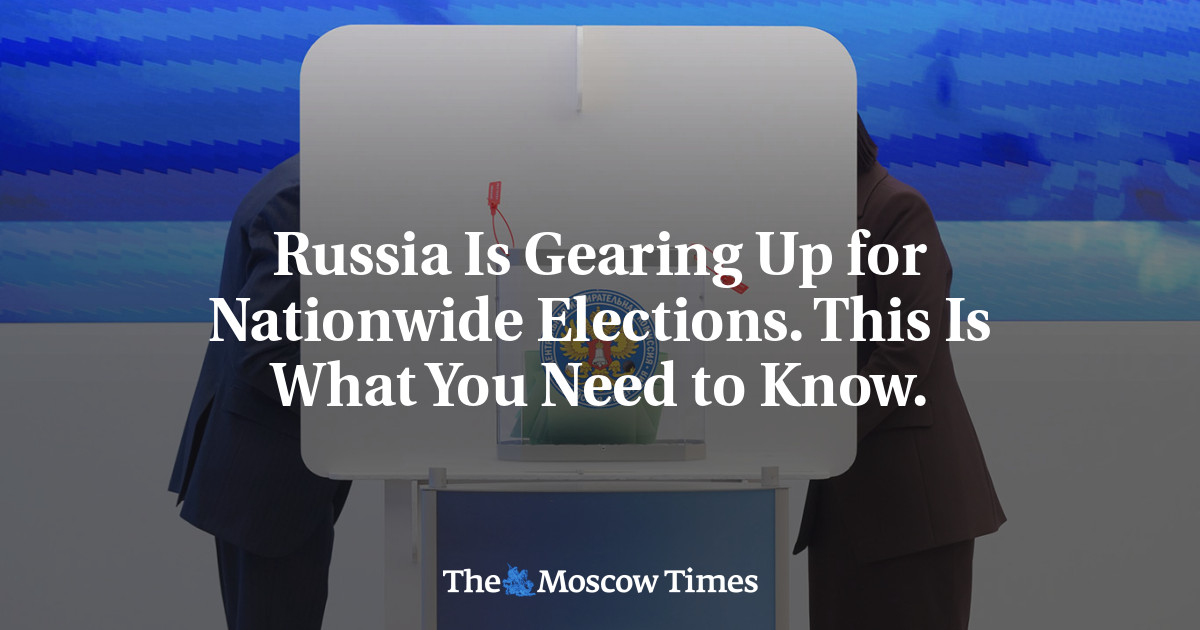
Scheduled to take place on September 18-20, the elections will determine the make-up of the State Duma, Russia’s lower chamber. 450 seats are up for grabs. When thinking about it, however, it is important to avoid the usual patterns of describing elections in functional democracies. Russian elections are neither free nor fair; they are rigged by the Kremlin while independent observers are intimidated or repressed.
The Kremlin’s approach to politics is one of theater. Russia is, unexpectedly for some, a deeply legalistic dictatorship. The Kremlin has been keeping up the appearance of respecting the letter of the law, though that law is regularly bent to the Kremlin’s will and disregarded when needed. Still, President Vladimir Putin seems to want to keep at least a veneer of legality. That is why activists jailed in Russia are normally sentenced under some article and after some form of a trial. Compare it with Iran or El Salvador, where there is often no legal justification for repression.