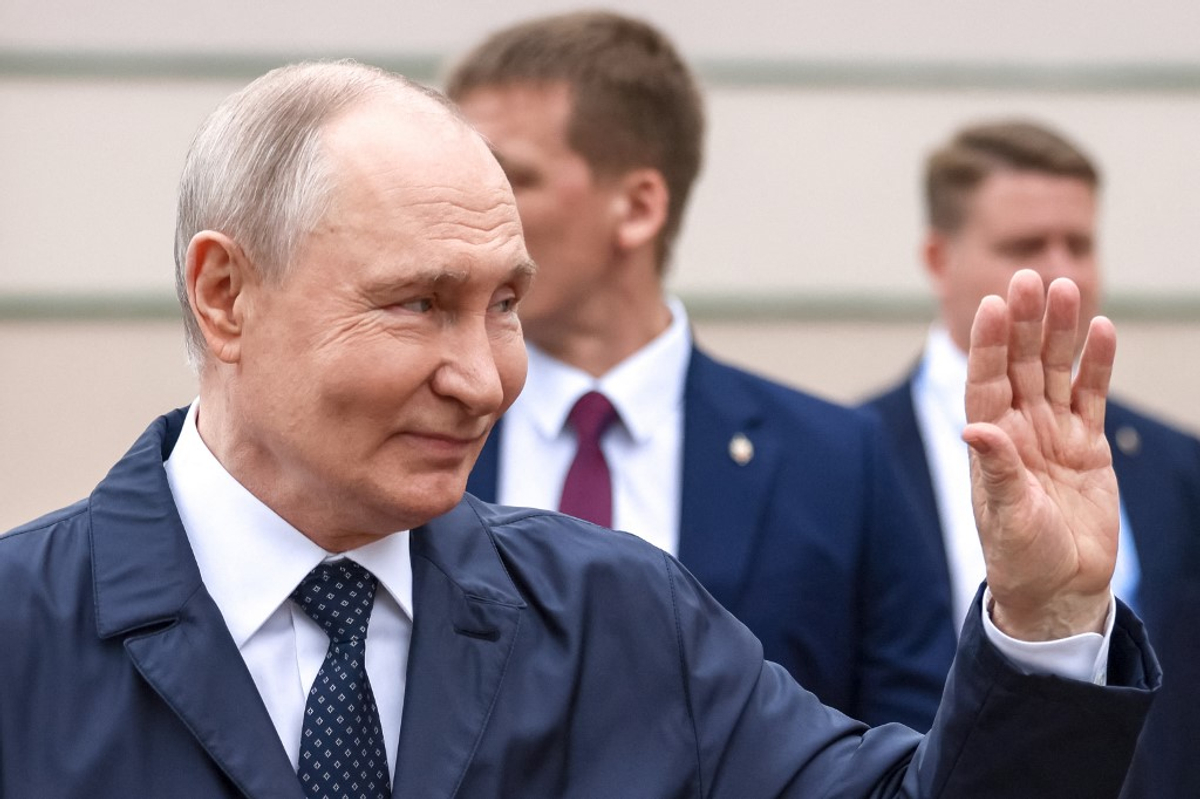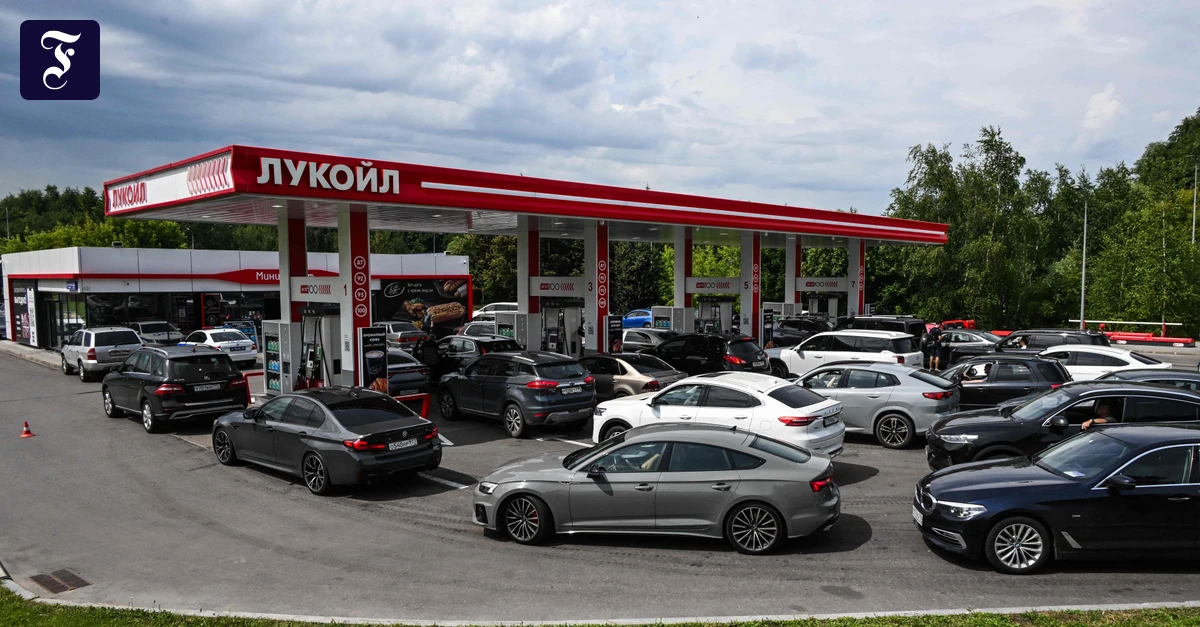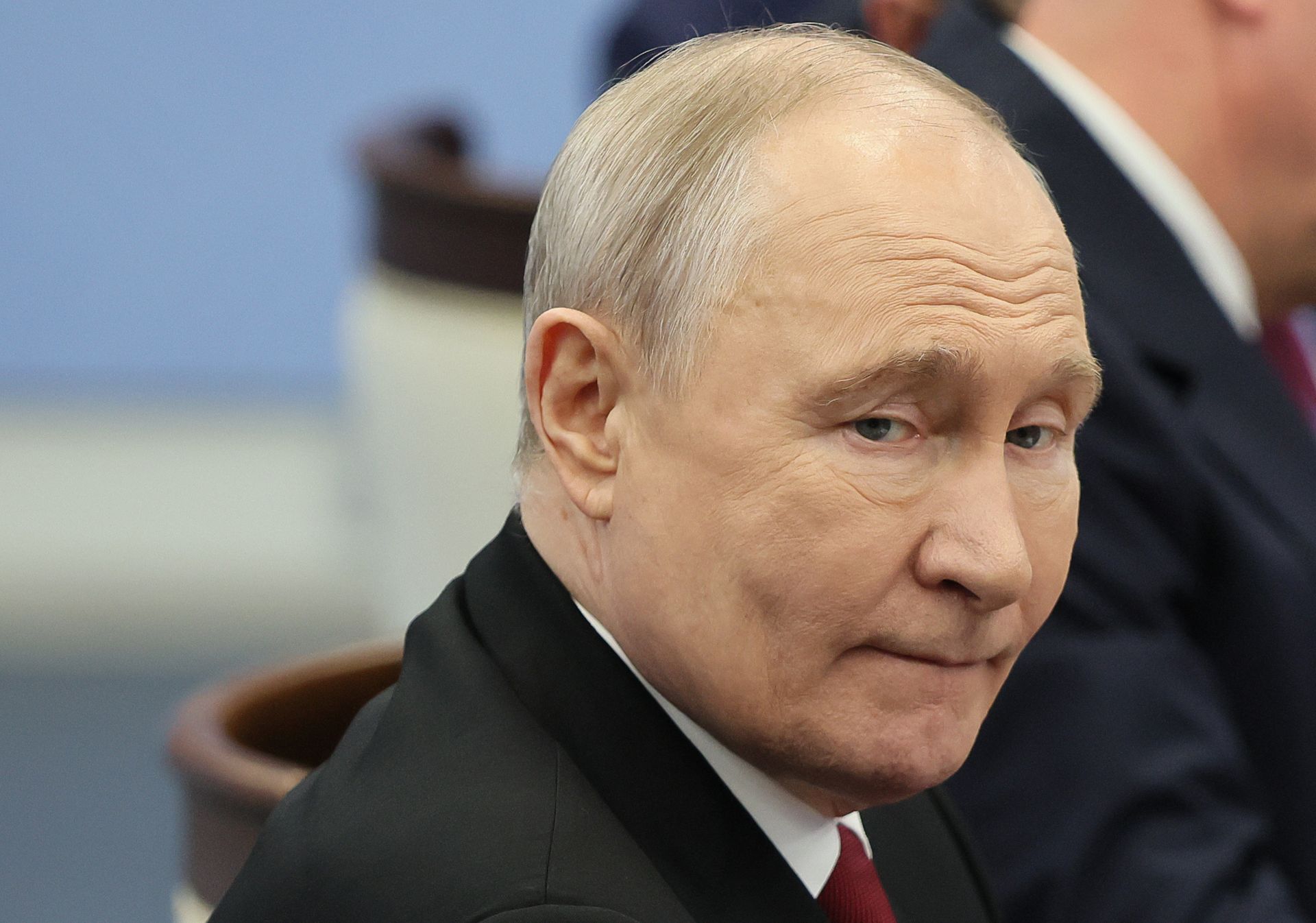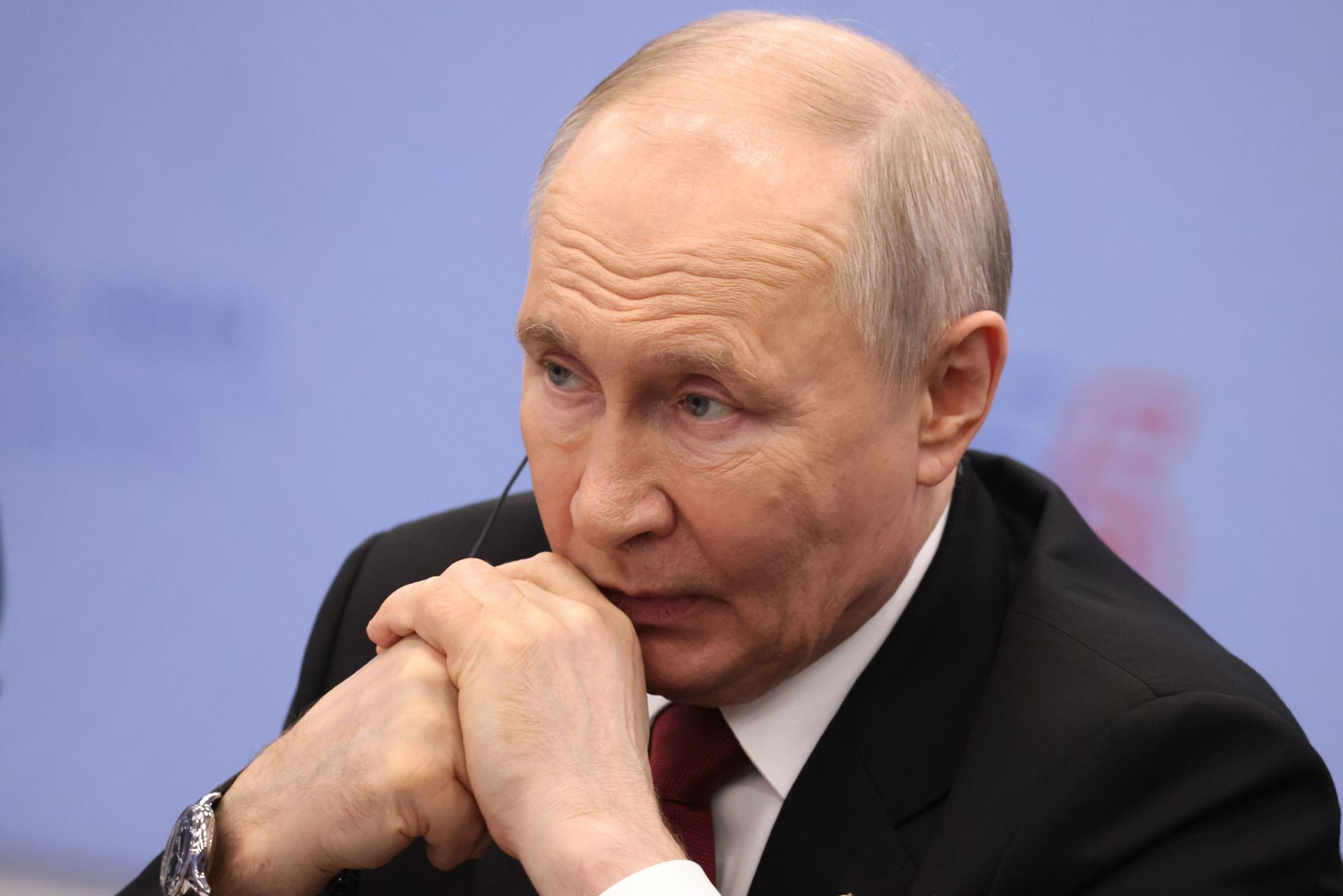
Russian President Vladimir Putin, during the Russia-ASEAN Summit in Kazan, Russia, on June 18, 2026. (Contributor / Getty Images)In Russia, where elections offer little real uncertainty, the Kremlin still stages the ritual of competition — a carefully managed exercise designed not to choose leaders but to reinforce President Vladimir Putin's claim to legitimacy.With the upcoming parliamentary elections set for Sept. 20, the first since the start of the all-out war against Ukraine, the Kremlin's political wing is tasked with a risky endeavour — mustering up high numbers for Putin's United Russia party in a country stuck with decreasing living standards, extensive internet shutdowns, fuel shortages, and a war that is finally hitting close to home.What will be different this time is that stability, which was always the cornerstone of Putin's electoral offer to Russians, is eroding fast in the face of increasing Ukrainian attacks, said Regina Smyth, a researcher focusing on Russian state-society relations at Uppsala University.Drone strikes at all locationsSince the start of 2026, Russia has lived through increasingly frequent Ukrainian drone strikes, often reaching well inside Russian territory.On June 18, Ukrainian forces conducted an attack on the Moscow Oil refinery in Kapotnya district, located just 15 kilometers away from the Kremlin. Other industrial facilities near Moscow were also damaged in the attack.Before that, Ukraine conducted dozens of attacks on Russian territory since the start of this year, mostly targeting Russian oil refineries.People are seen outside a shopping mall as black smoke rises from the area of the Gazprom Neft oil refinery on the south-eastern outskirts of Moscow, Russia, on June 18, 2026, following a large-scale drone attack by Ukraine. (AFP via Getty Images)"This latest strike, and the one on refineries in St. Petersburg during the economic forum, will definitely create reputational damage ahead of the vote," said Margarita Zavadskaya, who specializes in the role of elections in authoritarian states at the Finnish Institute of International Affairs. "Against this backdrop, the Kremlin will try to maintain an image of normality."In parallel to Ukrainian strikes, mobile internet is regularly shut down across Russia. Access to Telegram, WhatsApp, and other popular messaging platforms is restricted haphazardly, in an effort to force Russians to download the state-controlled Max super app.This makes running elections especially difficult, as a lack of internet means Russia's previous online voting experiments are less likely to succeed."This year, many fewer Russian regions asked for this online vote to be allowed," Zavadskaya explained. "This is a bit surprising, as voting online was always a convenient black box, because it leaves no witnesses of falsifications."
As war reaches home, Russia's carefully managed elections face a reality check
In Russia, where elections offer little real uncertainty, the Kremlin still stages the ritual of competition — a carefully managed exercise designed not to choose leaders but to reinforce President Vladimir Putin's claim to legitimacy. With the upcoming parliamentary elections set for Sept. 20, the first since the start of the all-out war against Ukraine, the Kremlin's political wing is tasked with a risky endeavour — mustering up high numbers for Putin's United Russia party in a country stuck
Questo articolo non rientra nella scope di **Warptech Tech News**. È un pezzo di geopolitica (elezioni russe, guerra Ucraina, internet shutdowns) senza componenti tech-relevant per manager IT, CTO o responsabili AI — niente su AI, startup, software, infrastructure, cloud, governance IT. Se era un errore di copia-incolla, condividi l'articolo corretto. Se invece è una news tech su cui vuoi un riassunto custom per una sezione diversa, dimmi il contesto.