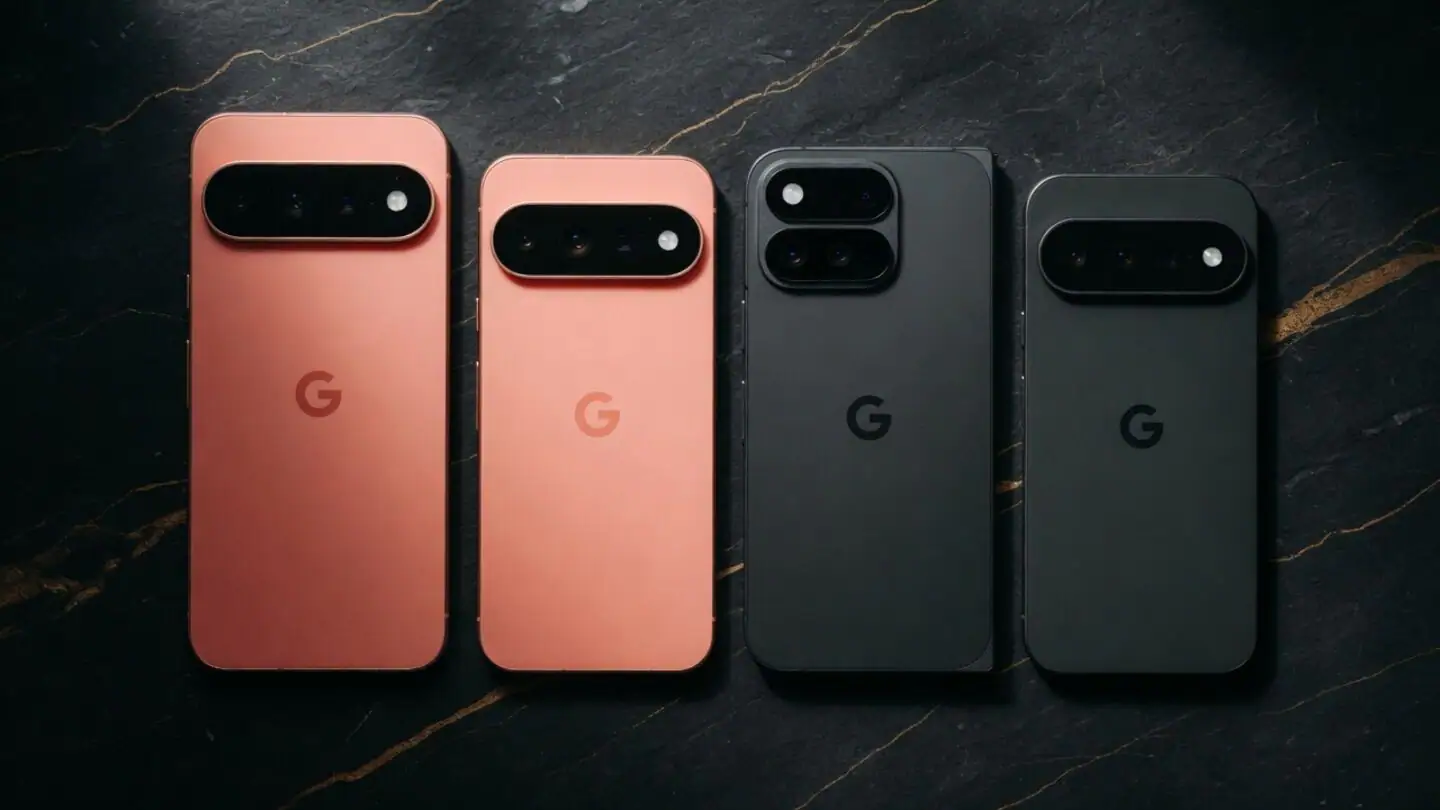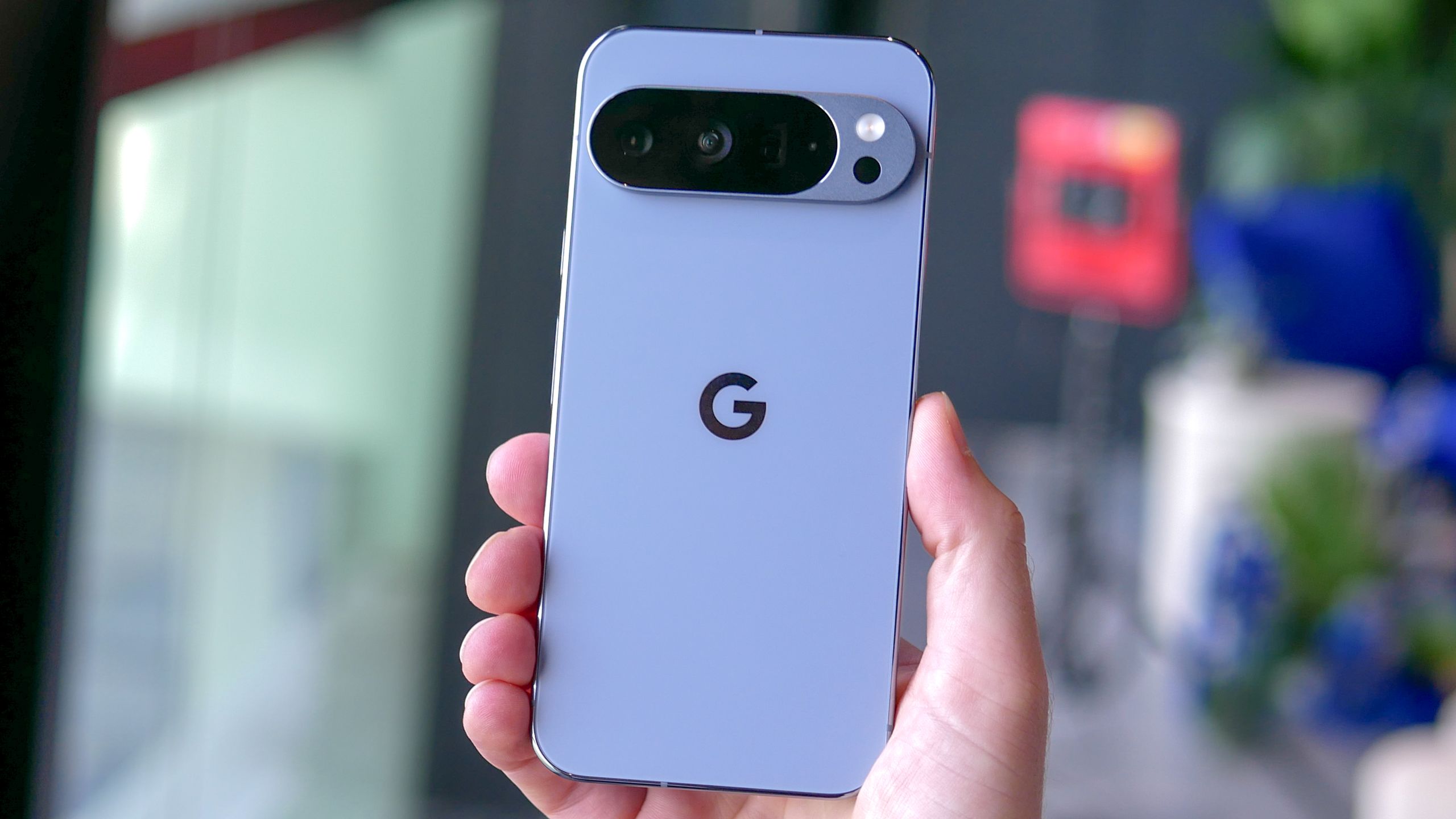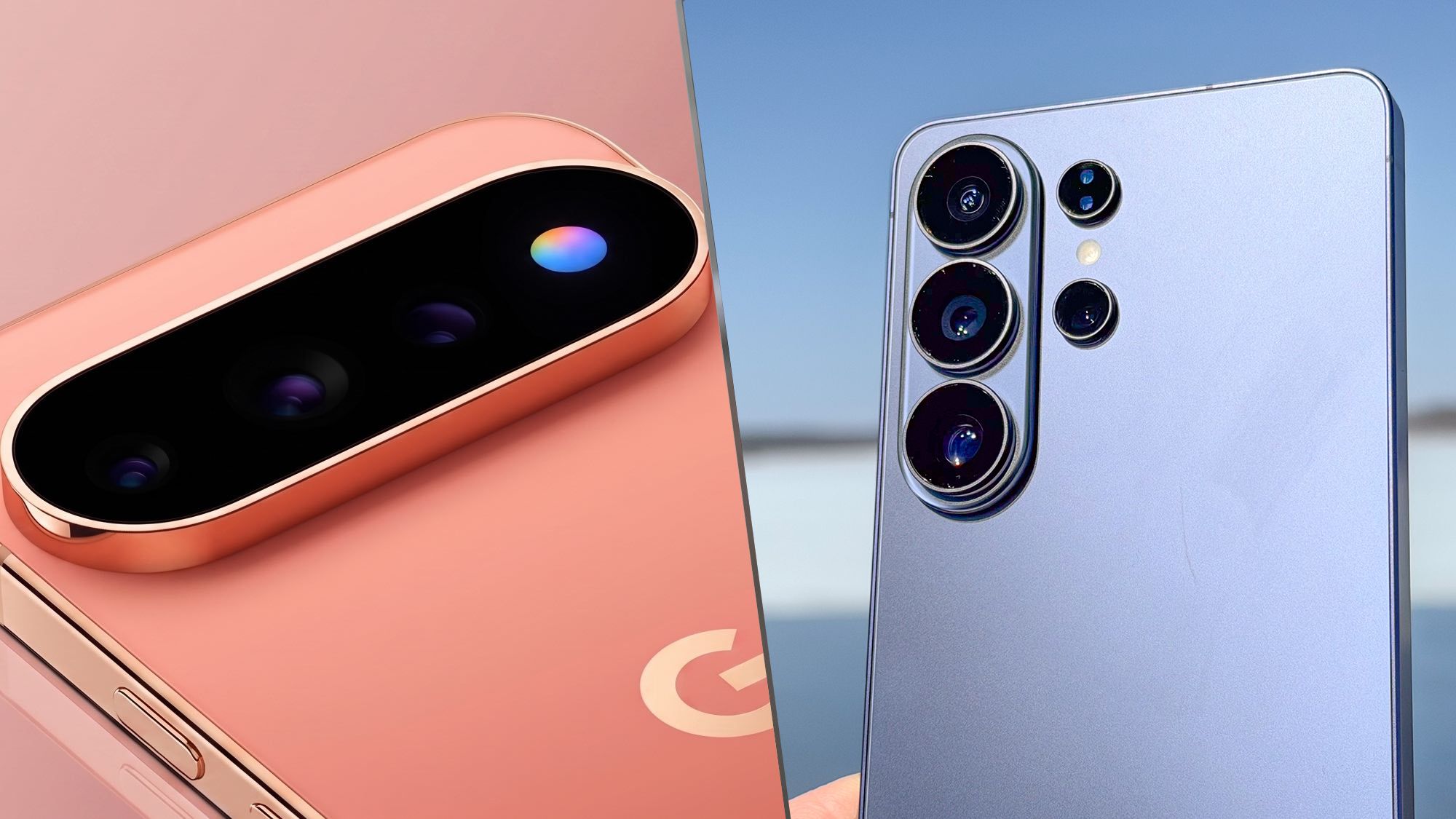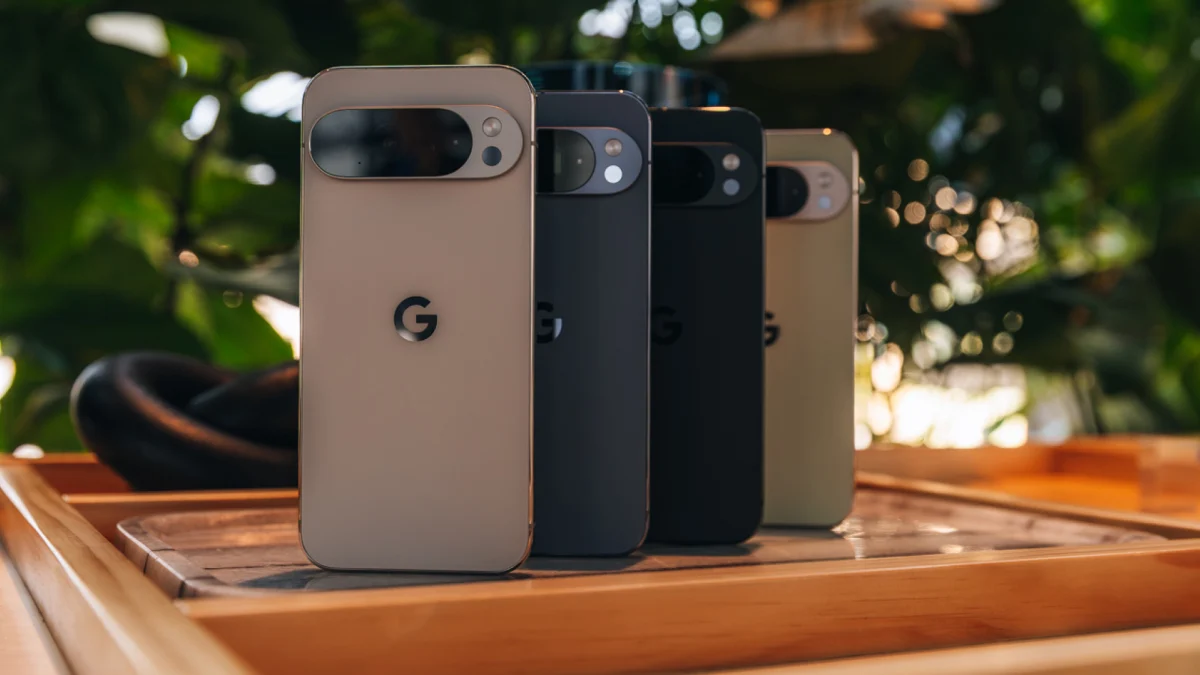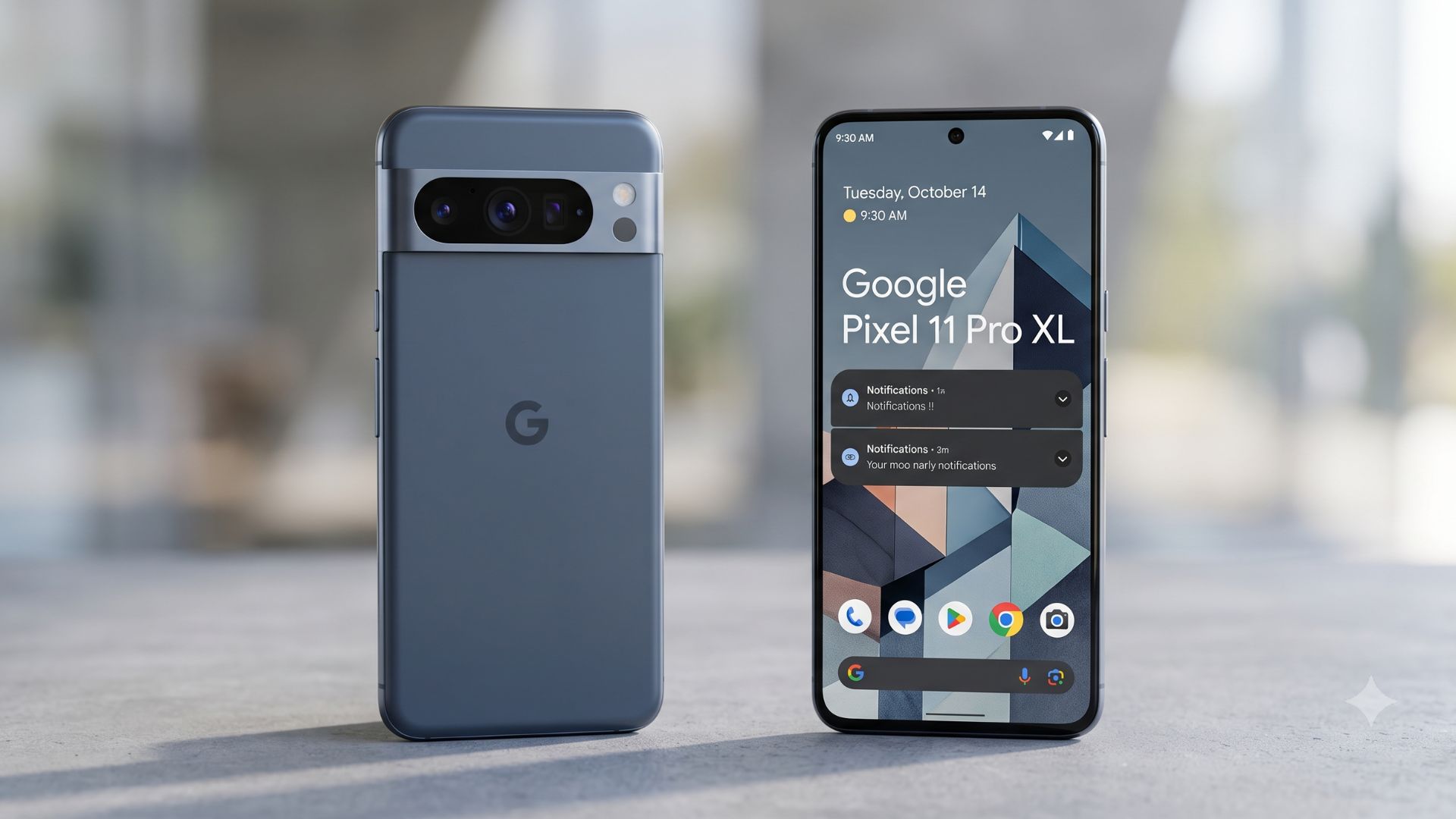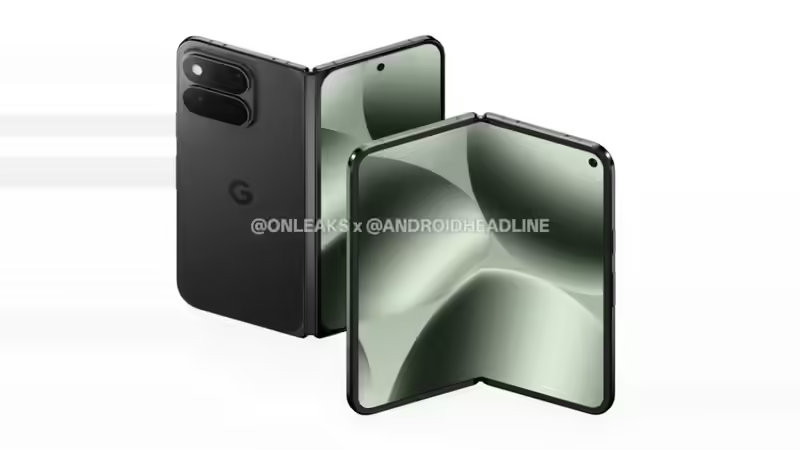
Google's Tensor G6 trades one CPU core for higher clock speeds and a smaller TSMC 2nm die, a bet that AI inference and battery life matter more than multi-core bragging rights. The Pixel 11 Pro XL Geekbench 7 listing — codename Kodiak — scores 2,112 in single-core and 5,196 in multi-core, a seven per cent single-core gain over the Tensor G5 reference data alongside a twelve per cent multi-core drop. The chip runs a 1+4+2 cluster of Arm C1 cores with one C1-Ultra at 4.11 GHz, a configuration that prioritises sustained workloads over burst performance. The GPU shifts from PowerVR DXT to the older CXTP architecture, a move that saves silicon area while keeping graphics performance flat. In India, estimates place the Pixel 11 Pro XL between Rs. 1,19,999 and Rs. 1,36,999, a segment where the Galaxy S26 Ultra and iPhone 17 Pro Max offer more aggressive gaming silicon. The real question is whether Indian buyers at that price point will accept a phone that leads in AI photography and on-device translation while sitting a tier below in raw gaming performance. The leak arrives ten months before the expected launch, giving Google ample time to tune the silicon before mass production begins.Seven Cores, One MissionAbout The AuthorAt heart, I am a storyteller drawn to the watershed moments that bend the technology landscape. I braid narrative with data, humanise statistics, and trace the arc from first spark to world-changing impact. My reportage, features and reviews are witty, sardonic, visual and vivid, using anecdote to illuminate rather than eviscerate.
Pixel 11 Pro XL: 7 Things the Tensor G6 Leak Reveals
The Pixel 11 Pro XL is set to become a game-changer with its innovative Google Tensor G6 chip, designed with AI functionality in mind. Utilizing a 2nm process alongside a seven-core CPU cluster, it promises remarkable efficiency. While graphics performance will shift to an older architecture, the device emphasizes AI capabilities, particularly for photography, as it prepares for a premium launch in India.
TL;DRAI
Tensor G6 prioritizes AI inference over gaming: seven cores, +7% single-core, -12% multi-core. Signal for tech leads: AI-on-device (translation, photography) now anchors premium Android roadmap, reshaping OEM stack priorities away from raw GPU performance.
3,289 words~15 min read