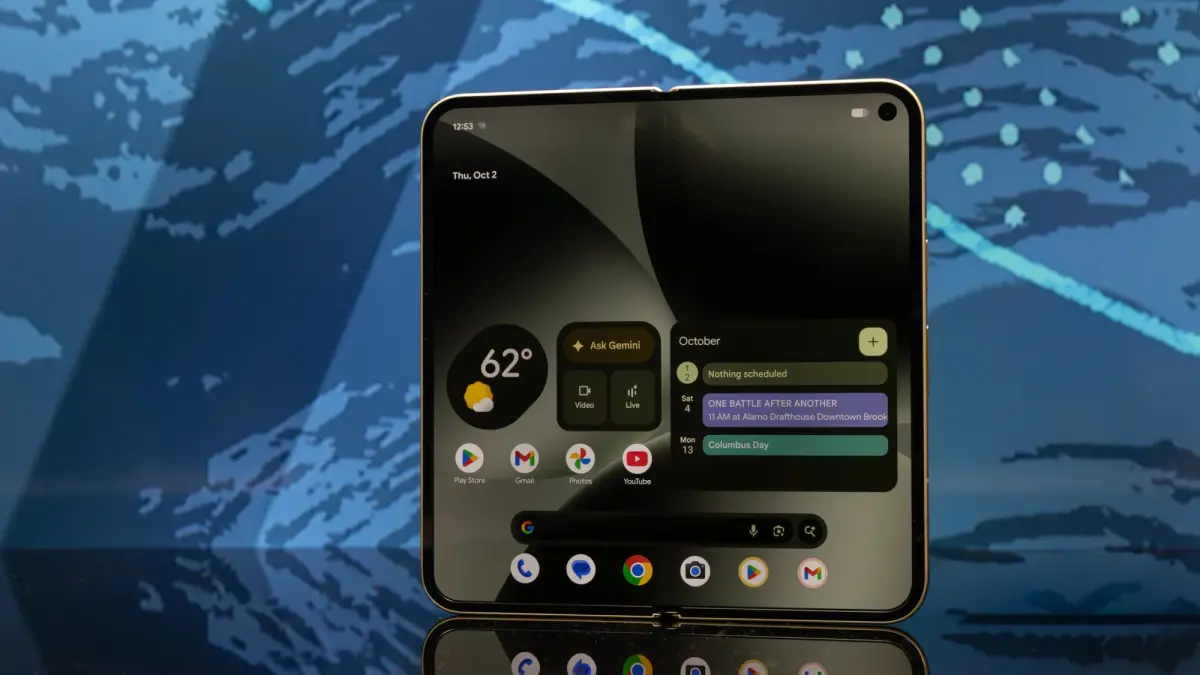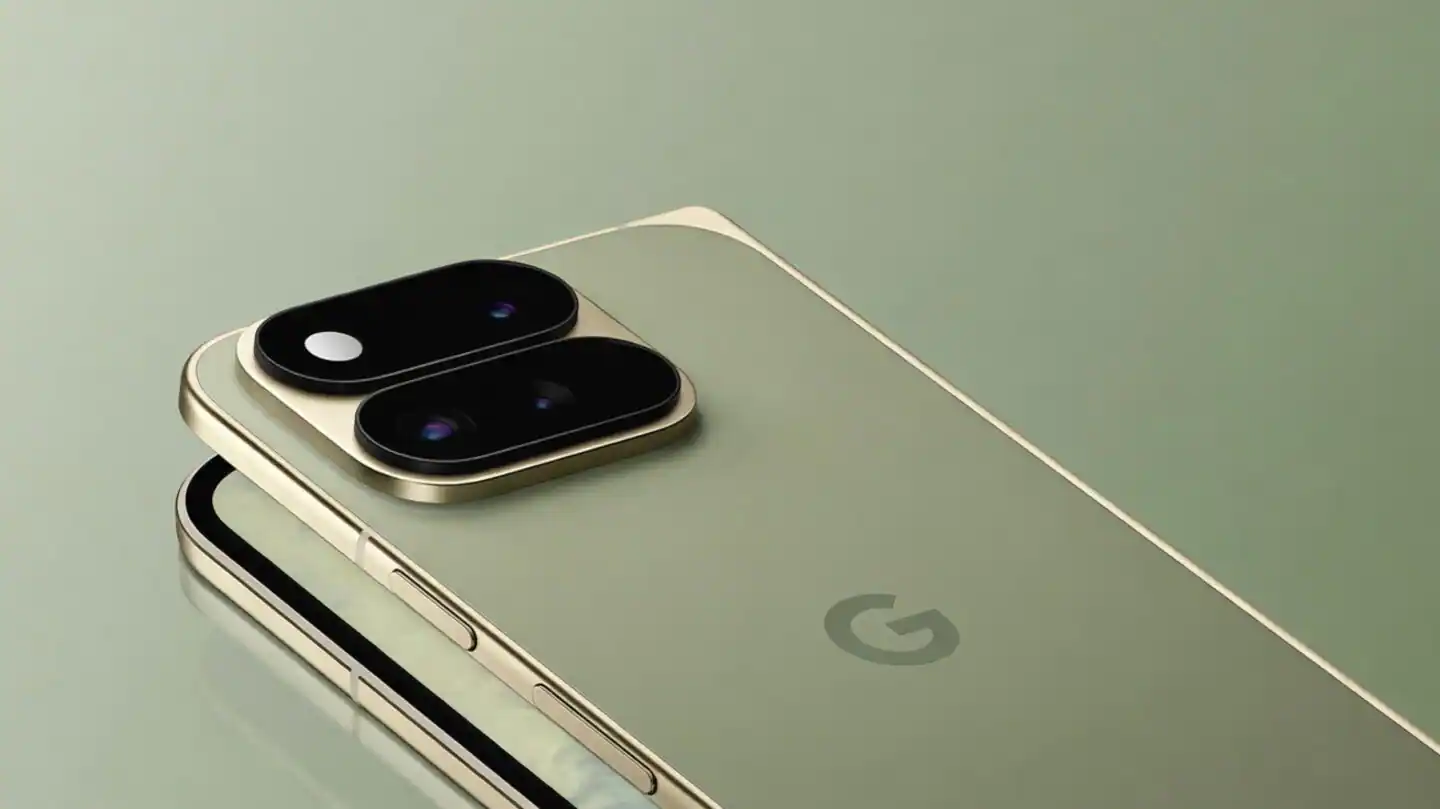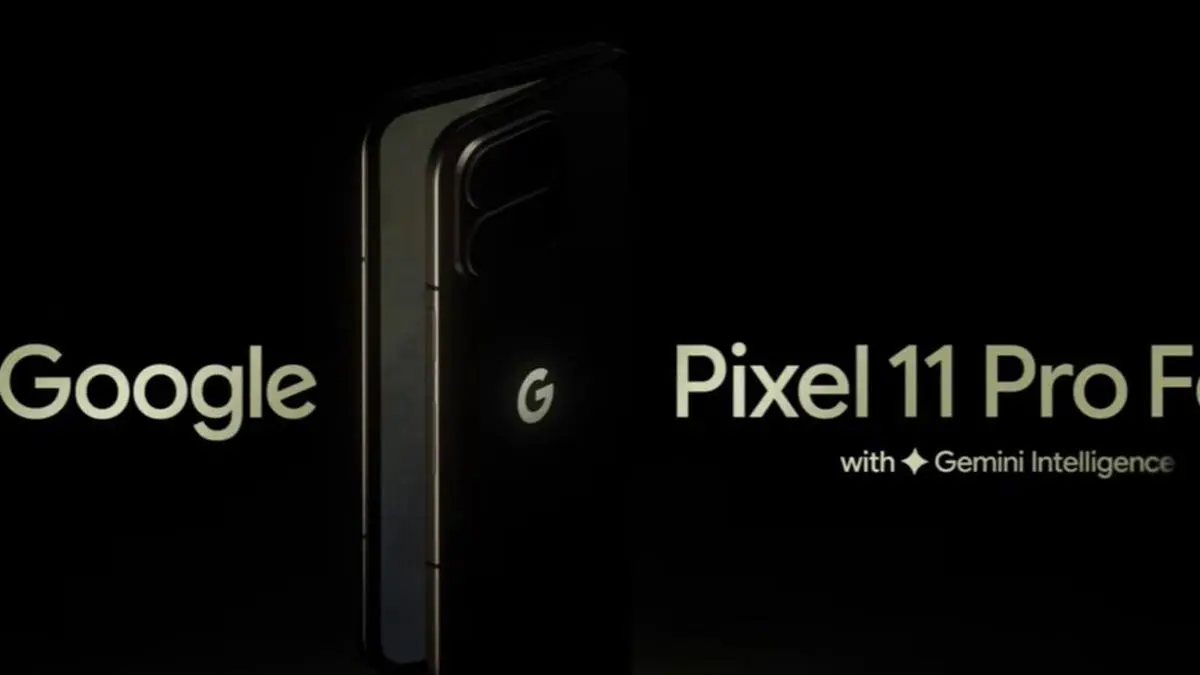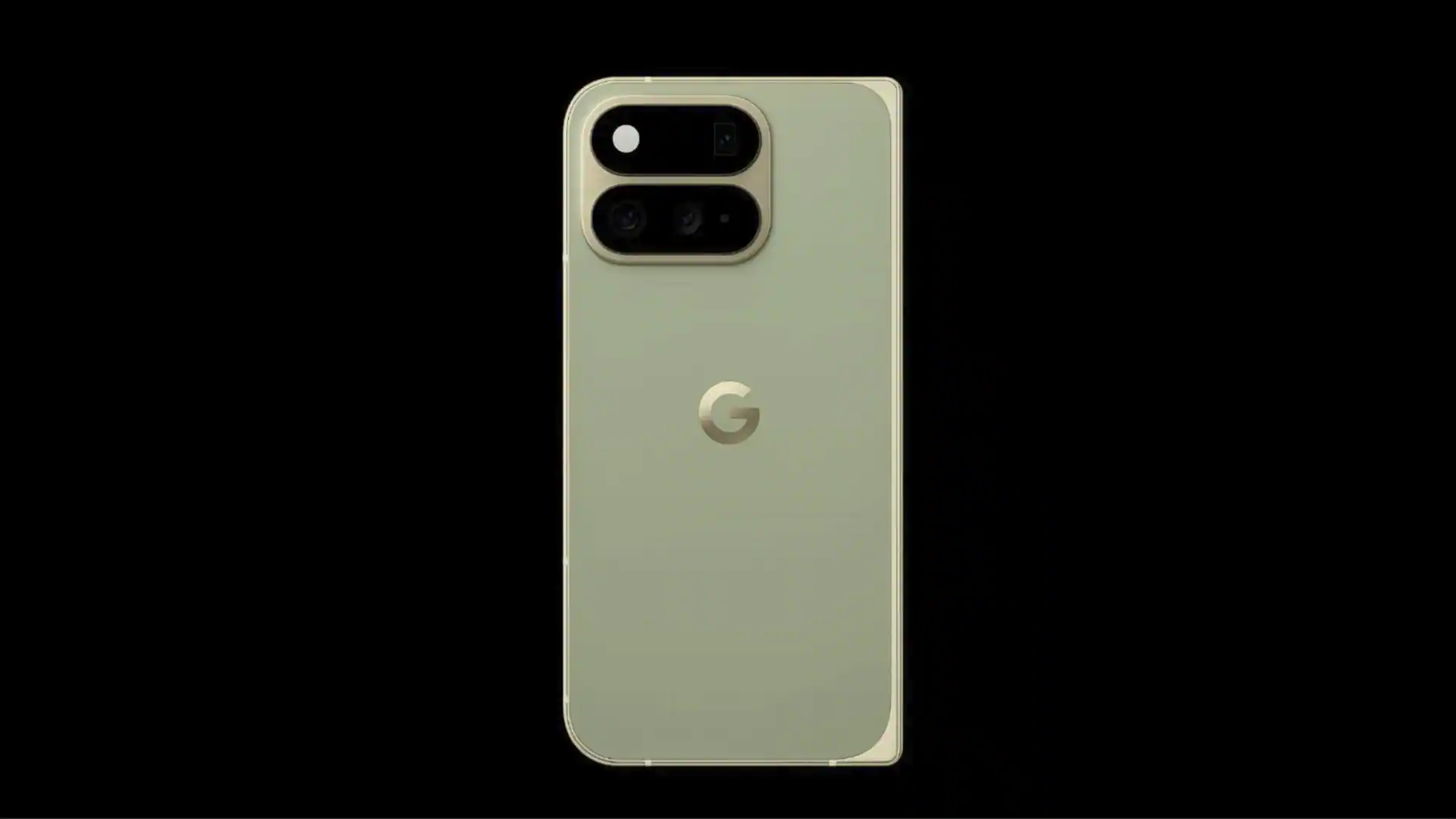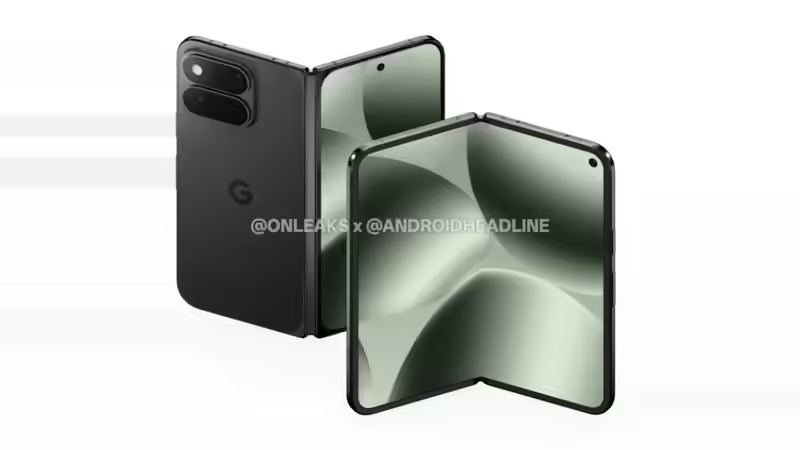
Pixel 11 Pro Fold has been leaked in all its glory The Pixel 11 Pro Fold has leaked in near-complete detail ahead of an expected August 2026 reveal: a Tensor G6 chip on TSMC's 2nm process, a body slimmed to 10. 1mm folded, an RGB light array replacing the thermometer, and a reported battery of 4,658mAh that would be smaller than the one it replaces. Read that last clause twice, because it carries the whole story. Battery life has been Google's single loudest argument for its foldable, the one spec where it beat Samsung without apology. The leaks say that argument is about to get quieter, in precisely the year Apple's first foldable walks into the room.A word on standards before the details, because this story is built entirely on leaks. Google has confirmed nothing: neither the phone's existence, nor a single spec, nor an event date. Every claim below carries its source, the thinnest ones are flagged as thin, and the largest spec dump traces to one leaker, which means the entire middle of this story should be held with a loose grip until Mountain View speaks.Key TakeawaysLeaked CAD renders from OnLeaks and Android Headlines (March 2026) show a design nearly identical to the Pixel 10 Pro Fold, slimmed to 10. 1mm folded and 4. 8mm unfolded, with a redesigned camera island.A May 2026 spec dump from tipster Mystic Leaks, reported by GSMArena and Android Authority, details the Tensor G6 on TSMC 2nm, a MediaTek modem, an approximately 8-inch inner display, and a new main camera codenamed "chemosh."The same leak points to two reported downgrades: a 4,658mAh minimum battery against last year's 4,919mAh, and a 12GB RAM option below the predecessor's 16GB standard.The thermometer goes, replaced by an RGB LED array in the camera bar, similar in spirit to Nothing's Glyph lights.Pricing reports range from $1,699 to nearly $2,000 amid memory-cost inflation. Zero credible India pricing exists yet.Timing puts it against the Galaxy Z Fold 8 (expected within weeks) and Apple's reported first foldable (September 2026): the hardest quarter in foldable history to launch into.What exactly leaked, and how solid is it?Two waves, five months apart, of very different weight.Wave one arrived in early March 2026, absurdly early by leak-cycle standards, when Android Headlines and Steve Hemmerstoffer, the tipster known as OnLeaks with a long accuracy record, published CAD renders of the phone more than five months before its presumed launch. CAD renders derive from factory case-design files, which makes them the closest thing the leak economy has to load-bearing drawings. They showed a phone almost indistinguishable from the Pixel 10 Pro Fold at a glance, with one visible change: a cleaner, more elegant rear camera island, with the flash and microphone moved into the cutout. The accompanying dimensions did the real talking, and this piece returns to them shortly.Wave two landed in May, when a tipster called Mystic Leaks published a spec dump covering the entire Pixel 11 family, picked up by GSMArena and Android Authority. This is where the chip details, display figures, battery number, RAM tiers and camera codename come from, and here is the honest structural warning: it is one source. A detailed one, an internally consistent one, and one whose Pixel claims outlets took seriously enough to report — yet still one source, awaiting corroboration. Every figure in the next section inherits that caveat.What are the leaked Pixel 11 Pro Fold specifications?Assembled from both waves, with attribution held throughout:ComponentLeaked detailSource and statusChipTensor G6 on TSMC N2 (2nm): 1x ARM C1-Ultra at 4. 11GHz, 4x C1-Pro at 3. 38GHz, 2x C1-Pro at 2. 65GHz, PowerVR CXTP-48-1536 GPU, new TPU, Titan M3 securityMystic Leaks via GSMArena; single sourceModemMediaTek M90 (MT6986D), replacing years of Samsung modemsSame leak; single sourceInner displayApproximately 8 inches, 2076x2160, 1-120Hz LTPO, 2,050-nit peakMystic Leaks via Android Authority; single sourceCover displayApproximately 6.4 inches, 1080x2342, 60-120Hz, 2,450-nit peakSame leak; single sourceRAM12GB or 16GB (predecessor: 16GB only)Same leak; single sourceBattery4,658mAh rated, likely advertised near 4,800mAh (predecessor: 4,919mAh rated)Same leak; single sourceMain cameraNew sensor, codename "chemosh"; details absentSame leak; single sourceBody10. 1mm folded, 4. 8mm unfolded (predecessor: 10. 8mm / 5. 2mm)OnLeaks x Android Headlines CAD renders; strong sourcingExtrasRGB LED array in camera bar replacing the thermometer; IR face unlock reported as likely absent; colours including green per leaked wallpapersMystic Leaks and wallpaper leaks; single source and soft respectivelyThree items circulating in weaker corners of the leak economy deserve explicit downgrading rather than silent inclusion: claims of Qi2 charging, 10MP selfie cameras on both displays, and a three-camera rear redesign all trace to forum-grade aggregation or single low-authority posts. They may prove true. They earn zero weight until a stronger outlet carries them.Why does a smaller battery matter this much?Because it was the argument. Strip away the software talk and the Pixel foldable pitch has rested on one beautifully simple comparison: the Pixel 10 Pro Fold carries a 5,015mAh battery against the Galaxy Z Fold 7's 4,400mAh, a gap Forbes' reviewer called more than noticeable in extended use of both. Google built the chunky foldable on purpose. While Samsung chased millimetres, Google banked milliamp-hours, and the trade bought it the one line every reviewer repeated: the foldable that actually lasts.The leak says the new phone gives some of that back: 4,658mAh rated against 4,919mAh rated last year, a drop of roughly 260mAh in exchange for 0. 7mm off the folded thickness. In F1 terms, Google spent years running its own strategy while rivals pitted for fresh tyres, then chose the season of maximum pressure to copy their stop. The counterargument writes itself, and fairness demands it appear: the Tensor G6's move to TSMC's 2nm process should improve efficiency meaningfully, and a more efficient chip drawing from a smaller cell can still deliver equal or better endurance. Chip-node gains have rescued smaller batteries before. That maths remains unproven until review units exist, and a comparison of leaked rated figures against shipped spec sheets is itself imperfect, as the reporting outlets acknowledge. Still, the directional truth stands: the one spec Google owned outright is leak-listed as shrinking.The RAM story rhymes. Android Authority notes the predecessor shipped with 16GB across the board; the leak lists 12GB and 16GB tiers for the new phone. A cheaper entry tier makes commercial sense in a year when memory prices have climbed across the industry, the same inflation that pushed up the OnePlus Nord 6's price and Apple's laptop stickers. It also means the entry Pixel 11 Pro Fold would carry less memory than the phone it replaces, an awkward sentence for any launch keynote in the year on-device AI became the entire pitch.What is Google's design strategy here?Deliberate refusal, and Forbes named it precisely: Google has no interest in the ultra-slim phone trend, and the renders confirm the attitude survives into 2026. The new phone slims by fractions of a millimetre while Samsung's Fold line pursues genuine thinness and Apple's reported foldable chases 4. 8mm unfolded as its headline trick. Google, per Forbes' reading, is building big, square, bulky phones that prioritise the device experience and long battery life over hand-feel, two generations running, a clear choice rather than a lag.Think of it as architecture rather than fashion. Samsung and Apple are building glass towers, each floor thinner than the last, spectacle as specification. Google keeps building the brutalist library: unglamorous, over-engineered for its users, and unbothered by the skyline contest. The leaked renders show a wider inner display that letterboxes video less, bezels that survive for the sake of durability, and a camera bar that remains the most recognisable silhouette in Android. There is real coherence in that. The question 2026 will answer is whether coherence survives contact with an iPhone-shaped spotlight, because a design philosophy that reads as principled against Samsung alone may read as merely thick once Apple defines what a foldable should feel like for the mainstream buyer.One deletion and one addition complete the design picture, both from the single-source wave. The thermometer, the Pixel camera bar's strangest tenant since 2023, reportedly departs. Its replacement: an RGB LED array inside the camera bar, described as similar to Nothing's Glyph interface but smaller, referred to in leak coverage as Pixel Glow. Notification lights return to flagship phones a decade after they left, reinvented as personality. Carl Pei is owed either royalties or a thank-you note.Who is the Pixel 11 Pro Fold actually fighting?Everyone, all at once, in the worst possible quarter, and this is where the story stops being a spec sheet and becomes a war map.Samsung moves first. The Galaxy Z Fold 8 is expected within weeks at the late-July Unpacked, and PhoneArena's summary of the rumour cycle calls it a phone that sounds positively dreamy in essentially all of the reports so far. Seven generations of hinge learning, a thinness obsession, and the incumbent's shelf presence in every market that matters, India very much included.Apple moves biggest. As this publication reported in depth this week, Apple's first foldable is reported for September 2026 above $2,000, with supply-chain shipment forecasts revised toward approximately 10 million units for 2026 and 20 to 25 million for 2027, per Ming-Chi Kuo's notes and Nikkei Asia. Apple confirms nothing, as ever, yet the component orders describe a launch expected to legitimise the entire category, expanding the market every rival swims in even as it devours the premium end.Google, on the leaked timeline, arrives last: an August reveal for the Pixel 11 family with the Fold shipping later, closer to October 2026, repeating last year's staggered pattern. Which means the Pixel 11 Pro Fold reaches shelves weeks after the dreamiest Fold Samsung has built and roughly alongside the most anticipated phone of the decade — carrying, per the leaks, a smaller battery than its own predecessor, a familiar body, and a chip pitched on AI smarts rather than spectacle.The lane exists, and honesty requires drawing it as clearly as the threat. Google's foldable holds the software crown: first-party Android, tuned multitasking, the longest update promises in the category alongside Samsung, and the Pixel camera processing that keeps outscoring hardware it has no right to beat. Windows-watching commentary on the leak cycle frames the phone as a confidence play, tuned rather than rescued, a company past its proof-of-concept phase. The brutalist library has loyal readers. In a quarter where Samsung sells thinness and Apple sells arrival, Google's realistic play is selling competence — and competence, history shows, wins reviews reliably and market share slowly.What will it cost, and what about India?Reported global pricing spans $1,699 to nearly $2,000, per TechCabal's synthesis of the leak record, with the spread blamed on the same memory-chip inflation squeezing the whole industry this year. The predecessor launched at $1,799, so the range brackets both a cut and a hike, which is another way of saying the supply chain has yet to make up its mind.India deserves plain speech rather than manufactured precision: zero credible India-specific pricing for the Pixel 11 Pro Fold exists in anything this correspondent reviewed, and one forum-grade reference to "ultra-premium India pricing" carries no figure and no sourcing worth your trust. For calibration only, the Pixel 10 Pro Fold launched in India at approximately Rs 1.72 lakh, a figure worth re-verifying against Google's India store before reuse. If the dollar price lands in the reported band and Google's India conversion behaves as it has, the successor plausibly straddles the Rs 1.7 to 2 lakh territory, and that sentence is this author's conditional arithmetic, clearly labelled, rather than anything leaked.The India context around the price matters more than the number. Google has spent two years treating India seriously: Pixel assembly in India began with the Pixel 8 era and has expanded since, foldables here remain a small, Samsung-dominated segment growing on the back of financing schemes, and the premium tier keeps setting records. A Pixel foldable priced against the Z Fold 8, arriving months before Apple's foldable reaches Indian shelves at whatever fearsome number Apple chooses, would enjoy a brief, genuine window as the thinking buyer's fold. Whether Google's India retail machinery, historically its weakest muscle, can exploit a window Samsung has spent seven years fortifying is a fair question with an unflattering track record behind it.So what should a buyer actually conclude?Three things, ranked by confidence.High confidence: the design direction. CAD-based renders from a proven leaker, five months out, describe a modest slimming of a familiar shape. Google is refining, and refusing the thinness race, on purpose.Medium confidence: the spec sheet. A single detailed leak, professionally reported and internally coherent, describes the 2nm Tensor G6, the new modem, the displays, the camera codename, the RGB array. Plausible throughout, corroborated nowhere yet.Low confidence: the conclusions everyone wants. Whether the smaller cell plus the efficient chip nets out to better endurance, whether $1,699 or $1,999, whether India gets aggression or an afterthought — all pending, and anyone selling certainty on those today is selling something else entirely.The 2026 foldable season now has its three characters sketched: Samsung selling the thinnest, Apple selling the moment, and Google, per these leaks, selling the sensible one with the lights on the back — while quietly filing down the battery advantage that made sensible worth choosing. The reveal expected in August will confirm the specs. October, on shelves next to two rivals at the peak of their powers, will test the strategy, and that test, rather than any render, is the one worth waiting for.Frequently Asked QuestionsWhen will the Pixel 11 Pro Fold launch?Leak-cycle reporting expects a Made by Google event in mid-to-late August 2026, following the pattern of the last two years, with the Fold shipping later, closer to October 2026. Google has confirmed neither the event nor the phone.What are the leaked Pixel 11 Pro Fold specs?Per a May 2026 leak from tipster Mystic Leaks (single source): a Tensor G6 on TSMC's 2nm process, an approximately 8-inch 1-120Hz inner display at 2,050 nits, an approximately 6.4-inch cover display at 2,450 nits, 12GB or 16GB RAM, a 4,658mAh rated battery, a new main camera codenamed "chemosh," and an RGB LED array replacing the thermometer.Is the Pixel 11 Pro Fold battery smaller than the Pixel 10 Pro Fold's?The leak lists a 4,658mAh minimum capacity against the predecessor's 4,919mAh minimum — a reported reduction of roughly 260mAh. Efficiency gains from the 2nm chip could offset it in practice; that remains unproven until reviews.How thin is the Pixel 11 Pro Fold?Leaked renders and dimensions put it at 10. 1mm folded and 4. 8mm unfolded, versus 10. 8mm and 5. 2mm for the Pixel 10 Pro Fold — slimmer, while remaining far from the ultra-thin designs Samsung and Apple are pursuing.How much will the Pixel 11 Pro Fold cost?Reports span $1,699 to nearly $2,000, against the predecessor's $1,799 launch, with memory-price inflation cited as the wildcard. Credible India pricing has yet to surface; the previous model launched here at approximately Rs 1.72 lakh, a figure worth re-verifying.What will it compete against?The Galaxy Z Fold 8, expected at Samsung's late-July Unpacked, and Apple's reported first foldable iPhone in September 2026 — making late 2026 the most contested foldable window the category has seen.end of article
Pixel 11 Pro Fold Leaks: Thinner Build, Smaller Battery, Tensor G6 Explained
CAD renders, a chip roadmap and a full spec sheet have spilled out of the supply chain between March and May 2026. Assembled, they describe a Pixel 11 Pro Fold that gets thinner, smarter and lit up like a Nothing phone, while reportedly giving back battery capacity and a RAM tier. Here is the complete leak record, the three-way war it walks into, and the honest caveats — starting with the biggest: Google has confirmed none of it.
2,520 words~11 min read