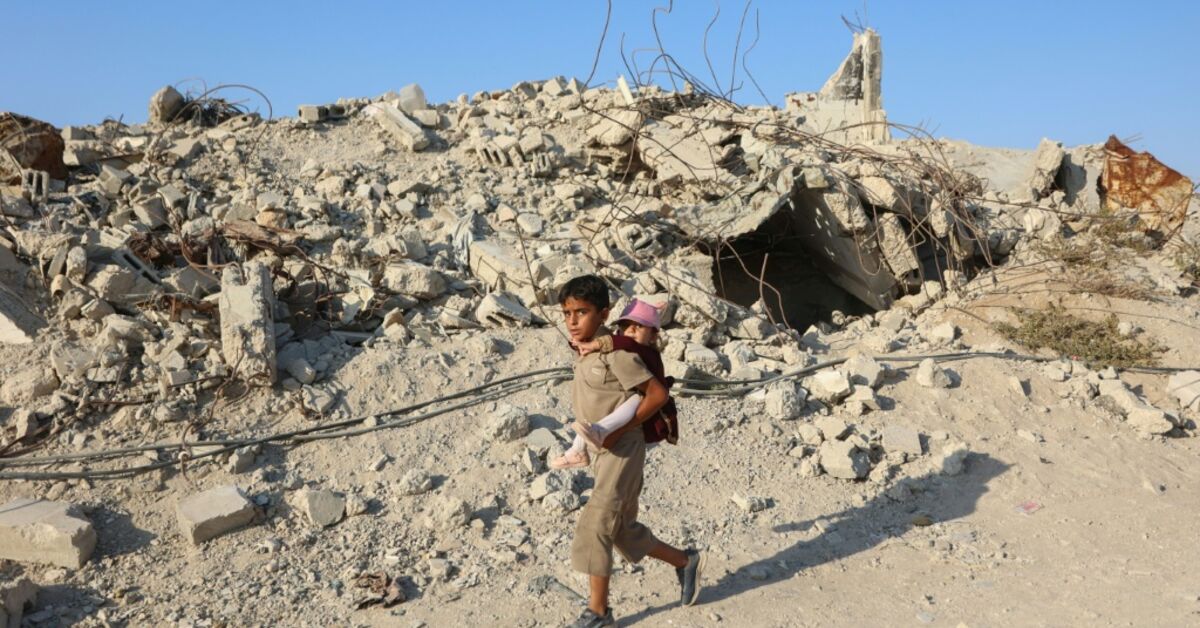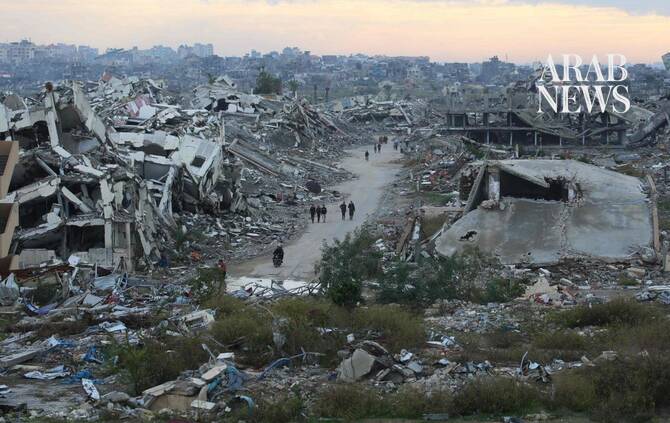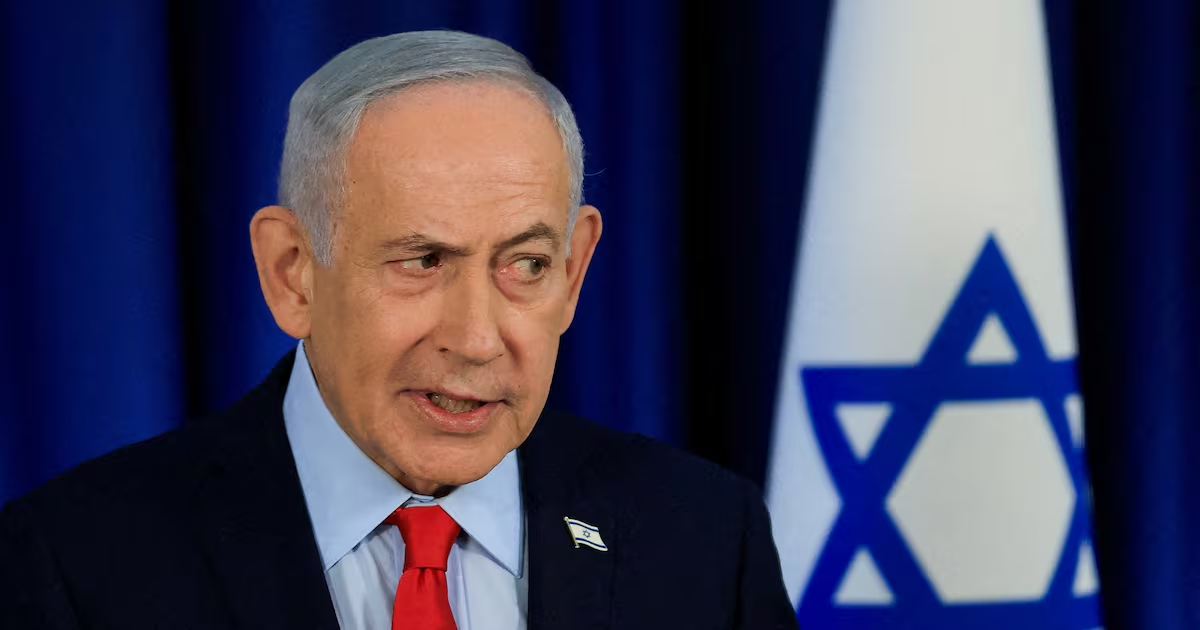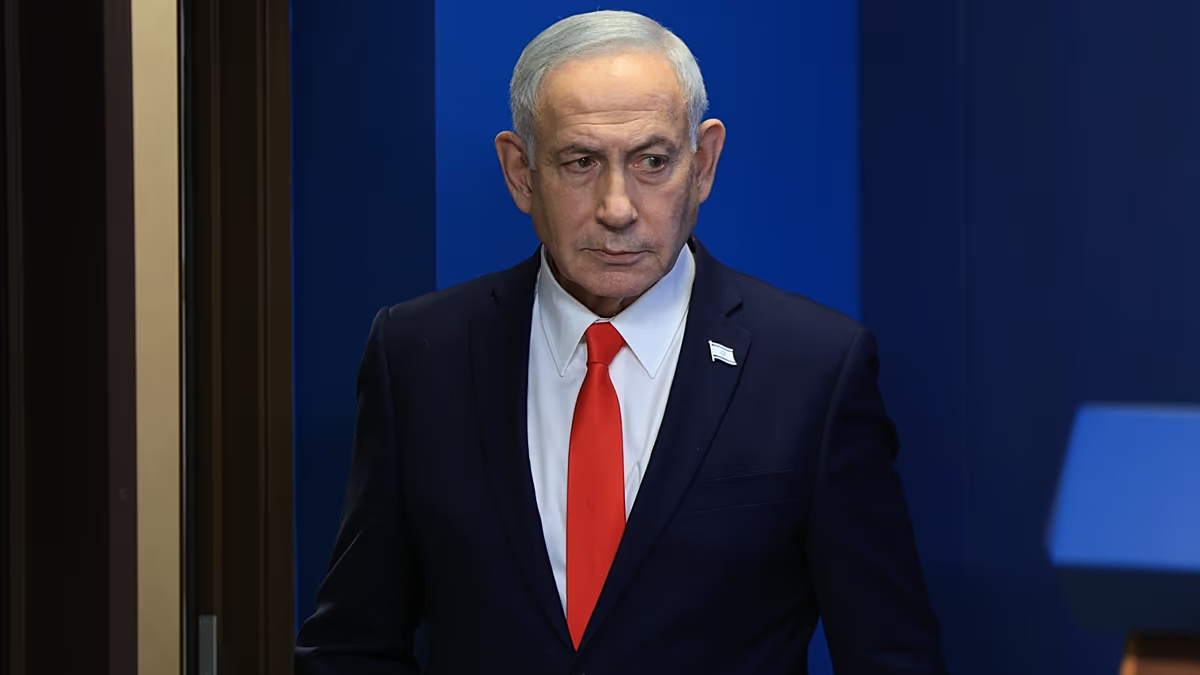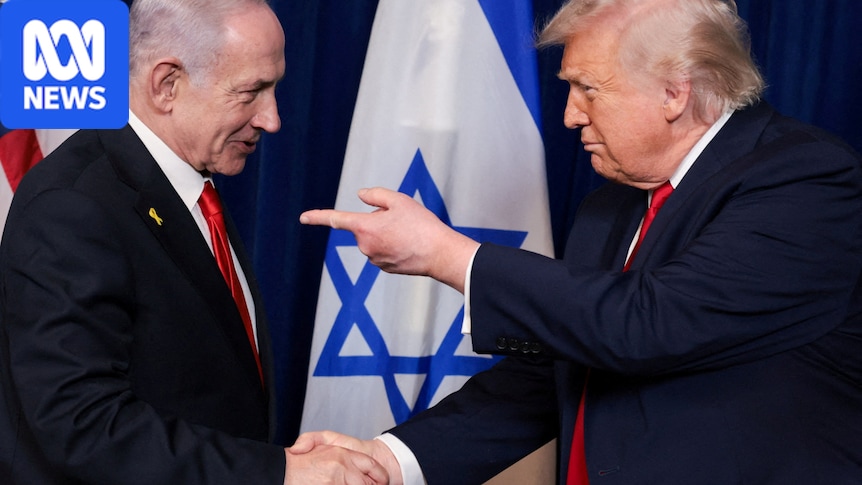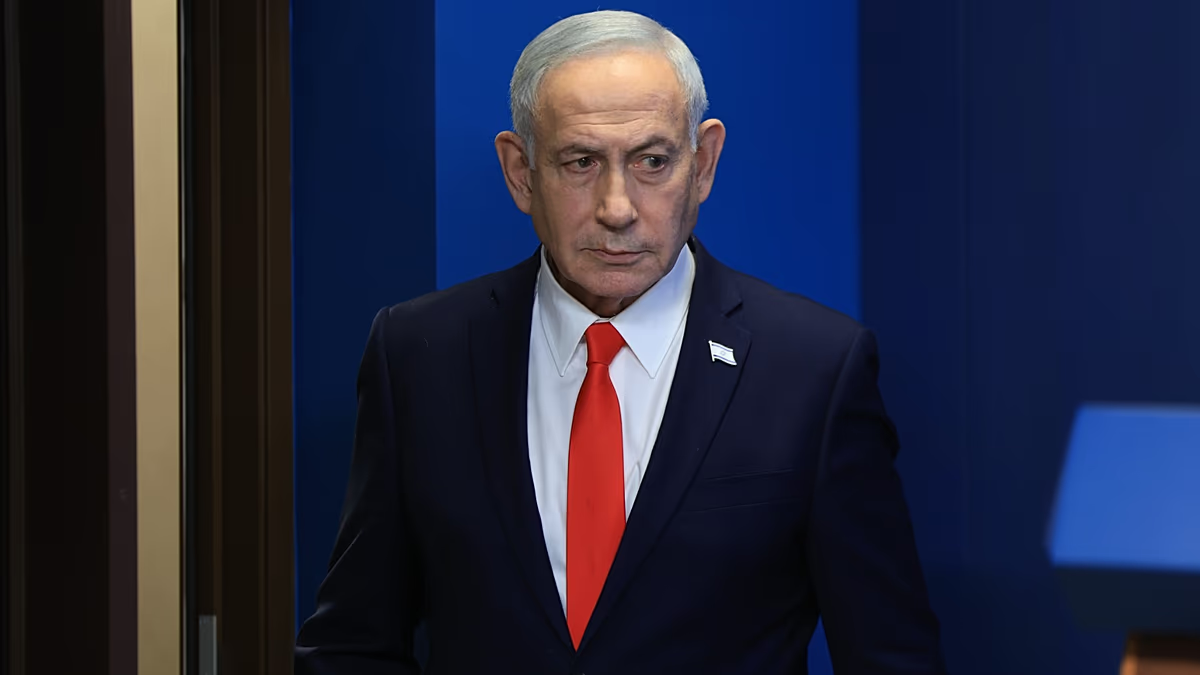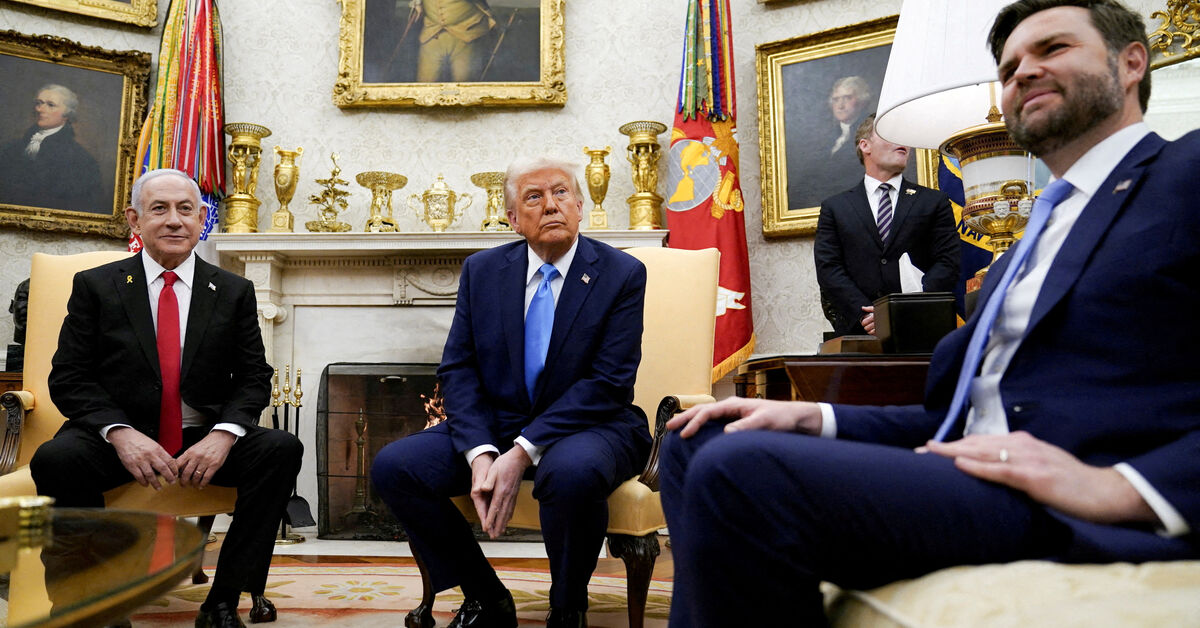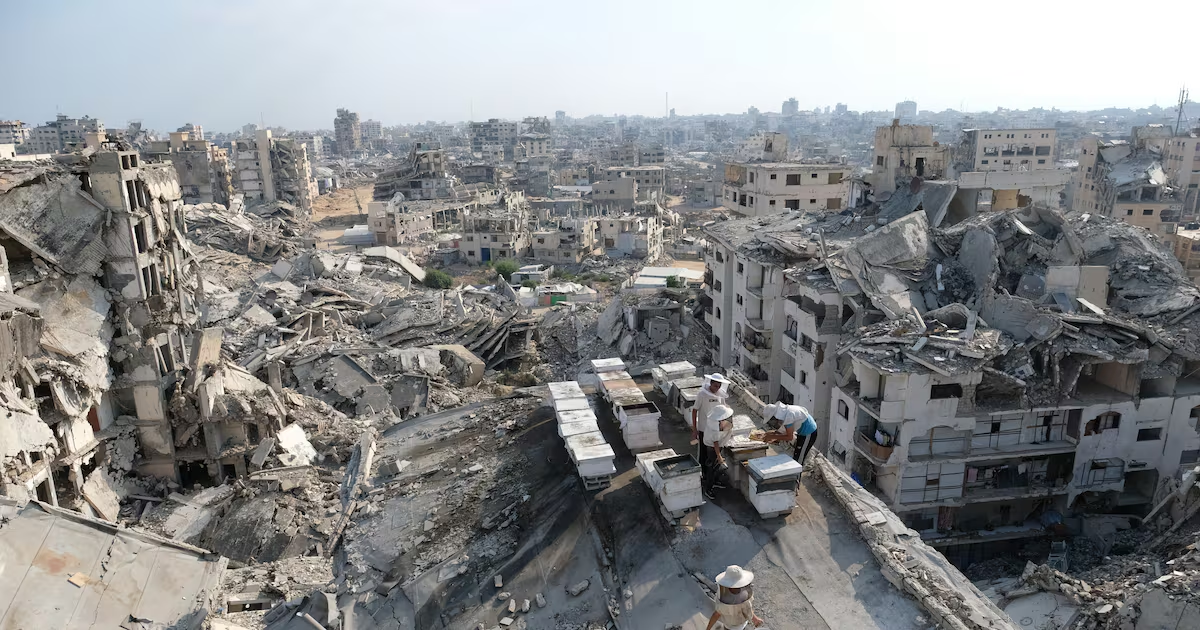
When Binyamin Netanyahu formally rejected Donald Trump’s latest plan to end the conflict in Gaza on Sunday, Israel and the US seemed to be heading for another public falling out.Last month Trump announced a breakthrough involving the withdrawal of Israeli forces as Hamas disarms and an International Stabilisation Force working with a new Palestinian police force to secure the enclave.But the Israeli prime minister dismissed the 15-point plan, which is overseen by the US president’s Board of Peace, in a televised address. However, the reaction from Washington to Netanyahu’s comments has been muted and, on the ground, plans are going ahead to implement the next stages of the ceasefire, albeit at a slow pace.The apparent contradiction is explained by the upcoming Israeli election. Netanyahu wants to be seen as taking a tough stand against Hamas and insists on no concessions until the militant group fully disarms. But in reality it’s business as usual, for now at least.“We understand Bibi’s political needs. We have no problem with it as long as he continues to do what we ask – especially regarding restraining attacks in Gaza”, a US official told the American Axios website, consistently a reliable conduit for White House messaging on Middle East affairs.US president Donald Trump (right) and Israeli prime minister Binyamin Netanyahu in December 2025. Photograph: Tierney L Cross/The New York Times
Business as usual for Israel ahead of elections after Gaza peace plan rejection
Washington’s reaction to Netanyahu’s comments has been muted as plans proceed to implement next stages of ceasefire
625 words~3 min read