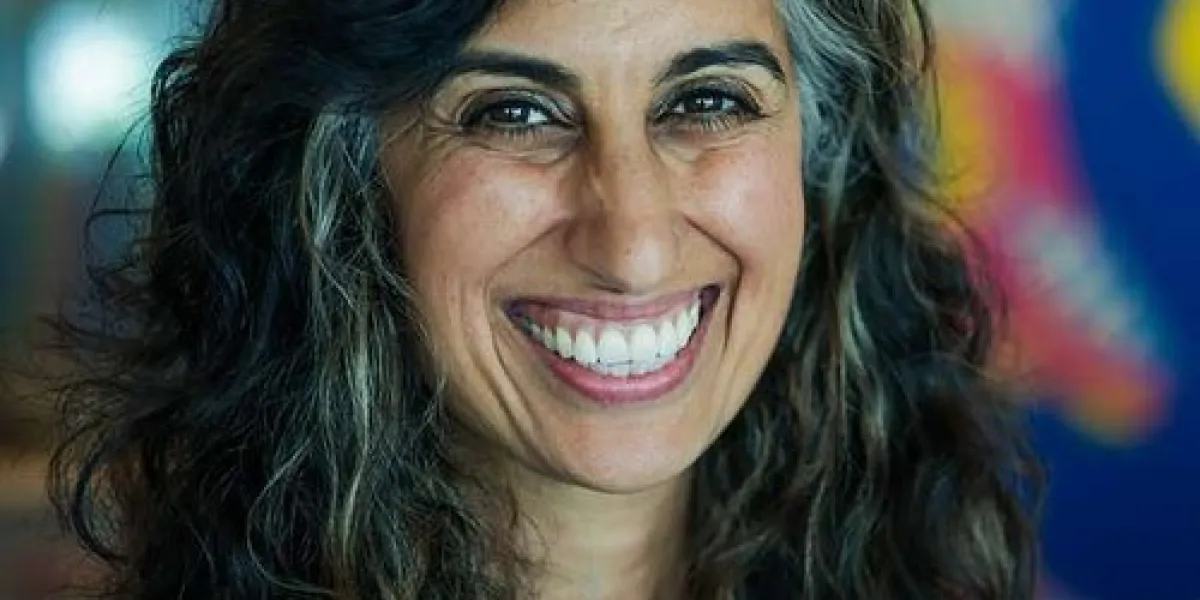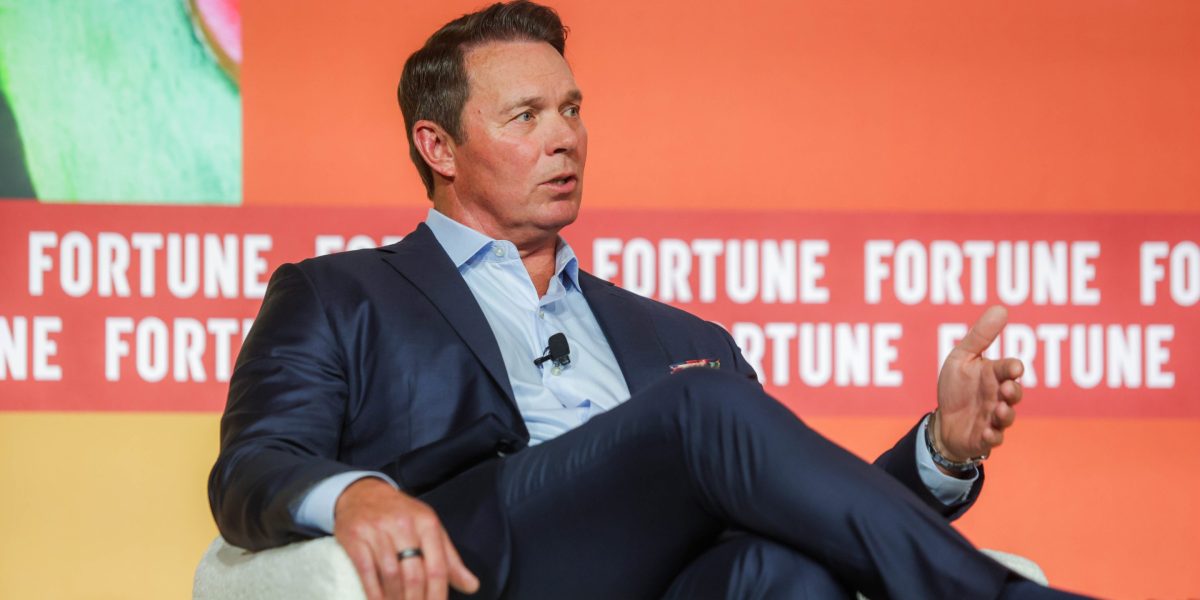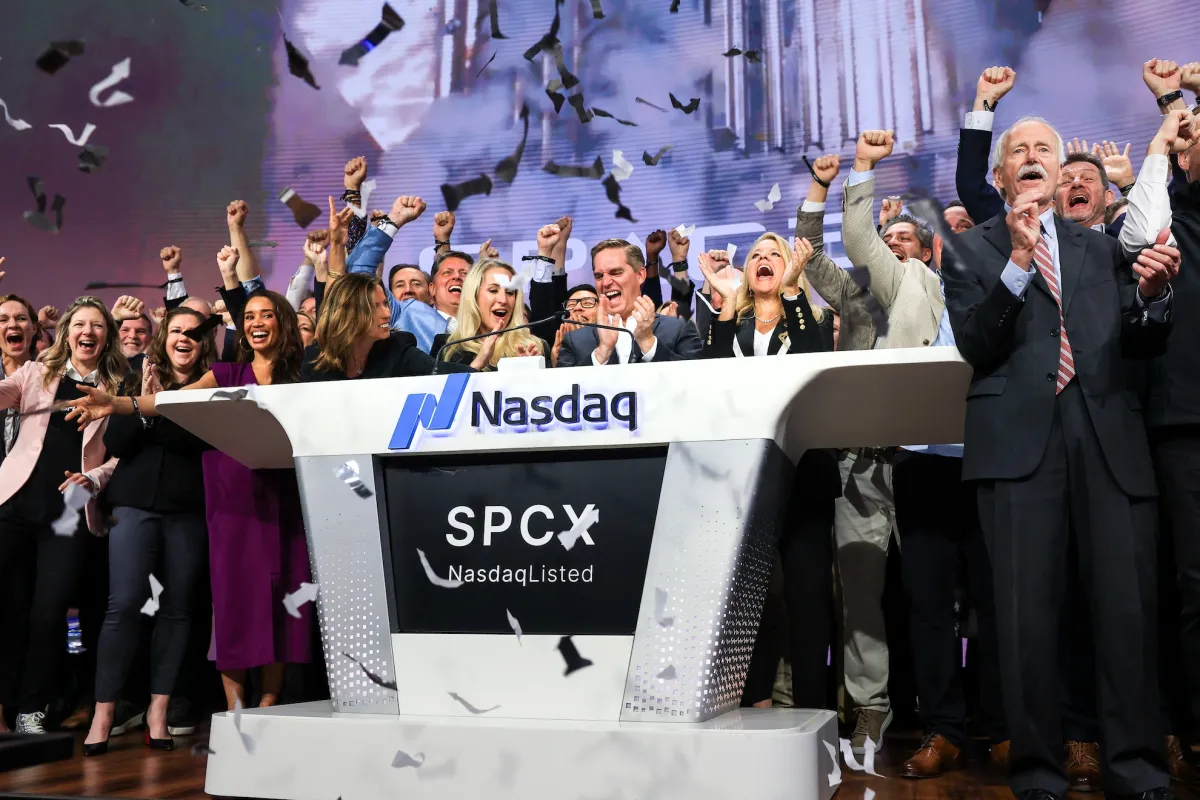
Twilio was founded in 2008 as a voice API company, and quickly grew into something much bigger. It went public in 2016, and business boomed as the Covid-19 pandemic shut down most offices and schools and demand for digital communications soared. In 2024, Twilio’s fortunes had changed. Several activist investors were demanding big changes at the company—which had been going through bumpy times marked by underperforming acquisitions and large layoffs. Founder and former CEO Jeff Lawson was forced out, and then-president of communications Khozema Shipchandler took the helm. In the last two and a half years, Shipchandler has righted the company, returning Twilio to profitability—with revenue up 22% year-over-year in its most recent quarter—and creating new business opportunities. I talked to Shipchandler about the turnaround under activists’ glare. An excerpt from our conversation is later in this newsletter.Until next time.This is the published version of Forbes’ CEO newsletter, which offers the latest news for today’s and tomorrow’s business leaders and decision makers. Click here to get it delivered to your inbox every week.Economic IndicatorsgettyThere were more signs of a slowing economy last week. In July, the U.S. lost 23,000 jobs—far out of line with economists’ predictions of 83,000 new jobs created. The largest cuts came from local government education, retail and finance, according to the Bureau of Labor Statistics. This nudges the unemployment rate down a bit from June—it was 4.1% in July, compared to 4.2% a month earlier—but the labor participation rate, which is the share of people actively employed or seeking positions, was at a more-than-five-year low of 61.4%. Payment processor ADP also reported far fewer new private sector jobs in July than expected: 44,000 jobs created, versus 75,000 expected. As earnings reports come in, companies are showing the impact of the job market stress on consumers. McDonald’s, which a consumer analyst told Forbes is “meaningfully overindexed to lower income households,” reported a U.S. sales increase of just 0.8% last week—coming from higher prices paid by fewer customers.But for oil companies, business is booming thanks to the ongoing war in Iran. ExxonMobil reported quarterly earnings of $14.5 billion—more than twice what it made a year ago—and Chevron more than quadrupled its quarterly earnings compared to a year ago, posting $12 billion in the quarter. President Donald Trump remarked that these oil giants were “making too much money.” Meanwhile, Phillips 66 reported $3.8 billion in its latest quarter, and is capitalizing on another military action taken by the Trump administration. The company is the world’s third largest buyer of Venezuelan crude, and plans to build a leading position in discounted heavy oil grades.Notable NewsEver since its IPO in June, SpaceX’s stock has been a tale of otherworldly ups and downs. Soon after its market debut, the largest-ever IPO saw share prices exceed $225—more than 50% above the $150 opening price—then drop to an all-time low of $104 after its first quarterly report last week. SpaceX reported spending $15.8 billion in AI-related capital expenditures—far above the $13.2 billion estimate, a near sixfold increase in this year’s capex compared to last year’s. Forbes senior contributor Peter Cohan noted SpaceX saw AI-related revenue increase 247%—which didn’t seem to faze investors.But SpaceX was back up at the end of the week, with shares surging 16% on Friday, bolstering CEO Elon Musk’s net worth over $800 billion. The rally was more about something that didn’t happen than any news or announcement. Thursday was the first day that close to 1 billion SpaceX shares could be sold—and most of them, belonging to early investors, were not. Fortune reports that despite all the hype, insiders still have faith in the company and outsiders were ready for it.Tomorrow’s TrendsHow Twilio’s CEO Turned Around The Company Under Activist InvestorsTwilio CEO Khozema Shipchandler.TwilioCorporate turnarounds are always challenging, but when Twilio CEO Khozema Shipchandler took the job in 2024, he’d replaced a beloved founder and was working in the glare of activist investors. I talked to him about how he led Twilio through the crisis and back to profitability. This conversation has been edited for length, clarity and continuity.When you became CEO, a lot needed to change pretty quickly at Twilio. What was your strategy, and how did you go about making it happen?Shipchandler: I basically said, ‘OK, what are all of the things that have to happen in the next 90 days for us to be able to get through this and get to the other side?’ The basics of that were we had to fundamentally realign what the financial profile of the company was going to be. We set up some targets internally, in terms of growth and profitability, cashflow, as well as stock-based compensation.We were very specific about those four things internally. A year on, we made all of those public as part of an investor day in terms of: This is what you should expect from this company to run well from a financial perspective. The second thing is we could be a lot more rigorous in terms of the way we were running the place. There was a lot of pressure on us to sell a data asset called Segment, an acquisition we’d done several years prior that hadn’t been integrated very well. Parting with a data asset right now would be crazy as AI is really starting to take off. We definitely can run this thing better. We committed to investors that we would get it to break even. And we committed to our customers that we were going to be there to innovate on the product.We took that one step further and said, ‘Look, not only are we going to innovate for you guys, but as AI takes hold, the combination of our communications assets plus this contextual data asset—then using it with AI is going to be an important next chapter of this company.’ Which leads into my third point: We had to reexcite the innovation engine. This is a technology company. It’s great to have great financials, great distribution, but if you’re not exciting your customers with what’s possible and how they can build their businesses against us every day, you lose steam.Going into our customer conference this year, we [made available] five products all at once. You want to wow customers, no question. But more importantly, when a customer talks to their rep and says, ‘That looks amazing. Does it actually exist and can I buy it?’ the rep is able to say, ‘Not only can you buy it right now, but we can activate your environment against a demo today so that you can go back to your CFO and show them how much ROI you can actually generate.’The final thing we did was we replaced members of our team: our CMO, our CRO, our chief product officer. Later, we changed our chief legal officer. I thought we had to bring a lot more rigor to everything. We have long talked about our values about having an ownership culture. And what I tried to emphasize with everybody, whether it was customers, investors or employees was that with ownership comes accountability. We had to bring folks that were more deliberate about their thinking along those lines, and could bring it in terms of the discipline and rigor that we’d sought. And then with existing culture [and] financial discipline carriers vis-a-vis our CFO and CHRO, it’s worked out great.How challenging was it for you to be doing this in a very visible place: A publicly traded company with activist investors pushing for a lot of change?I was very deliberate about the things that I wanted to do and things that had to wait. The No. 1 thing I focused on was transparency with all of our audiences: With our employees about the state of things, with our investors about the state of things, our customers, our board, our management team. People may not like the news, but at least we’re all on the same page. We’re acting with the same information. That first year, I spent the vast majority of my time with employees and then secondarily with customers. I knew we weren’t going to be able to get investors back on our side just yet. They needed to see points on the board. For investors, one quarter is not enough. They need to see two, three quarters strung together. I knew we could do that behind the scenes, but they were going to have to wait.I did a ton of road shows and was honest about the state of things: Here’s where we are. Here are all the difficult things we’ve got to go do. Are you with it? Because if you’re not with it, there’s the door—and I get it. It’s going to be hard, and not everybody is down for something that’s really hard, but at least you know and can make decisions based on this transparent set of information. We bought a lot of goodwill with our employees around being transparent. Our attrition rates started to fall, and our engagement scores started to go up—even when the stock hadn’t recovered. It was not until the second year that I started spending a lot more time with investors. We had to put together an investor day. We started going out and marketing the stock a little bit more. All of these things are public. You’ve got to do them in the public eye, and at some level you just don’t worry about it. What advice would you give a CEO who has activist investors pushing to make a quick turnaround?A mentor, a former CEO of a large financial services company, said very early on in my tenure: You have to have conviction and run your play. A year from now, the stock will pop. You will clear these guys’ thresholds. They don’t have any good ideas—other than reduce cost and buy back stock. When they reach that threshold, they’re going to leave. You’ll literally never hear from them again. Don’t run it for them. Run it because you see a better outcome on the other side for everybody—most importantly, your customers—and that will create investor outcomes on the other side. You don’t get a second chance to be a CEO for the first time, so you’ve got to do all the things. You’ve got to make your list and say, ‘I’m doing all these things because the second time around, it’s harder. Patterns settle in and you become a little bit more stuck in your ways.’Strategies + AdviceFIFA President Gianni Infantino is in the news—and may lose his job—because of a crisis of his own making: Pitching a wildly unpopular plan to sell off a subsidiary of the organization to raise money. It’s a reminder that even effective CEOs can create potentially career-ending controversy. Here’s how to determine if your bold ideas will be better received.While companies everywhere have gone all in on AI, surveys are showing customers are becoming disillusioned with it. AI is overly generic, gives unreliable customer service, and provides low quality information, they say. Here are things you need to look at to ensure your AI is actually providing positive customer interaction—and not costing you business.QuizThe National Retail Federation published its annual list of the fastest-growing retailers in the U.S. last week. Which is No. 1?A. Dick’s Sporting GoodsB. PrimarkC. CVSD. MinisoSee if you got the answer right here.
How To Lead A Company Through Activist Pressure
Also in the Forbes CEO newsletter: Consumers see a slowing economy while oil companies reap profits, SpaceX has another week of ups and downs.
TL;DRAI
Twilio returned to profitability with 22% YoY revenue growth under CEO Khozema Shipchandler after activist investors forced out founder Jeff Lawson. Keeping Segment data asset for AI rather than divesting demonstrates how to balance activist demands with strategic long-term tech positioning.
1,895 words~9 min read