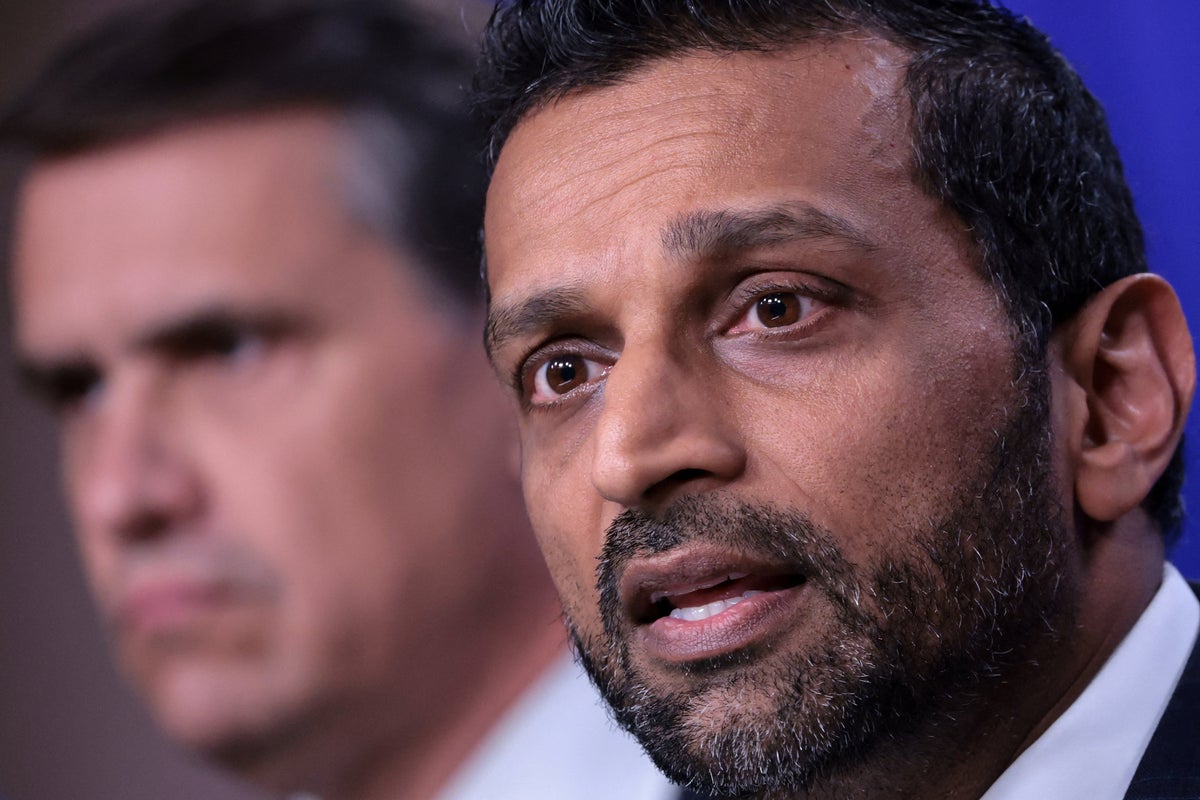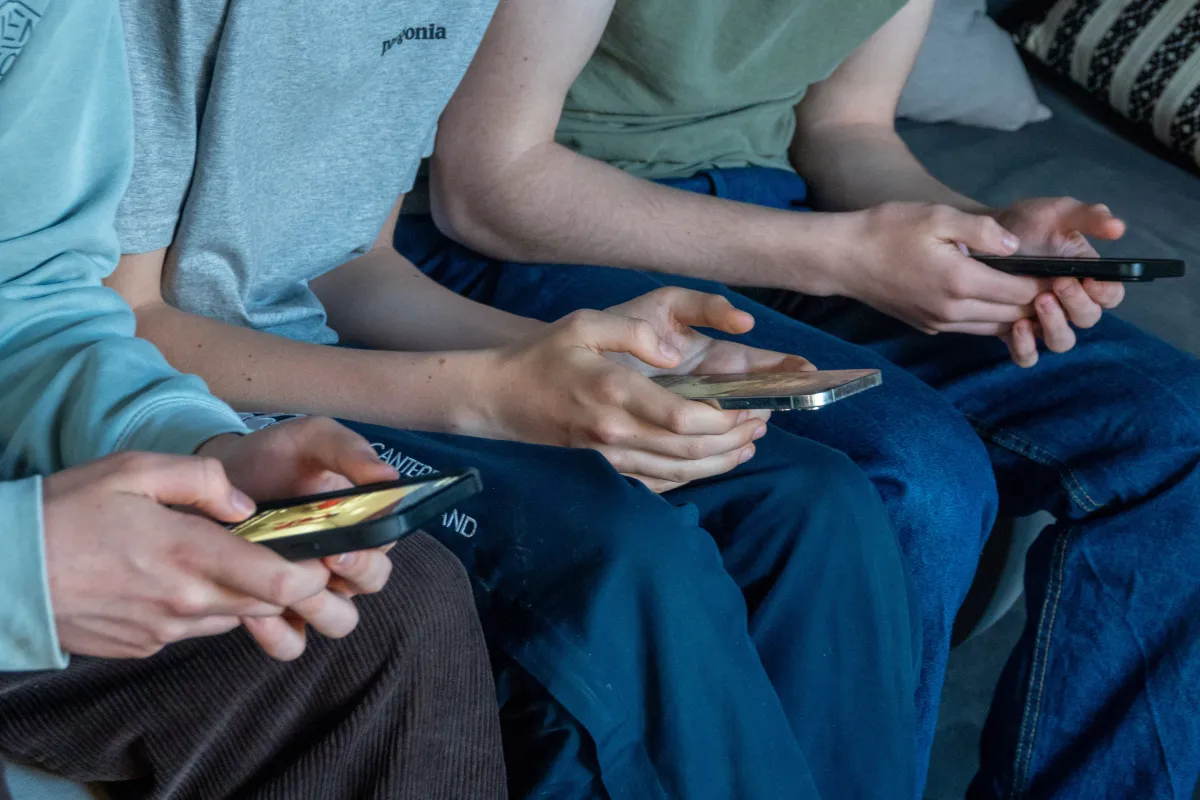
The FBI and NCAA on Monday announced a collaborative effort to raise awareness and seek prevention of a troubling trend—the targeting of current and former college athletes in online sexual exploitation and sextortion threats. Sources familiar with the undertaking say that a large number of NCAA athletes—male and female—have been exploited in recent years via hacking of their personal information to find and sell compromising photographs. They also have been victimized by the use of artificial intelligence technology to doctor images of athletes to create sexual content. In many cases, exploited athletes have been blackmailed to keep the images offline.While the FBI investigates the crimes, it is collaborating with the NCAA to provide support for college athletes who have been victimized and education for those who could be susceptible to future exploitation. The NCAA is not partnering with the FBI in an investigative capacity, but as a conduit to universities and their athletes. The association’s role is twofold: Education and awareness. To warn athletes and the people around them of the threat of sexual exploitation and extortion, and to teach them best practices in avoiding potential pitfalls with private material. The NCAA also offers counseling, information and support for athletes who have been victimized as part of an anti-harassment campaign that was already underway.To be an informational liaison to the FBI. The enforcement staff has previously established campus administrator and coach relationships that could help athletes to be more forthcoming with information than they would be if approached by law enforcement. The personal and embarrassing nature of these crimes makes it harder for victimized athletes to turn to law enforcement as a first option, which is where the NCAA’s reps can fill a need.Sources describe a dark online market for buying and selling compromising images of athletes, including photos of them wearing the team gear from their universities. Orders can be placed for pictures of specific athletes. Vendors have two methods of providing the material: breaking into an athlete’s personal content storage in search of indecent photos; or creating the images via AI.In some instances, sources say, part of the blackmail of a compromised athlete is to promise not to expose them in exchange for images of their teammates. There is a higher market value for images of multiple athletes from a team, sources say.The criminal case against former Michigan football assistant coach Matt Weiss was not a catalyst for the federal investigation, sources say. Weiss was charged in 2025 with 14 counts of unauthorized access and 10 counts of aggravated identity theft related to allegedly accessing the email, social media and cloud storage accounts of more than 3,300 people, most of them female college athletes. Federal authorities allege that Weiss sought “private photographs and videos never intended to be shared beyond intimate partners.” Weiss pleaded not guilty to the charges.The FBI approached NCAA Enforcement about a collaboration on the subject, sources say. The two entities have had a working relationship in recent years, much of it pertaining to the federal investigation of point shaving, game fixing and performance manipulation in college basketball. NCAA Enforcement also has had staffers who were former FBI agents, so there is a familiarity between the two organizations.This story will be updated. Victims of sexual exploitation or sextortion can seek support from the National Center for Victims of Internet and Cyber Exploitation.Listen to SI’s college sports podcast, Others Receiving Votes, below or on Apple and Spotify. Watch the show on SI’s College YouTube channel.Add us as a preferred source on GoogleFollow
FBI, NCAA Launch Effort to Protect College Athletes From Online Sexual Exploitation
The initiative comes amid a troubling rise in athletes being targeted through hacking, AI-generated images and online blackmail.
586 words~3 min read