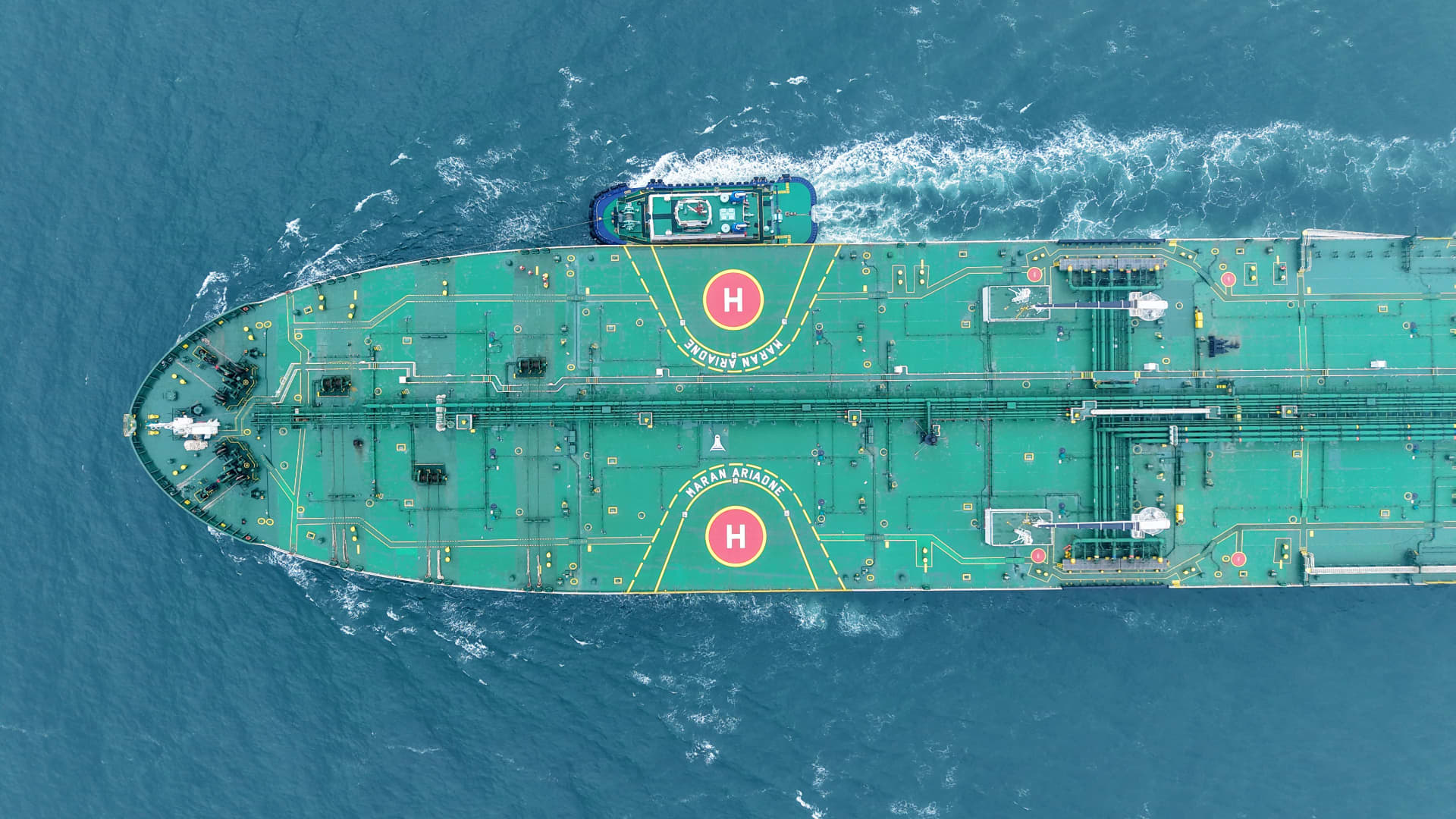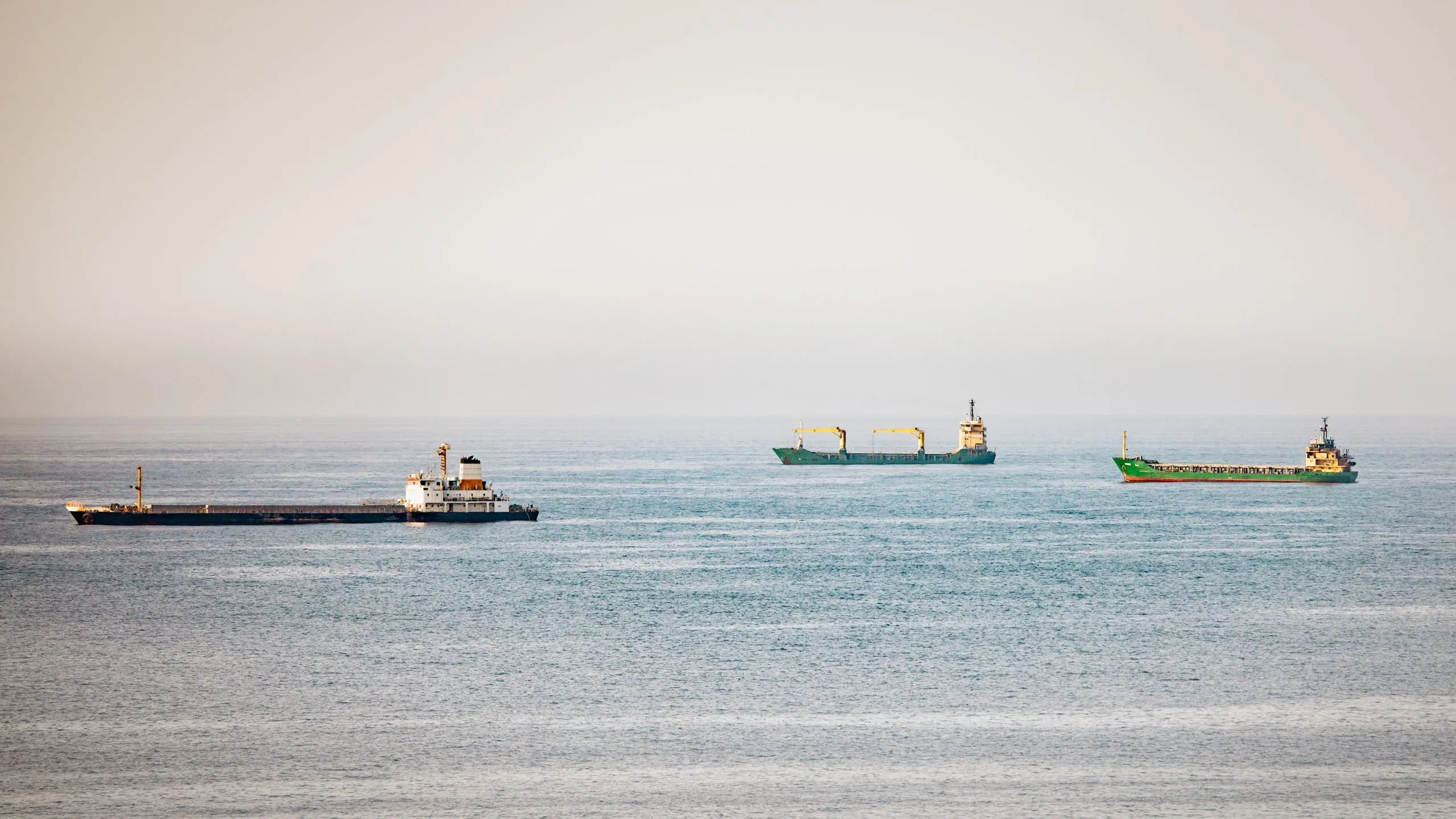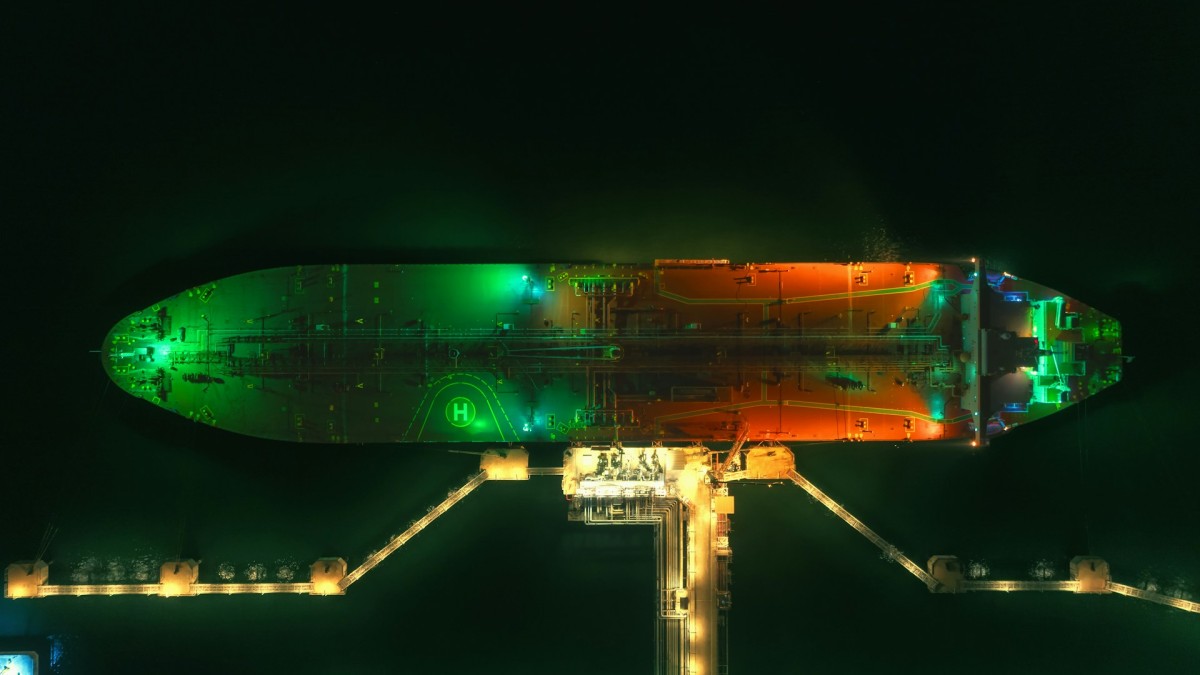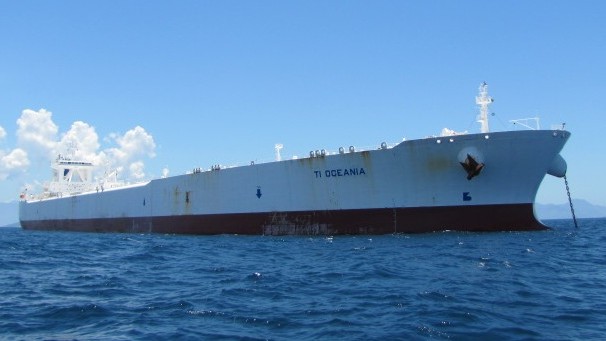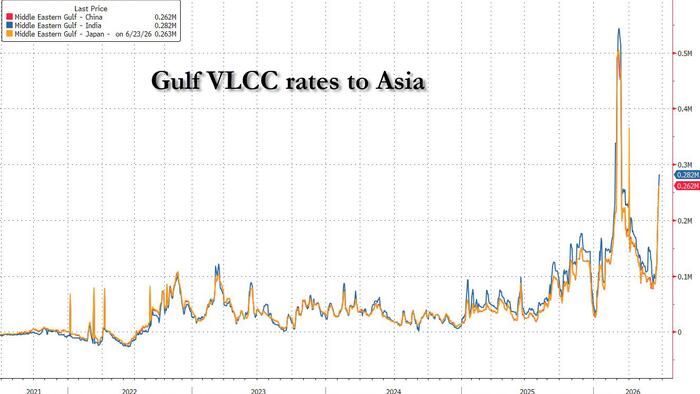
Hiring a supertanker to haul crude from the Middle East to China now costs nearly half a million dollars per day. That’s roughly $20,000 per hour, or the price of a nice used car every three minutes, just to rent the ship.
The TD3C MEG-China index, the benchmark for very large crude carrier (VLCC) rates on the Middle East Gulf-to-China route, surged to $423,736 per day on March 2, 2026. During a subsequent trading session, earnings blew past even that figure, exceeding $481,000 per day as traffic through the Strait of Hormuz ground to a near-total halt.
How a strait became a stranglehold
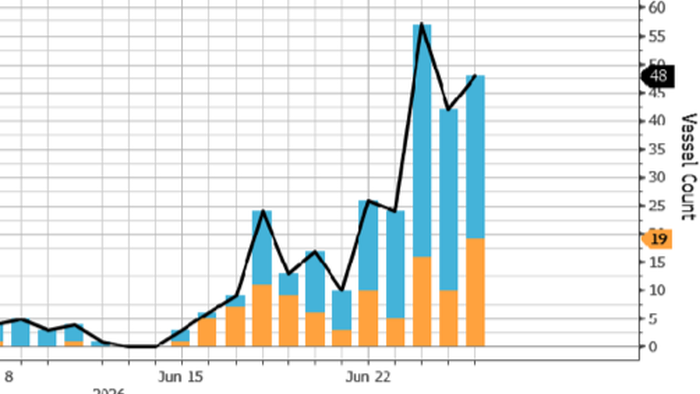
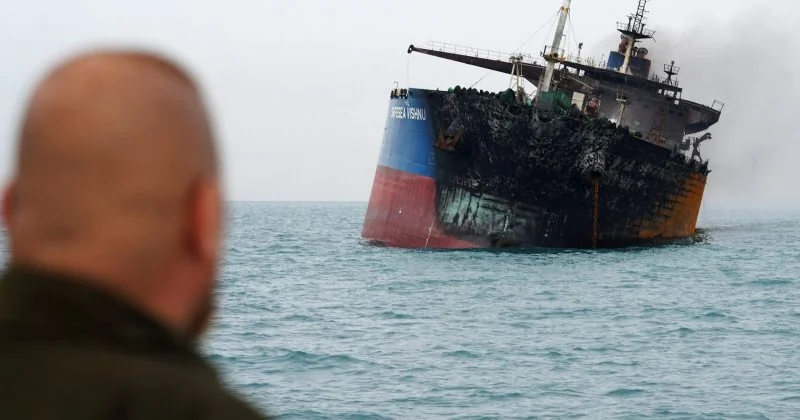
Airstrikes targeting Iranian assets around February 28, 2026, triggered the latest crisis. Within days, tanker transits through the Strait plummeted as shipowners concluded that the risk of sailing through an active conflict zone wasn’t worth any freight rate, no matter how lucrative.
War-risk coverage, the specialized policies that protect vessels operating in dangerous waters, either vanished entirely or saw premiums spike to punitive levels. Insurers set March 5, 2026, as the effective date for ending coverage or imposing steep hikes, giving shipowners a hard deadline to decide whether the math still worked.