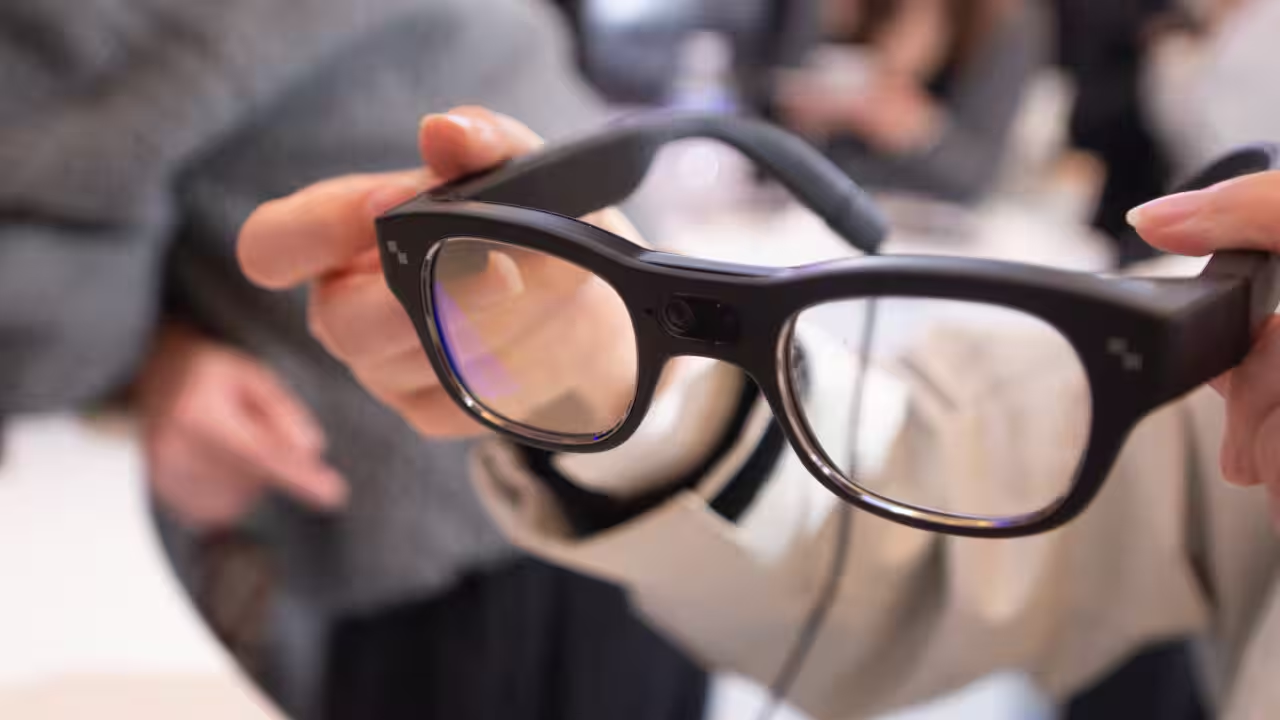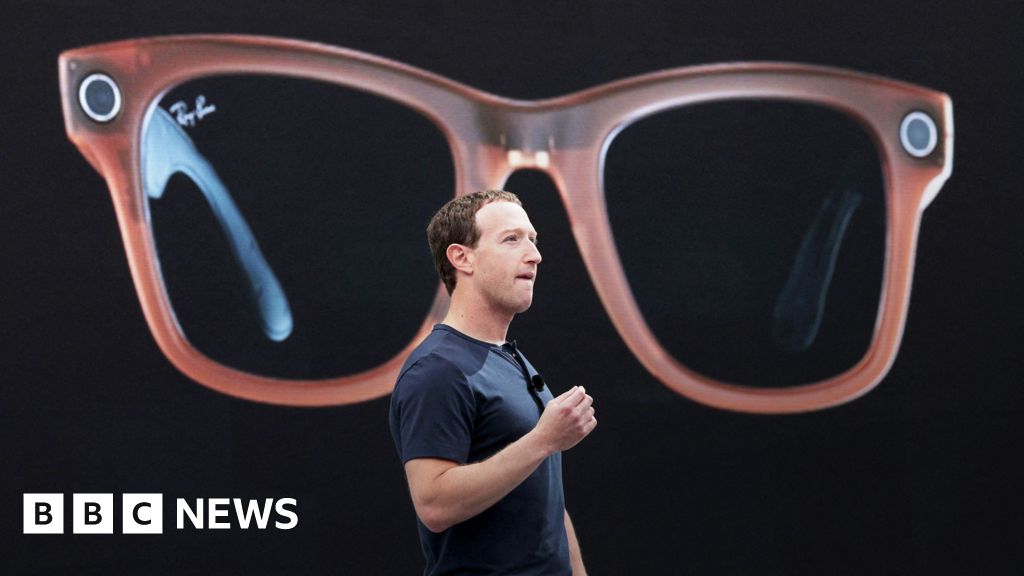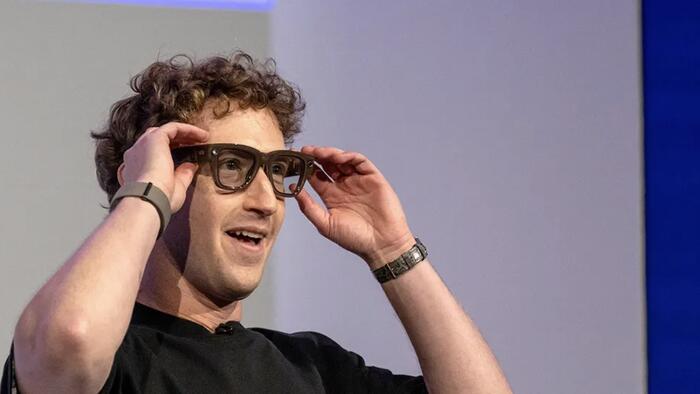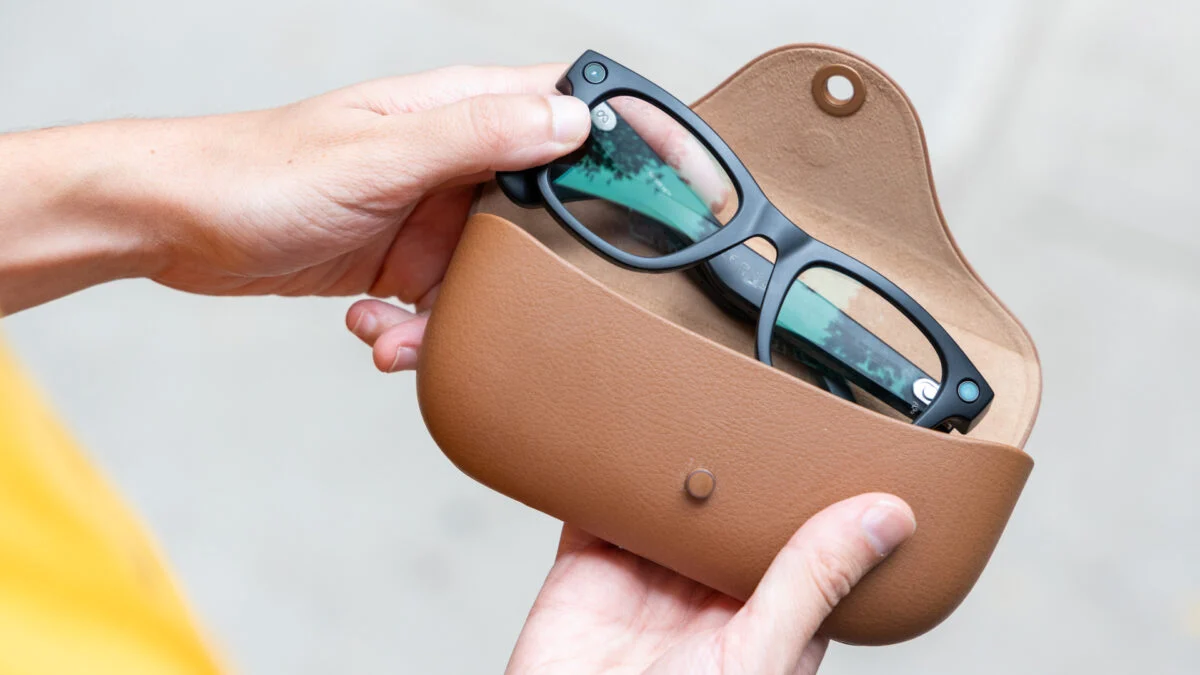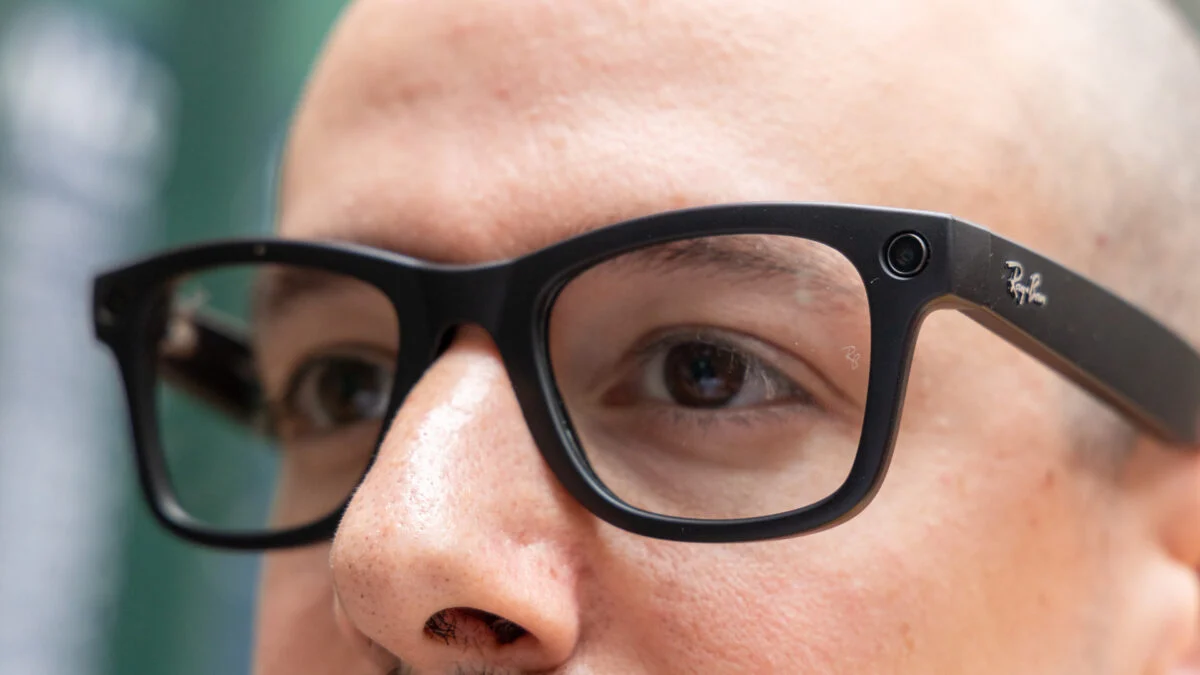
WASHINGTON—Smart glasses are undergoing something of a renaissance. Meta is heavily advertising its smart glasses collaboration with Ray-Ban and Oakley, Apple is reportedly unveiling its wearable offering next June, and even Google, which over a decade ago “made face computers extremely uncool,” is venturing back into this space.
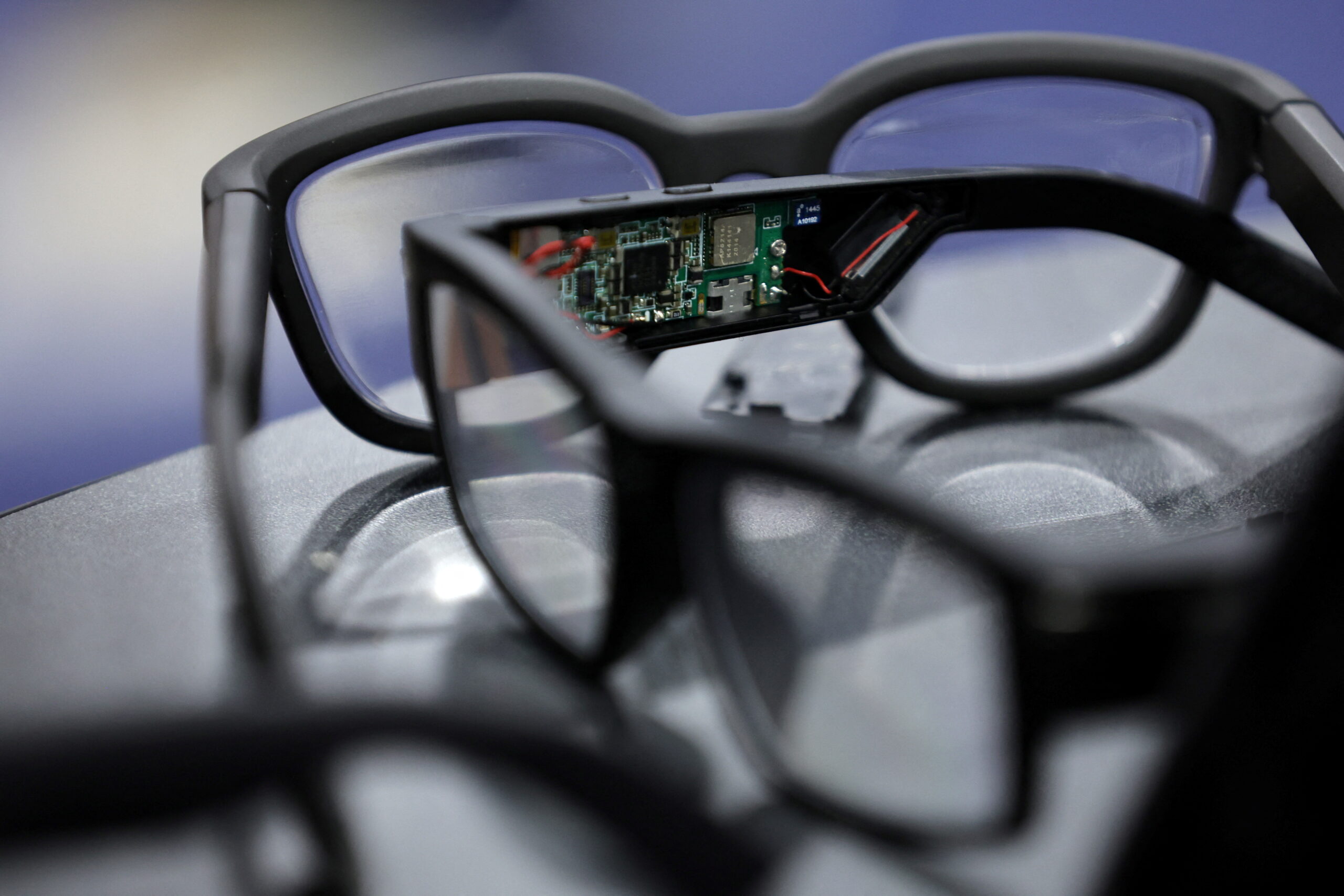
In the 2010s, smart glasses offered little more than a clunkier, harder-to-use smartphone strapped to your face. Today, artificial intelligence (AI) has turned the latest wave of smart glasses into a low-friction interface that lets users query, identify, and act on their surroundings in real time, without ever having to look down. The newest models are surprisingly normal-looking and unobtrusive. But the effort to make this technology more ordinary is creating a bystander problem, causing privacy advocates to sound the alarm. The people being watched cannot consent, because the surveillance is invisible in ways that even the smartphone era did not surface.
A (un)reasonable expectation of privacy?
Smart glasses fall under a growing category of devices called wearable technologies, or simply “wearables.” A patchwork of privacy laws applies to this technology, but in narrow cases that are not consistent across state borders and include notable gaps. Take, for example, wearable medical devices. The Health Insurance Portability and Accountability Act (HIPAA) only applies to “covered entities” (providers, insurers, clearinghouses). A consumer buying a Fitbit or Oura ring generates data entirely outside that perimeter. The only backstop, for now, is the Health Breach Notification Rule, which the Federal Trade Commission used against GoodRx and BetterHelp for sharing health data with advertisers without consent.