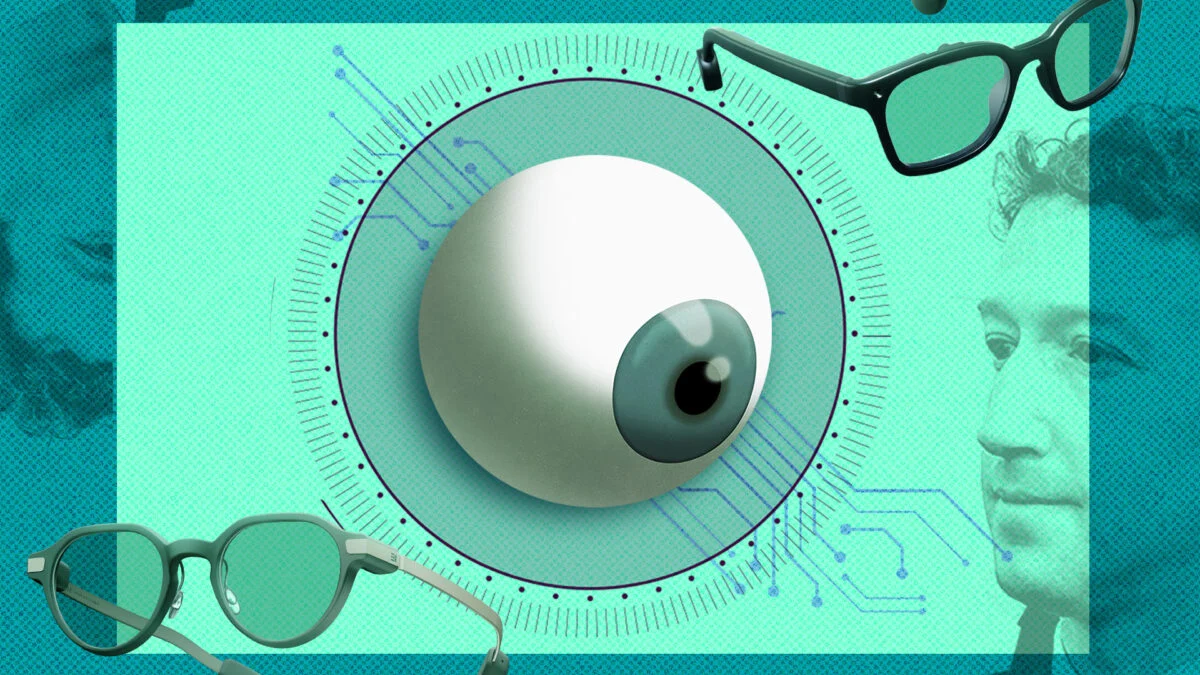
When Google Glass was unleashed onto the world some 13 years ago, a consensus was quickly reached: smart glasses suck, and anyone who decides to put them on their face sucks just as much for wearing them. Actually, by donning Google Glass, you weren’t just considered a jerk, you were a “Glasshole,” which, if you’re counting mockery on the unofficial scale of ostracization, feels worse.
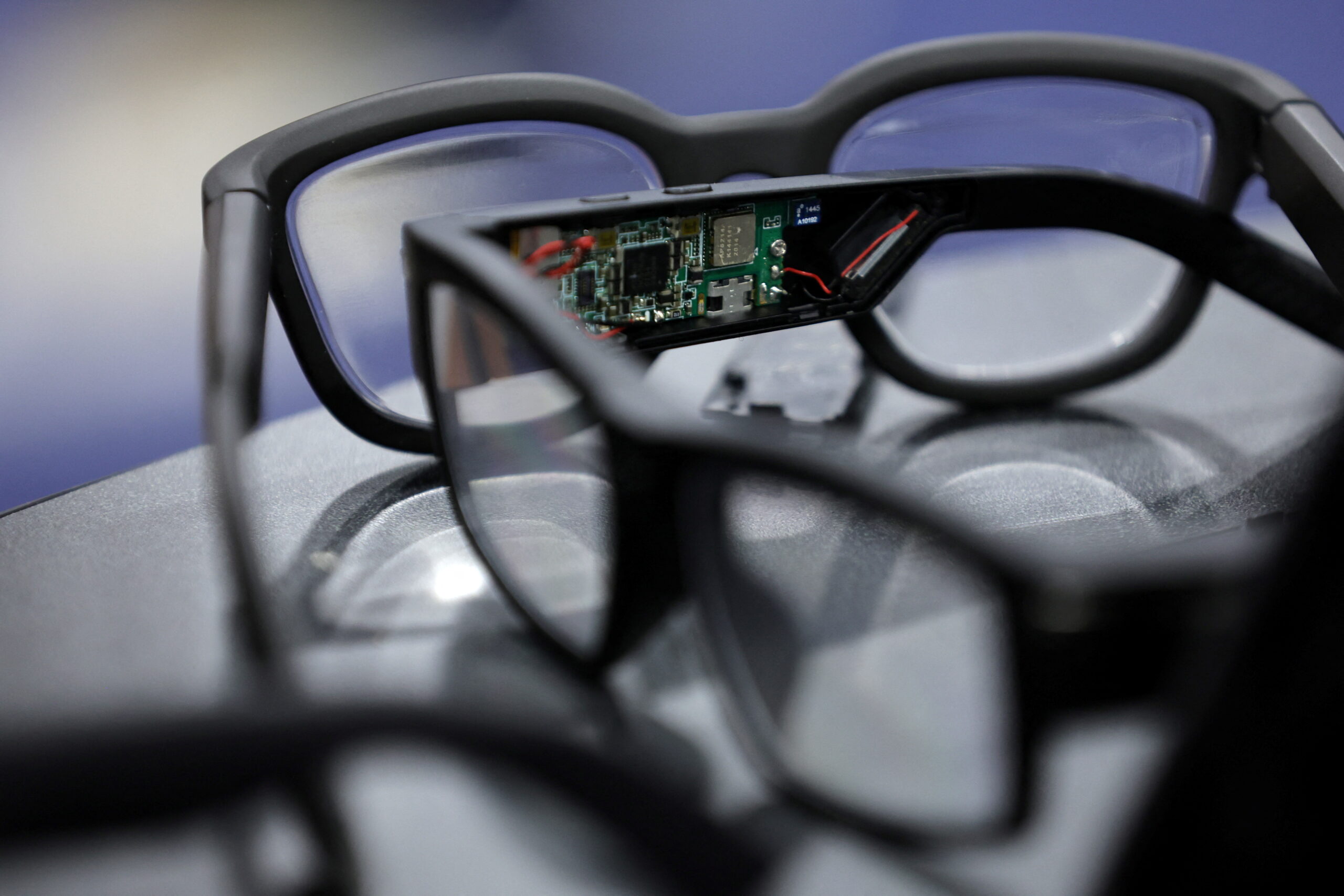
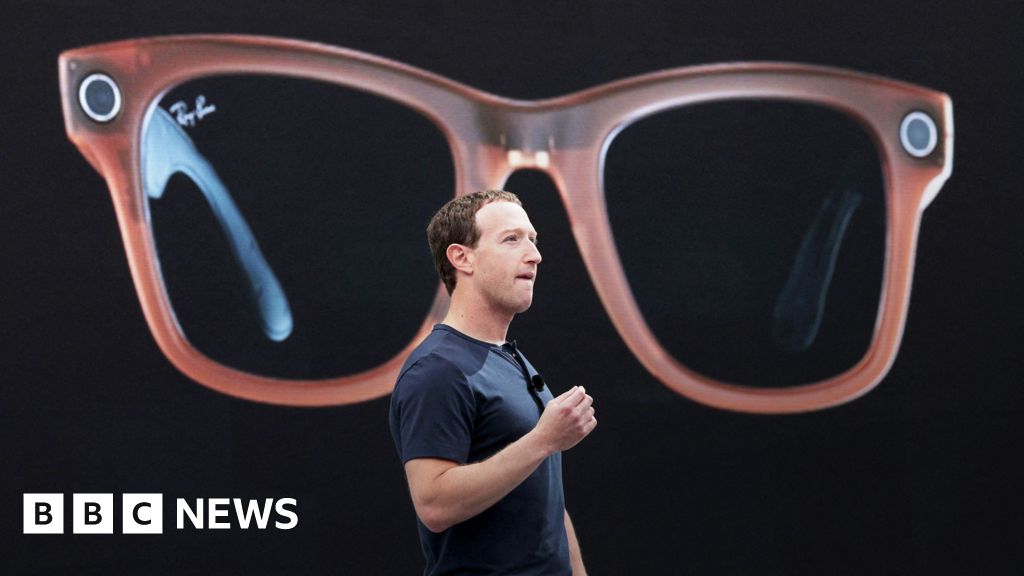
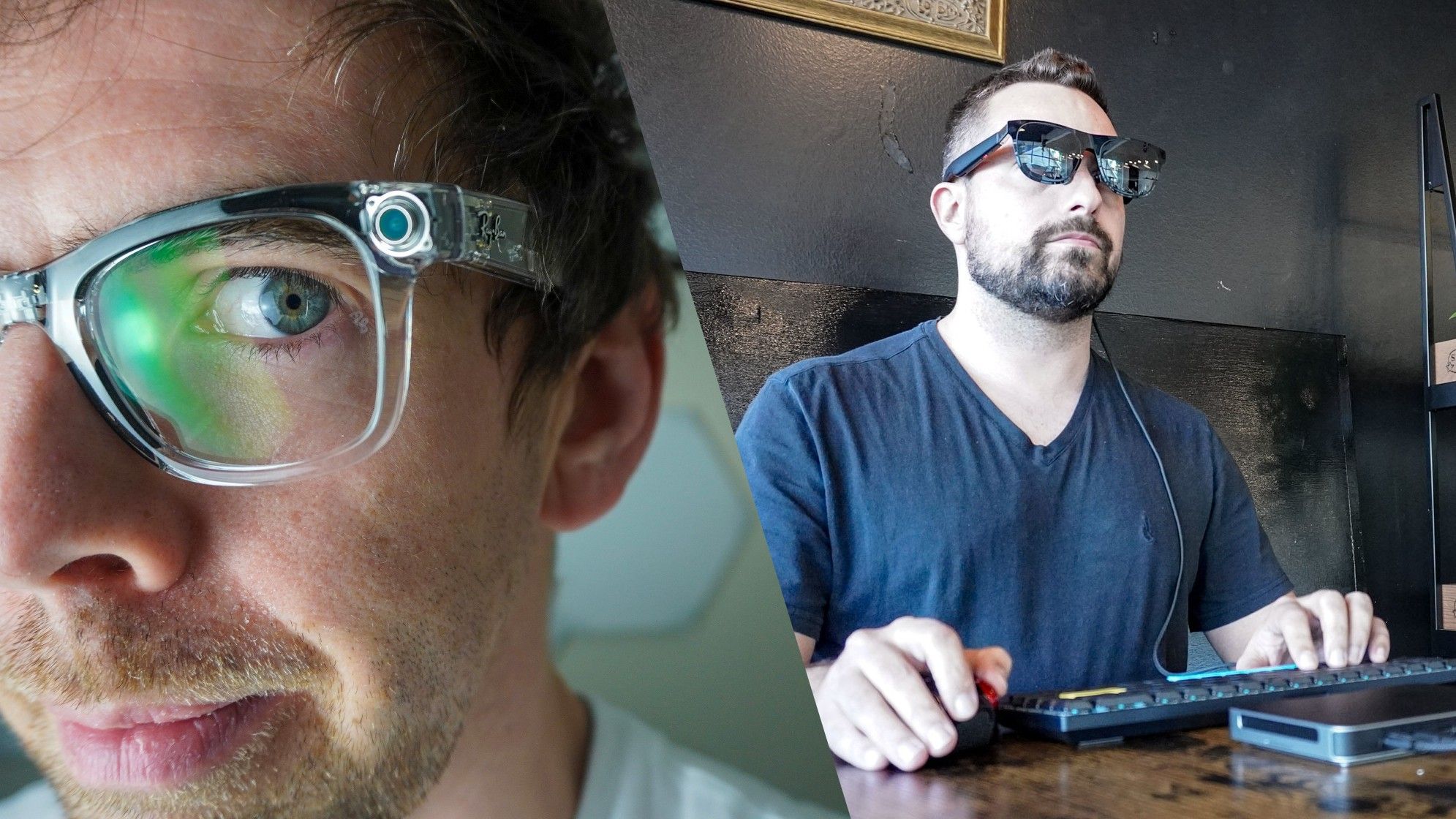
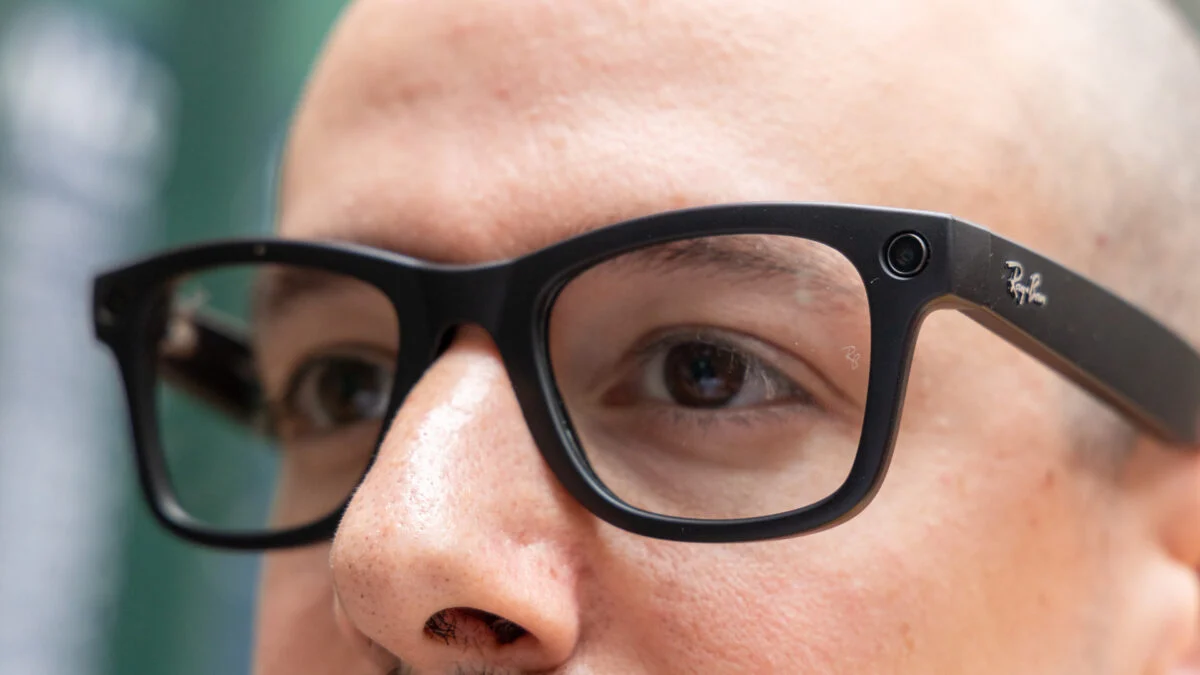
Fast forward to today, and things are very different but, somehow, also utterly unchanged. What’s different this time is that smart glasses are fairly commonplace, thanks in large part to Meta and its Ray-Ban Meta AI glasses, which have been an outlier commercial success in the space. In 2025, Meta reportedly sold seven million units of its Ray-Ban and Oakley-branded smart glasses, up from two million the year prior. That’s not iPhone 17 levels of sales, but it’s not nothing, especially for a category that barely existed a few years ago.
The Meta Ray-Ban Display is over a decade removed from Google Glass. © Raymond Wong / Gizmodo
Despite that increased popularity, though, the bitter taste of Google Glass hasn’t quite dissipated from people’s palates. Pushback over privacy issues has reared its ugly head again, and often for good reason. There was at least one case of extortion; someone used smart glasses to record sex workers without their knowledge; even the Ray-Ban Meta owners themselves were swept up in a privacy scandal when an investigation revealed that the company was sending some photos and videos taken with the smart glasses to human contractors who train Meta’s AI. I won’t get into details on what those photos and videos show, but it was stuff that the vast majority of us would like to keep private.