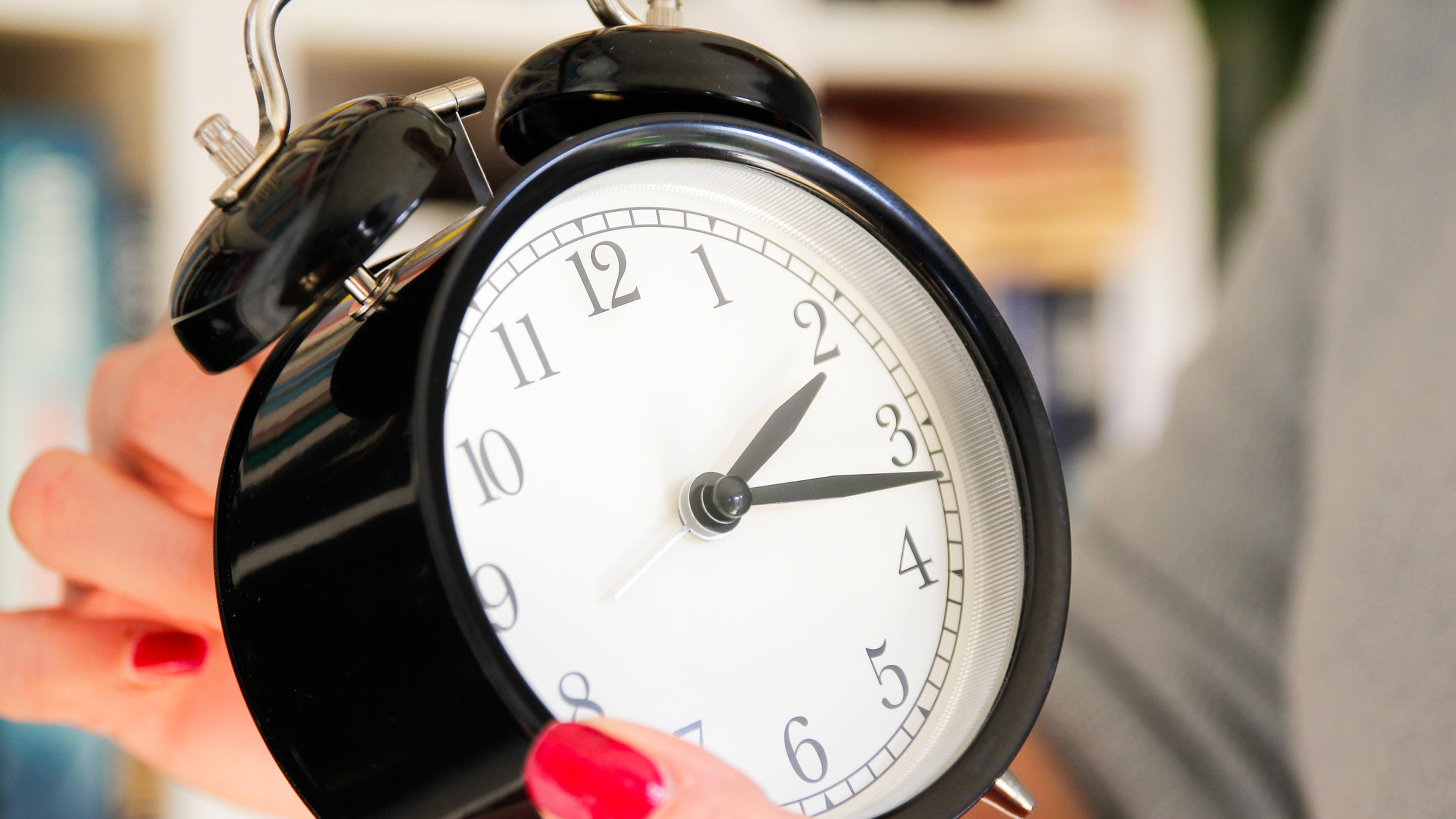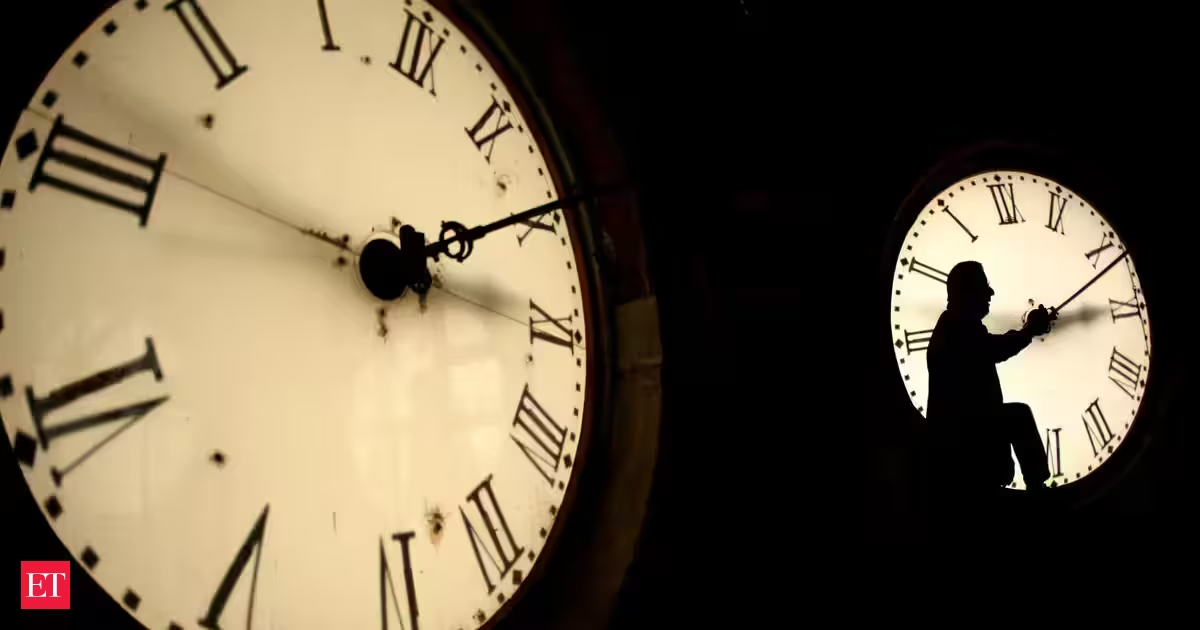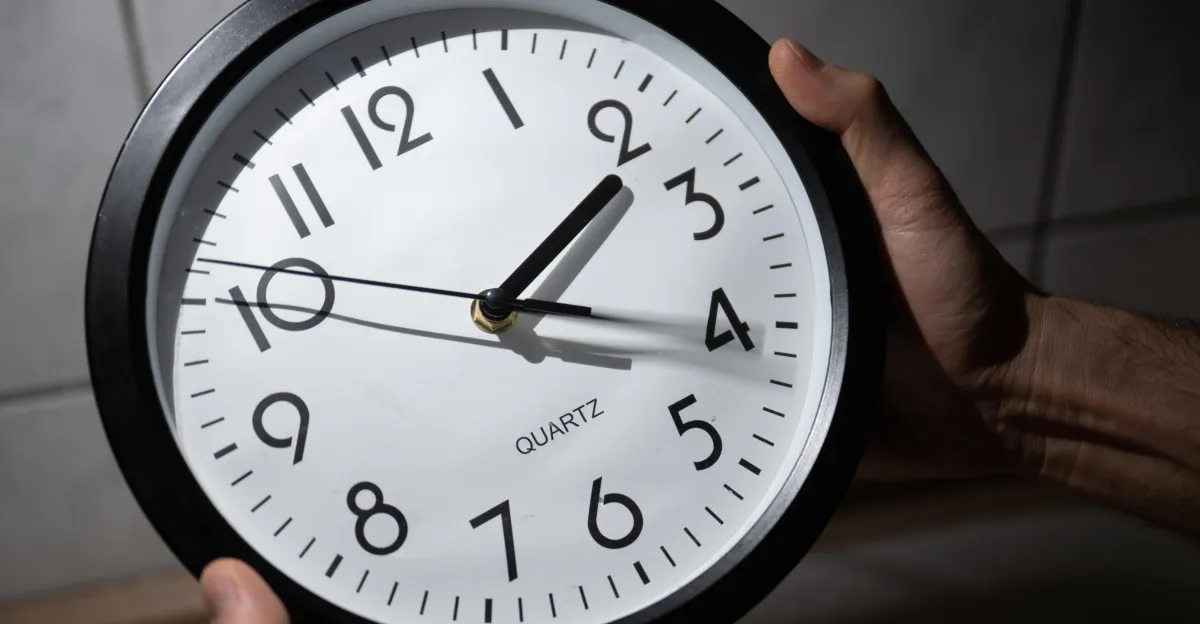
President Donald Trump wants Americans to stop changing their clocks twice a year and make daylight saving time permanent. However, the Senate may not have enough time to act on the proposal before the next clock change.Trump wants clocks to stay forwardThe next major clock change in the US is scheduled for November 1, when daylight saving time is set to end. Clocks across most of the country will move back by one hour.Trump wants November 1 to be among the last times Americans have to change their clocks, according to USA Today.However, legislation that would make daylight saving time permanent faces hurdles in the Senate. The chamber is currently in recess, while key lawmakers remain uncertain whether there are enough votes to pass the measure.The House of Representatives passed the measure in a 308-117 vote to end the twice-yearly practice of changing clocks observed across most of the nation since the 1960s.If enacted, clocks would no longer return to standard time in November, although states could opt out of year-round daylight saving time if they do not currently observe it or voted to adopt permanent standard time before the law was changed.Supporters say changing the clocks disrupts sleep, increases workplace injuries and contributes to more road accidents. They argue keeping clocks an hour ahead year-round would provide more evening daylight and boost economic activity during the winter months.Critics note the change would mean the sun rises an hour later on winter mornings, leaving more children traveling to school and commuters, construction workers, farmers and others heading to work before daylight. In some places the sun would not rise until nearly 9 a.m. or later at the height of winter.President Donald Trump has repeatedly called for an end to the twice-yearly clock changes and strongly supports the measure.The bill faces opposition from Senator Tom Cotton, an Arkansas Republican, and others. Cotton has argued that permanent daylight saving time would result in very late winter sunrises and force children in many parts of the country to go to school in darkness.The U.S. used year-round daylight saving time during World War Two and enacted it again in 1974 to reduce energy use. But it proved deeply unpopular and Congress repealed it later that year.What is permanent Daylight Saving Time?Permanent Daylight Saving Time (DST) would mean keeping clocks on daylight saving time throughout the year.Currently, Americans who observe DST move their clocks:Forward by one hour in MarchBack by one hour in NovemberUnder permanent DST, there would be no more seasonal clock changes.Has permanent Daylight Saving Time become law?No. The US House of Representatives has approved the Sunshine Protection Act, but it has not become law yet.Before the proposal takes effect, it must:Pass the US SenateBe signed by President Donald TrumpUntil then, Americans will continue changing their clocks twice a year.Why does Congress want to make DST permanent?Supporters say changing clocks twice a year creates unnecessary disruptions. They argue that permanent DST could:Improve sleep over timeReduce traffic accidents linked to clock changesLower some health risks associated with seasonal time shiftsProvide more daylight after workEncourage shopping, outdoor activities and evening sportsSeveral business groups also support the proposal, arguing that longer daylight hours in the evening could boost consumer spending.What would change under permanent DST?If the bill becomes law:There would be no more "spring forward"There would be no more "fall back"Clocks would remain one hour ahead throughout the yearWinter evenings would stay brighter, but sunrise would occur later in the morning.Would US time zones change?No. The proposal would not alter the country's existing time zones.Eastern Time would remain Eastern Time, while Central, Mountain and Pacific time zones would also remain unchanged.The only difference would be the end of the twice-yearly clock changes.Which states would be affected?The proposal would apply to most Americans who currently observe Daylight Saving Time.However, Hawaii and most of Arizona already remain on standard time throughout the year and generally would not be affected.Why do some people oppose permanent DST?Critics are mainly concerned about darker winter mornings.In some northern states, sunrise could occur close to 9 am during winter. This could result in:Children travelling to school before sunriseDarker morning commutesGreater traffic safety concernsMore hazardous driving conditionsSome sleep experts also argue that permanent standard time, rather than permanent DST, better aligns with the body's natural sleep cycle.What does Donald Trump say about permanent DST?President Donald Trump has publicly supported ending the twice-yearly clock changes.In a social media post in May, he said: "It's time that people can stop worrying about the 'Clock,' not to mention all of the work and money that is spent on this ridiculous, twice yearly production. It will also be a very nice WIN for the Republican Party. Take it!"The White House has also indicated that Trump would sign the legislation if it reaches his desk.What happens next?The House has already approved the Sunshine Protection Act, but the Senate must still vote on it.If the Senate passes the legislation, it would then go to President Trump for his signature.Only after both steps are completed would permanent Daylight Saving Time become law.Until then, Americans should expect to continue changing their clocks every March and November.How many countries still use Daylight Saving Time?About one-third of countries worldwide observe some form of Daylight Saving Time, with most of them located in Europe.Several European countries, including Armenia, Azerbaijan, Belarus, Georgia, Iceland, Russia and Turkey, do not observe DST.In Africa, Egypt is currently the only country that observes Daylight Saving Time.
Trump backs permanent Daylight Saving Time: What it means for US clocks, winter mornings and time zones
President Donald Trump advocates for permanent daylight saving time across the United States. The House of Representatives has approved the Sunshine Protection Act for this change. However, the Senate has not yet voted on the measure, creating uncertainty. Opponents express concerns about darker winter mornings and children's safety. Until legislation passes, Americans will continue changing clocks twice annually.
906 words~4 min read