Daylight saving time could be on the way out as Congress takes up legislation that would make the seasonal time change permanent.The House is expected to vote this week on the Sunshine Protection Act, which would require the nation to recognize daylight saving time year-round. If the bill passes, the Senate will take it up next.It remains to be seen whether the legislation will be enacted this year before the congressional session expires.
Here are all the details to know about daylight saving time and the efforts to end the practice of switching the clocks.What is daylight saving time?
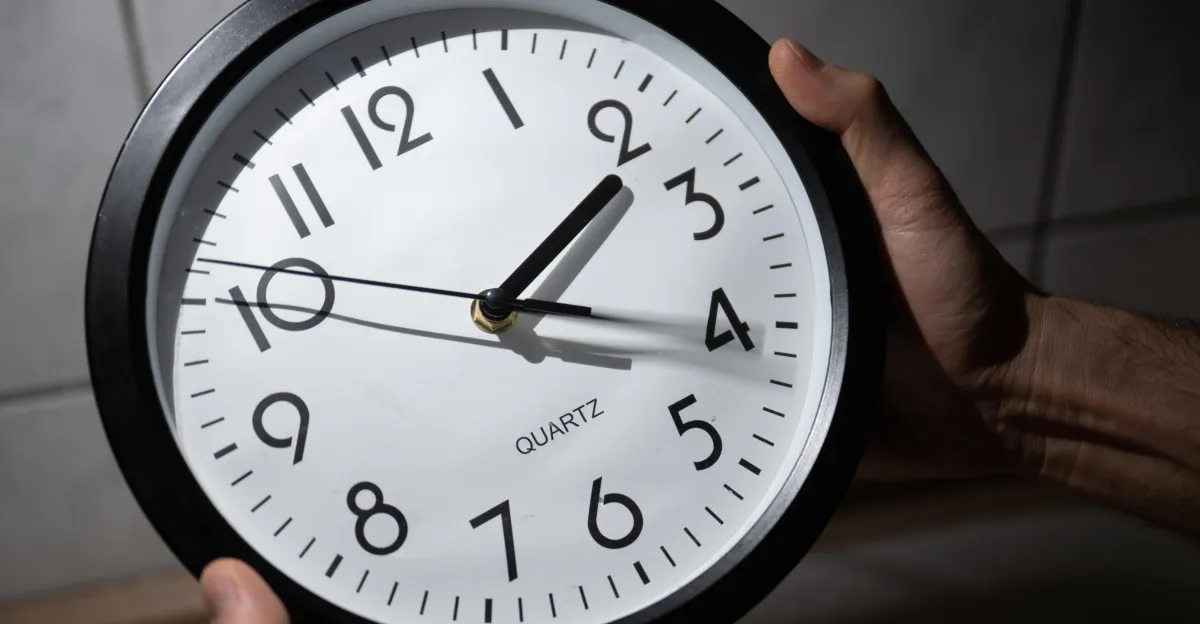
Daylight saving time lasts for most of the year, typically running from the second Sunday in March to the first Sunday in November. This year, the start and end dates fall on March 8 and Nov. 1, respectively.At the start of the eight-month period, American citizens set their clocks forward one hour to account for the time change. Then, at the end of it, citizens must set their clocks back one hour. People can know the difference by remembering the famous phrase, “spring forward, fall back.”The time change is intended to extend more daylight into the evening during the warmer months and provide more daylight in the morning during the colder months.The switch often disrupts the human circadian rhythm, or internal biological clock, and is linked to risks such as increased heart attacks and car crashes. These factors are why lawmakers have been trying to make daylight saving time permanent for years.What are the latest efforts to end it?