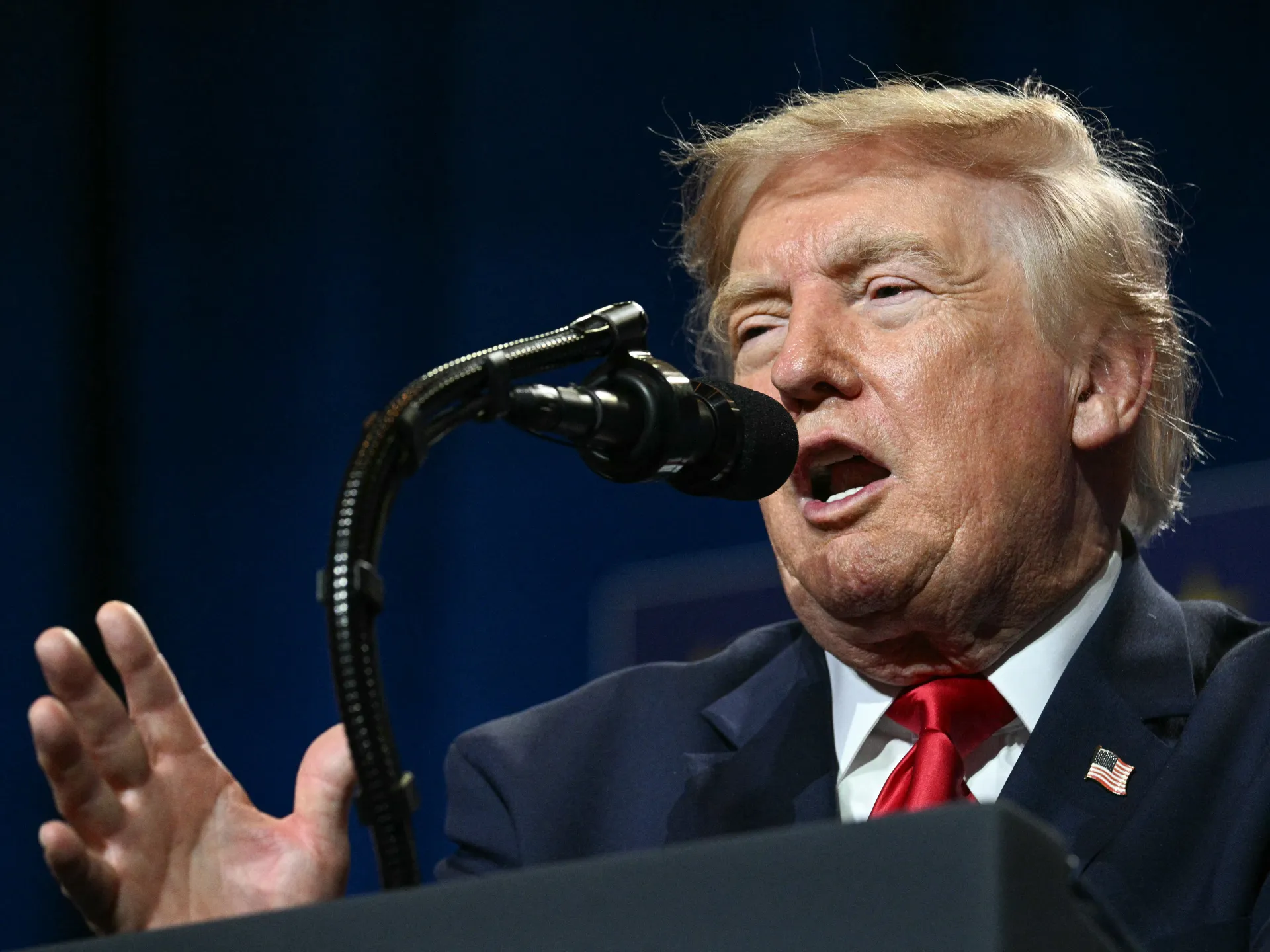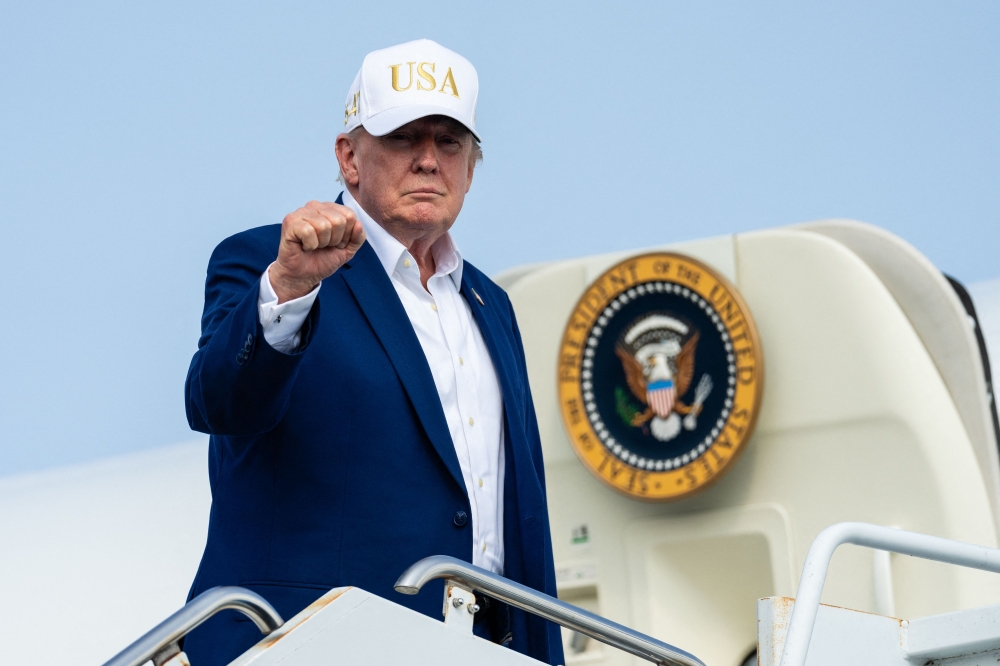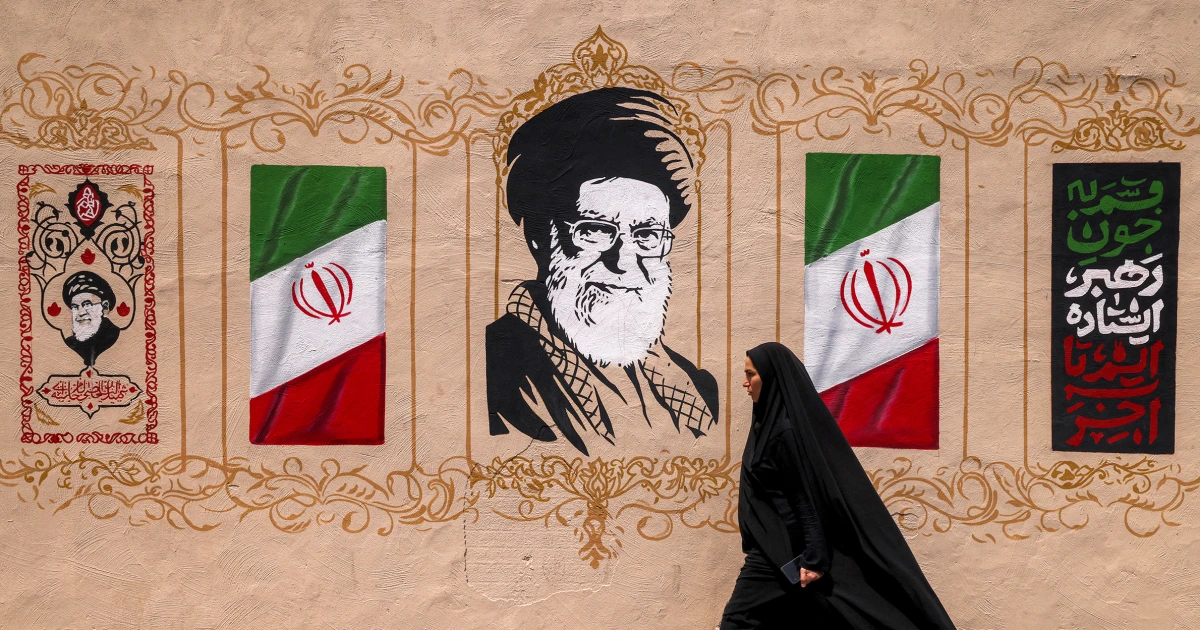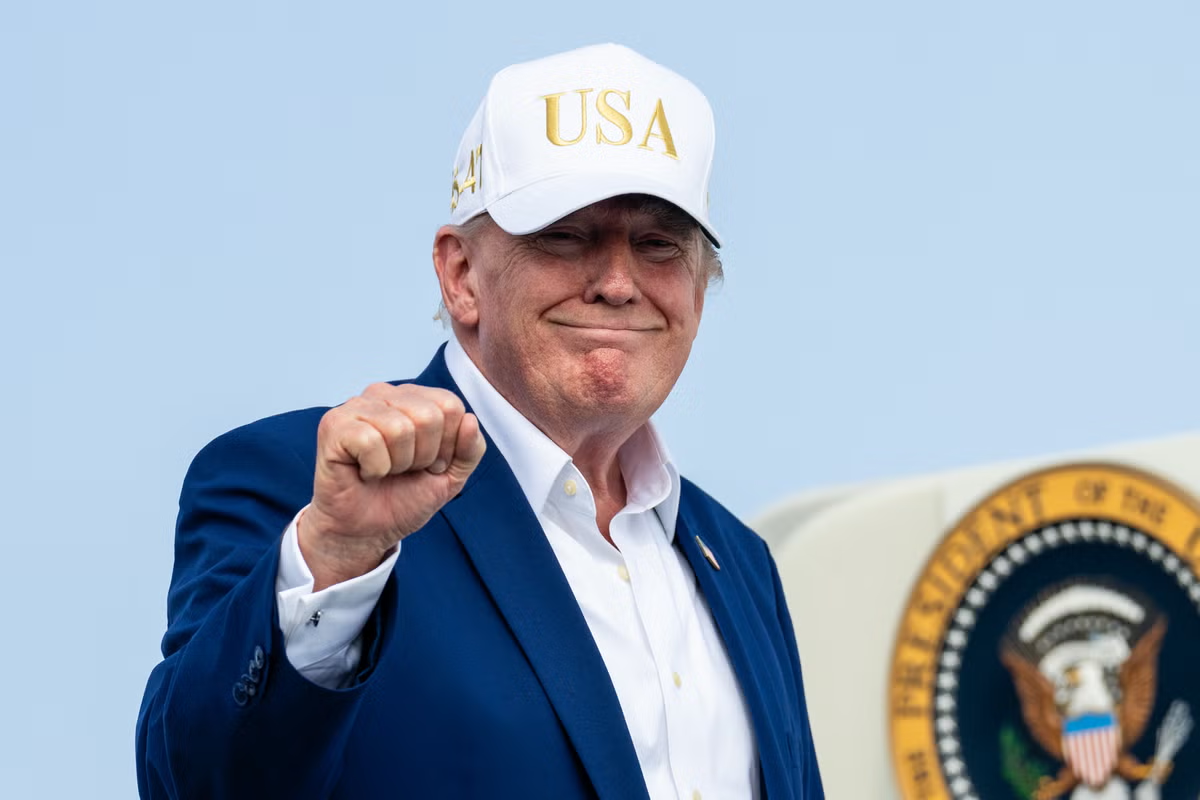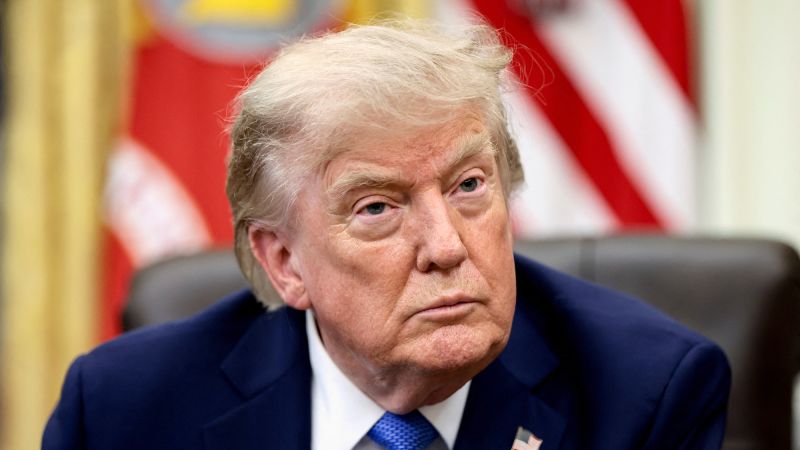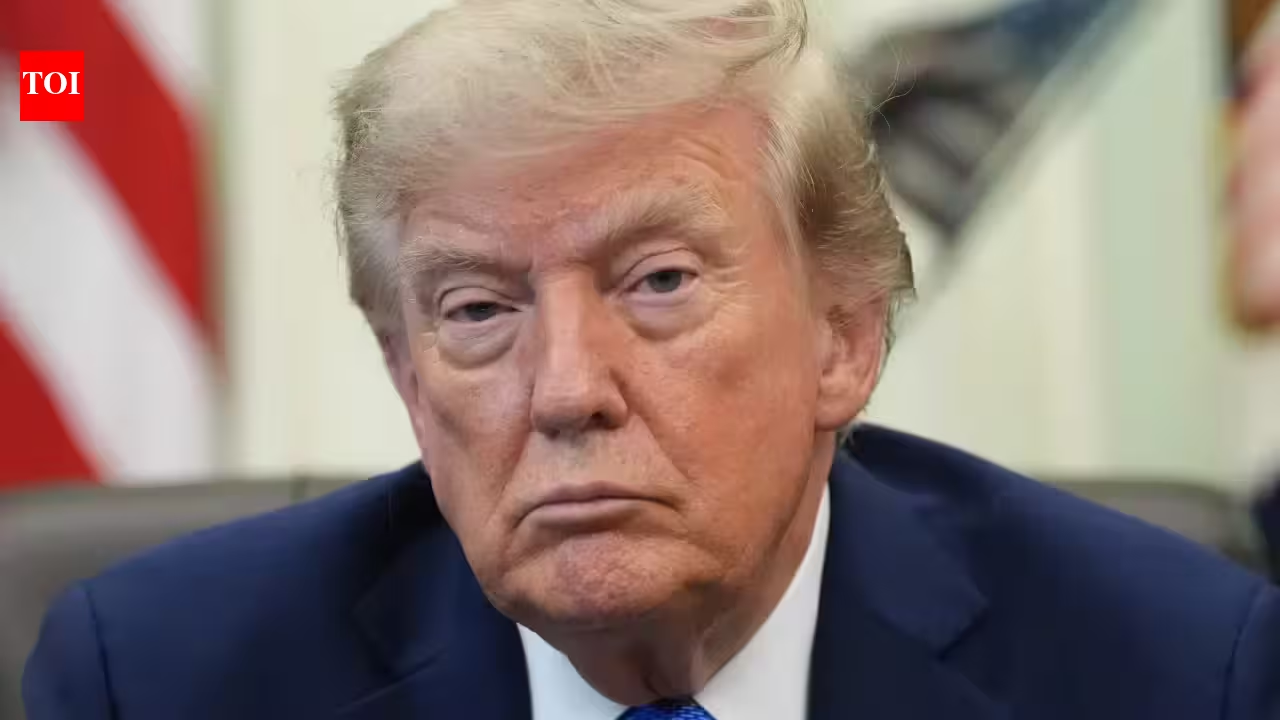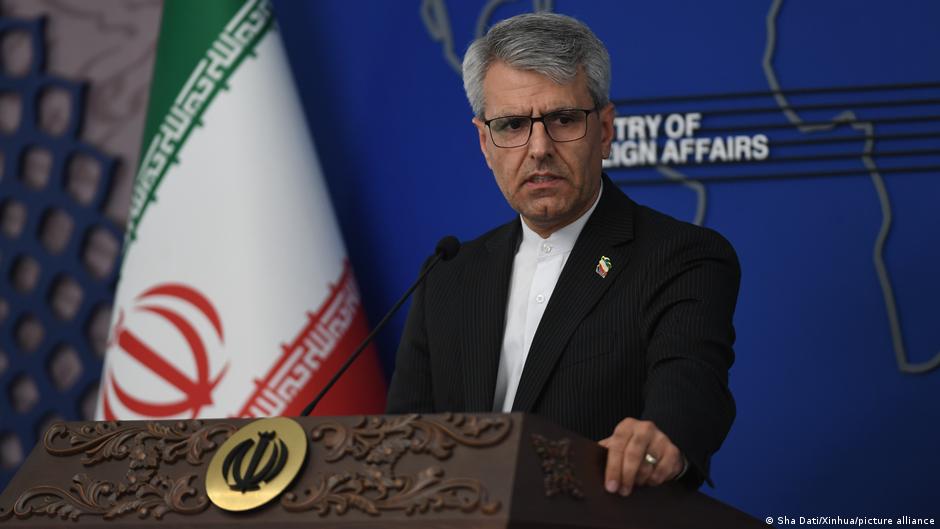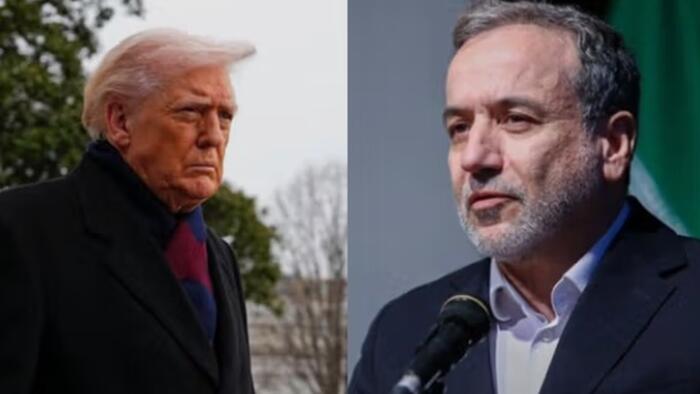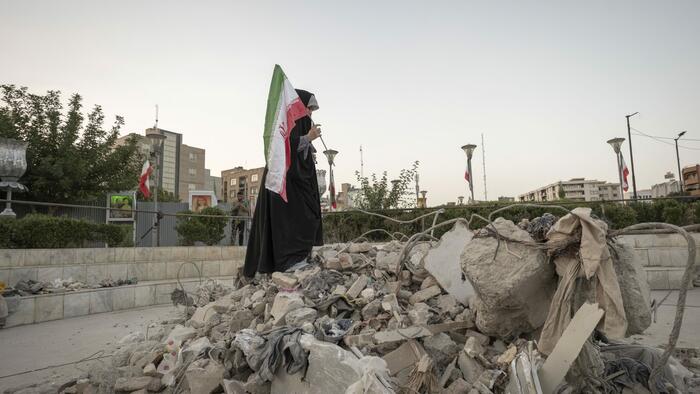
After President Trump said Sunday that the US is now "low-keying it" with Iran and only "semi-negotiating" following a top Iranian security official having laid out multiple stringent conditions for the opening of the Strait of Hormuz, oil is edging higher on Monday."We are only semi-negotiating with them. We are just watching Iran with its huge inflation and the fact they have no money," Trump told Axios reporter Barak Ravid in comments we analyzed earlier, signaling his return to an economic warfare focus. President Trump has fewer and fewer options and is being squeezed, with any opportunity to declare 'victory' and make swift exit more elusive than ever, given Washington would have to make huge compromises, including lifting sanctions and paying war compensation to Tehran."The Supreme National Security Council will not retreat from these demands, whether in war or in negotiations," the head of Iran's Supreme National Security Council Mohammad Bagher Zolghadr has said, in effect doubling down, according to Iran’s Mehr news agency.NurPhoto via APHardline IRGC Commander Moved to Top Security Chief SpotBut speaking of Zolghadr, its been widely reported that a 'hardline' former IRGC commander will take his place. The NY Times explains:Iran is replacing its top national security adviser with a longtime military commander whose appointment could represent a further consolidation of power by the country’s old-guard security establishment.Mohsen Rezaei, who led Iran’s Islamic Revolutionary Guards Corps during the Iran-Iraq War of the 1980s, will be the new secretary of the Supreme National Security Council, a spokesman for Iran’s president wrote on social media on Sunday. He had been serving as an adviser to Iran’s supreme leader, Ayatollah Mojtaba Khamenei.Mr. Rezaei is replacing Mohammad Bagher Zolghadr, who stepped into the role when the council’s previous secretary, Ali Larijani, was killed in an Israeli strike during the U.S.-Israeli attacks on Iran earlier this year.This is yet another likely sign that Tehran sees itself in the driver's seat, will not back off its demands and conditions for reopening Hormuz, and plans to make an exit from the conflict for Washington as painful as possible, extracting as much as it can while smelling weakness.Ali Nikzad, Iran’s deputy speaker of the Islamic Consultative Assembly, has emphasized that the Strait of Hormuz is not going to return to its pre-war condition, addressing the body on Monday.He said, "The Islamic Republic of Iran tried to inform the aggressor and deluded enemy of the fact that the Strait of Hormuz is not going to return to the pre-war conditions during the days of the war."WSJ: the feared oil crunch may not have been avoided, just delayed. The likely reason is that the world had more "hidden" oil inventories than analysts realized. But those stockpiles are finite. If Hormuz remains disrupted, prices could rise sharply once they're exhausted. pic.twitter.com/lKRvLnoiZG
Tehran Doubles Down On Hormuz Demands As Hardline IRGC Commander Promoted To National Security Chief
Oil edges higher while Trump returns to strategy of economic pressure & "low-keying" it...
1,472 words~7 min read