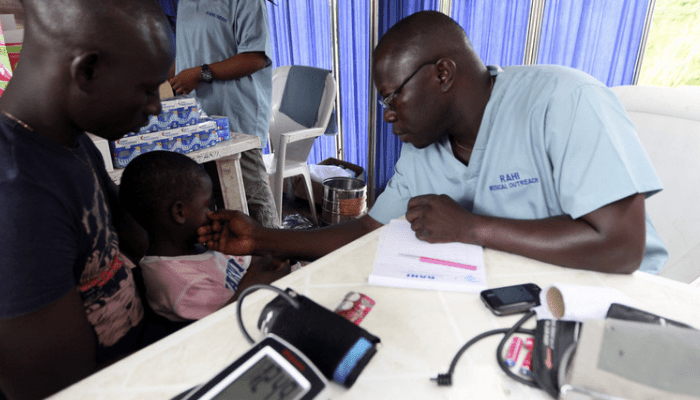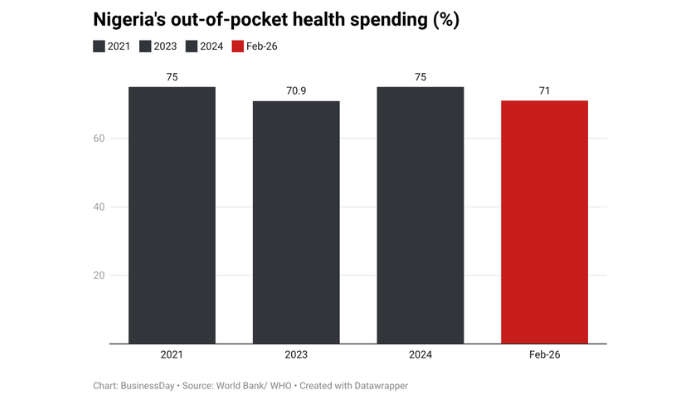
Amina Adamu runs a tailoring shop in Kano. In late 2023, she enrolled in the Group, Individual and Family Social Health Insurance Programme, the NHIA’s window for Nigerians who are not civil servants, paying an annual premium of N22,000 for herself and her two children. It felt, for the first time, like insurance was actually built for someone like her. In 2025, her renewal notice quoted N38,718, a 76 percent jump in two years. She let the cover lapse and went back to paying hospital bills in cash, the same arrangement she had before the Act existed.
Her story sits on one side of Nigeria’s biggest healthcare financing reform in two decades. On the other side are enrolment numbers growing faster than at any point since the old scheme launched in 2005, hospitals receiving nearly double what they were paid two years ago, and a regulator that finally has the legal teeth its predecessor never had. Both stories are true. Neither cancels the other out.
On May 19, 2022, the late former President Muhammadu Buhari signed the National Health Insurance Authority (NHIA) Act, replacing the National Health Insurance Scheme (NHIS), which had covered fewer than 5 percent of Nigerians after nearly two decades in operation, according to the Nigerian Medical Association. The Act made health insurance mandatory for every resident and gave the new Authority far stronger regulatory powers over insurers, health maintenance organisations (HMOs) and healthcare providers than its predecessor. Four years on, the question is no longer what the Act promised, but what it has delivered, and at what cost.