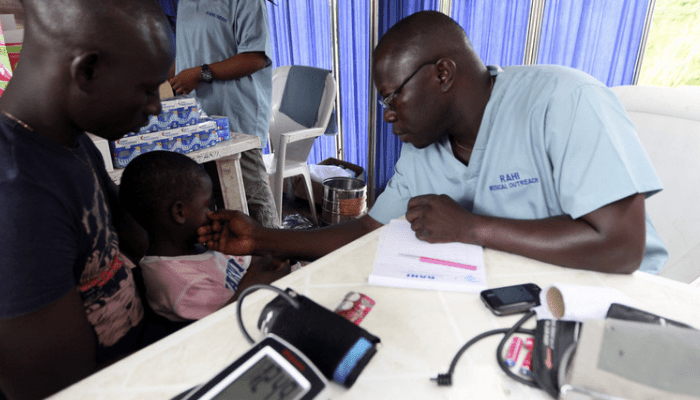
Health insurance is one of the most powerful tools available to any government seeking to protect its citizens from the financial ruin of illness. The principle is simple: pool the risks of a large number of people, distribute the financial burden through prepayment, and ensure that people can access care without catastrophic costs at the point of need. For Nigeria, a country of over 220 million people, achieving universal health insurance coverage is not merely a policy aspiration. It is a survival imperative.
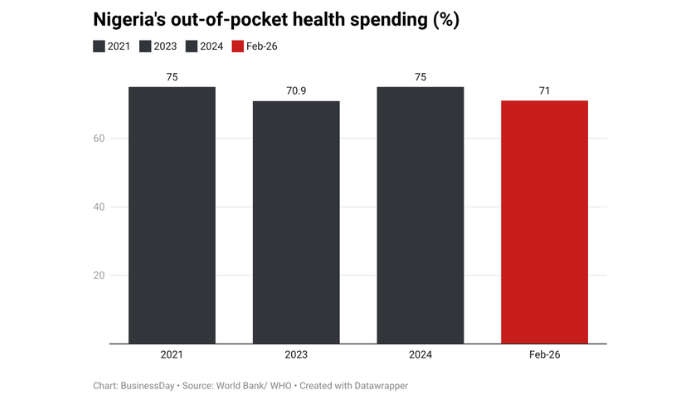
Yet decades after the first attempts to build a national health insurance framework, Nigeria remains one of the most underinsured nations in the world. Out-of-pocket payments account for over 70% of total health expenditure, the highest proportion in Africa.
The Insurance Journey in Nigeria
Nigeria’s health insurance story began in 1962, when the first attempt to establish a formal health insurance system was made, but the Nigerian Medical Association resisted it. It was not until June 2005 that the Federal Government of Nigeria formally launched the Formal Sector Social Health Insurance Programme under the National Health Insurance Scheme, with the ambitious target of covering at least 30% of Nigerians and achieving universal health coverage by December 2015.