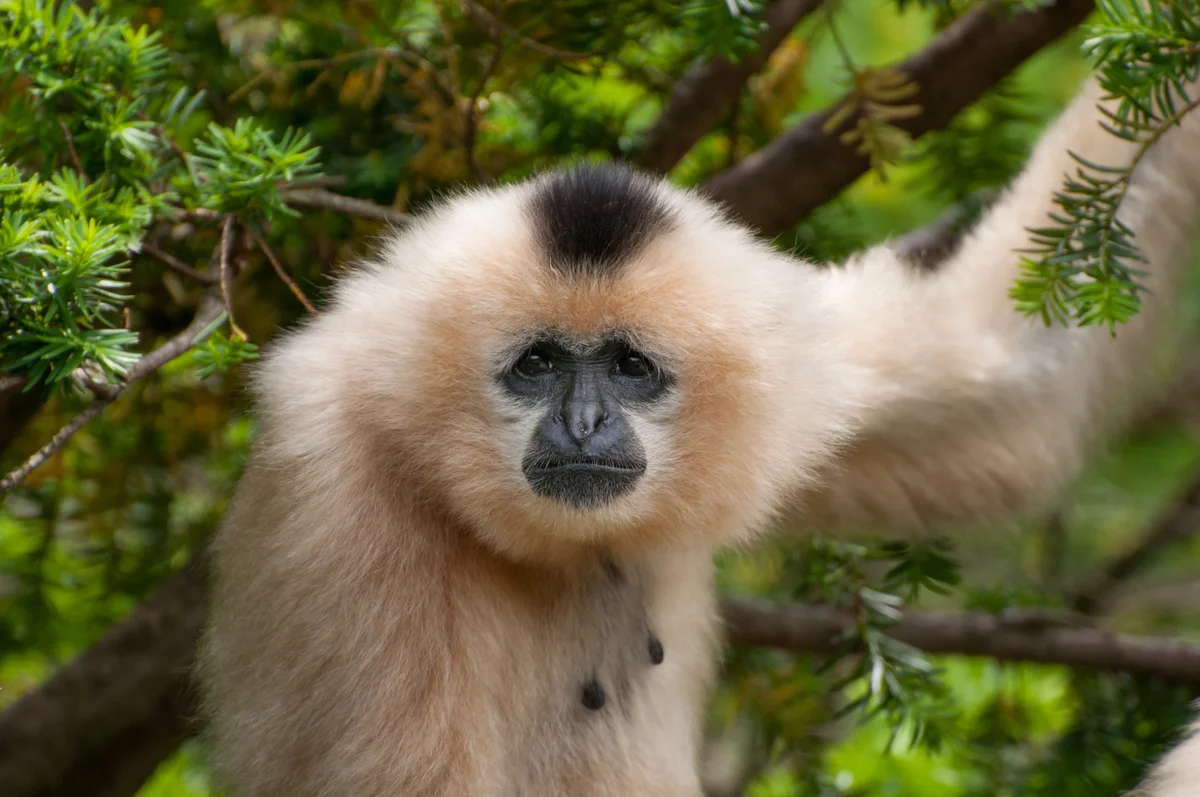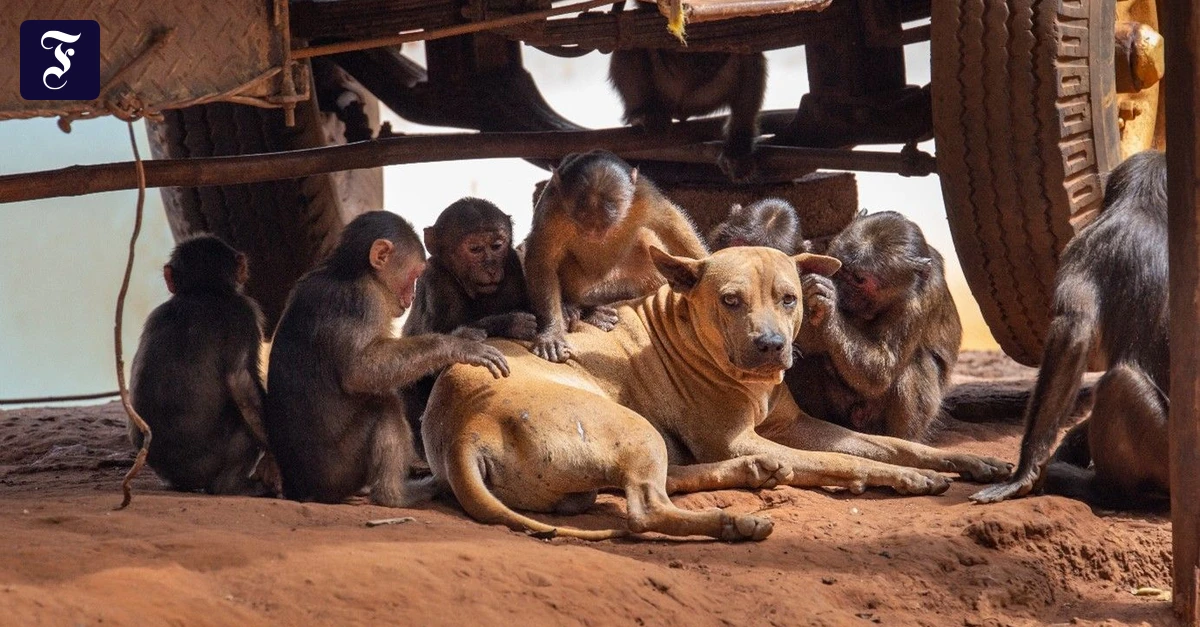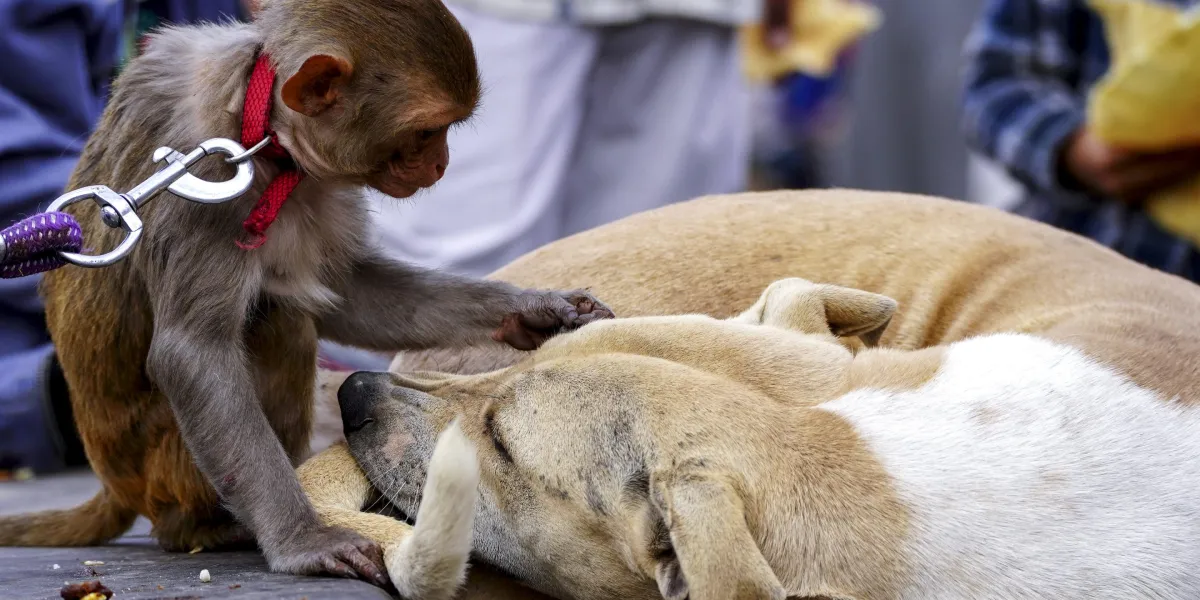
The first time I saw it, I wasn’t quite sure what I was looking at. A northern white-cheeked gibbon at Shanghai Zoo was holding and caressing a mouse that had wandered into its enclosure. It wasn’t trying to eat it or chase it away. Instead, the gibbon treated the tiny rodent with remarkable gentleness. I couldn’t stop wondering why.
Years later, while studying wild black-and-white snub-nosed monkeys in the mountains of south-west China, I watched playful juveniles repeatedly trying to climb onto the backs of domestic pigs. Again, these weren’t the kinds of interactions I expected to see between different species.
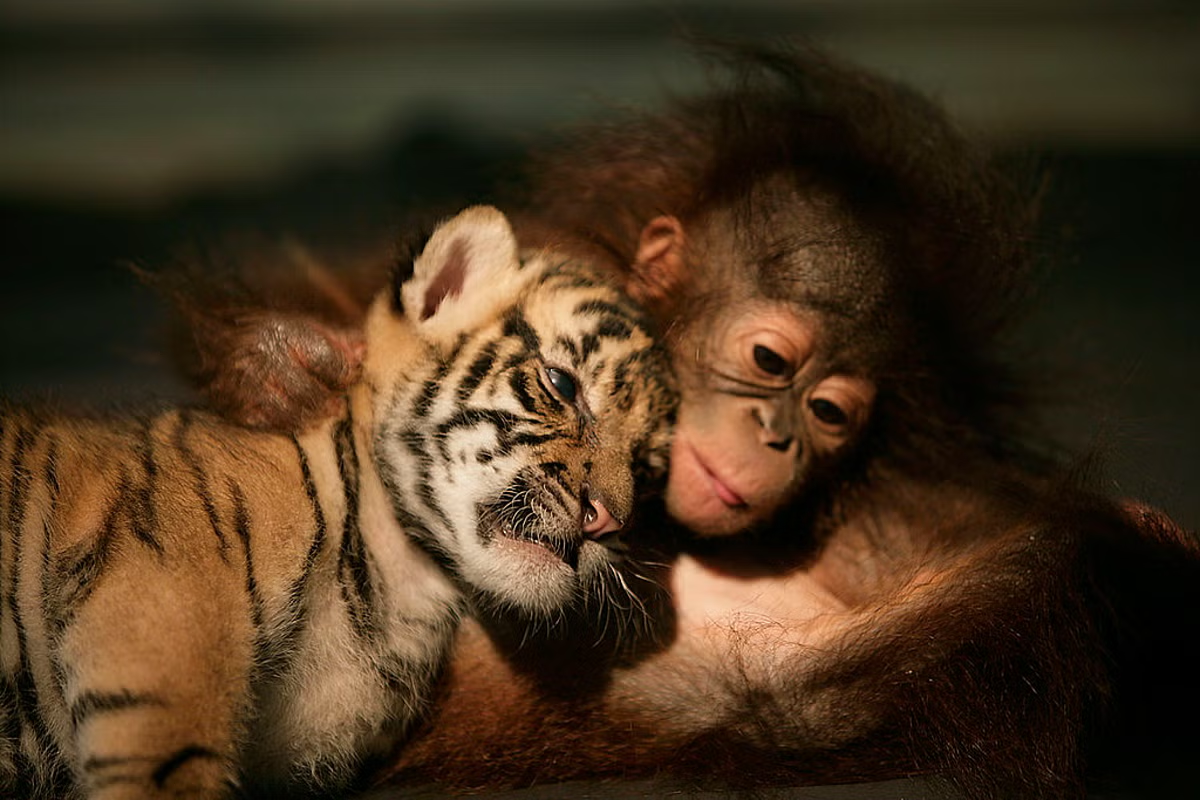
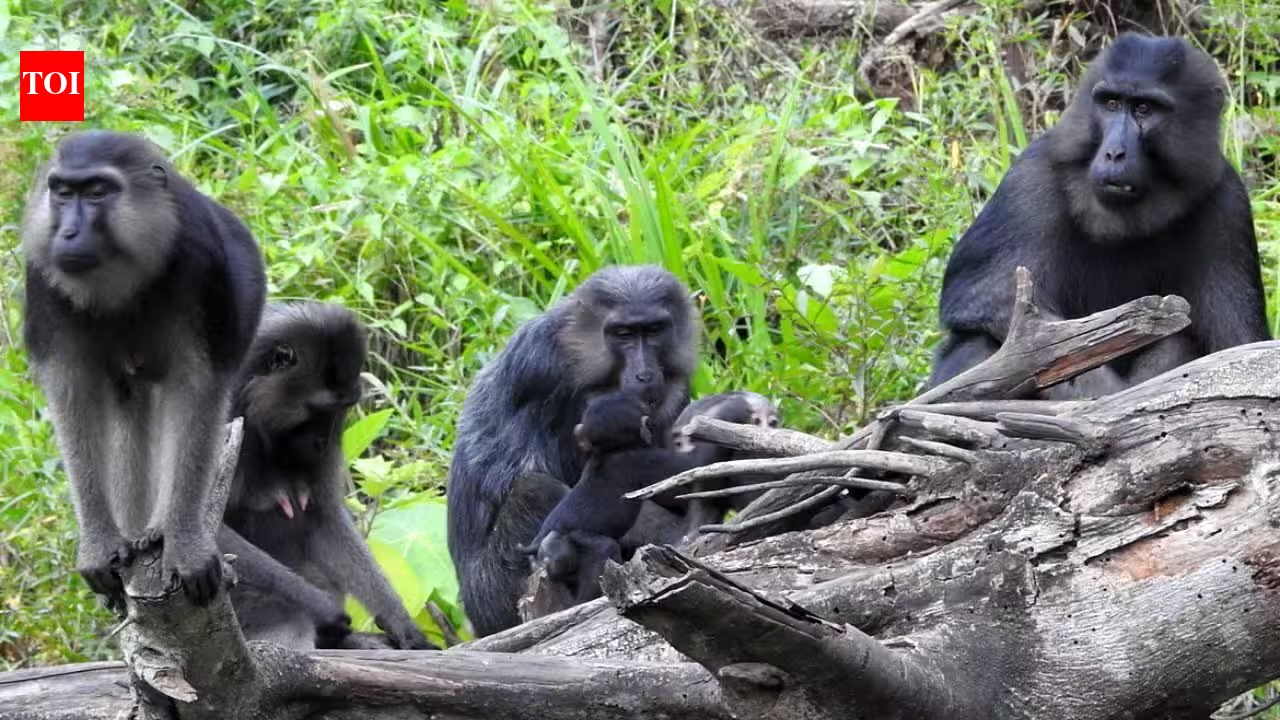
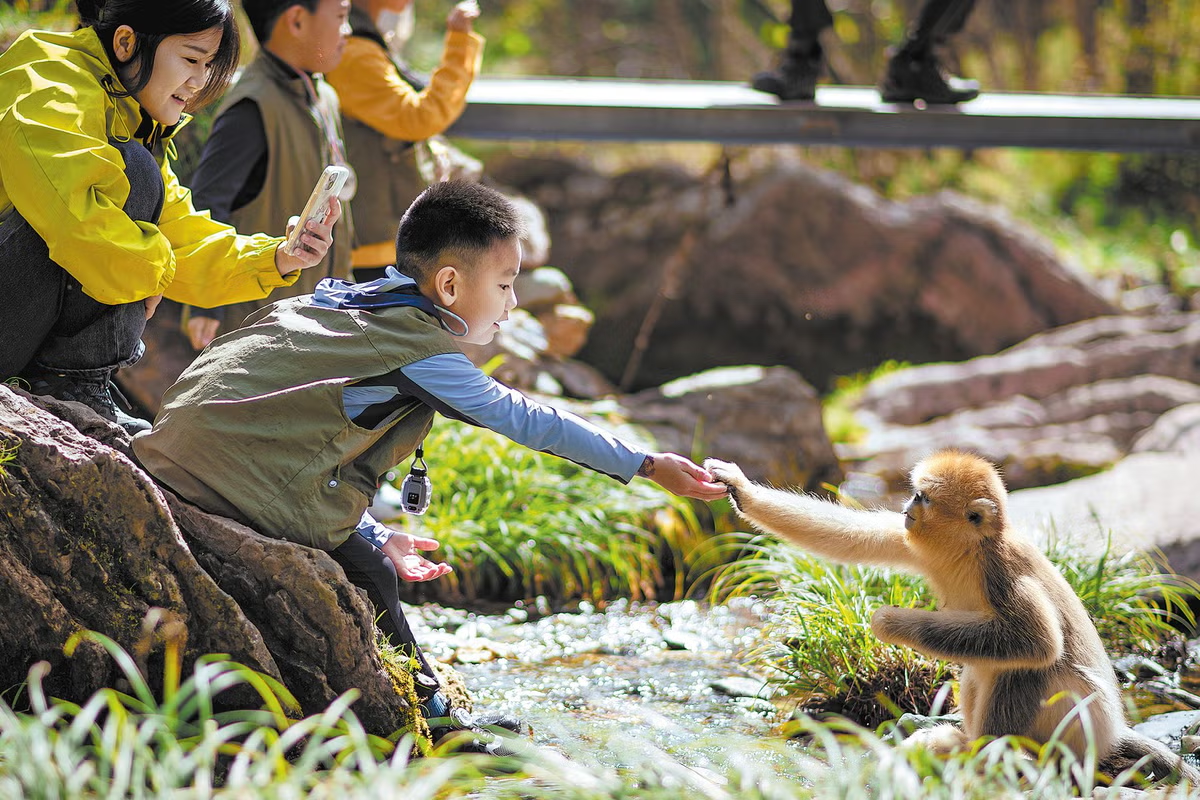
A new study my colleagues and I conducted brings together 427 documented cases of primates interacting with other species, spanning several decades from the 1970s to 2025. Our findings reveal that these encounters are far more widespread than scientists had realised.
Over the years, I had begun collecting reports of similar encounters from scientific journals, photographs, videos and observations shared by other primatologists. What initially seemed like a handful of quirky anecdotes gradually turned into a much broader pattern. These interactions appeared to represent a surprisingly widespread aspect of primate behaviour.