Audio By Vocalize
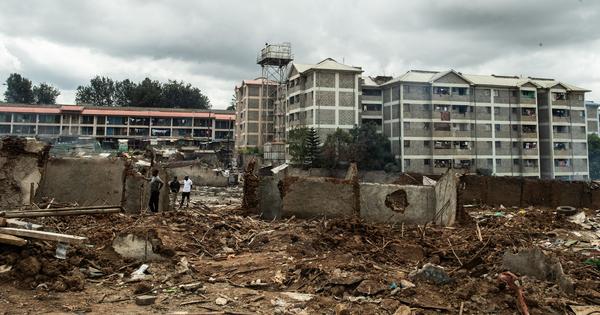
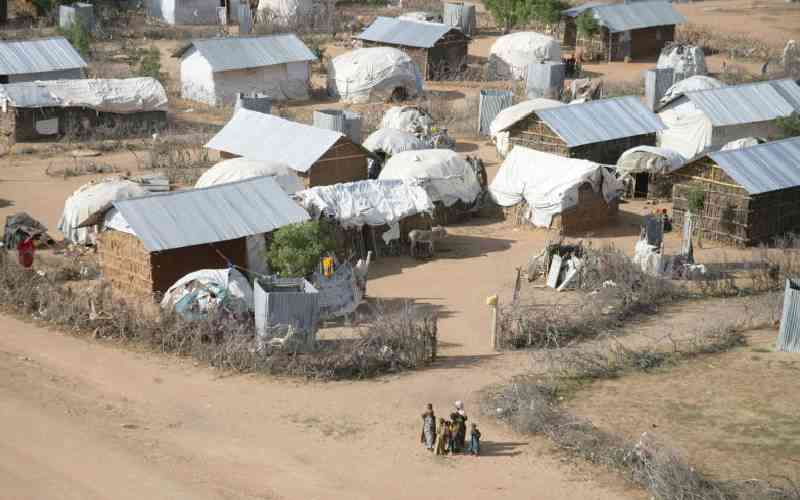
A section view of IFO 2 refugee camp in Dadaab. [File, Standard]
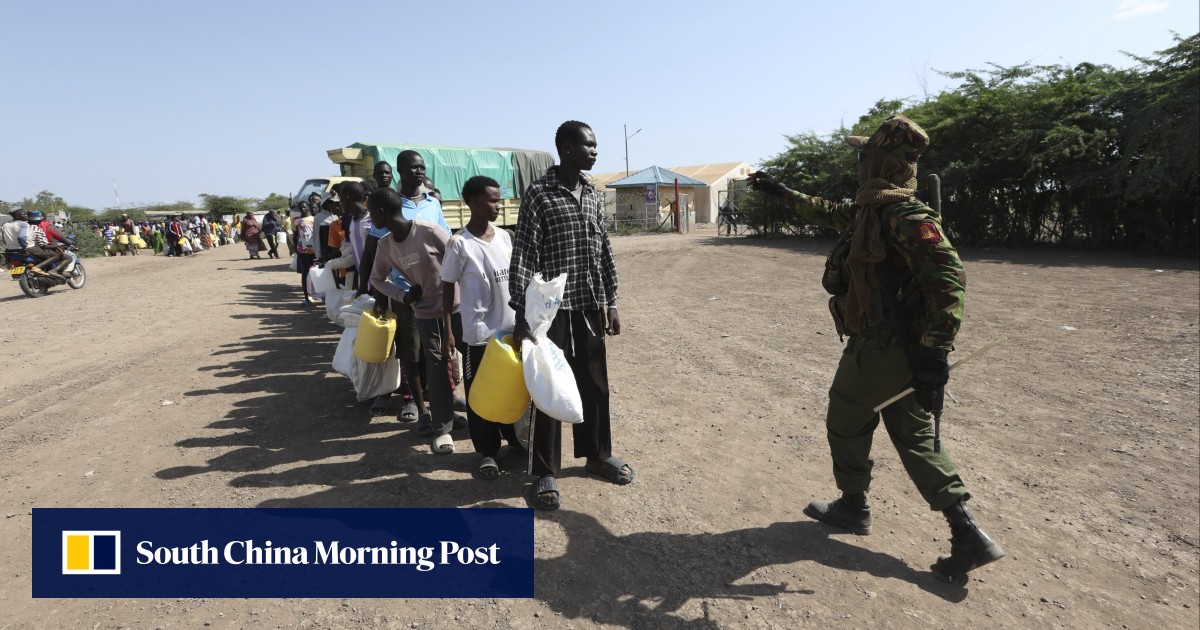
For decades, Kakuma has been known globally as one of Africa’s largest refugee settlements, a place associated with humanitarian assistance, displacement and recurring challenges of hosting people fleeing conflict from across the region.
Yet behind this familiar narrative lies another important story: one of deliberate peacebuilding, social cohesion and community resilience. The National Cohesion and Integration Commission (NCIC), the Department of Refugee Services (DRS), the Refugee Consortium of Kenya (RCK), the Auschwitz Institute for the Prevention of Genocide and Mass Atrocities (AIPG), the Turkana County Government, security agencies and other stakeholders, demonstrate that sustainable peace is built not merely through humanitarian relief, but by investing in relationships between people.
Through extensive research and dialogue, the Commission identified structural drivers of tension: competition over water and grazing land, unemployment, inadequate infrastructure, perceptions of unequal access to services, misinformation, hate speech, cultural misunderstandings and weak conflict management mechanisms.