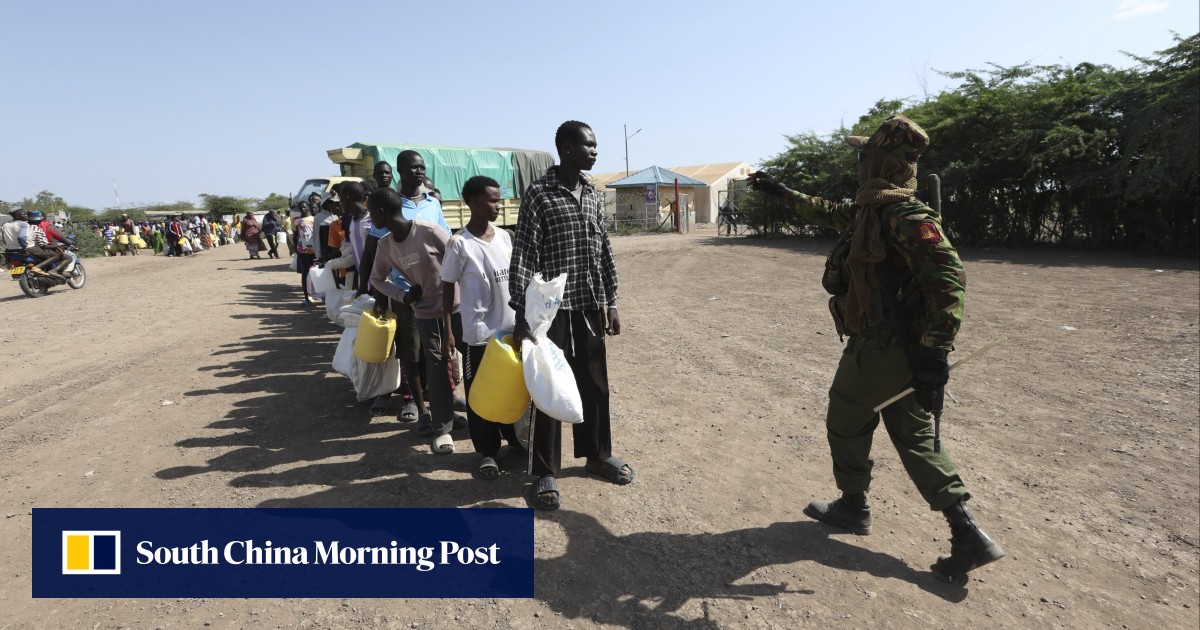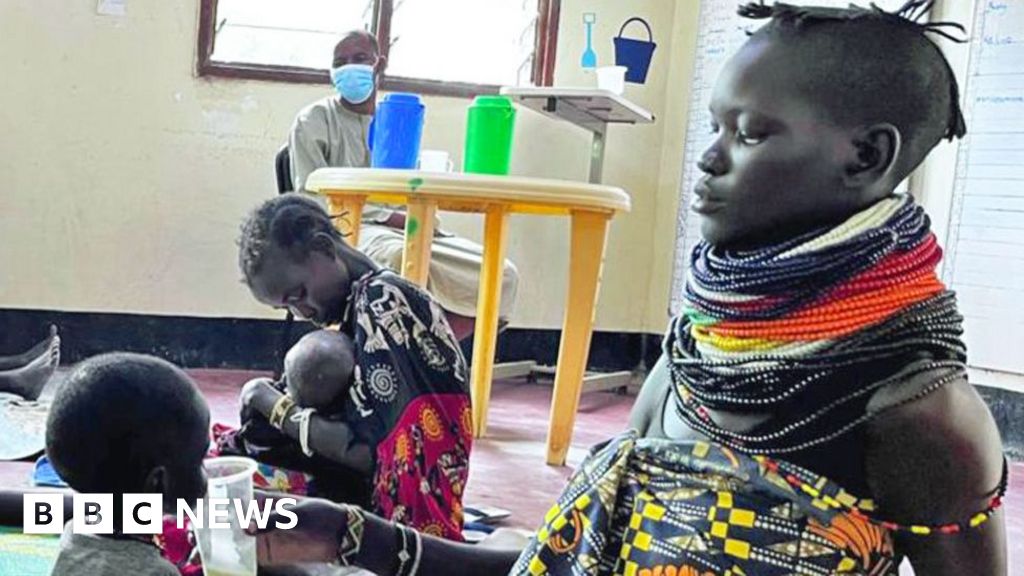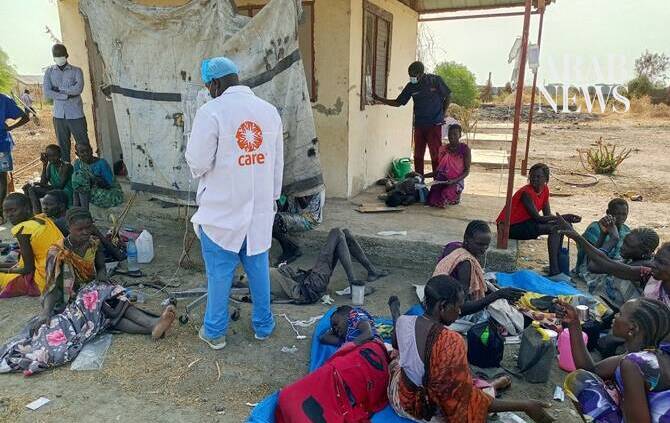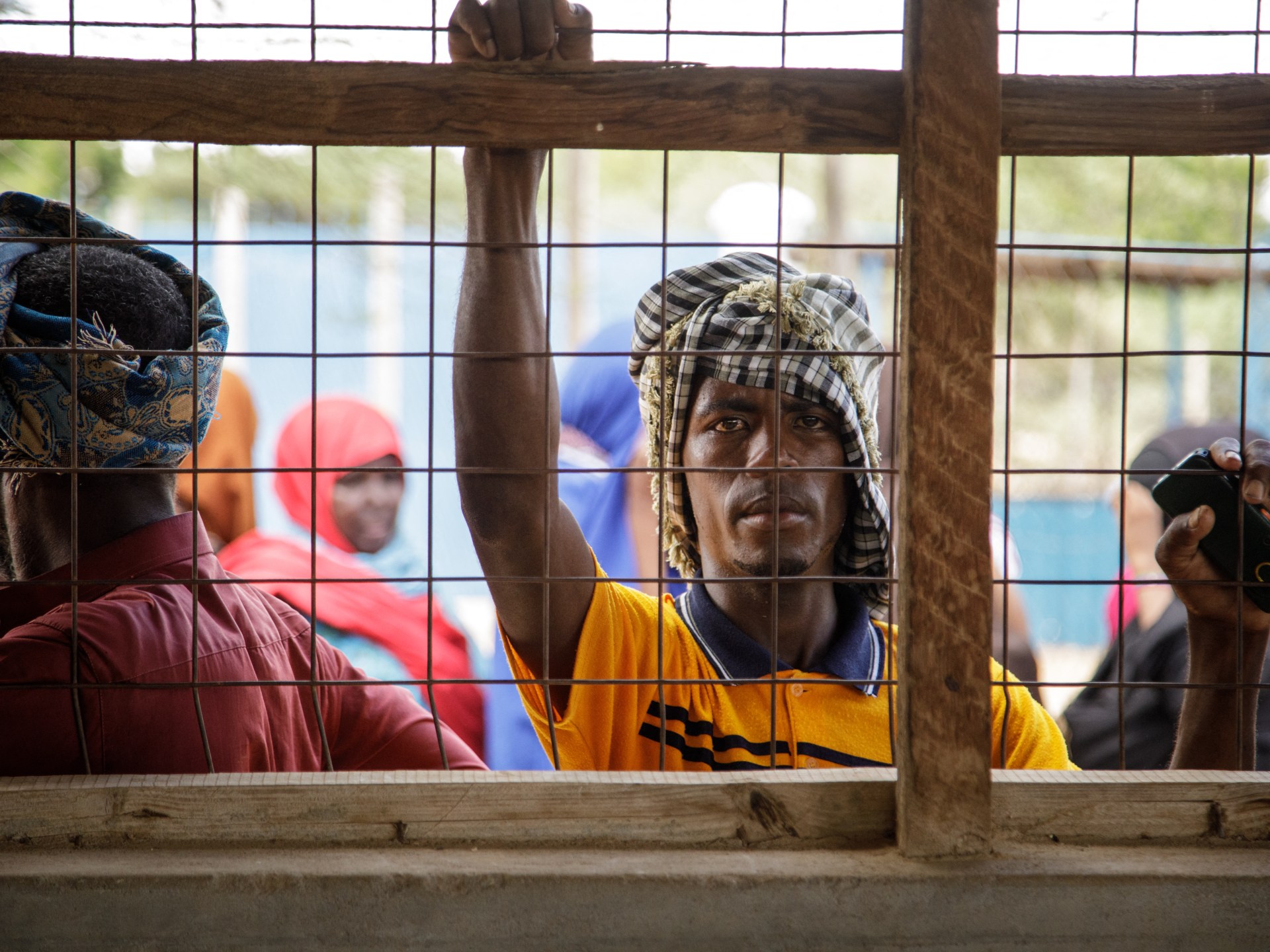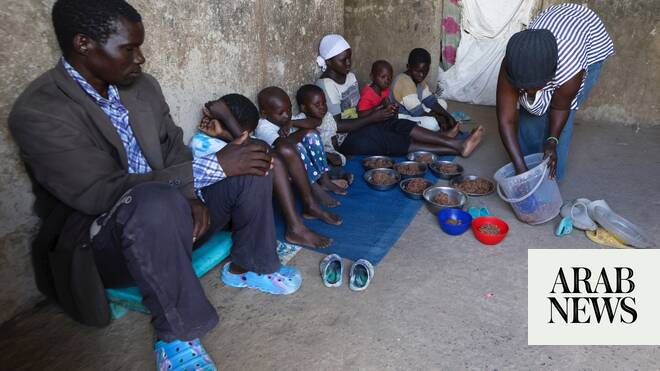
KAKUMA: At a refugee camp in northern Kenya, Aujene Cimanimpaye waits as a hot lunch of lentils and sorghum is ladled out for her and her nine children — all born while she has received United Nations assistance since fleeing her violence-wracked home in Congo in 2007.
“We cannot go back home because people are still being killed,” the 41-year-old said at the Kakuma camp, where the UN World Food Program and UN refugee agency help support more than 300,000 refugees.
Her family moved from Nakivale Refugee Settlement in neighboring Uganda three years ago to Kenya, now home to more than a million refugees from conflict-hit east African countries.
A few kilometers (miles) away at the Kalobeyei Refugee Settlement, fellow Congolese refugee Bahati Musaba, a mother of five, said that since 2016, “UN agencies have supported my children’s education — we get food and water and even medicine,” as well as cash support from WFP to buy food and other basics.
This year, those cash transfers — and many other UN aid activities — have stopped, threatening to upend or jeopardize millions of lives.