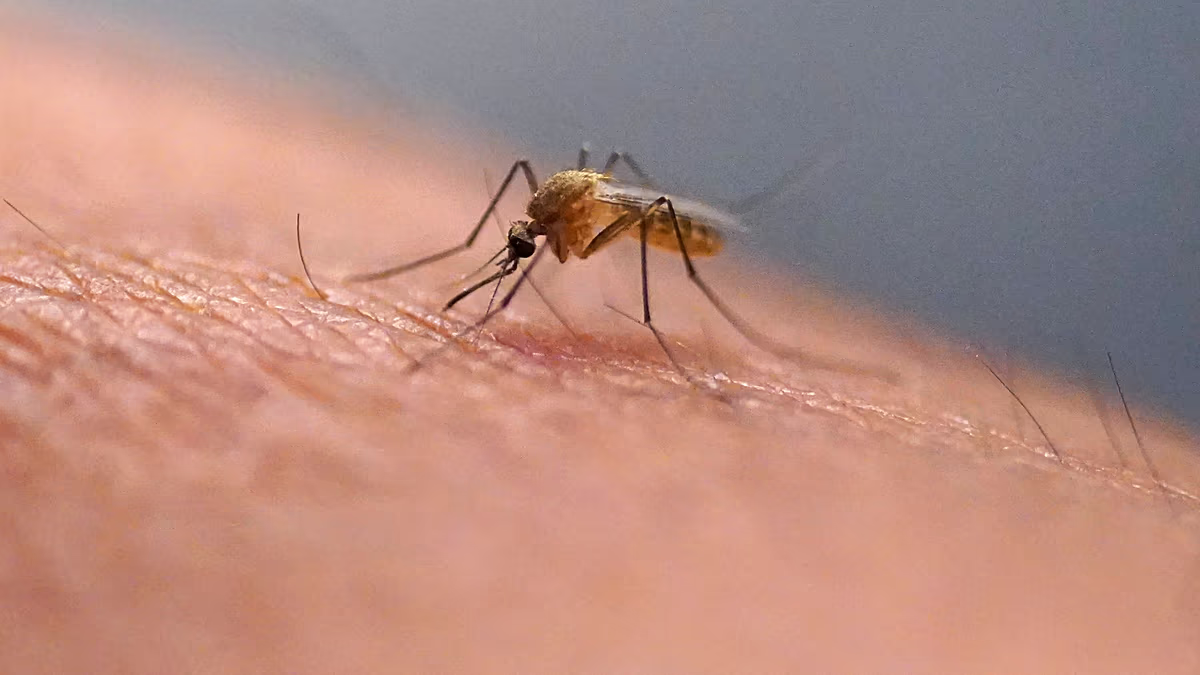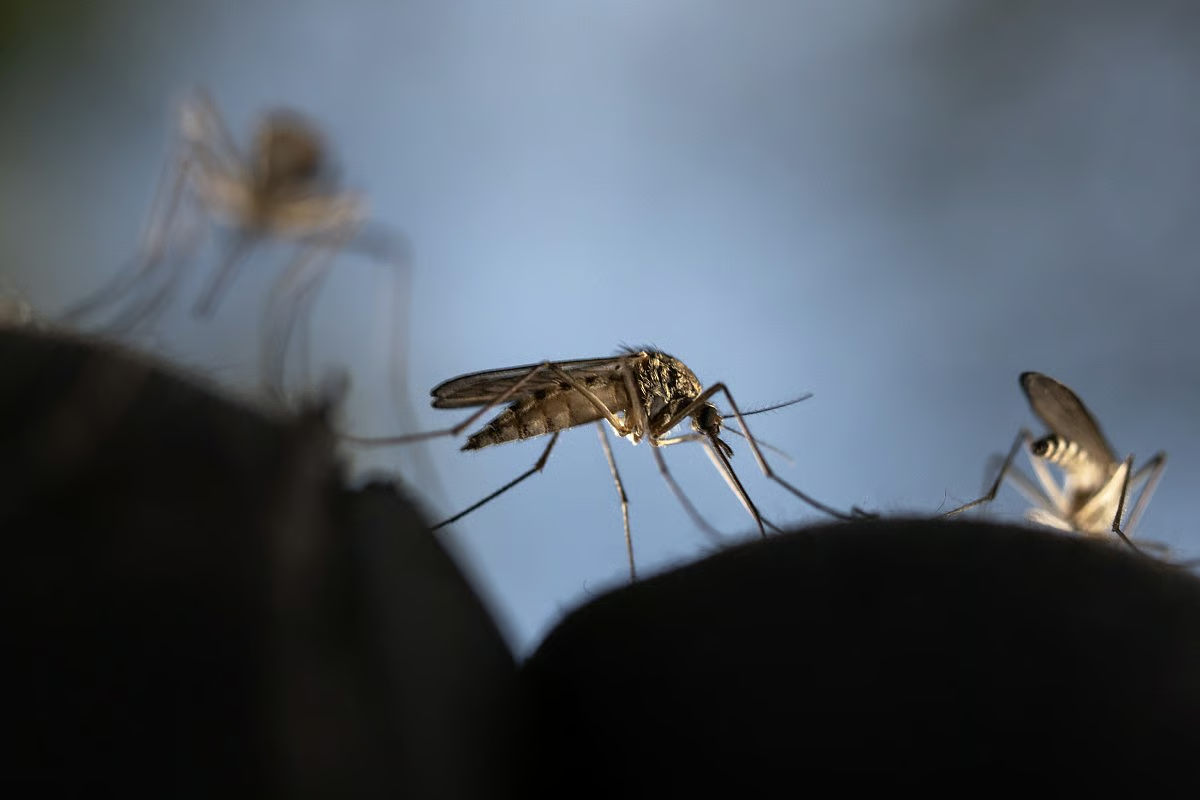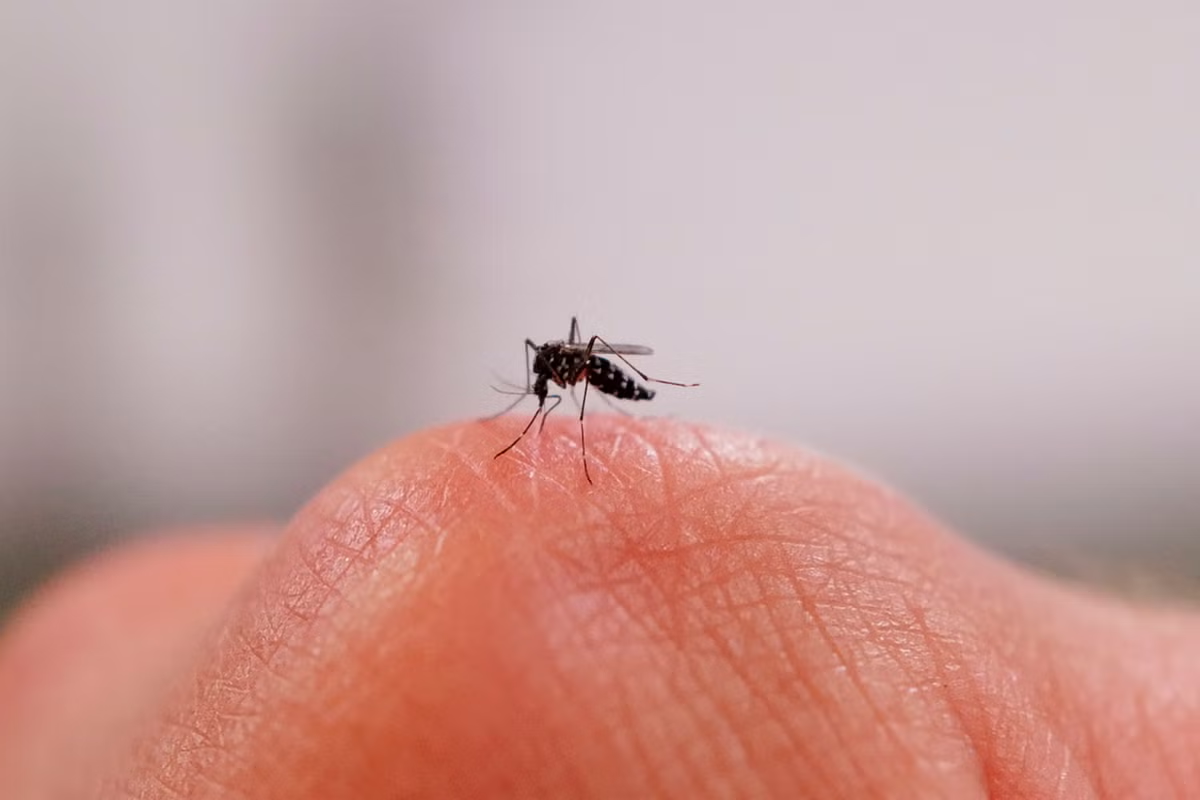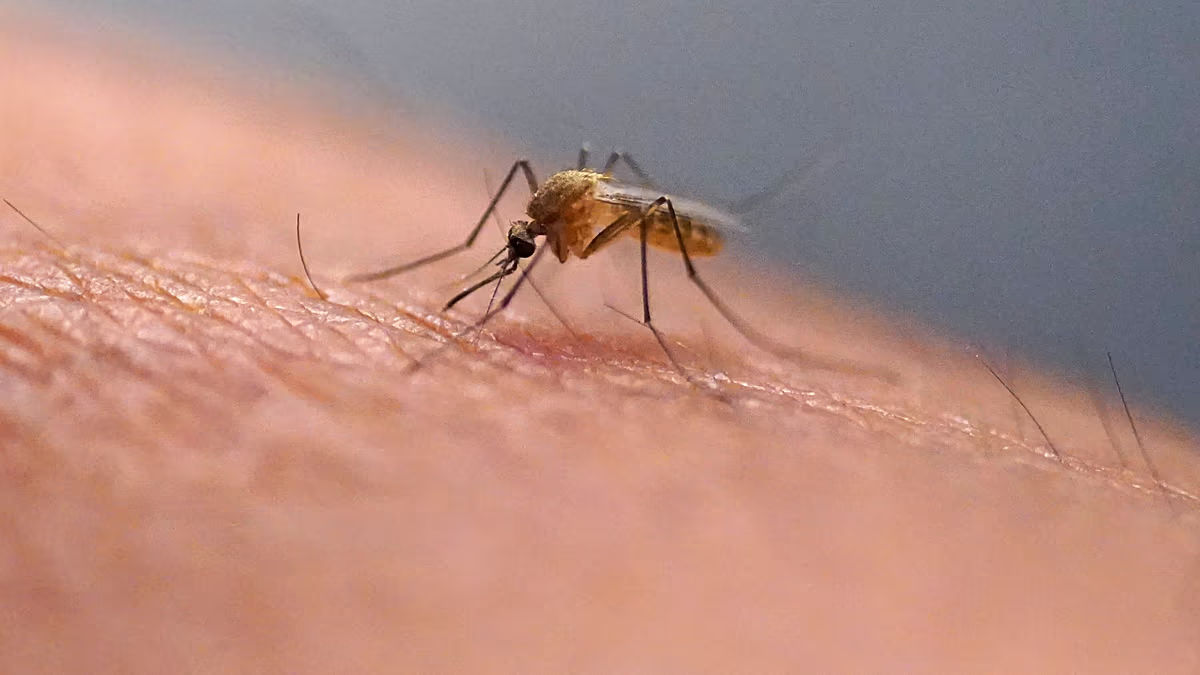
Each mosquito species has its own type, according to research published in iScience, which tested the attraction of three mosquito species — yellow-fever mosquito (Aedes aegypti), Asian tiger mosquito (Aedes albopictus) and southern house mosquito (Culex quinquefasciatus) — to 119 people in Miami, Florida.
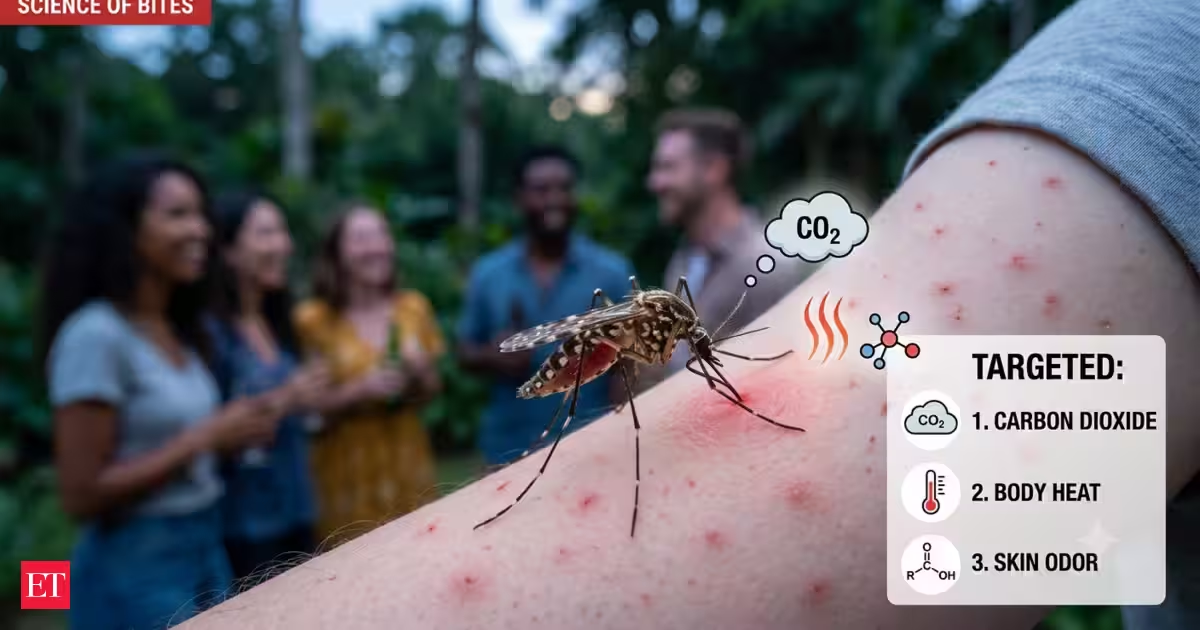
Mosquitoes find hosts using a combination of signals, including carbon dioxide, body odour, heat, humidity and visual cues. Human scent is itself an extraordinarily complex chemical mixture, containing hundreds of volatile compounds. Differences in those compounds — some produced or modified by bacteria living on the skin — can help mosquitoes distinguish between people.
Researchers found that some people were highly attractive to more than one mosquito species, but no one in the study was among the most attractive to all three. In other words, being particularly appealing to one species did not necessarily make someone particularly appealing to another.
“We didn’t expect the species to prefer different people when we started the study,” Kaylee Marrero, the study's lead author, said in a press release. “Each species having a distinct microbial signature that they use as a cue was so surprising to me.”