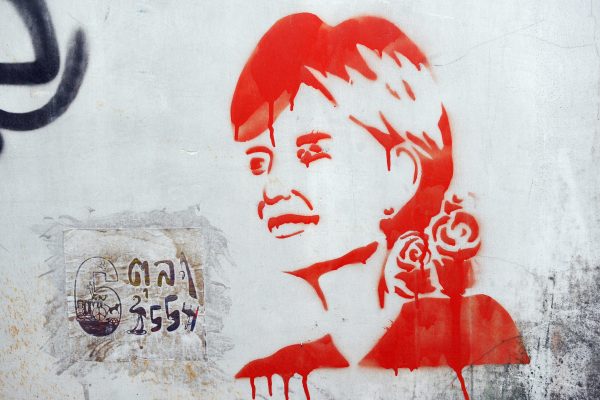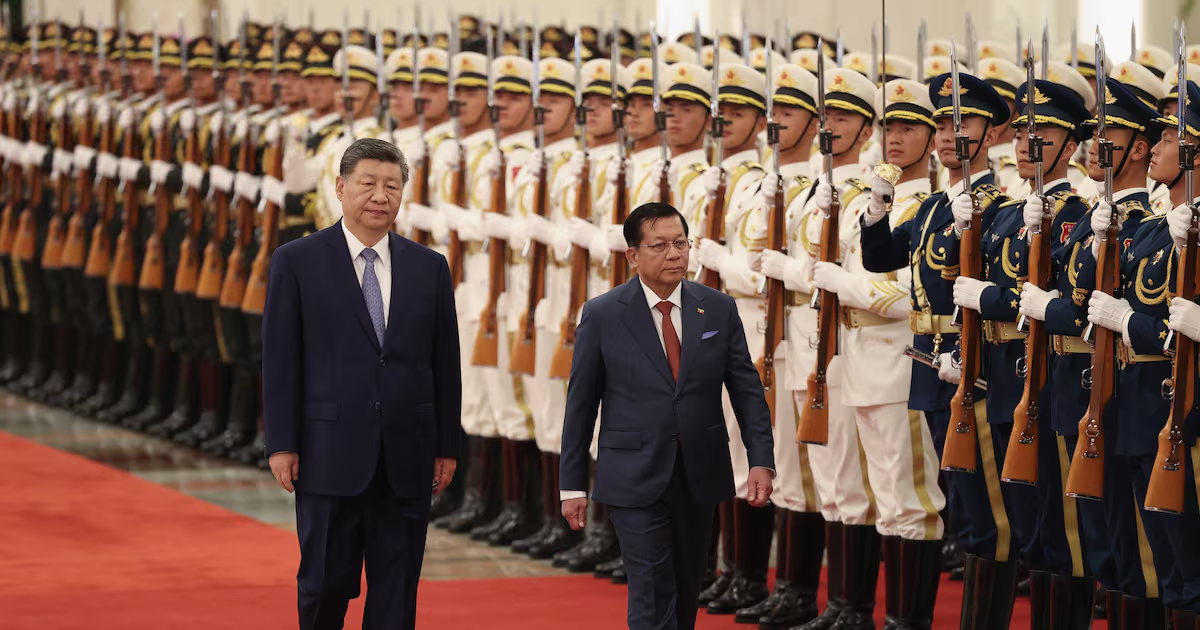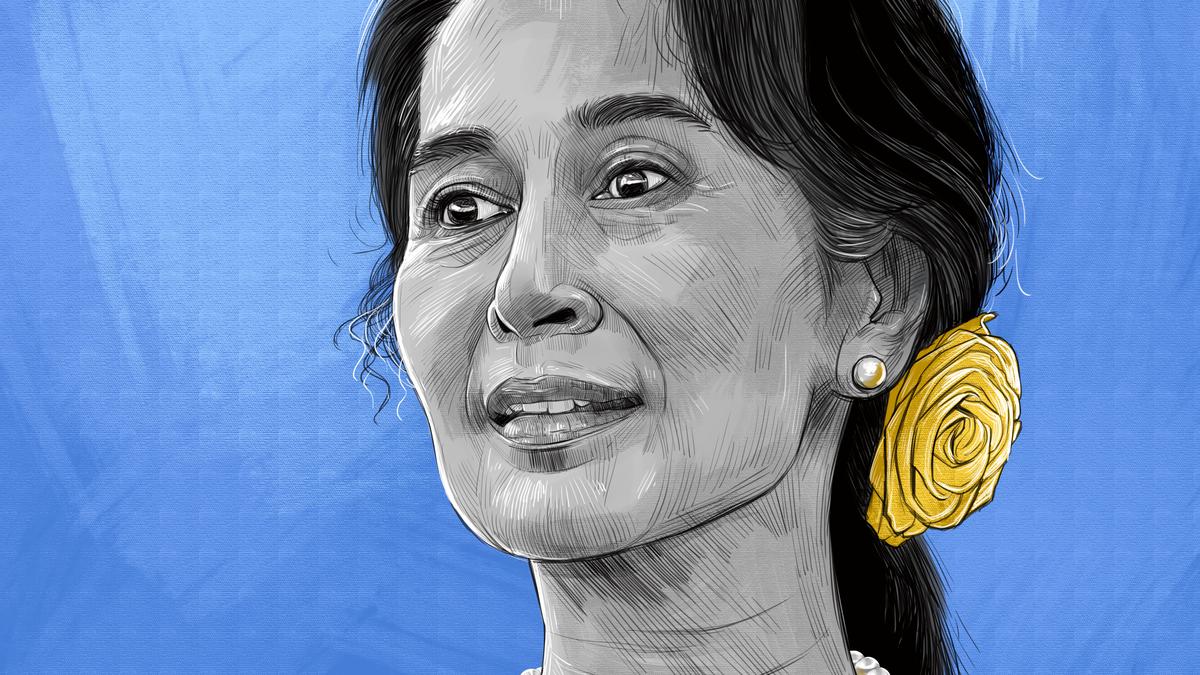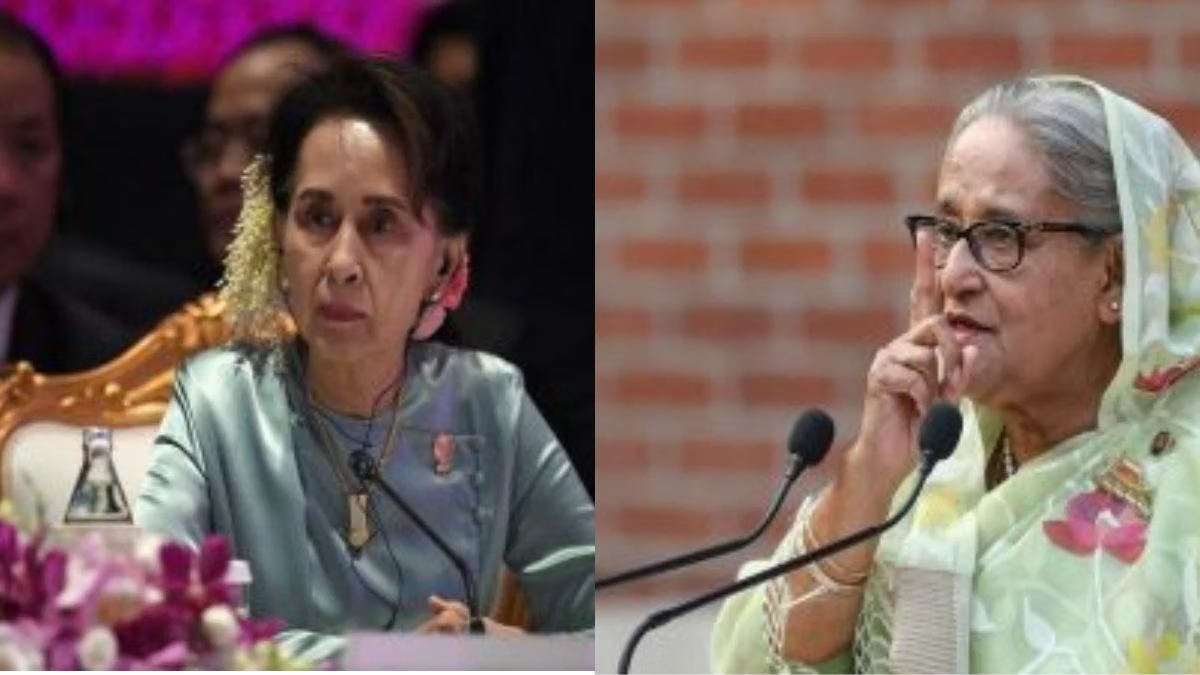
The past week has been interesting for India’s neighbourhood. Within a span of just a few days, two of South Asia’s most consequential political figures Aung San Suu Kyi in Myanmar and Sheikh Hasina in Bangladesh re-emerged into public view after prolonged periods of political absence. In an unprecedented move on 3 August 2026, Myanmar’s new government released photographs of Suu Kyi. A Nobel laureate, the face of Myanmar’s democratic transition whose government was dramatically dissolved in a military coup on 1 February, 2021 and perhaps one of the most recognisable political figures in Asia.
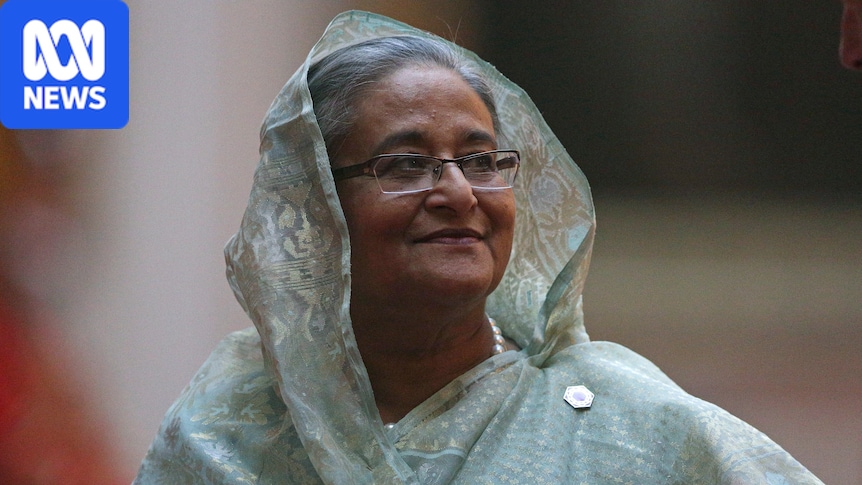
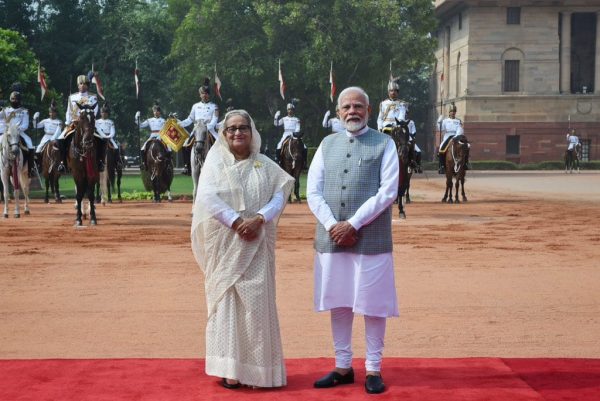
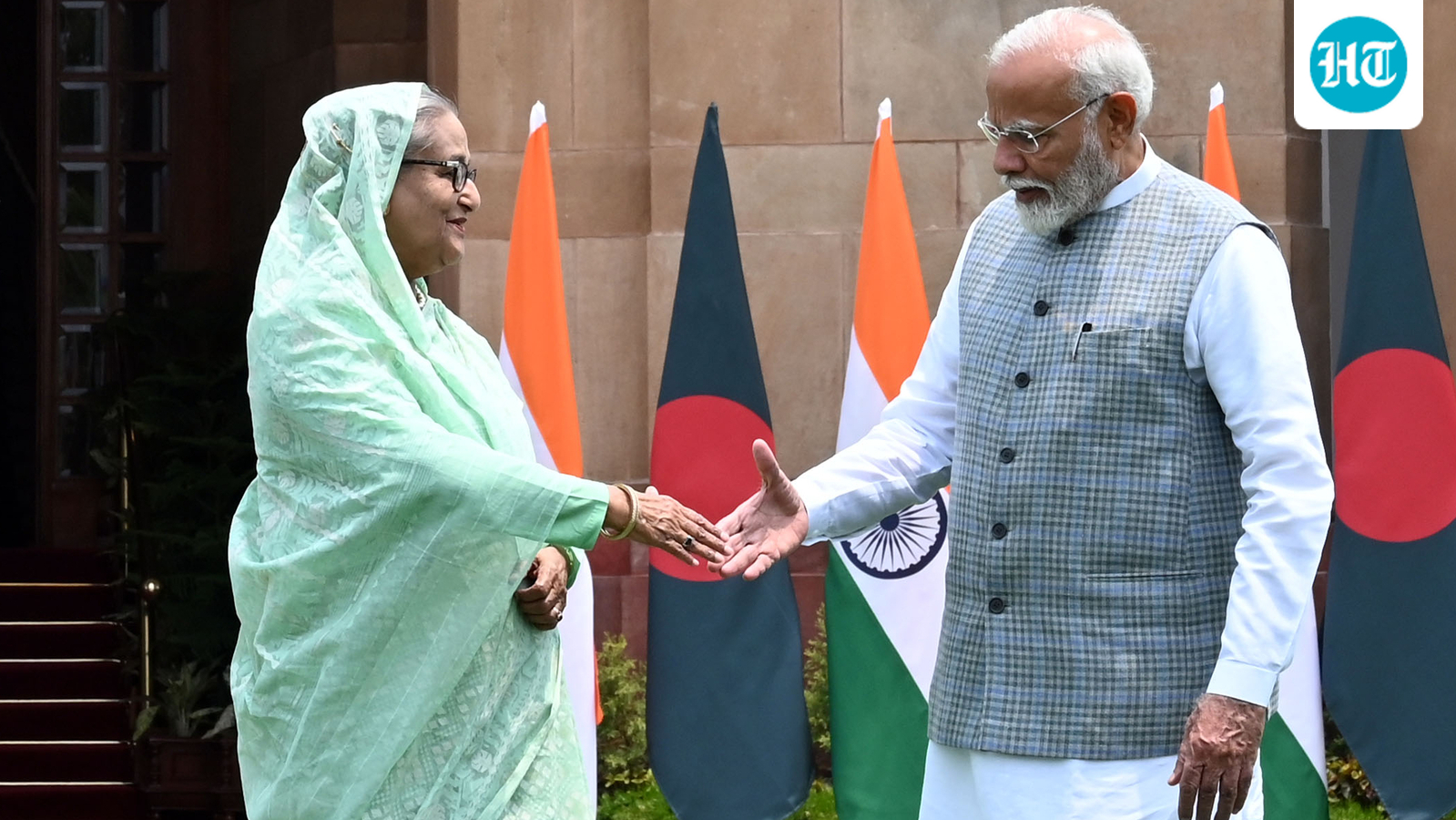
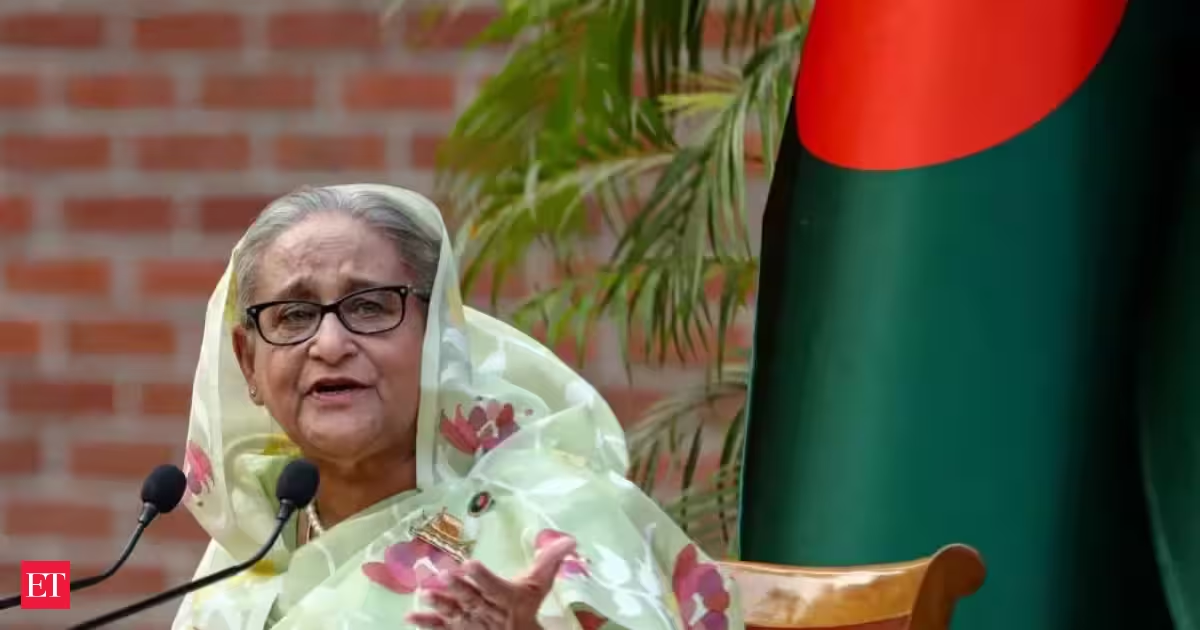
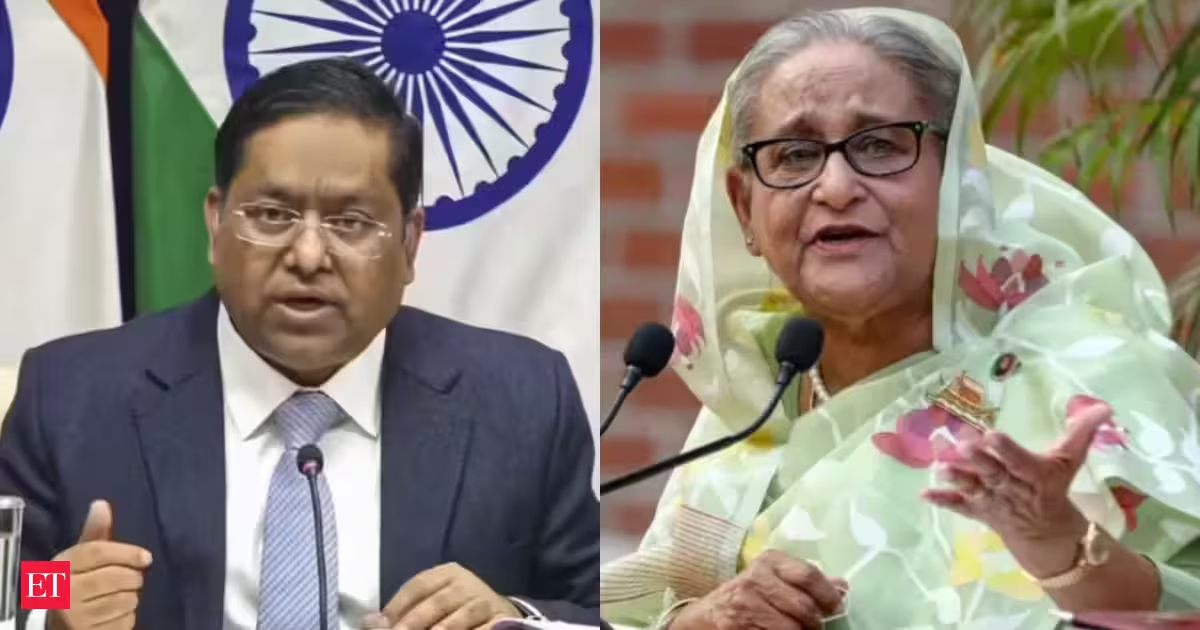
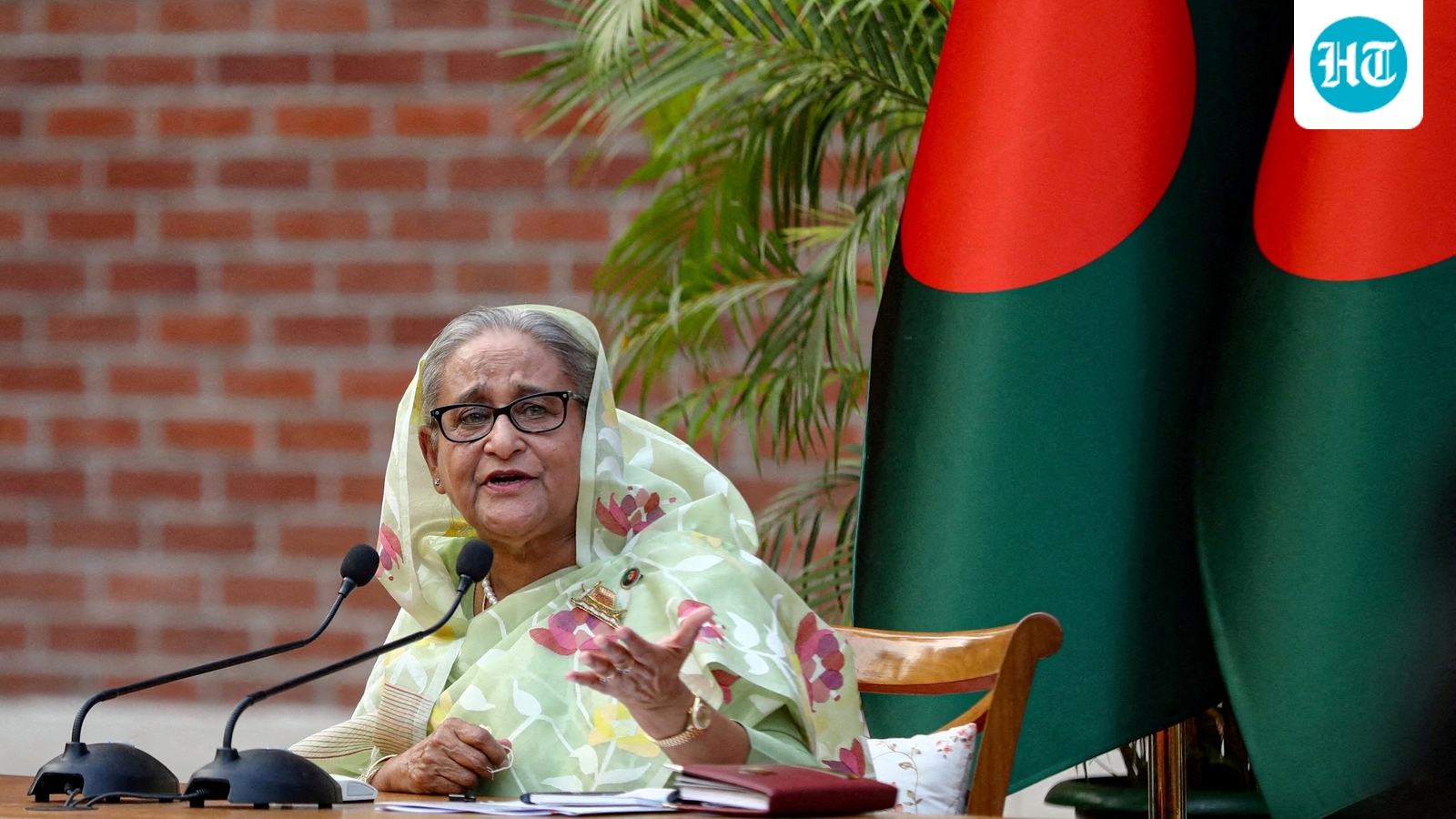
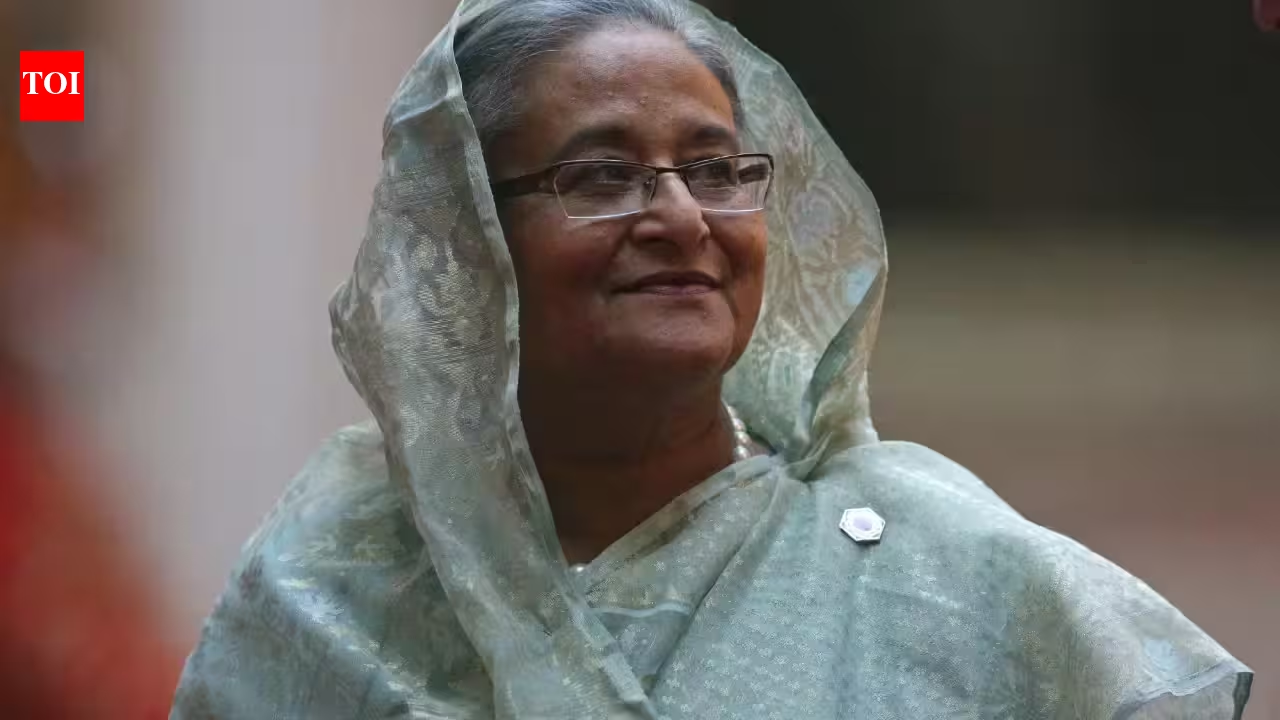
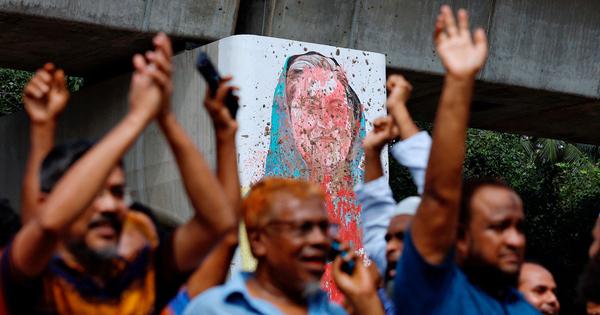
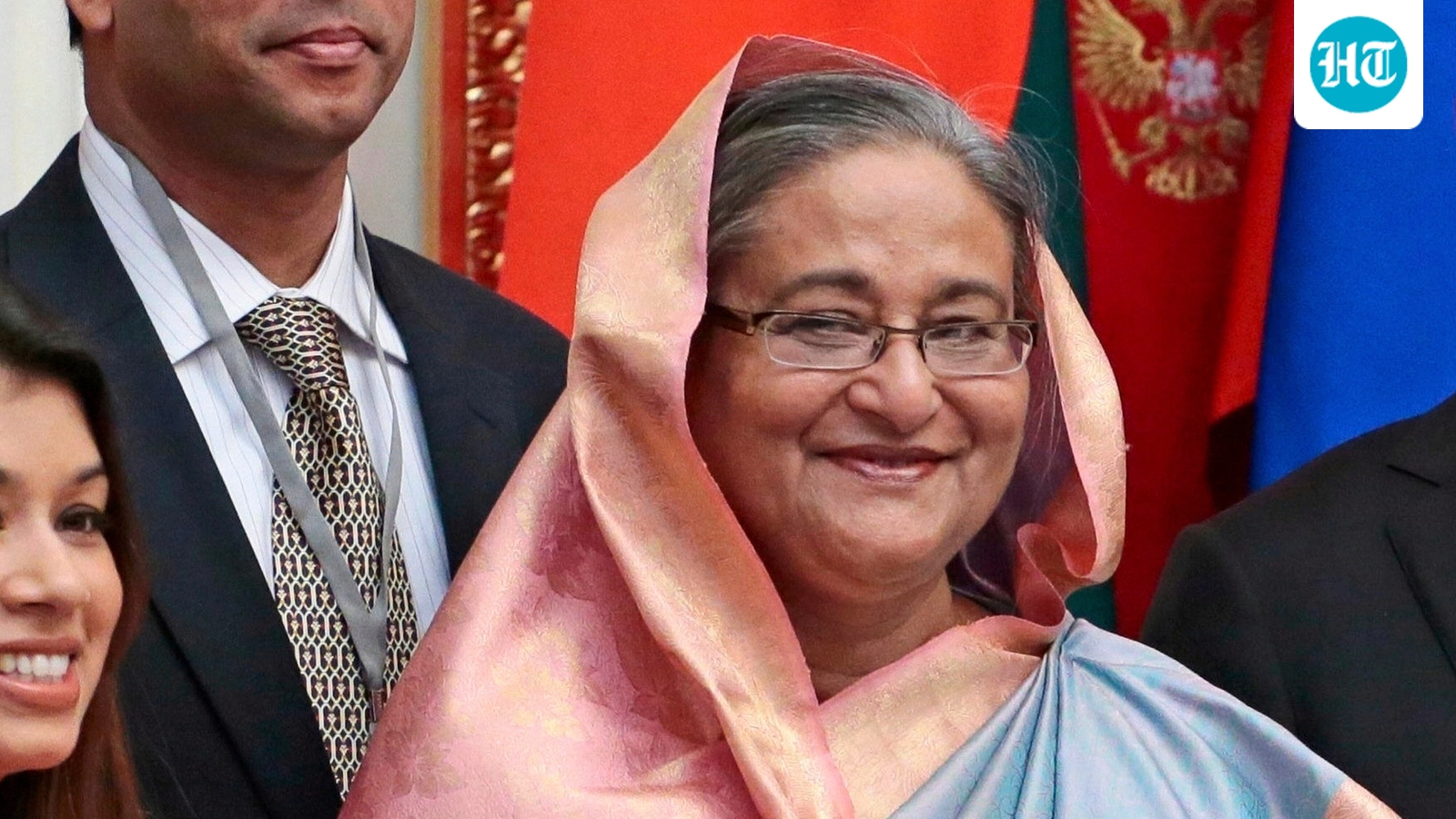
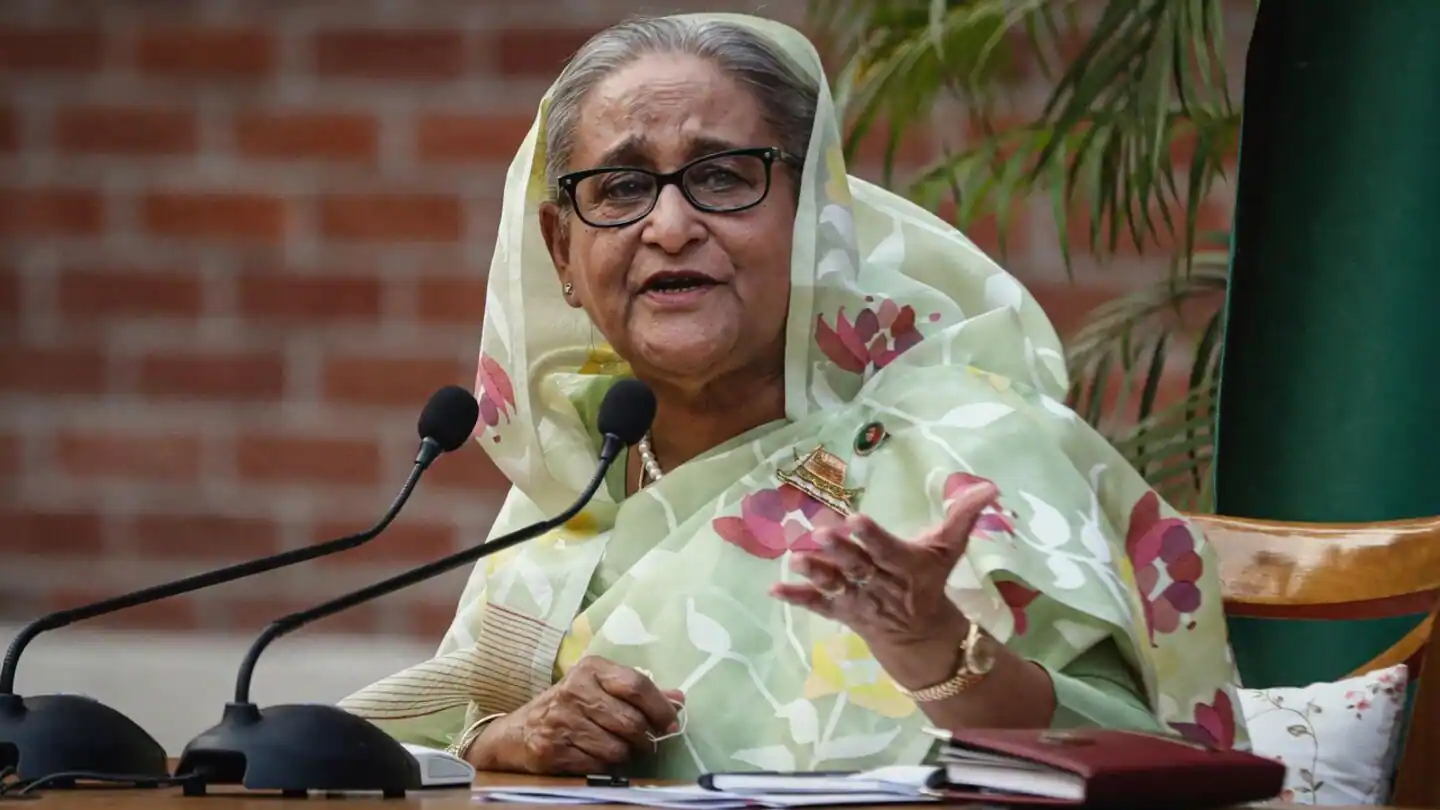
Two days later, Sheikh Hasina addressed international media in a virtual press conference in New Delhi. The longest serving Prime Minister of Bangladesh presided over nearly sixteen years of rapid economic growth transforming Bangladesh into one of South Asia’s fastest growing economies with infrastructure development and an increasingly assertive foreign policy. Her dramatic ouster which was widely criticised to be a “regime change” in 2024 marked the most significant political upheaval in Bangladesh since the restoration of parliamentary democracy.Neither woman was heard from since their turn of fortunes. Yet, as soon as they appeared, they once again dominated political discourse in their respective countries and beyond. What appeared at first glance to be coincidental, in fact revealed far deeper structural realities. Their reappearance was not merely about two leaders; it was a reminder of how politics actually functions in South Asia’s neighbourhood. Despite coups, revolutions, elections and regime changes, politics in many states of the region continues to revolve around personalities rather than institutions.